


Painted Folk Art Sculptures
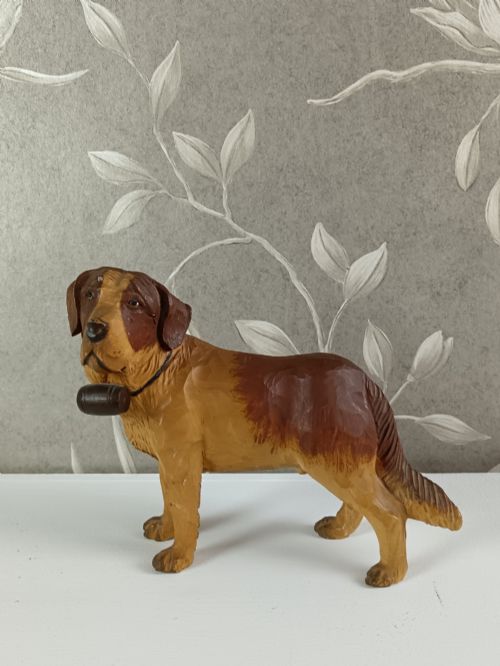
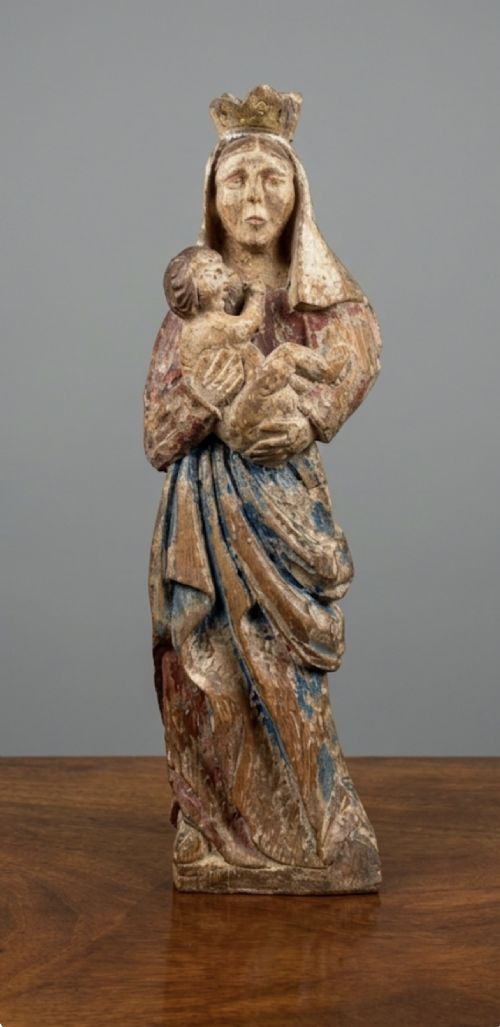
These painted folk art sculptures span centuries of vernacular expression, offering honest hand-carved animals, figures and trade objects created for everyday use.
Painted Folk Art Sculptures
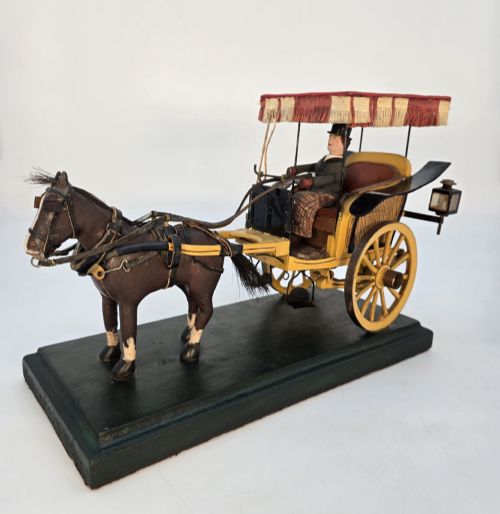
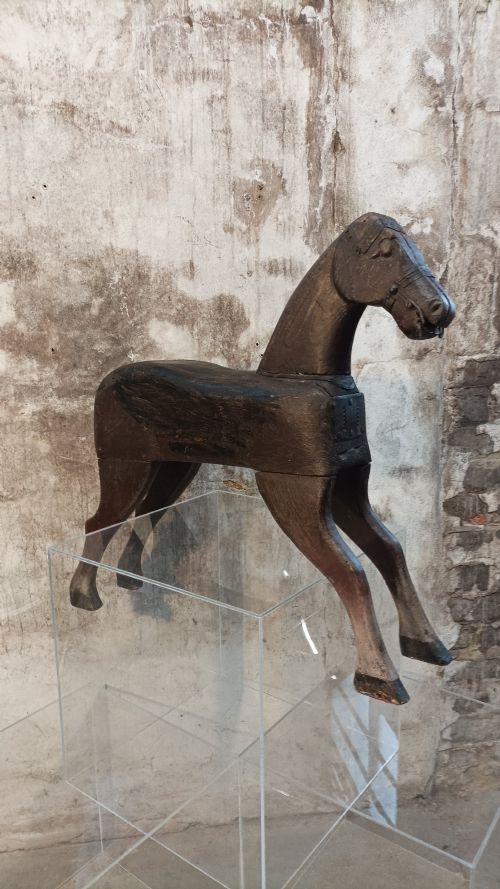
Makers ranged from rural craftsmen to fairground carvers, producing pieces such as carousel horses, rocking horses, and scratch-built models from wood, metal, and terracotta. English, French, American, Scandinavian, and Indian traditions all contribute to the variety found within this grouping.
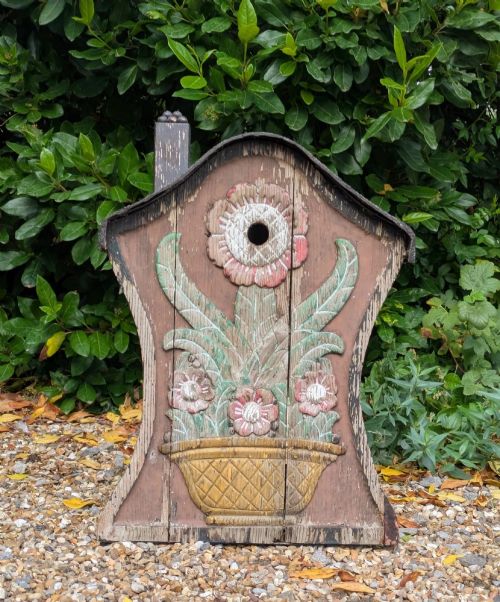
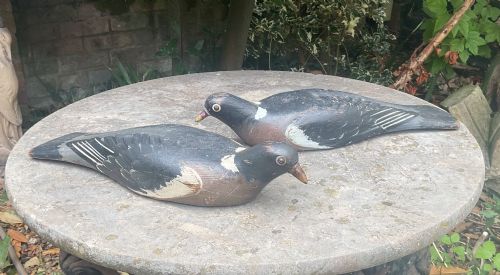
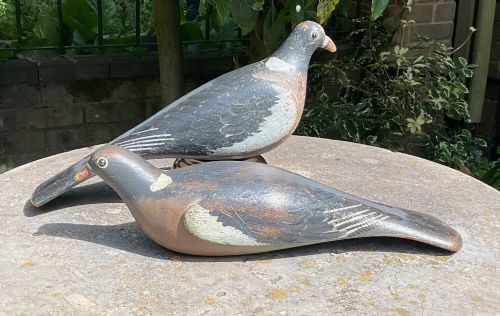
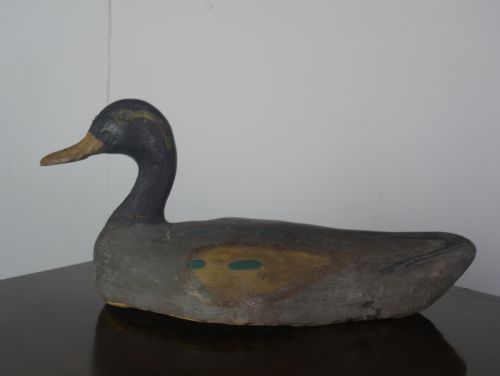
Most examples date from the eighteenth century through to the mid-twentieth century, with nineteenth-century wooden figures and Edwardian decoys appearing frequently. Buyers encounter both utilitarian items like birdhouses and purely decorative sculptures that retain layers of original paint.
Materials and construction methods
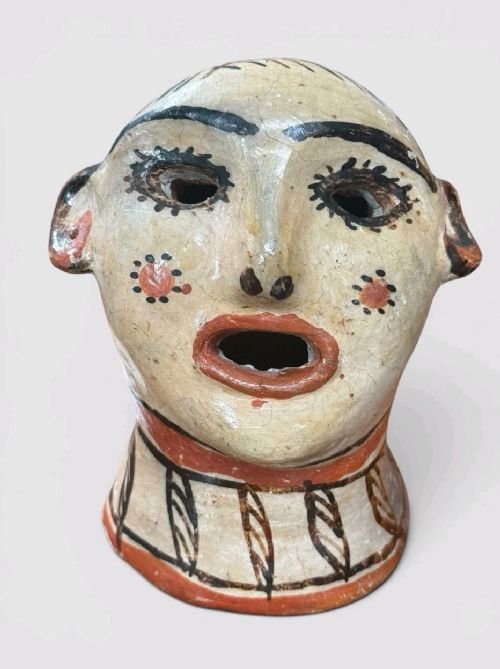
Carved wood serves as the primary medium, shaped by hand using traditional knives and chisels to form animal and human subjects. Iron, sheet metal, gesso, and terracotta are also utilised for specific objects such as weather vanes, balance toys, and pottery busts.
Surfaces are typically finished with oil-based or distemper paint, often applied in multiple layers that show natural weathering over time. Many items retain their original polychrome pigments, displaying the direct application characteristic of naive and primitive craftsmanship.
Listings feature works spanning the eighteenth century to the mid-twentieth century, executed in wood, metal, terracotta, and gesso.
Judging quality in vernacular sculpture
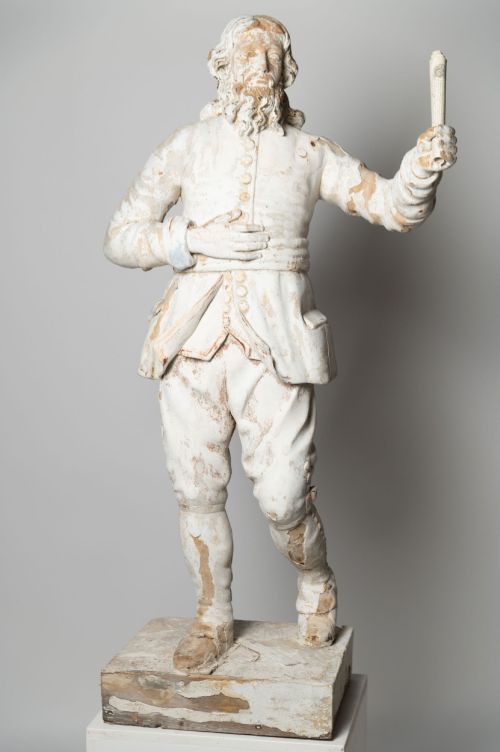
Quality rests upon the strength of the carving and the integrity of the surface paint rather than academic proportion. Pieces that retain their uncleaned, original polychrome finish command greater interest from collectors than those with modern overpainting.
The character of the form dictates distinction, where vigorous tool marks and direct observation elevate a naive object. Sculptures retaining authentic wear from working environments demonstrate the genuine history sought by enthusiasts of the genre.
The Painted Folk Art Sculptures Glossary
- Polychrome
- Painted in several colours. This describes wooden figures and carvings decorated with multiple hues of original pigment.
- Decoy
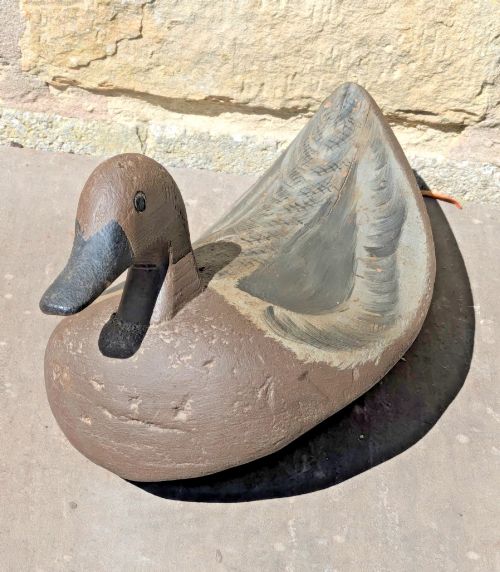
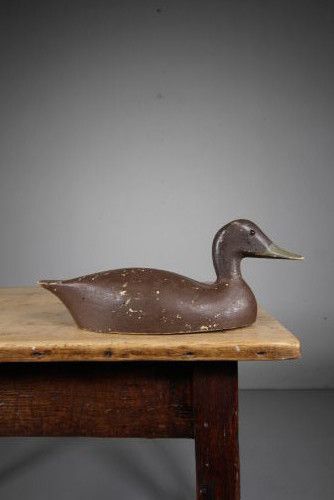
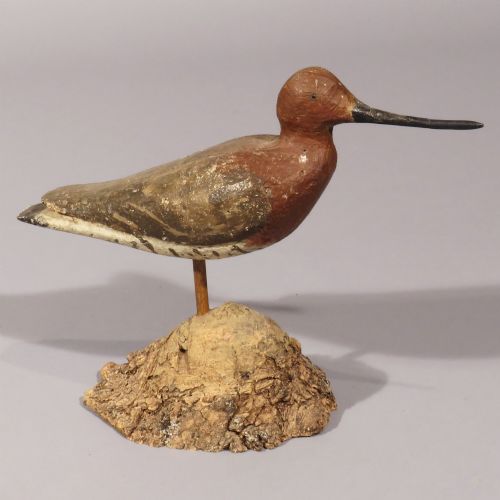
- A carved bird or animal used in hunting or as a garden ornament. These utilitarian wooden objects form a major category of vernacular sculpture.
- Trade sign
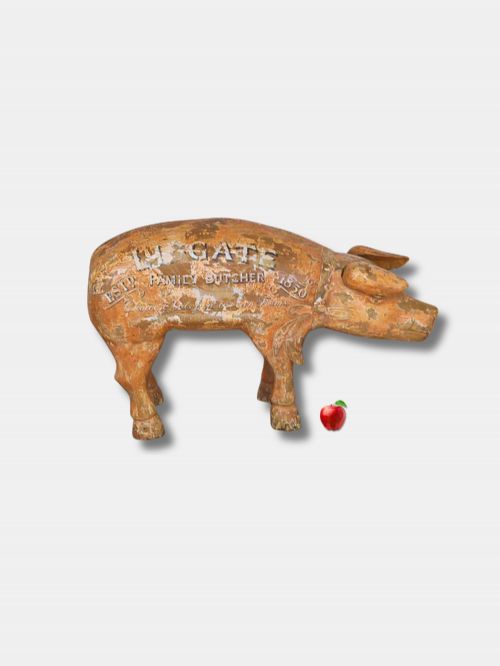
- An object displayed outside a shop to advertise a business. Examples include large painted figures and butcher shop displays.
- Gesso
- A plaster mixture used as a base for painting on wood or metal. It provides a smooth surface for subsequent layers of pigment.
- Naive
- Created without formal artistic training. This style relies on direct expression rather than classical perspective or proportion.
Painted Folk Art Sculptures: Frequently Asked Questions
How were decoy ducks used?
Decoys served as working instruments for hunters, placed on water or marshes to attract wildfowl within range.
Over decades of use, many acquired thick coats of working paint and natural weathering before entering collections as decorative objects.
How should I clean painted wood?
Painted surfaces require minimal intervention to preserve original layers of pigment and historical wear.
Dusting with a dry, soft cloth is generally sufficient, avoiding liquid cleaners or solvents that might strip fragile historic finishes.
How do I date an old carving?
Dating relies upon evaluating tool marks, timber types, construction methods, and the chemical composition of underlying paint layers.
Comparison with documented examples from periods such as the nineteenth century helps establish probable eras of manufacture.