




Painted Earthenware Jar
A painted earthenware jar brings centuries of ceramic artistry into your home, offering bold decoration and tangible history.
Painted Earthenware Jar
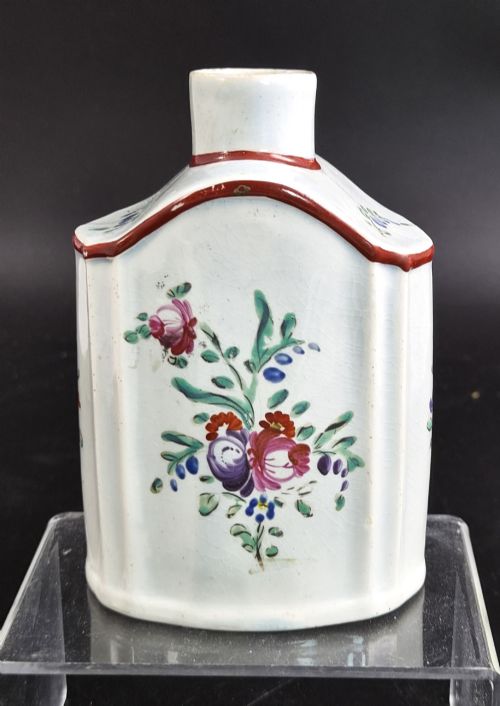
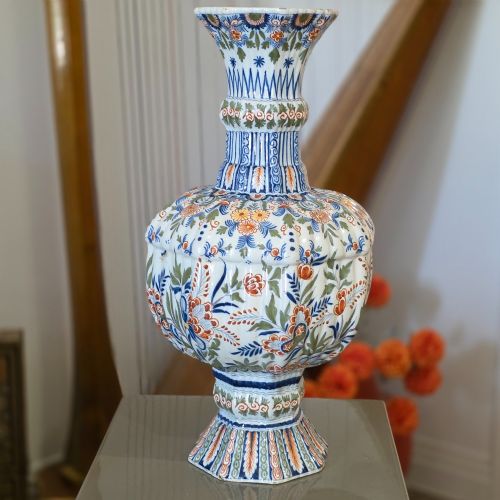
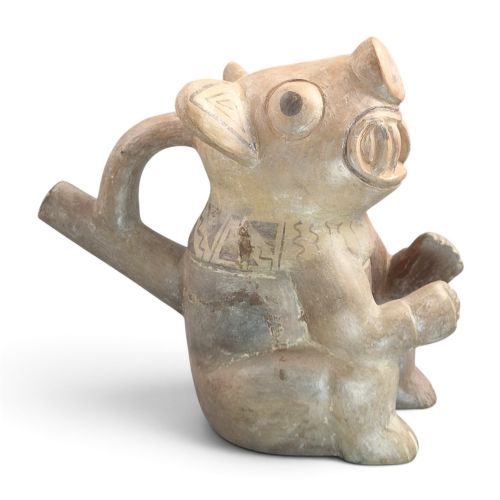
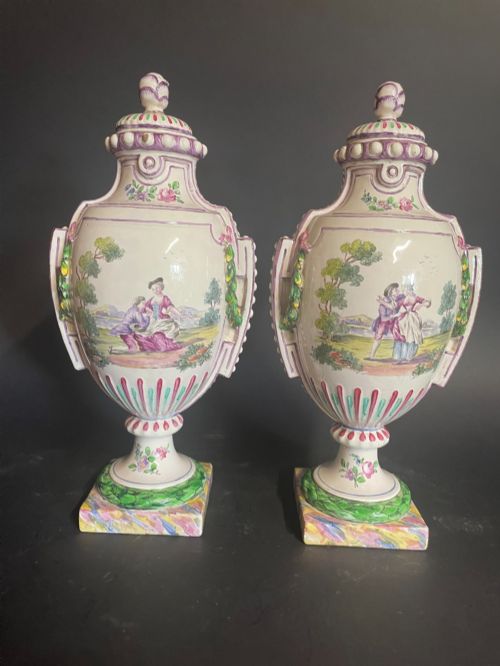
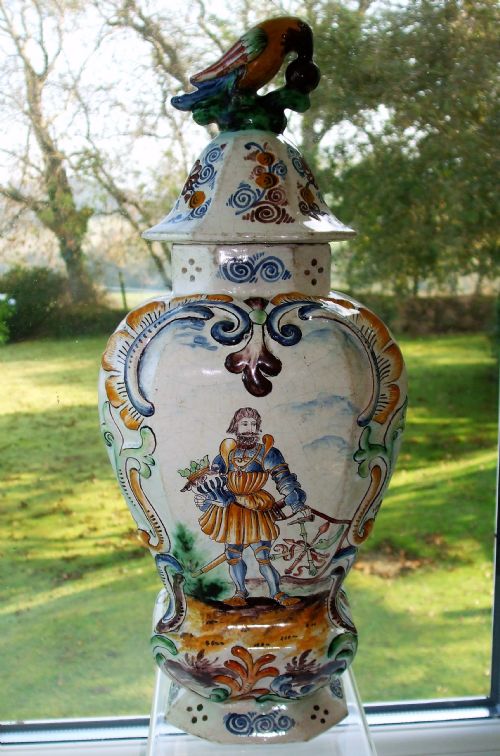
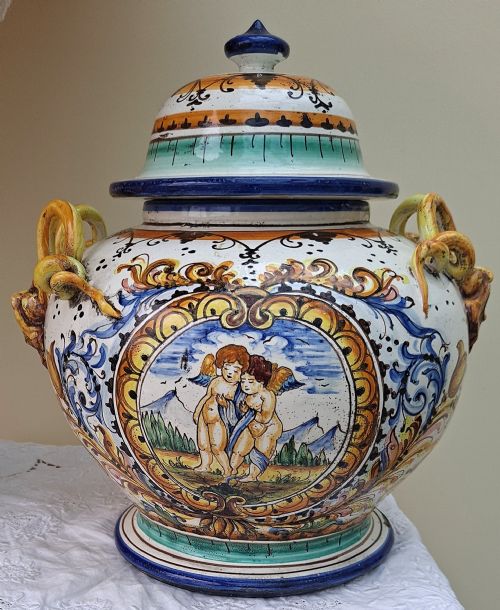
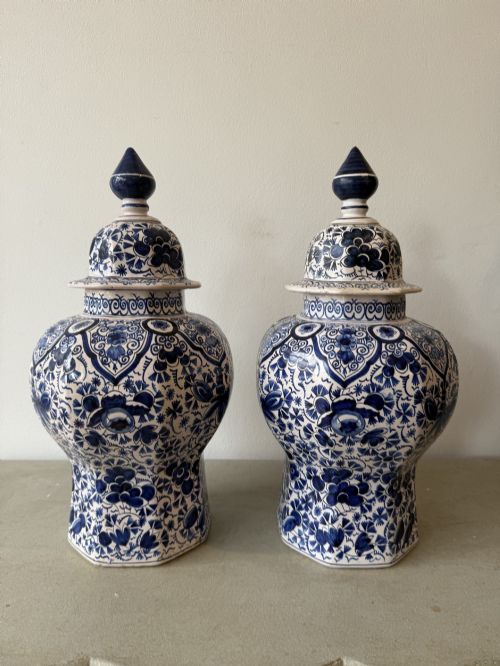
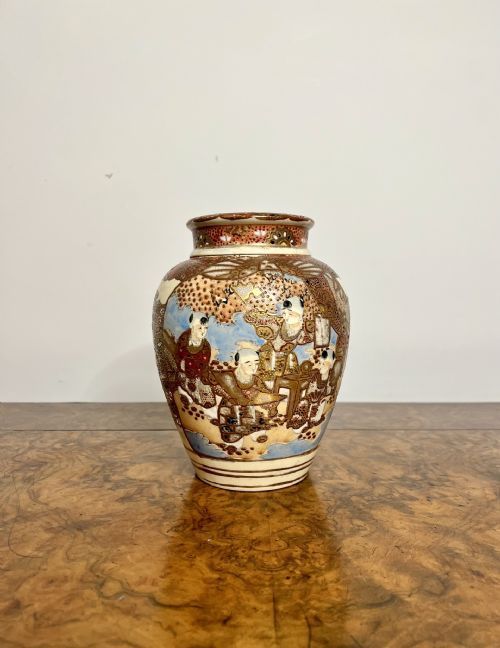
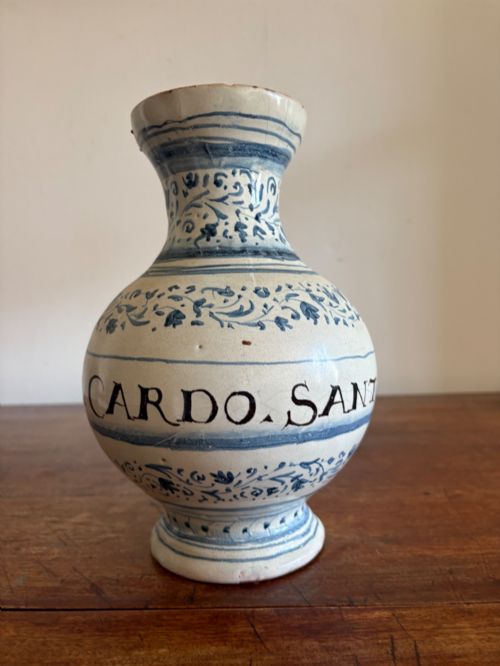
A painted earthenware jar encompasses a diverse array of ceramic vessels, ranging from apothecary jars and tea caddies to large lidded vases and decorative urns. You will encounter forms originating from English, French, Dutch, Italian, and Japanese traditions.
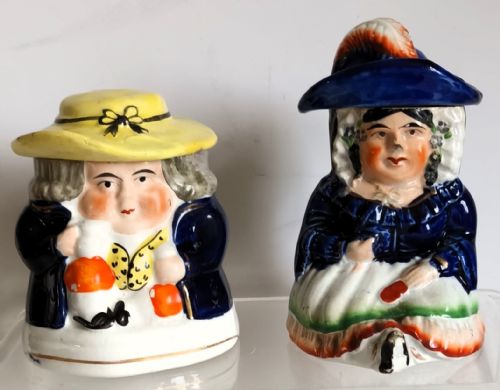
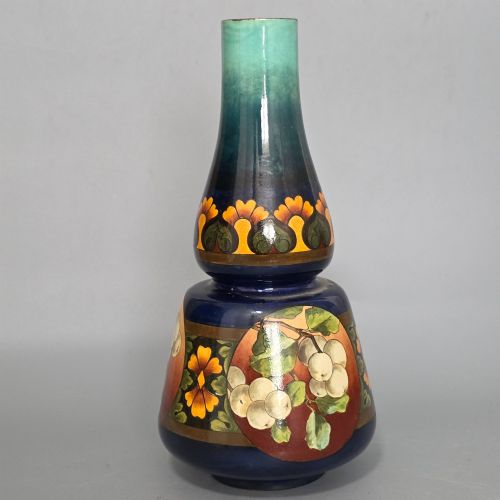
The selection on this page spans several distinct eras, drawing heavily upon eighteenth-century Delftware, nineteenth-century Majolica and Faience, alongside early twentieth-century pottery. These pieces function as striking focal points in a room, combining practical storage with hand-painted artistry.
How They Were Made
Potters shaped these vessels from earthenware and terracotta before applying tin glaze, enamel, or standard glazes to the porous clay bodies. Artisans then hand-painted intricate designs directly onto the surface using pigments that often underwent high-temperature firing to vitrify the finish.
Selected examples incorporate additional ornamentation such as gold leaf applied to highlight specific motifs. The combination of throwing the clay on a wheel and hand-brushing pigments ensures that individual pots retain unique character.
Some antique apothecary jars were labelled for ingredients so foul they surely cured patients simply through the dread of taking another dose.
What Varies in Quality
The sophistication of the hand-painted brushwork dictates much of the distinction between standard vessels and exceptional examples. Finer pieces demonstrate precise control in botanical, figural, or Chinoiserie scenes, whereas simpler items rely on repetitive or coarser linework.
The clarity of the glaze and the preservation of delicate surface details, such as gilt highlights or tin-glazed finishes, further separate mass-produced wares from master-painted studio or factory pieces.
Fourmaintraux-Courquin·Alice Euphemia Thatcher·Kizan·Shuzan·Tokyo Taizan·Gallilleo Chini
The Painted Earthenware Jar Glossary
- Albarello
- A type of majolica pharmacy jar designed to hold dry drugs or ointments. These tall, waistless or slightly waisted vessels originated in the Middle East and became popular across Italy.
- Delftware
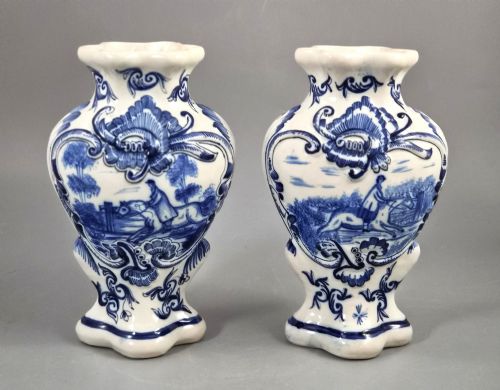
- Tin-glazed earthenware made in the Netherlands, particularly associated with blue and white palettes mimicking Chinese porcelain. It frequently depicts floral, bird, or landscape motifs.
- Majolica
- Heavy earthenware coated with an opaque tin-lead glaze and brightly painted with metal oxide colours. Italian examples from the Renaissance onwards are particularly renowned.
- Satsuma
- Japanese earthenware pottery characterised by a fine crackle glaze decorated with polychrome enamels and gold. It was heavily produced for export during the Meiji period.
Painted Earthenware Jar: Frequently Asked Questions
What are painted earthenware jars used for?
These vessels historically served practical functions in apothecaries, domestic kitchens, and tearooms, holding dry drugs, tobacco, tea leaves, or liquids.
Today, collectors use them primarily as decorative focal points, mantelpiece ornaments, or converted lamp bases.
How do I clean a painted earthenware jar?
Dust these delicate ceramic surfaces gently with a dry, soft-bristled brush or a microfiber cloth to prevent accumulating grime.
Avoid immersing old earthenware in water or using harsh chemical cleaners, as moisture can penetrate porous terracotta and damage brittle tin glazes or gold leaf.
How can I tell Delftware from Majolica?
Dutch Delftware typically showcases blue and white tin-glazed earthenware inspired by Chinese porcelain, often featuring floral or maritime scenes.
Italian and Victorian Majolica tends to display a thicker, highly colourful palette of opaque glazes with rich pictorial or heraldic designs.
Are these jars waterproof?
Many older earthenware and terracotta vessels feature porous clay bodies that were designed for dry goods like tea or medicinal herbs rather than holding water.
If you plan to use a vintage jar for fresh flowers, insert a discreet glass or plastic vial inside to protect the historic ceramic from moisture.