
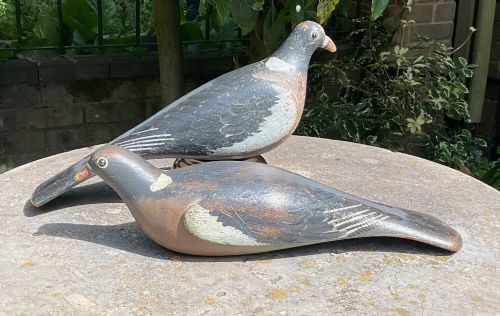
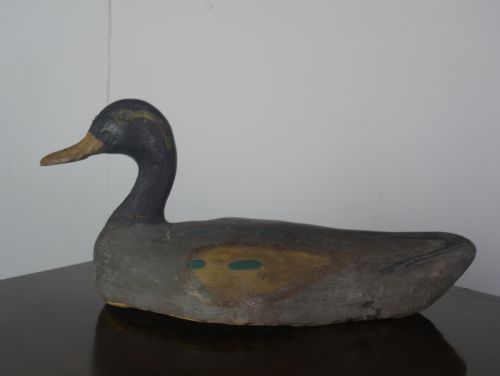


Painted Decoy Sculpture
A painted decoy sculpture brings centuries of working ornithology into the room, cast in carved timber and layered pigment.
Painted Decoy Sculpture
When you search for painted decoy sculpture, you examine working avian models originally deployed in the field to attract wild fowl. The selection on this page centres on carved wood examples spanning the nineteenth century through the nineteen-thirties, embodying traditional folk art and country craft.
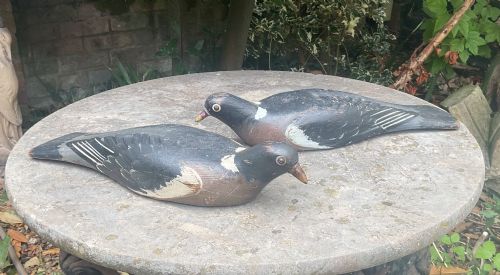
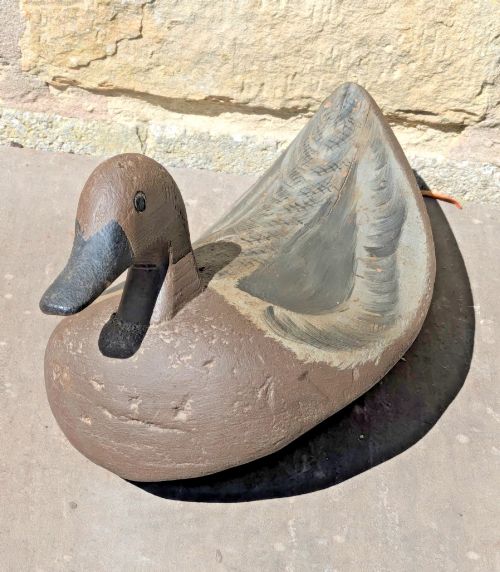
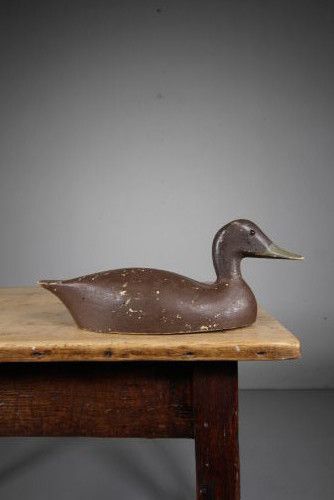
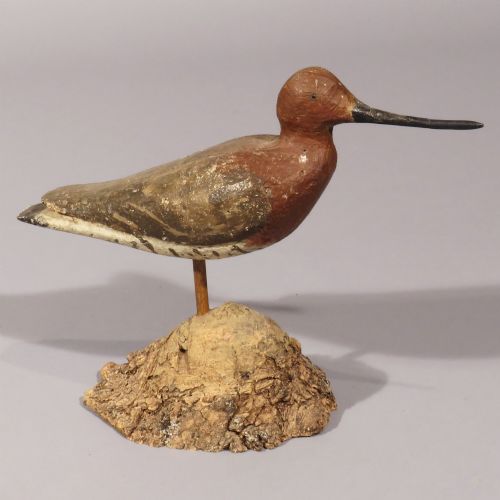
Most items you meet here take the familiar form of the decoy duck, alongside pigeons, doves, geese, and waders such as the black-tailed godwit or the American loon with its chick. Makers also produced utilitarian scarecrows like the owl bird scarer, all executed within English and continental vernacular traditions.
The objects reflect distinct periods including the Edwardian era and the nineteen-twenties, presenting surfaces weathered by active employment. Collectors encounter pairs and single figures shaped from timber blocks and surfaced with hand-applied oil or lead-based pigment.
How they were made
Carvers shaped these figures predominantly from solid blocks of timber, utilising woods such as pine and indigenous hardwoods to achieve buoyant or weighted forms. Tool marks from drawknives, gouges, and adzes remain visible across the body, revealing the primary shaping process before smoothing.
Artisans applied coats of paint directly to the carved wood or over thin layers of gesso to seal the grain and render the decoy weather-resistant. Brushwork combined flat base tones with feather-patterned dry-brushing, often incorporating inset glass eyes to heighten the lifelike appearance in marshland settings.
Object forms span ducks, pigeons, geese, loons with chicks, and dovecootes, reflecting diverse nineteenth-century and early twentieth-century sporting needs.
What varies in quality
The artistic merit of a painted decoy sculpture rests upon the naturalism of the silhouette and the boldness of the sculptural carving. Pieces exhibiting expressive posture, confident bill definition, and volumetric weight stand apart from rigid, mechanical production.
Surface preservation dictates the visual character of each example, where untouched original pigment with honest patination commands greater appreciation than overpainted restorations. The interplay between worn layers of paint and exposed timber reveals the historical depth of the piece.
The Painted Decoy Sculpture Glossary
- Decoy
- A carved and painted representation of a bird, originally used by hunters to lure waterfowl or game within range. These objects now survive as sought-after examples of vernacular sculpture.
- Folk art
- Utilitarian items made by self-taught or traditional craftspeople outside academic artistic circles. In this category, it describes working decoys imbued with vernacular aesthetic charm.
- Gesso
- A plaster-like preparation mixture applied to a wooden surface to act as a smooth base for painting. It provides a stable ground for the outer layers of pigment.
- Dovecote
- A structure or shelter for domesticated pigeons, influencing the creation of specialised pigeon decoys. These figures served functional roles in country house estates.
Painted Decoy Sculpture: Frequently Asked Questions
What is a painted decoy sculpture?
A painted decoy sculpture is a functional wooden bird model carved and painted by hand to attract wild fowl during shoots. Over time, these working objects transitioned from marshes and estates into interior display pieces prized for their sculptural simplicity.
Craftsmen shaped them from timber, finishing the surfaces with durable paint layers and sometimes glass eyes to mimic live birds. They represent a direct intersection of utilitarian field sports and traditional folk art.
How were decoy sculptures used?
Hunters placed decoys on water or marshbanks to draw passing flocks within shooting range by creating a convincing illusion of resting birds. They endured wet conditions, leading to the characteristic weathered surfaces seen on surviving examples today.
Beyond waterfowl, makers fashioned specialised forms like owl bird scarers to deter pests from crops or gardens. Each piece fulfilled an active role in rural economy and estate management before entering private collections.
How do I live with a decoy?
Displaying a decoy requires stable indoor humidity away from direct sunlight to preserve the integrity of aged wood and original paint layers. Placing them on shelves, tables, or mantelpieces allows the silhouette and tactile surface to be appreciated from multiple angles.
They pair naturally with rustic interiors, architectural elements, and traditional art collections. Their neutral tones and organic forms integrate smoothly into both contemporary and historic rooms.
How do I date an antique decoy?
Dating relies on examining the tool marks left by the maker, the wood species, and the chemical composition of the paint layers. Nineteenth-century examples often display hand-hewn adze work and dense timber weights, while Edwardian and later pieces show shifts in production methods.
Stylistic conventions also guide attribution, as specific regions and periods favoured distinct bird species and painting techniques. Comparing construction details with documented examples helps establish the likely era of manufacture.