
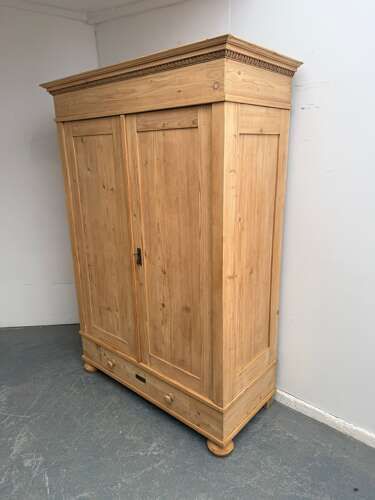
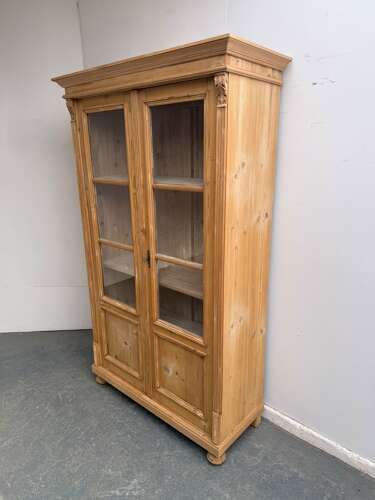
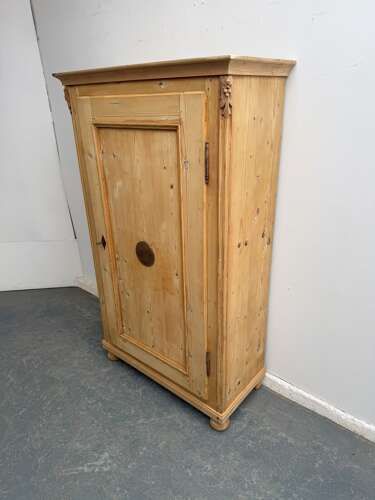
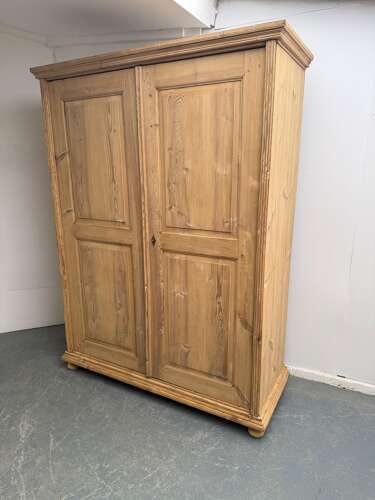
Painted Cupboard Doors
These painted cupboard doors offer a direct way to bring historical colour and texture into modern interiors through repurposed timber.
Painted Cupboard Doors
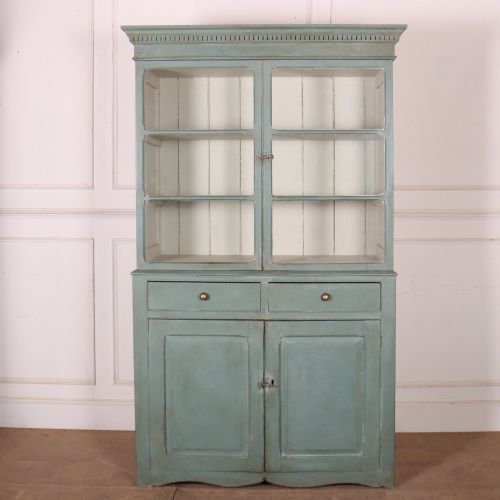
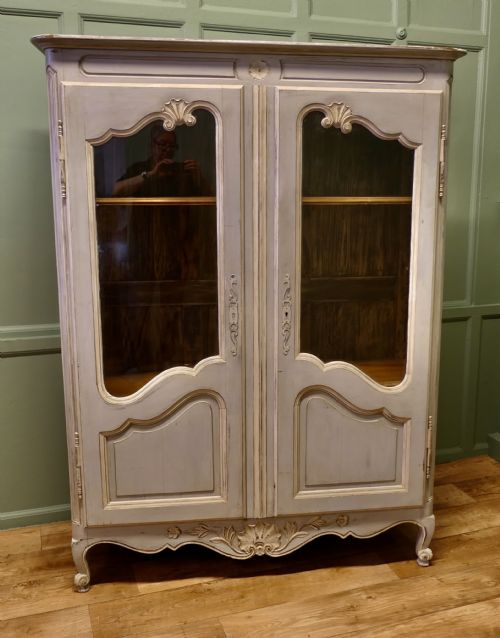
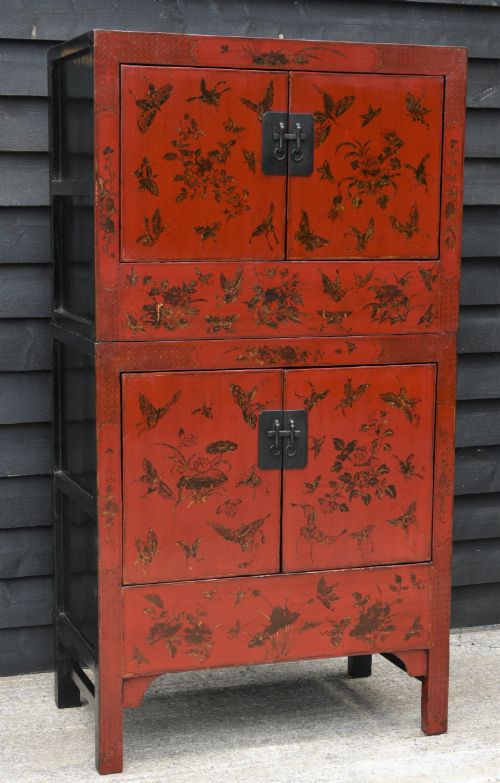
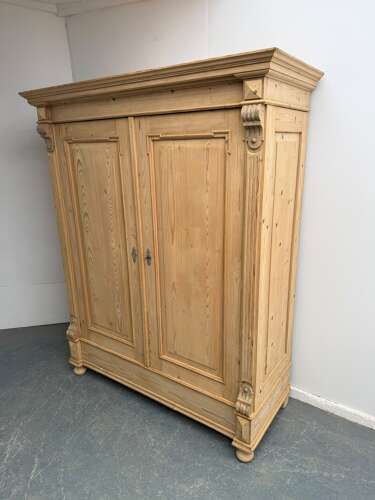
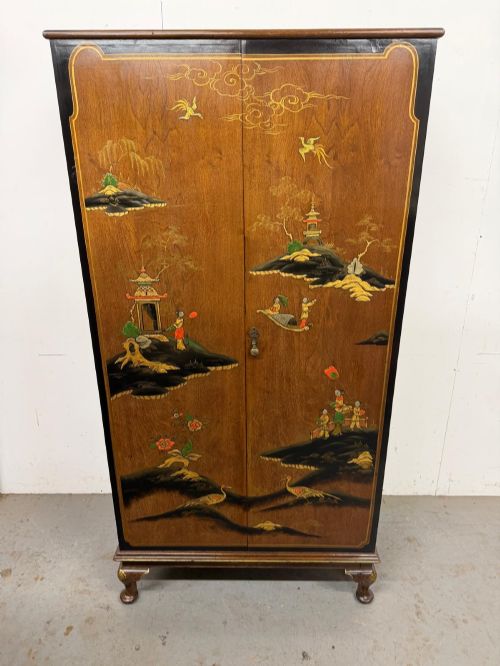
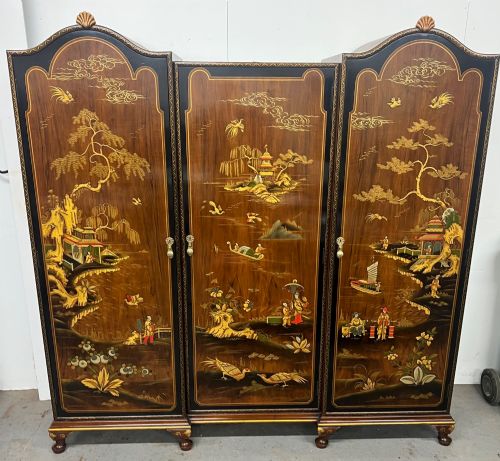
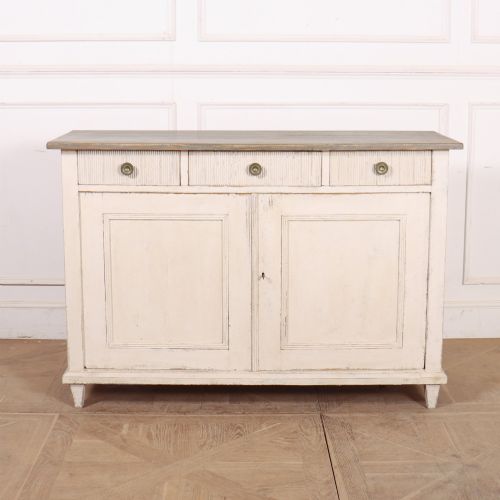
When you search for painted cupboard doors, you are looking at architectural elements and cabinet panels drawn from periods ranging from the Georgian era through the Victorian period and into the early twentieth century. The selection spans utilitarian pine kitchen cupboards, housekeepers' cupboards, and larger wardrobes, alongside more decorative French provincial, Dutch, and Chinoiserie lacquered pieces.
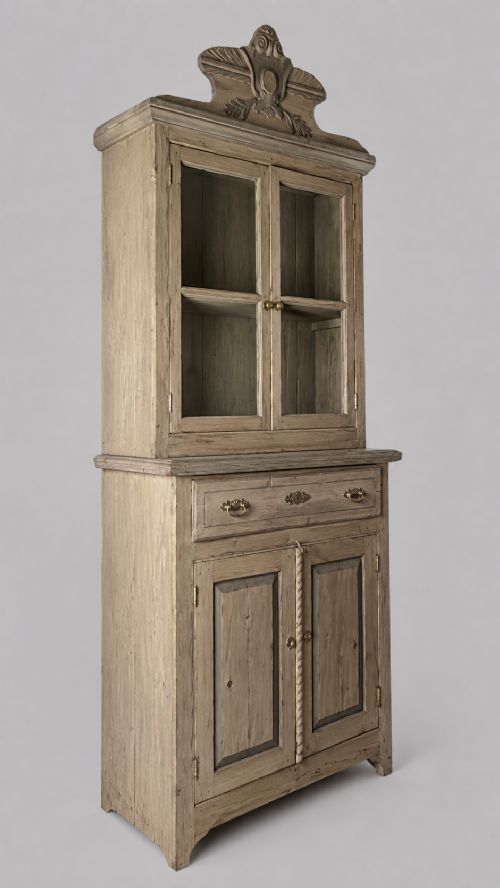
You are most likely to meet pine pieces from the nineteenth century, often stripped down or presented in their working layers of historic paint, scumble, and wax. These originate from domestic and institutional settings like chapels, country houses, and farm kitchens across England, Scotland, and the wider continent.
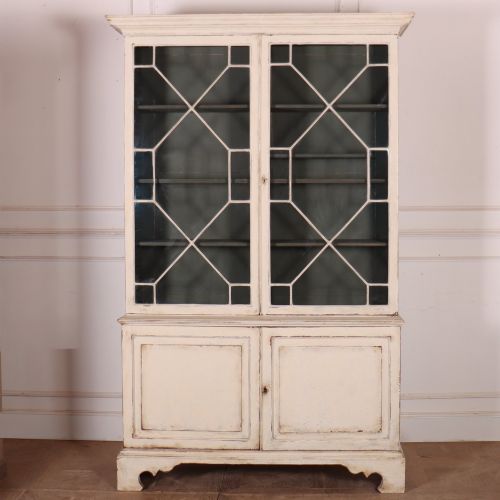
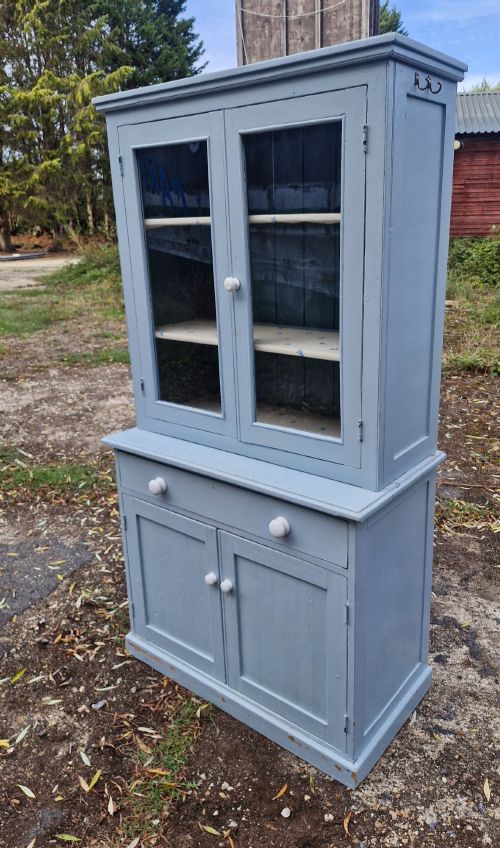
The category encompasses both standalone panels salvaged from larger furniture and doors attached to functional storage forms like linen presses, vitrines, and dresser bases. Their surfaces carry the physical evidence of decades of domestic use, successive coats of paint, and regional joinery traditions.
How they were made
The foundation of these pieces relies heavily on solid pine, oak, and structural wood assembled with traditional joinery such as mortise and tenon frames. Iron and brass hardware, including hinges, latches, and locks, secure the structure while glass panels feature in glazed bookcase and cabinet doors.
Surface preparation involved layers of lead-based or oil paints, scumble glazes used to imitate finer timbers like oak, and delicate Oriental lacquer work seen on Chinoiserie pieces. Artisans applied these finishes by hand, building up deep pigment layers that aged and craquelured organically over generations of exposure.
Listings feature pine, iron, brass, glass, and painted wood across Victorian, Georgian, and twentieth-century periods.
What varies in quality
The distinction between ordinary utility items and finer examples lies in the integrity of the original surface finish and the preservation of authentic paint layers rather than modern repainting. Pieces retaining untouched scumble work, original Chinoiserie outdoor scenes, or genuine regional pigments hold significantly more character than those stripped and coated afresh.
Structural joinery and timber selection also set the scale of quality, where well-seasoned pine panels, tightly fitted stiles and rails, and surviving period ironmongery distinguish a master-built regional piece from basic utility furniture.
Maples & Co.
The Painted Cupboard Doors Glossary
- Scumble
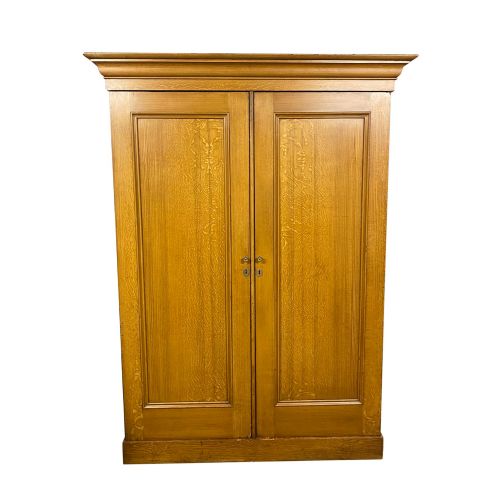
- A translucent layer of dark oil paint dragged or combed over a lighter base colour to imitate the grain of figured timber like oak. This technique was widely utilised on nineteenth-century compactum wardrobes and functional storage.
- Chinoiserie
- European decorative style employing Chinese artistic motifs, frequently executed in lacquer with hand-painted outdoor scenes and figures. It appears on tall cabinets and marriage chests from the late nineteenth and early twentieth centuries.
- Linen Press
- A tall storage cupboard originally designed for storing folded linens, typically featuring upper cabinet doors above a base fitted with drawers. Many examples survive in waxed or painted pine.
- Vitrine
- A glass-fronted display cabinet or bookcase designed for showing ceramics or books. These pieces often feature delicate astragal glazing bars across the doors.
- Breakfront
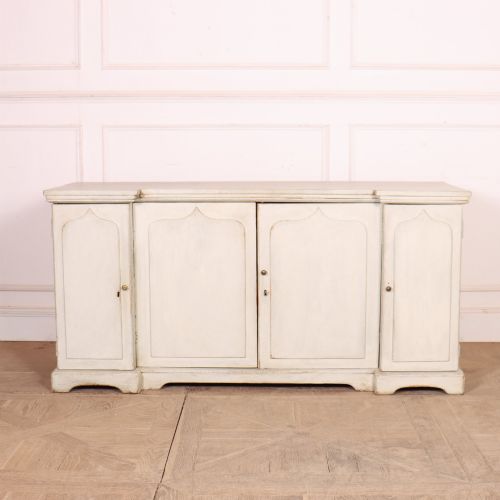
- A large piece of furniture featuring a central section that projects forward from the flanking wings. This architectural arrangement creates depth and visual balance on larger dressers and bookcases.
Painted Cupboard Doors: Frequently Asked Questions
What periods do these pieces come from?
The available selection spans from the eighteenth-century Georgian period through the Victorian era and into the early twentieth century. Most items date from the nineteenth century, reflecting regional British and continental cabinet-making traditions.
Dates are determined by construction methods, timber choice, and the evolution of hardware styles. Pieces range from simple utilitarian country pine to decorative imported lacquer work.
How were these painted finishes applied?
Surfaces were finished by hand using traditional oil paints, lead-based colours, and decorative scumble glazes designed to mimic richer woods. Skilled artisans also applied intricate lacquer and painted scenes, particularly on Chinoiserie pieces.
Over decades, these finishes accumulated wear, resulting in the patination and craquelure that define antique painted surfaces today.
How do I care for antique painted wood?
Protect the surfaces by keeping them away from direct sunlight and fluctuating heat sources that can dry out the timber and crack the paint. Dust gently with a dry, soft cloth and avoid modern chemical cleaners.
Wax finishes benefit from occasional natural beeswax buffing, while historic painted surfaces should be left undisturbed to preserve their original character.
What is the difference between pine and hardwood pieces?
Pine was the primary timber for utilitarian and regional country furniture, prized for its workability and availability in domestic settings. Hardwoods and exotic veneers were reserved for formal reception rooms and high-status decorative cabinets.
Pine items often received coats of paint or scumble to elevate their appearance in modest households, creating the textured surfaces found on these cupboards and wardrobes.