


Painted Coffee Table
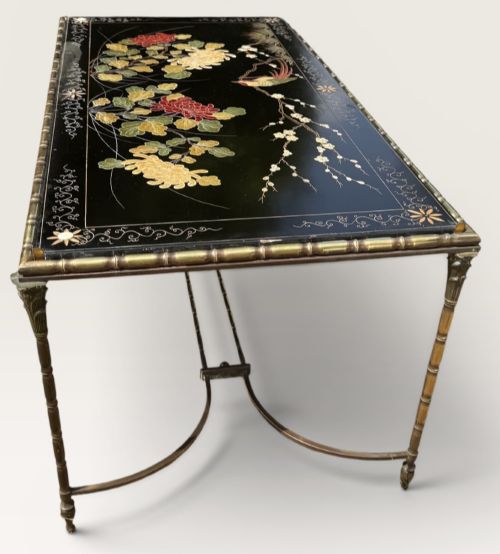
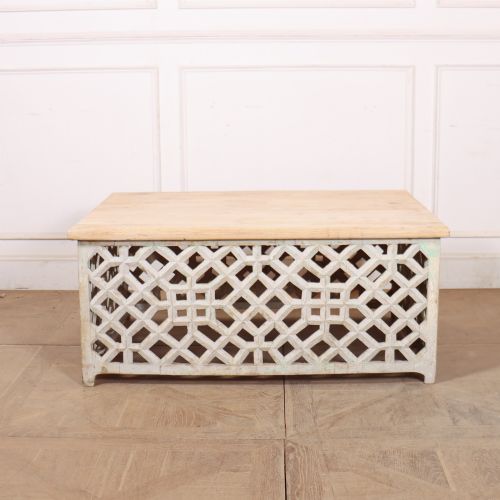
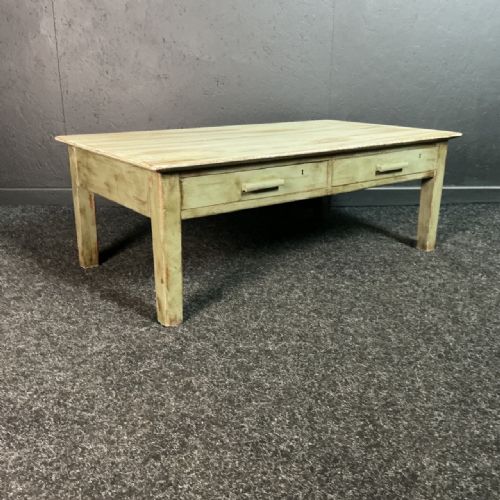
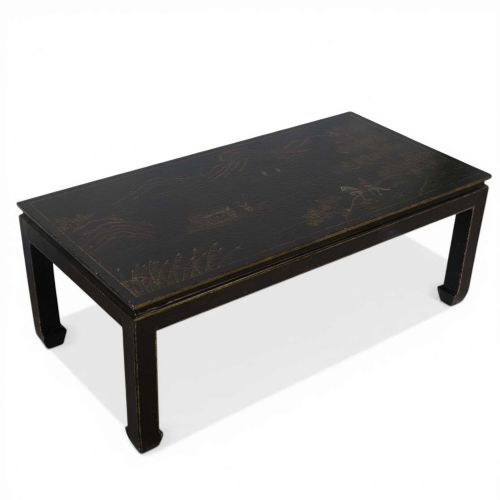
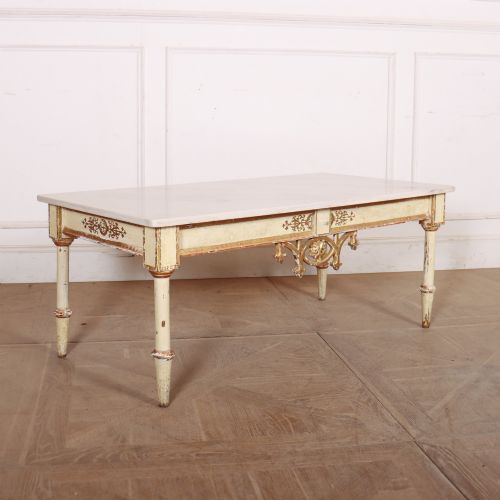
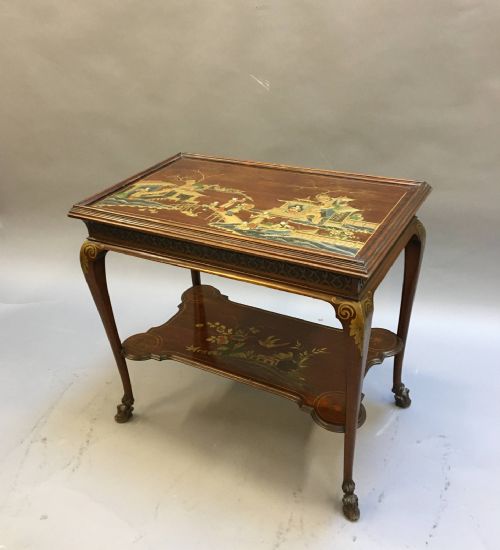
A painted coffee table brings surface pattern and hand-applied colour into a room, spanning styles from Chinoiserie lacquers to rustic oak.
Painted Coffee Table
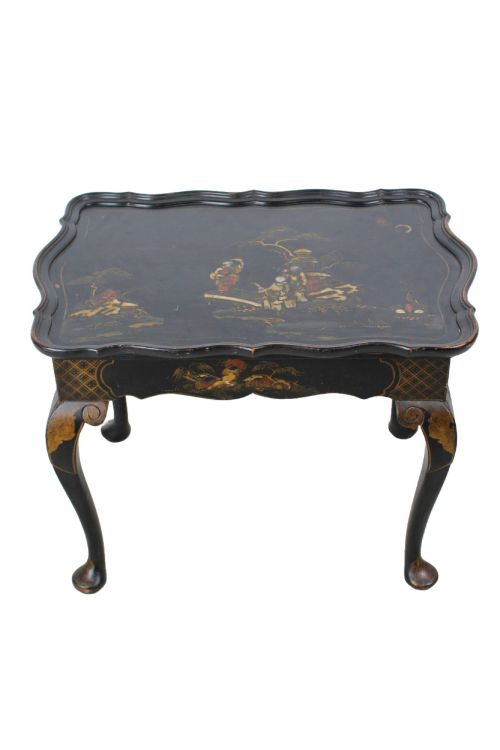
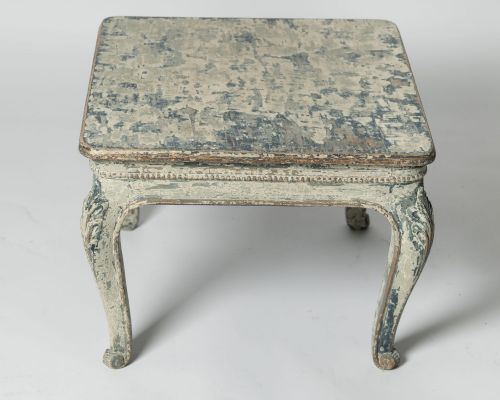
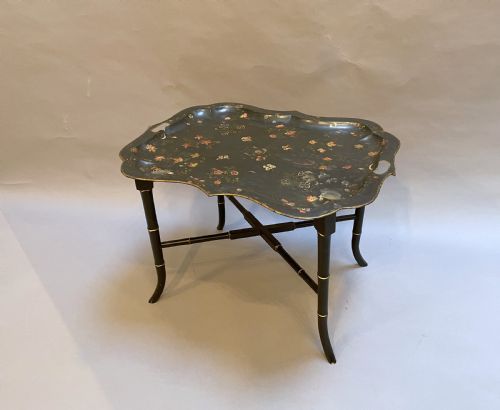
A painted coffee table brings together diverse traditions, ranging from English and European country pine to elaborate Chinoiserie and Japanned surfaces. When searching this phrase, buyers encounter everything from converted serving trays on stands to low occasional tables and nests.
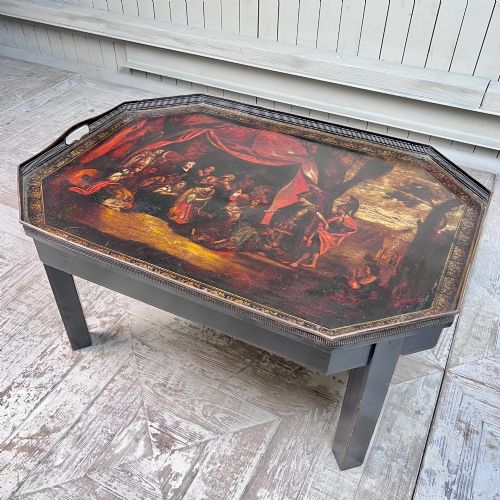
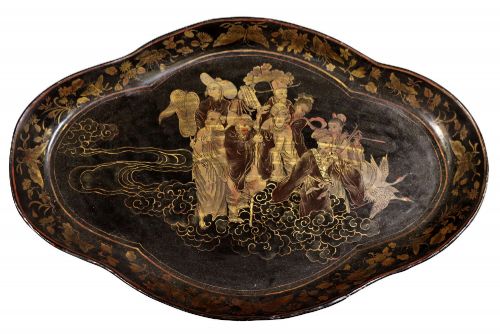
The pieces span the nineteenth and early twentieth centuries, drawing on Edwardian, Regency, Victorian, and Georgian stylistic influences. Many forms originate as other household items, such as papier-mâché or tole trays mounted onto later bases to serve as low tables.
How they were made
Construction relies on solid timbers like oak, pine, and hardwood, alongside specialised surfaces built from lacquer, papier-mâché, and toleware. Artisans applied layers of paint, often enhanced with gold leaf, gilt, or stenciled details to create decorative scenes.
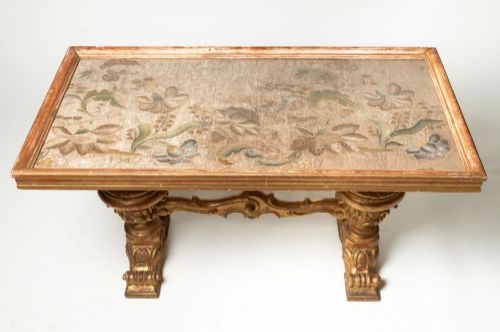
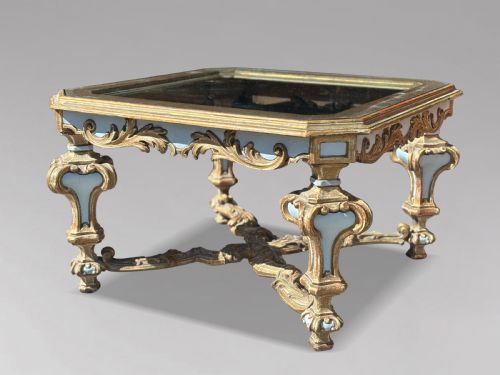
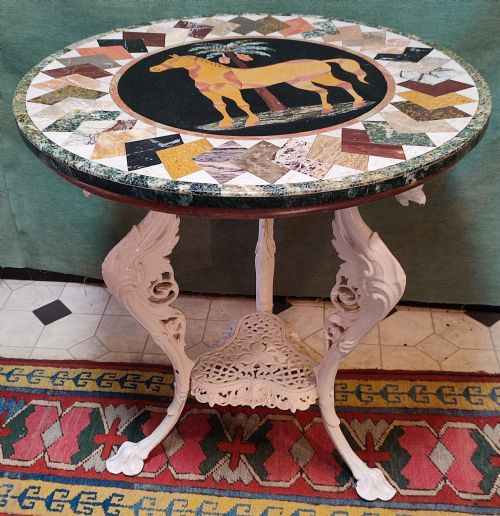
Many tables incorporate imported elements, utilising Asian lacquered panels or Italian porcelain mounts set into wooden frames. Stands and bases were either carved from matching timber or adapted from existing furniture and trays.
Some tables began life carrying tea before retiring to hold magazines.
What varies in quality
Quality rests upon the execution of the decorative surface and the integration of the top with its base. Finer examples feature intricate hand-painted figurative scenes, crisp gilding, and original lacquer work rather than simple later stencilling.
The structural integrity of the base and the authenticity of the pairing between tray tops and nineteenth-century stands dictate the standing of the piece. Superior craftsmanship shows in the depth of the painted layers and the preservation of the original decorative scheme.
Jennens & Bettridge·Maison Bagues·Harrods
The Painted Coffee Table Glossary
- Chinoiserie
- European decorative style imitating Chinese artistic traditions, featuring hand-painted landscapes, figures, and gilt motifs on lacquered surfaces.
- Toleware
- Enamelled or lacquered metalware, frequently formed into trays and decorated with painted scenes before conversion into table tops.
- Papier-mâché
- Composite material made from paper pulp or layers of paper bound with glue, pressed into moulds, and lacquered to create sturdy, decorated trays.
- Japanning
- European imitation of Japanese and East Asian lacquerwork, built up through successive layers of varnish and heat-curing.
- Giltwood
- Wood that has been treated with a thin layer of gold leaf or gilt paint to create a metallic, reflective finish.
Painted Coffee Table: Frequently Asked Questions
What is a tray top coffee table?
A tray top coffee table utilises a removable or fixed serving tray as its upper surface, often featuring raised edges to contain items. These trays are frequently set onto custom wooden stands to create functional low tables.
Historically, many of these trays date to the nineteenth century and were originally intended for tea service before being adapted into coffee tables.
Are painted coffee tables original?
Originality varies considerably, particularly because many nineteenth-century papier-mâché and tole trays were mounted onto later stands during the twentieth century. Examining the construction underneath helps determine whether the base and top share the same period.
Pieces bearing maker signatures or documented finishes tend to retain their original configuration from manufacture.
What is Japanned furniture?
Japanning is a European technique developed to emulate East Asian lacquerware through layered varnishes, pigments, and metallic powders. Artisans built up dark backgrounds punctuated by raised gold or coloured figures depicting traditional scenes.
This finish appears frequently on early twentieth-century Chinoiserie occasional tables and nests.