

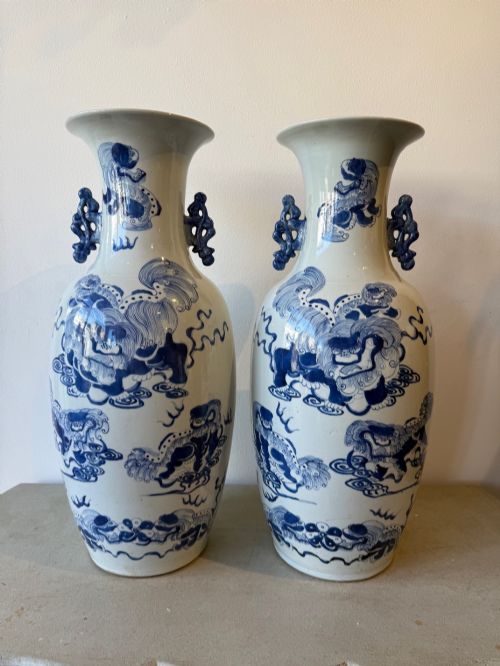
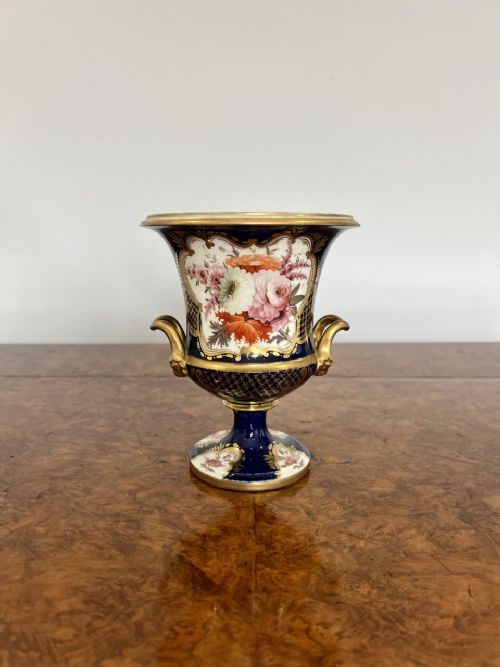
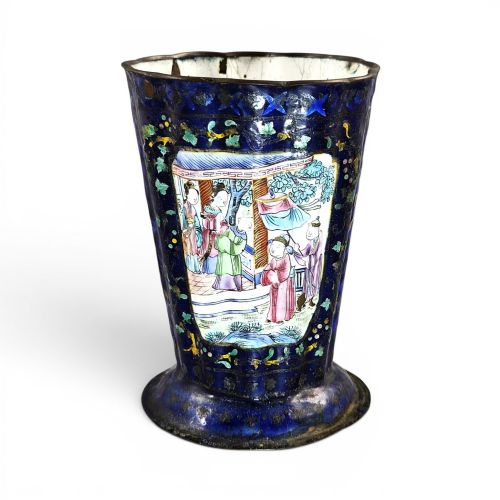
Painted Cobalt Blue Vase
When you search for a painted cobalt blue vase, you meet centuries of ceramic skill translated into deep blue glazes and hand-applied pigment.
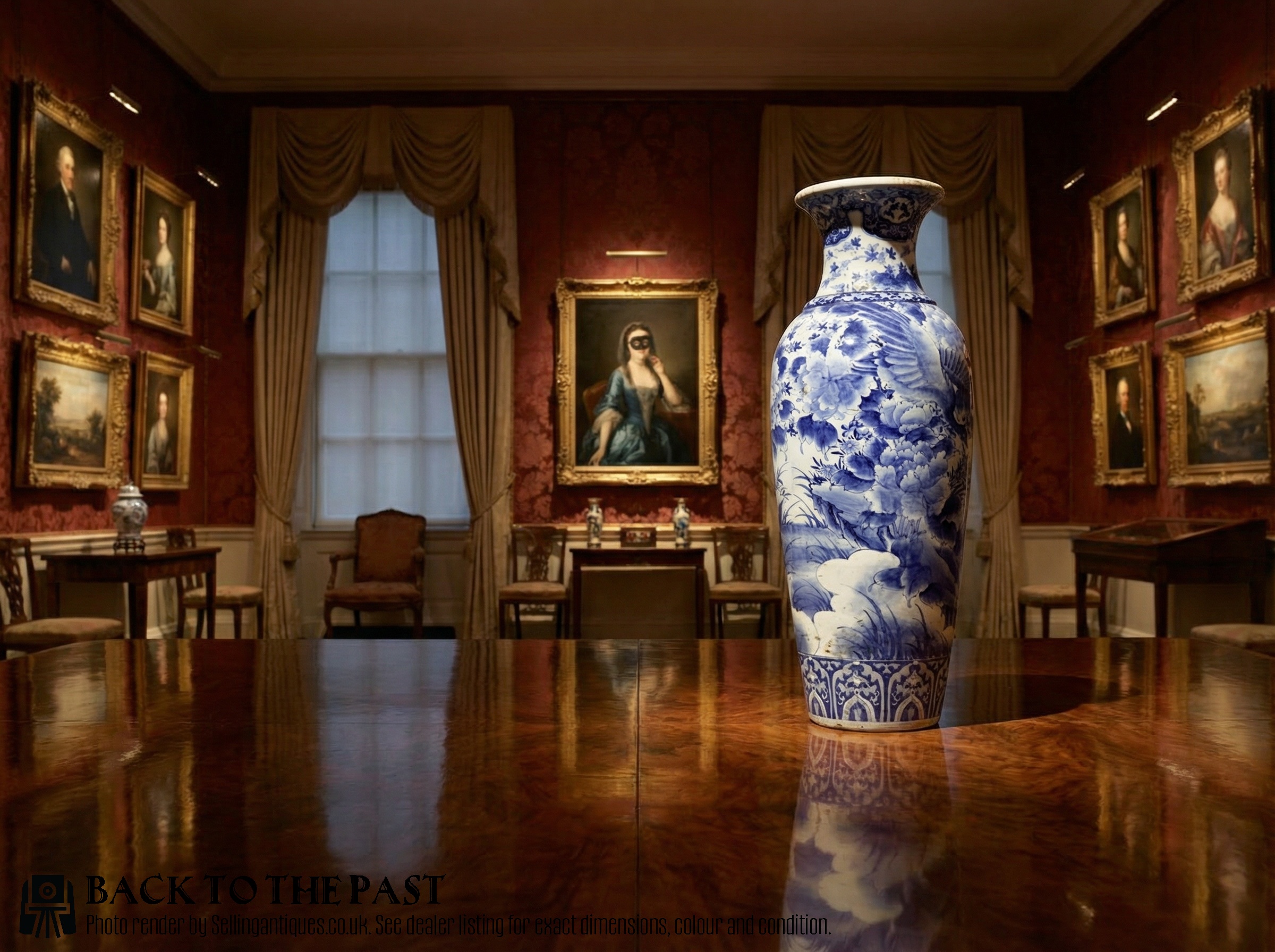
Painted Cobalt Blue Vase
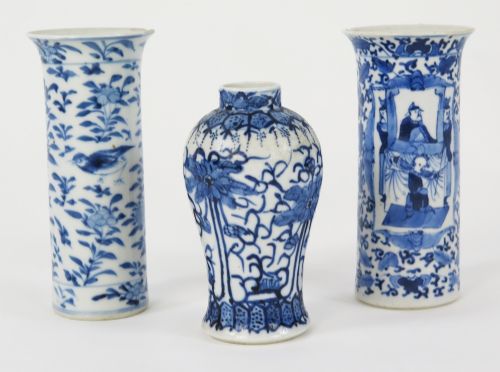
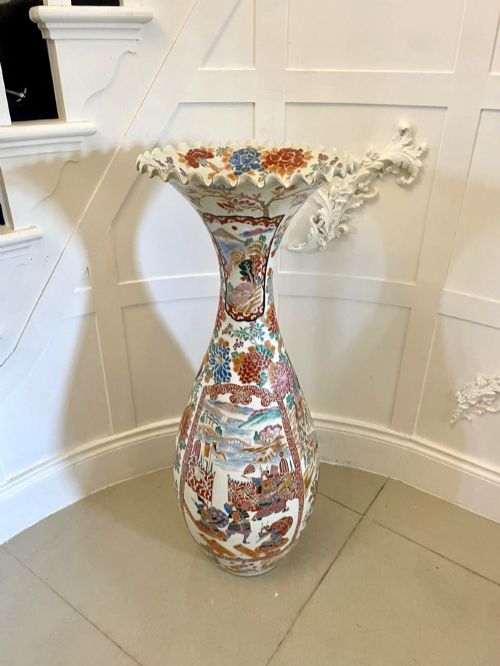
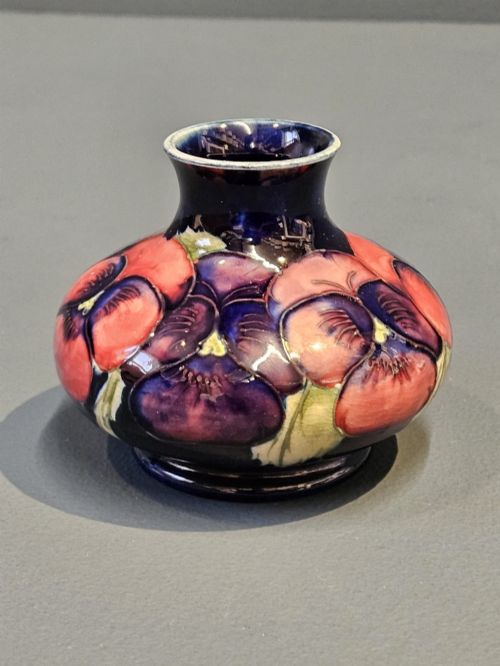
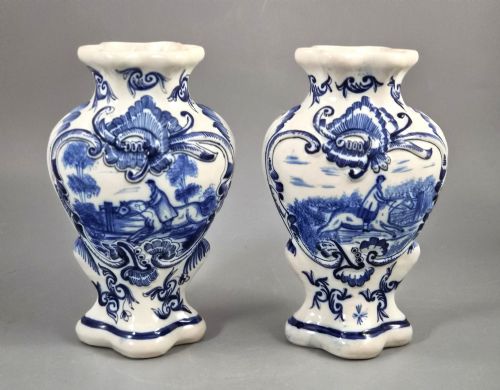
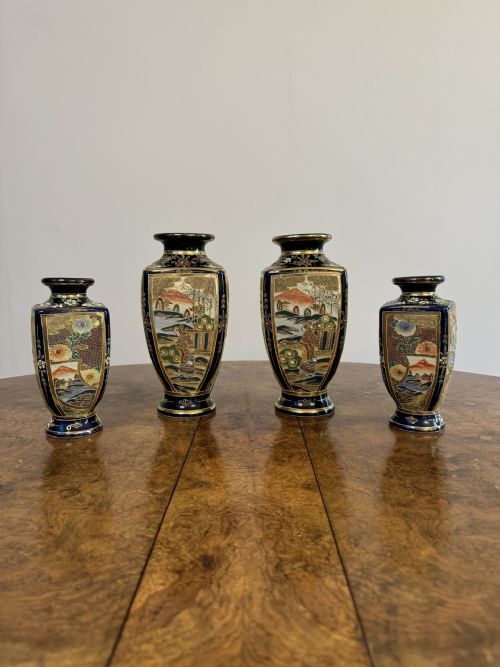
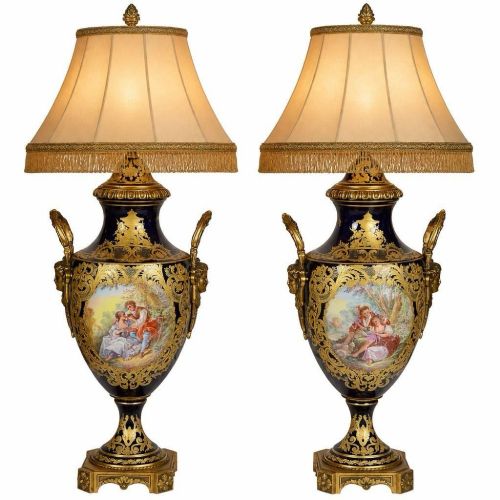
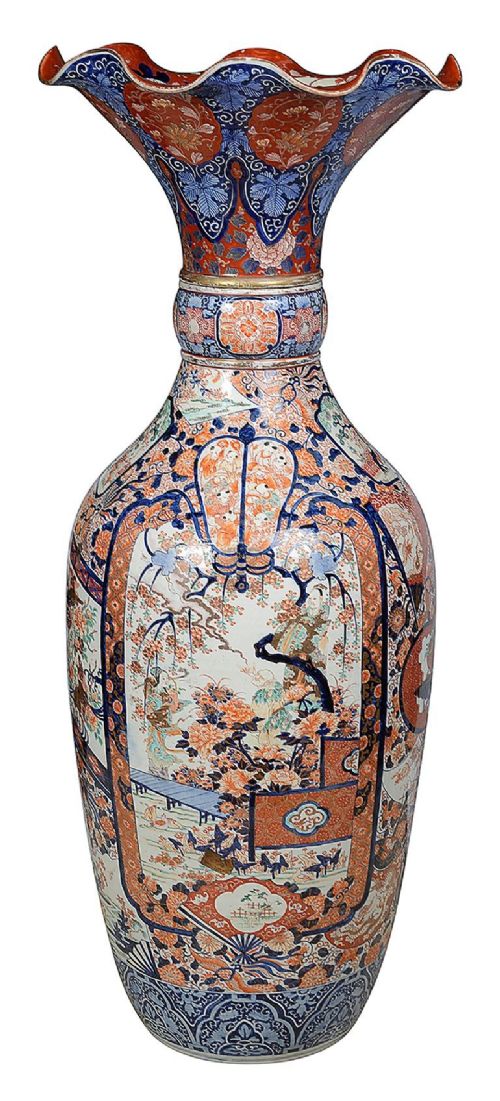
A painted cobalt blue vase brings together centuries of ceramic history, ranging from English porcelain to Japanese Imari and Chinese blue and white pieces.
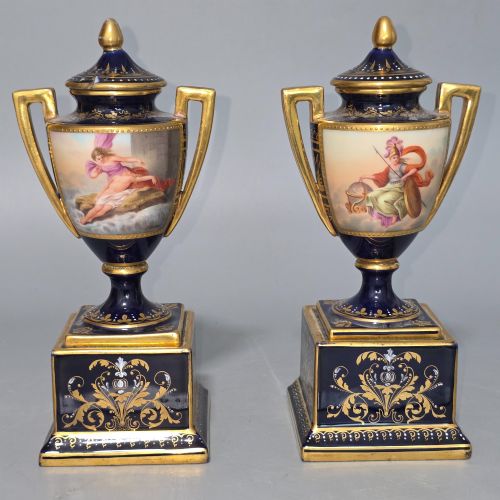
You encounter forms such as floor-standing vessels, ginger jars, campagna urns, and double-gourd shapes produced across the eighteenth, nineteenth, and early twentieth centuries.
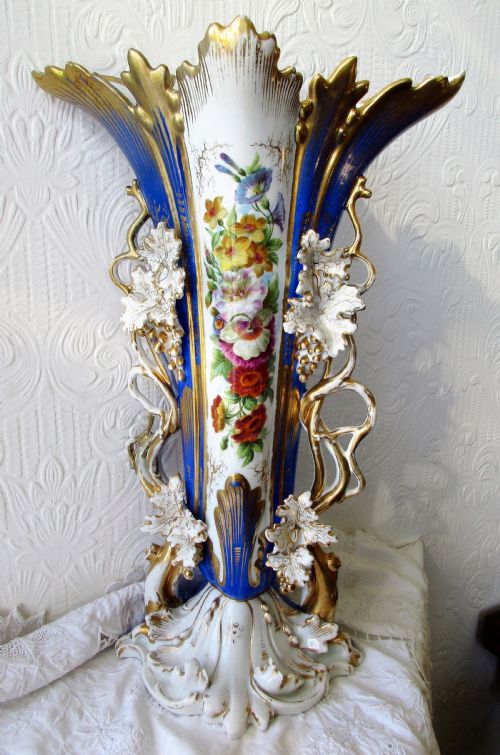
These objects served as decorative centrepieces in period rooms, utilising cobalt pigment either as a fluid underglaze or as a rich ground colour beneath enamels and gold leaf.
Materials and construction
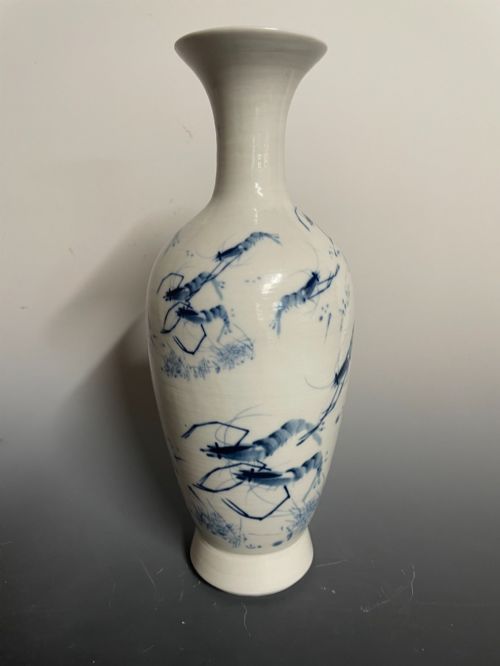
Potters applied cobalt oxide directly onto ceramic bodies before firing, allowing the mineral to fuse permanently beneath a clear glass glaze.
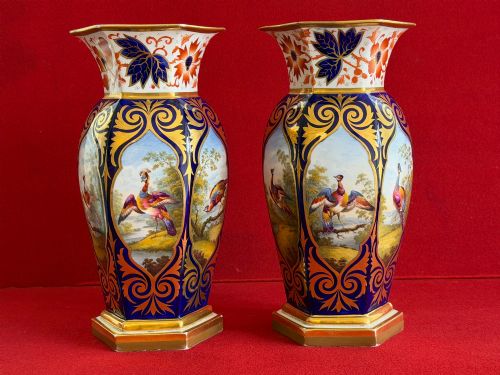
Many examples combine this cobalt ground with applied enamel colours, copper vessels, or gilded highlights that required secondary kiln firings to fix the metallic details.
Listings feature porcelain, earthenware, and copper vessels decorated with cobalt glaze, enamel, and gold leaf.
Evaluating the work
Quality rests upon the depth of the cobalt hue and the precision of the hand-painted brushwork across the ceramic body.
Superior examples display balanced proportions, crisp gilding, and careful control during the high-temperature firing of the blue pigment.
Flight Barr and Barr·Chamberlain Worcester·Royal Doulton·Coalport·Moorcroft·Samuel Alcock·Fourmaintraux-Courquin
The Painted Cobalt Blue Vase Glossary
- Cobalt Glaze
- A deep blue ceramic finish created by mixing cobalt oxide into the glaze or applying it beneath a transparent topcoat. This mineral withstands high kiln temperatures without losing its intense colour.
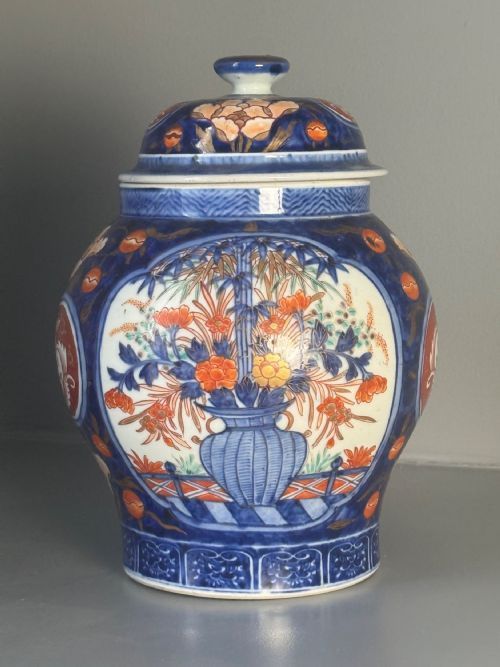
- Imari
- A Japanese style of porcelain decorated in underglaze blue, iron red, and gold. These pieces were widely exported to Europe during the nineteenth century.
- Gilt
- A thin layer of gold applied to the surface of porcelain or metal. It highlights handles, rims, and painted panel borders.
- Gourde Vase
- A vessel shaped like a double gourd, featuring a bulbous lower body and a smaller upper bulb. This form appears frequently in Chinese and Japanese ceramics.
- Campagna Urn
- A neoclassical vase shape modelled after ancient Roman marble kraters, featuring a flared body on a pedestal foot.
Painted Cobalt Blue Vase: Frequently Asked Questions
How do I identify a nineteenth-century piece?
Nineteenth-century vessels often display transfer-printed or hand-painted cobalt patterns combined with heavy Victorian or Regency forms.
Examining the foot ring, paste composition, and any maker marks helps narrow down the production decade.
Where were these vases displayed originally?
These decorative vessels occupied prominent positions on mantelpieces, sideboards, and pedestals in period drawing rooms.
Large floor-standing versions stood in grand hallways, while smaller covered urns functioned as garnitures on fireplace surrounds.
Are these pieces suitable for holding water?
While many antique ceramic and porcelain vases remain structurally sound, centuries-old glazes and historical repairs require careful consideration.
Using a discreet inner vessel protects fragile interiors from moisture and mineral deposits.
What is the difference between Chinese and Japanese styles here?
Chinese pieces often feature cobalt blue and white botanical or lotus motifs under the glaze. Japanese Imari and Satsuma wares frequently incorporate iron red and gold leaf alongside the blue pigment.
Both traditions produced distinct forms like ginger jars and double-gourd vases.