




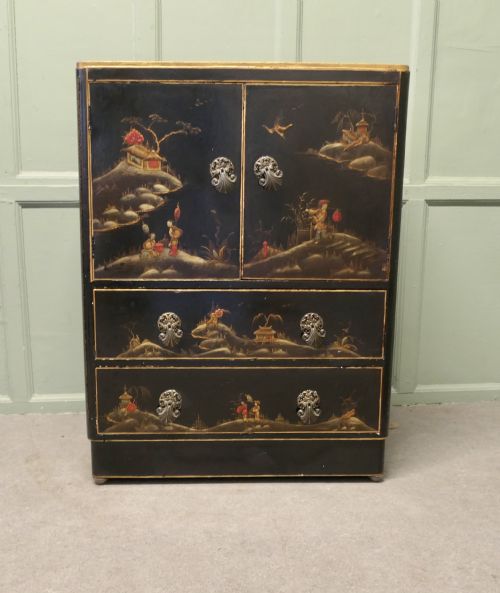
Painted Chinoiserie Furniture
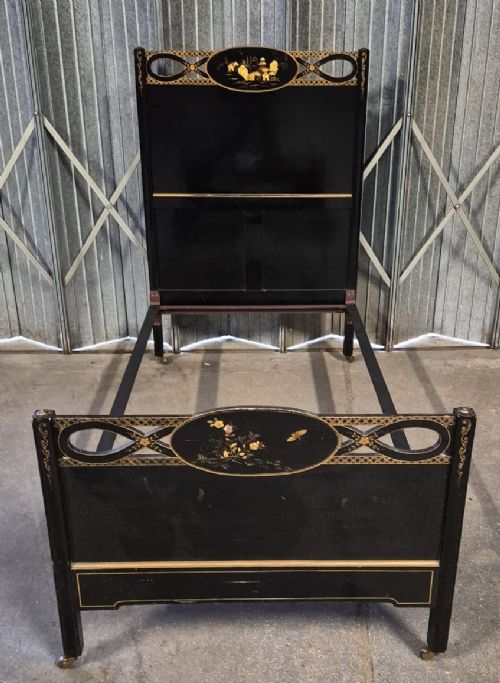
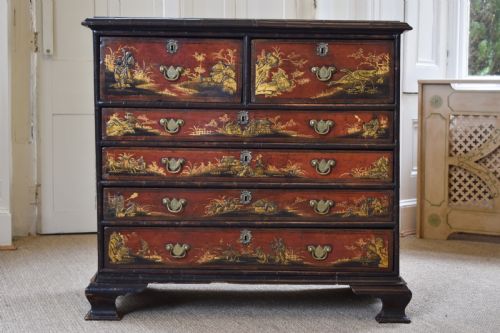
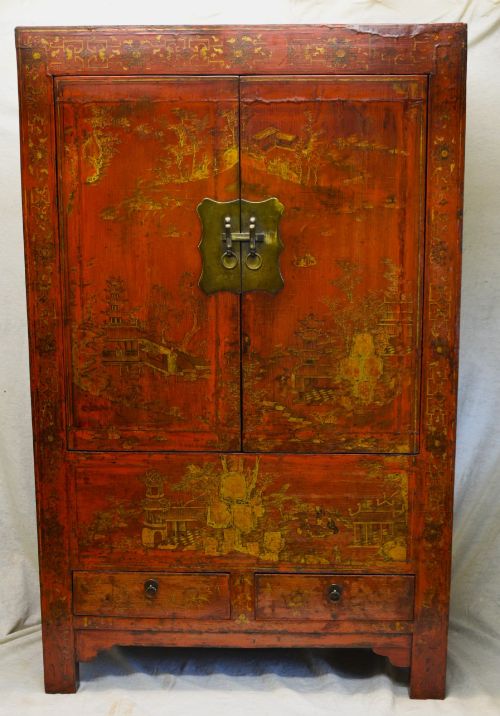
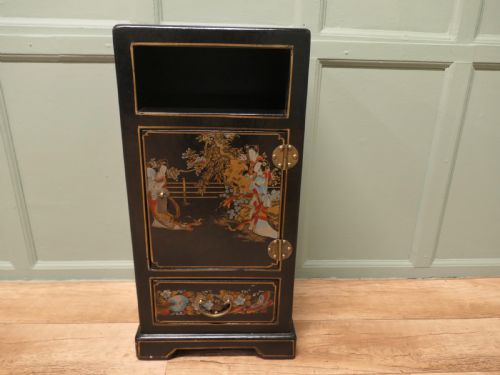
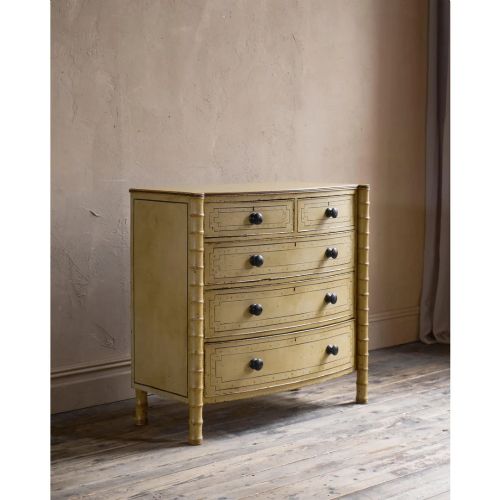
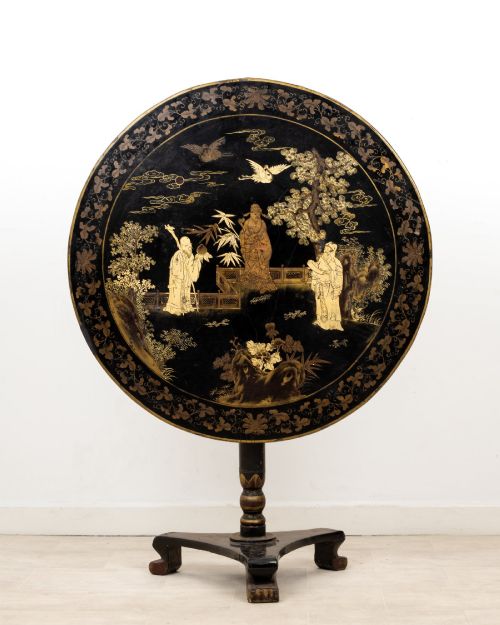
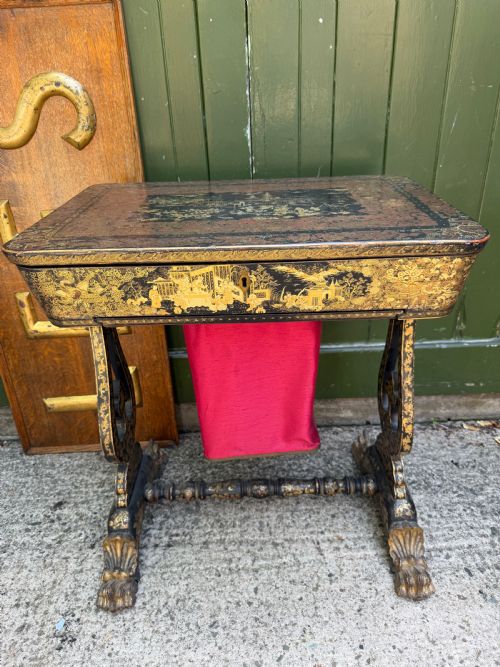
These painted chinoiserie furniture pieces bring hand-decorated motifs and oriental scenes straight into your interior.
Painted Chinoiserie Furniture
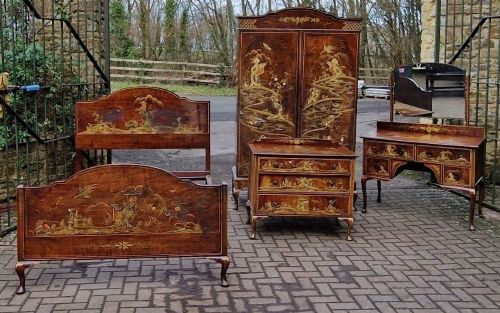
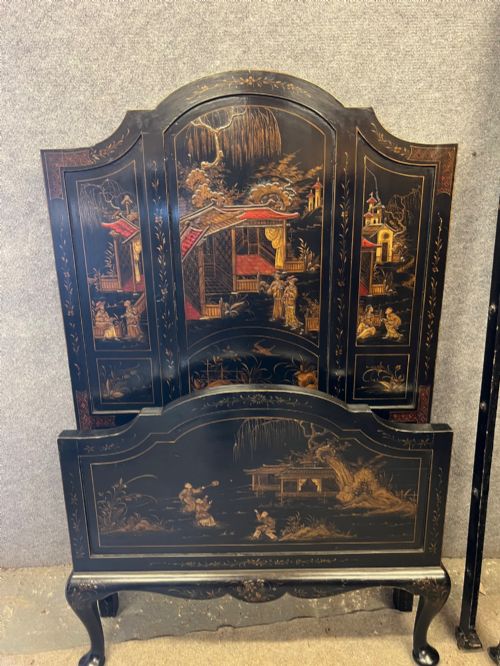
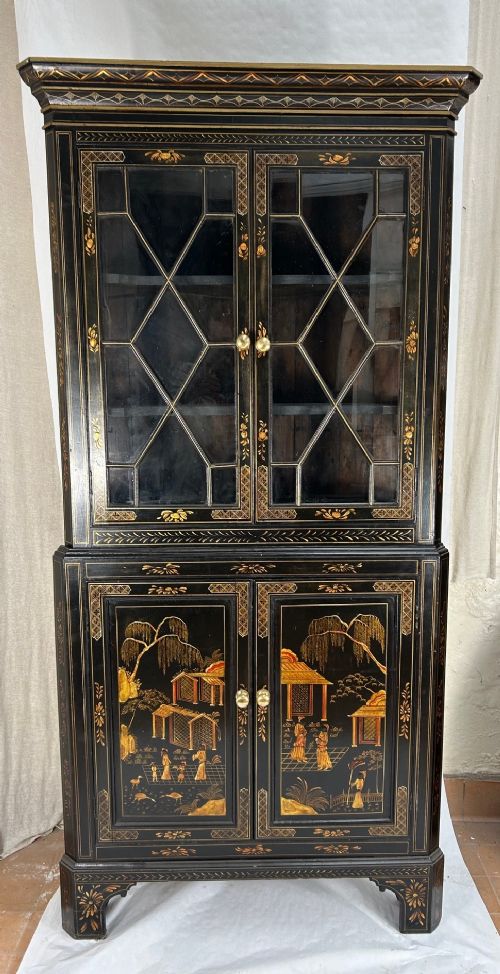
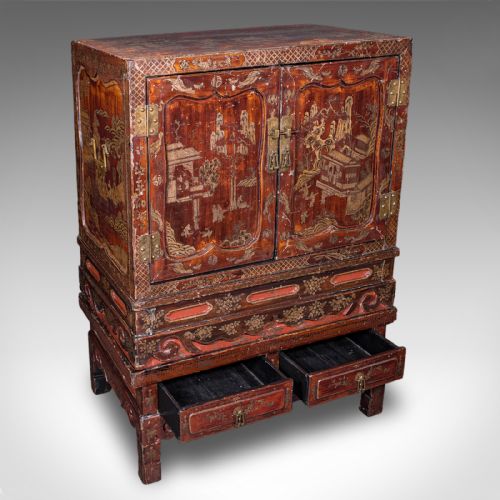
When you search for painted chinoiserie furniture, you encounter a distinct genre of decorative items spanning side tables, cabinets, chests of drawers, and corner cupboards. These pieces reflect stylistic revivals from the Victorian, Edwardian, and early twentieth-century periods alongside earlier 19th-century examples.
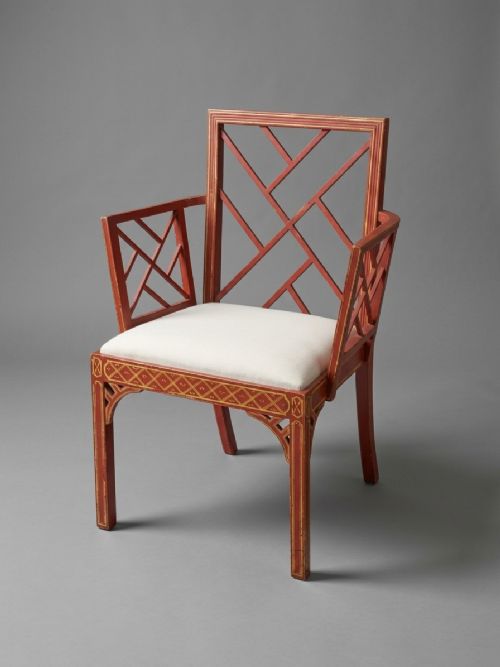
You will frequently find items ranging from occasional tables and card tables to larger bedroom suites and wedding cabinets. The selection includes specific British interpretations like Chinese Chippendale armchairs and Regency faux bamboo designs alongside direct Chinese export lacquer pieces.
The objects serve practical storage and display functions while introducing strong visual narratives through decorative surfaces. Common forms comprise side cabinets on stands, etageres, and compact bedside tables tailored for domestic spaces.
Materials and Technique
Wood carcasses form the structural basis, frequently combined with specialist surfaces utilising lacquer, paint, and gold leaf. Makers applied layered finishes to build deep black, red, or pale cream grounds before adding intricate ornamental details.
Gilded decoration and hand-painted motifs define the visual character, portraying traditional figures, birds, and floral arrangements. Brass hardware often complements the design, while auxiliary materials such as bamboo, papier-mâché, and marble appear on specific tray tables and wash or side stands.
Painted Chinoiserie Furniture Retail Price Guide 2026
Typical asking prices for painted chinoiserie furniture among the pieces listed under this phrase on Sellingantiques today, from the lower quarter to the upper quarter. They describe what is for sale here now, not the wider market.
The listings on this site span multiple decades from the 1800s through the 1930s, featuring woods, lacquer, and paint.
Assessing Quality
The standard of painted chinoiserie furniture rests primarily on the depth and execution of the surface decoration. Superior pieces display finely detailed hand-painted or pen-work imagery with crisp gilding that integrates harmoniously with the underlying lacquer ground.
Construction methods and timber selection also divide the range, separating sturdy hardwood carcasses and balanced proportions from simpler utilitarian builds. Original bases, intact stands, and well-preserved surface patination distinguish finer examples from later or heavily restored interpretations.
The Painted Chinoiserie Furniture Glossary
- Chinoiserie
- European decorative style imitating Chinese artistic traditions. It manifests through painted landscapes, figures, and pavilions.
- Japanned
- European imitation of East Asian lacquerwork. This technique uses heat-dried varnish layers finished with raised or flat painted designs.
- Etagere
- Open tiered shelving unit used for displaying decorative objects. These pieces often incorporate bamboo or turned wood supports.
- Cloisonne
- Enamelling technique using metal wire compartments soldered to a base. Artisans fill these cells with coloured paste before firing.
Painted Chinoiserie Furniture: Frequently Asked Questions
What is chinoiserie furniture?
Chinoiserie furniture comprises European and exported pieces decorated with imaginative interpretations of East Asian art. These items combine Western forms with hand-painted or lacquered oriental motifs.
Craftsmen utilised techniques like japanning and gilding to create ornate surfaces depicting landscapes, birds, and traditional figures.
How do I date these pieces?
Dating relies on examining structural timber, hardware, and the specific style of the painted decoration. Pieces from the nineteenth century often show different construction joints compared to Edwardian or 1920s revivals.
Stylistic cues such as faux bamboo framing or specific colour palettes like pale cream and tiger bamboo help narrow the production era.
Where should I place a cabinet?
Painted cabinets and corner cupboards work effectively in living rooms, hallways, or dining spaces as focal storage points. Their decorated surfaces allow them to stand out against plain walls or complement eclectic interiors.
Care should be taken to keep lacquer and painted wood away from direct sunlight and excessive temperature fluctuations.
Are bamboo items sturdy?
Bamboo and faux bamboo furniture offers reliable structural integrity when constructed with proper joinery and seasoned materials. 19th-century etageres and bedside tables utilised natural cane or turned wood to support everyday use.
Regular dusting with a soft cloth preserves the finish without damaging the delicate painted or lacquered details.