


Painted China Serving Dish
These painted china serving dish items span centuries of kiln craft, offering a functional centrepiece for the table.
Painted China Serving Dish
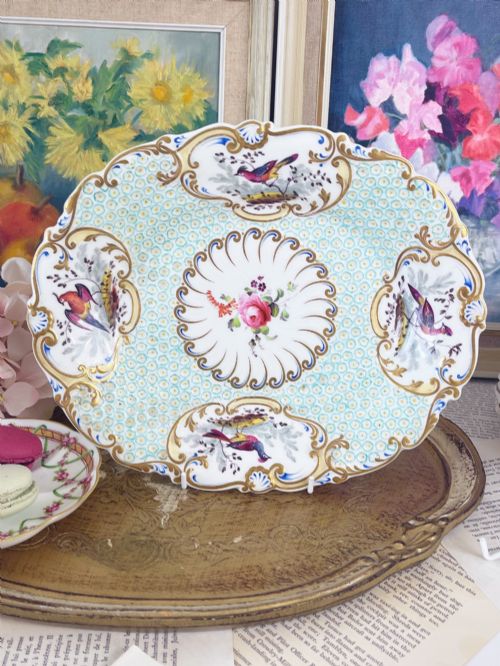
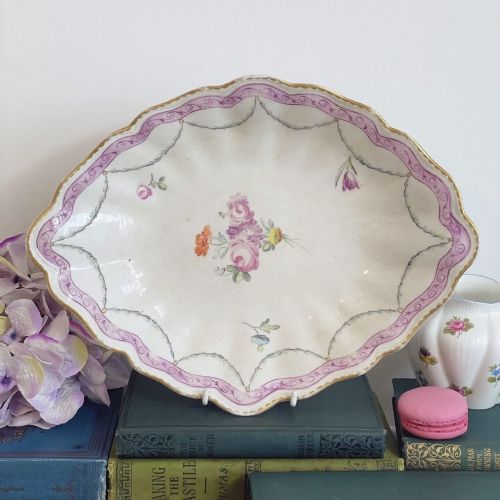
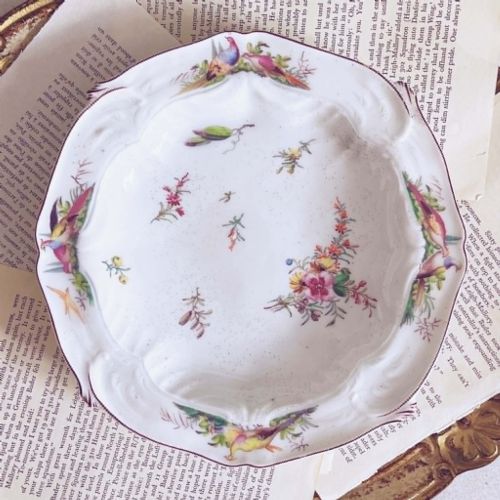
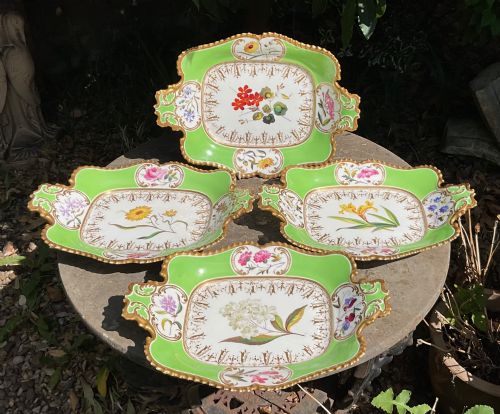
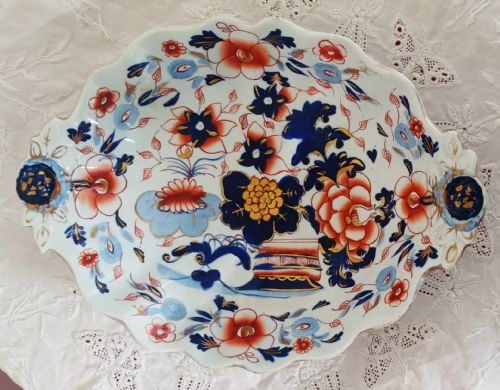
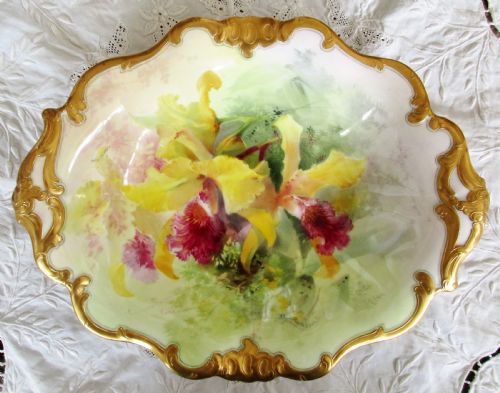
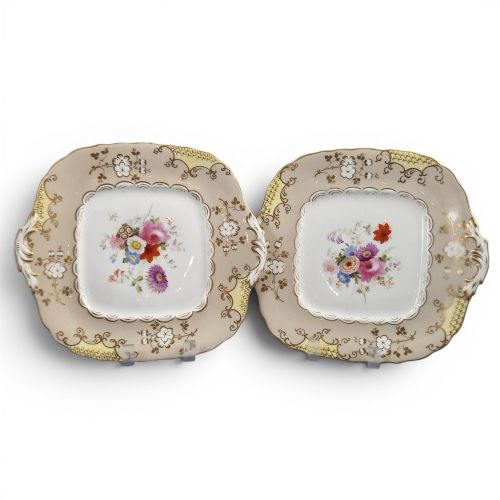
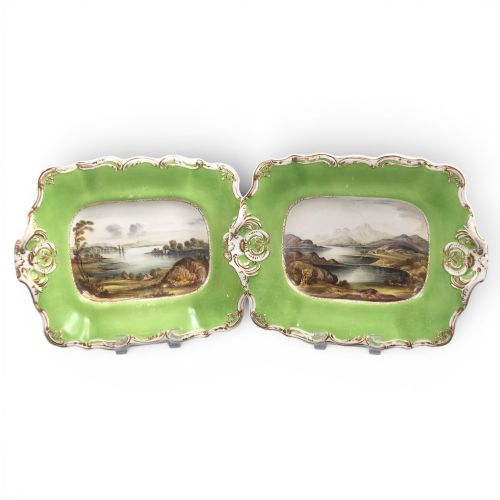
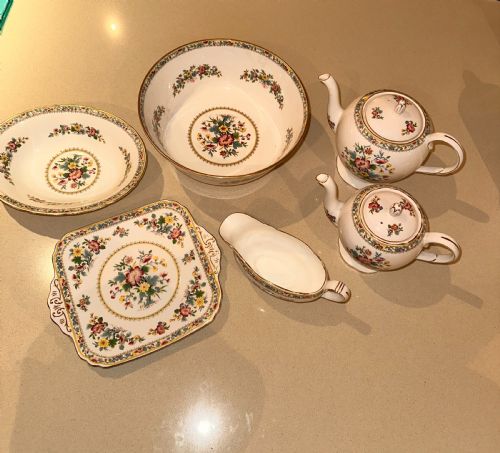
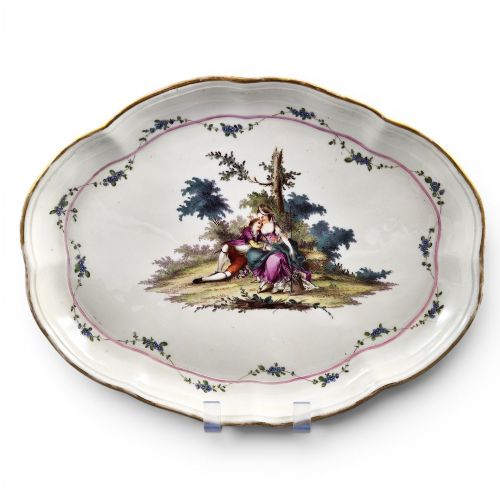
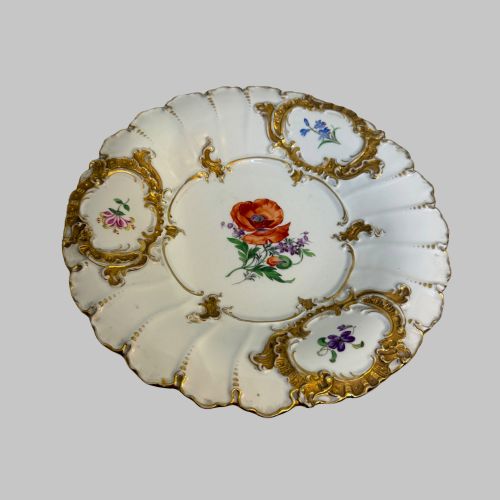
A painted china serving dish brings hand-decorated artistry to the dining table, taking forms such as platters, low comports, tureens and dessert dishes. You encounter pieces spanning the eighteenth century through to the early twentieth century, originating from English factories as well as continental and Asian kilns.
Makers shaped these wares in porcelain, bone china and ironstone, applying motifs that range from botanical studies and birds to intricate Japanese and Chinese export patterns. The selection here reflects diverse periods including Georgian, Regency, Victorian and Edwardian eras.
Whether you find a twin-handled serving vessel or an oval dessert plate, each painted china serving dish demonstrates the prevailing aesthetic of its workshop. Buyers select these items to serve food or to display cabinet pieces with historical depth.
How they were made
Potters shaped these vessels using porcelain, bone china and robust ironstone, often moulding the edges with relief details or lobed contours before firing. Artisans then applied hand-painted polychrome pigments, botanical scenes or intricate enamel patterns directly onto the ceramic body.
Many workshops enhanced their porcelain and ironstone bodies with glaze, gold leaf or gilt highlights, which required secondary kiln firings to fix the metallic accents. Painters signed or marked certain pieces with factory ciphers, blue underglaze stamps or red anchors to record their origin.
Watch for tiny hand-painted grasshoppers hiding among the botanical foliage on nineteenth-century ironstone platters.
What varies in quality
The refinement of the ceramic body and the precision of the hand-painted brushwork distinguish standard utilitarian wares from superior cabinet pieces. Fine detailing in botanical studies, bird motifs or butterfly subjects indicates skilled studio execution by named artists.
Preservation of original gilt edges, gold leaf and enamel brilliance dictates the overall desirability of an item. Superior examples retain crisp moulded forms and clear factory marks from periods such as the eighteenth or early nineteenth century.
H & R Daniel·Chamberlains Worcester·Royal Doulton·Coalport·Copeland & Garrett·Joseph-Gaspard Robert·Meissen·Spode·Flight Barr & Barr·Paul Müller Selb·Müller Volkstedt·Barr Flight & Barr·Royal Worcester·Ridgway·Wedgwood·Royal Crown Derby·Bloor Derby
The Painted China Serving Dish Glossary
- Ironstone
- A heavy, durable type of ceramic developed in the nineteenth century to provide a tough alternative to porcelain. It frequently carried bold transfer-printed or hand-painted patterns for everyday service.
- Bone china
- A porcelain variation incorporating bone ash, resulting in a strong, slightly translucent body. Factories utilised this material extensively for refined dessert and tea services.
- Comport
- A raised dish or bowl used on the dining table for serving fruit or sweets. These elevated pieces often featured moulded rims and hand-painted floral decoration.
- Gilt
- A thin layer of gold applied to the ceramic surface or rim for decorative effect. It accentuates moulded lobes and handles on eighteenth and nineteenth-century dishes.
- Famille Rose
- A palette of Chinese porcelain decoration dominated by opaque pink enamel colours. This style influenced European potters who imitated the distinctive floral and figural motifs.
Painted China Serving Dish: Frequently Asked Questions
What is an ironstone serving dish?
Ironstone is a robust, heavy ceramic material designed to withstand rigorous dining use while offering a smooth surface for painted patterns.
Potters during the nineteenth century utilised ironstone for large meat platters, vegetable tureens and everyday serving vessels.
How do I date a porcelain dish?
Dating relies on identifying factory marks, underglaze ciphers, paste composition and the specific painting style associated with periods like the Georgian or Regency eras.
Factory records and known decorator signatures provide precise chronological anchors for many English and continental pieces.
Can I use these dishes for dining?
Many antique porcelain and ironstone dishes remain structurally sound for serving food during special occasions.
Gentle hand washing preserves the delicate enamel paints, gold leaf and gilt highlights found on eighteenth and nineteenth-century surfaces.
What is a cabinet dish?
Cabinet dishes are decorative plates and platters intended for display within a cabinet rather than active service on the dining table.
These pieces typically feature intricate hand-painted botanical studies, birds or detailed landscapes executed by skilled studio artists.