
Painted China Display Cabinet
These painted china display cabinet pieces combine glazed storage with hand-painted ceramic and wooden craftsmanship from past centuries.
Painted China Display Cabinet
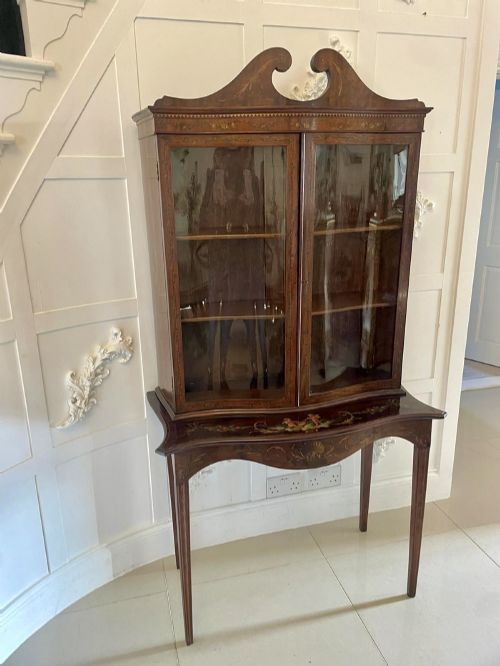
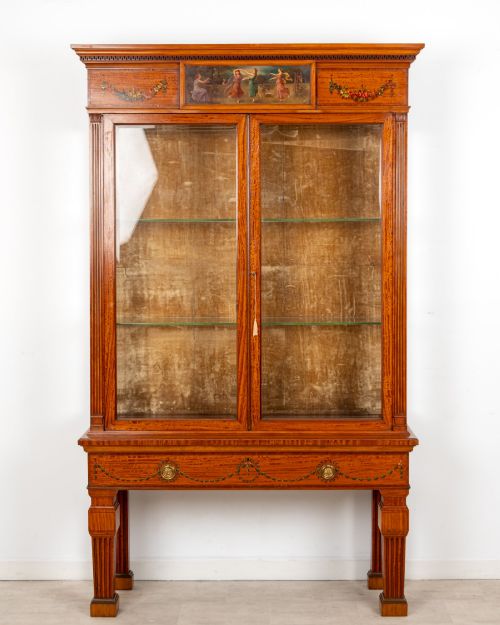
A painted china display cabinet typically combines a glazed timber enclosure with fine porcelain items designed for interior exhibition. Buyers seeking a painted china display cabinet encounter larger furniture forms alongside individual decorative plates and cabinet cups.
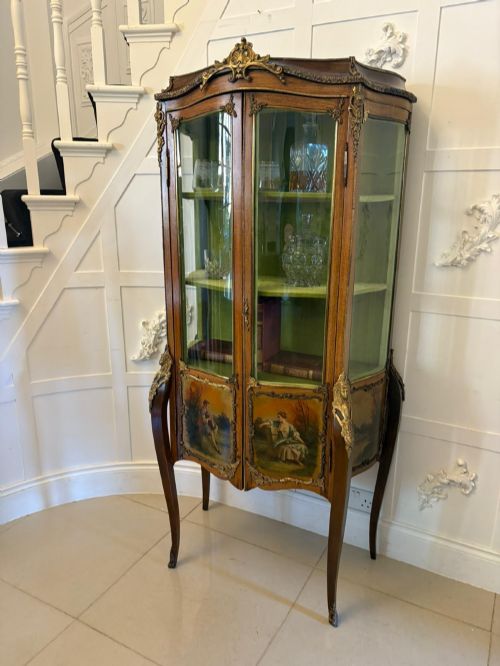
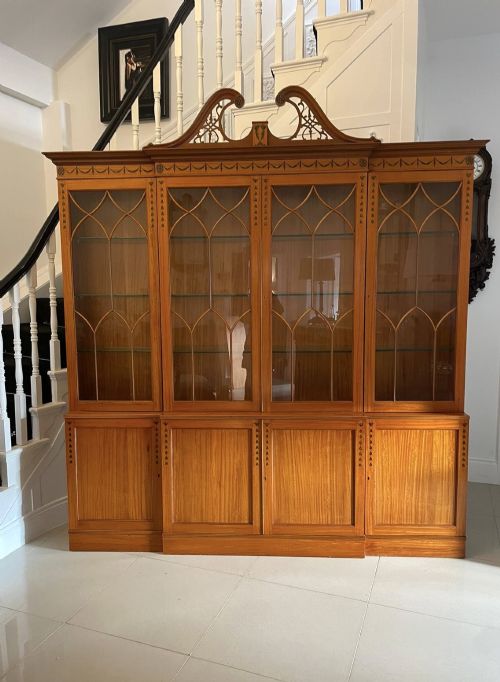
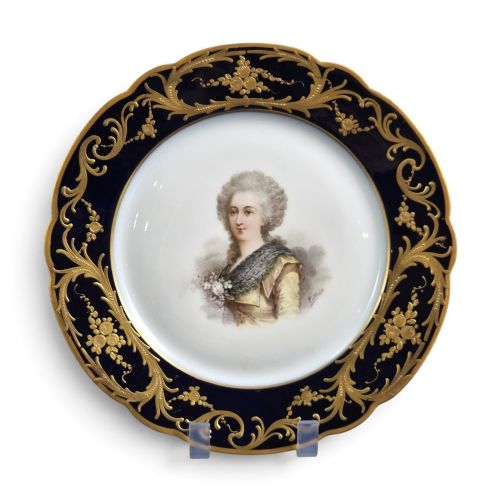
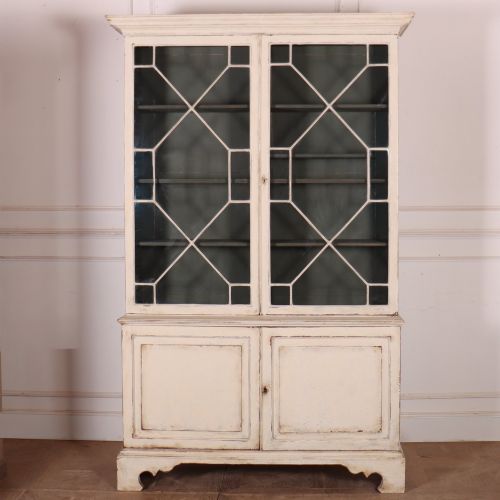
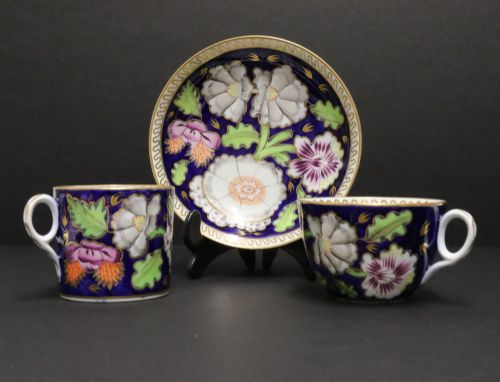
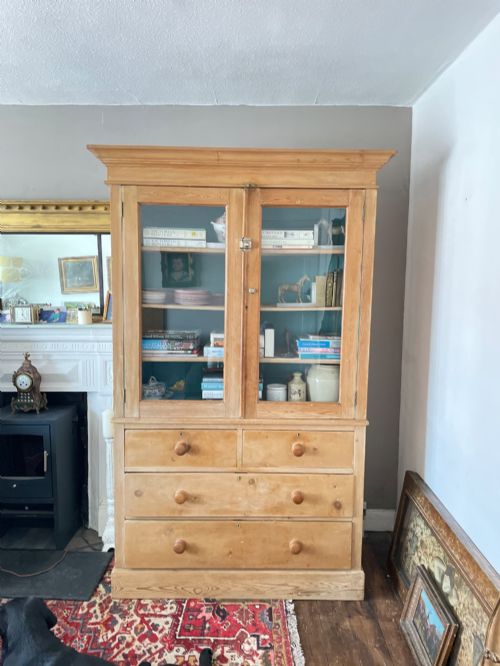
The furniture ranges from mahogany and satinwood vitrines with original painted decoration to waxed pine bookcases with painted interiors. Smaller porcelain pieces span bone china dessert plates, portrait plates, and topographical cabinet cups from various British and European factories.
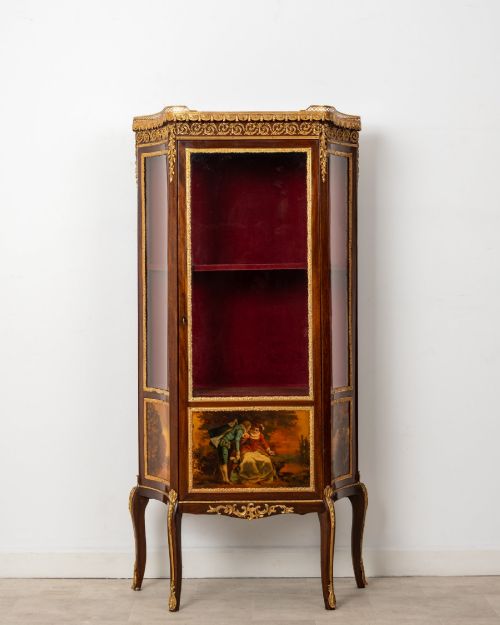
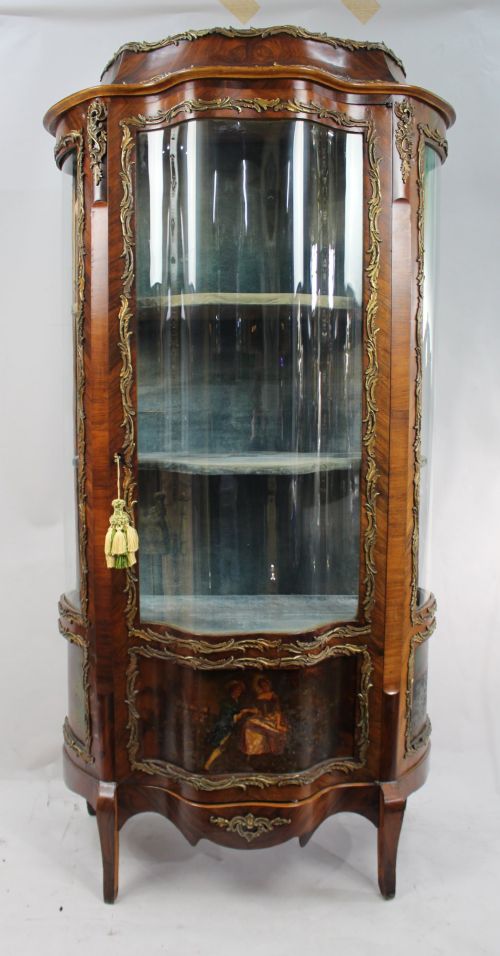
Dating primarily spans the eighteenth, nineteenth, and early twentieth centuries, encompassing Victorian, Edwardian, Regency, and Art Deco periods. French Vernis Martin cabinets and English glazed bookcases represent the larger structural forms within this selection.
Materials and construction methods
Cabinet makers utilised timbers such as mahogany, satinwood, kingwood, and pine, often finished with gilt bronze, brass mounts, or hand-painted botanical and portrait motifs. Glazing utilised glass panels set within timber doors or astragal bars to showcase the contents.
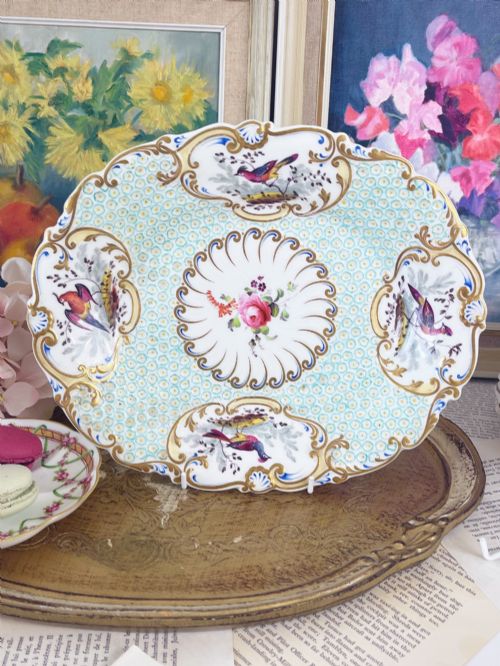
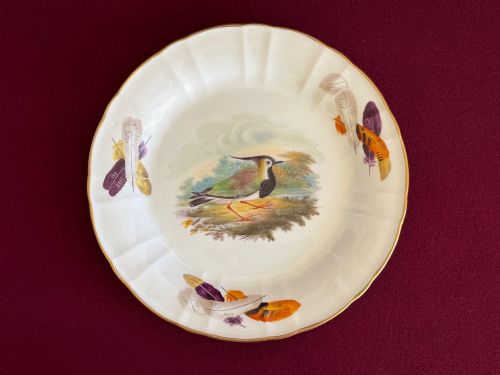
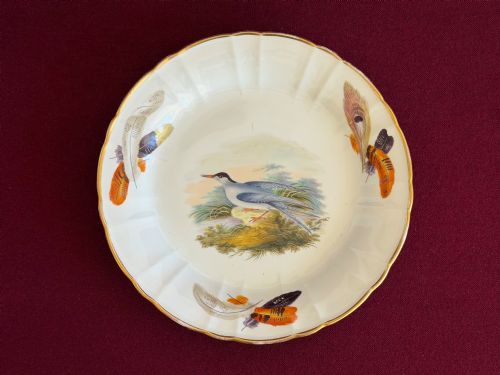
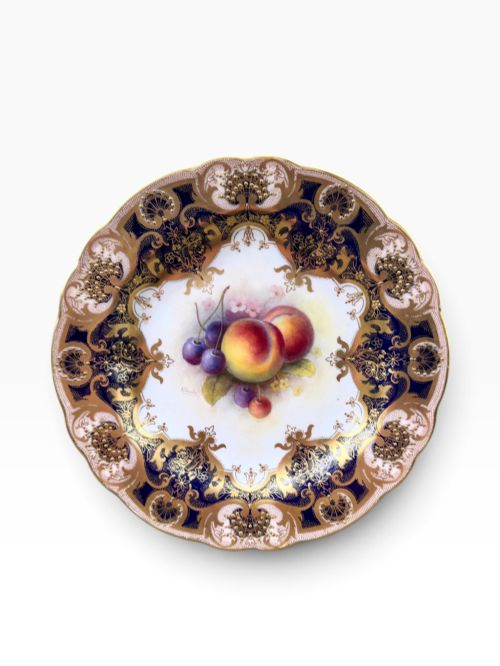
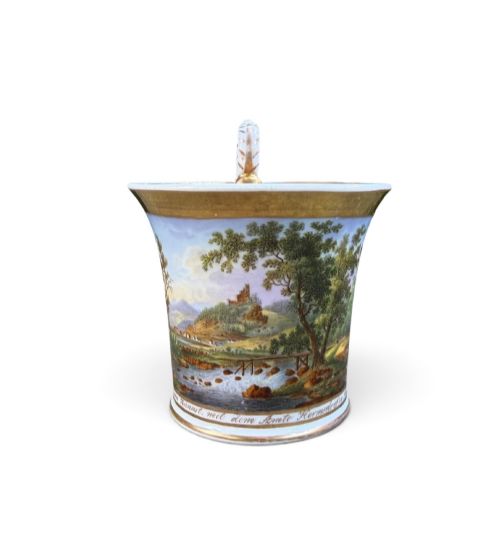
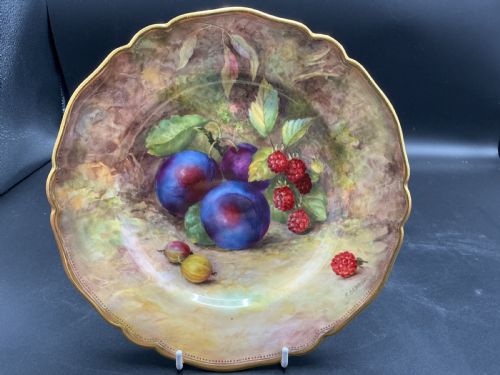
Ceramic items involved porcelain, bone china, and enamel decorated with gold leaf and hand-painted artistry depicting birds, fruit, and landscapes. Artisans employed specialised firing and glazing techniques before applying detailed enamel pigments and gilding by hand.
Listings feature porcelain, glass, mahogany, satinwood, and gilt brass across periods from the eighteenth century to the 1930s.
Factors of distinction
Quality depends upon the fineness of the hand-painted decoration on both the timber surfaces and the porcelain plates, particularly works by identified ceramic artists. Structural joinery, timber selection such as figured mahogany or satinwood, and the presence of original mounts or glass elevate certain pieces.
The integrity of the original painted decoration and the precision of the glazing division further separate standard production items from finer studio or factory pieces.
H & R Daniel·Hampton & Sons·Royal Worcester·Royal Crown Derby·Royal Doulton
The Painted China Display Cabinet Glossary
- Vitrine
- A glass-fronted cabinet designed specifically for displaying fine porcelain and objets d'art. These pieces often feature glazed sides as well as doors to maximise ambient light penetration.
- Vernis Martin
- A simulated Japanese lacquer technique developed in eighteenth-century France and emulated later in nineteenth-century vitrines. The finish involves multiple coats of translucent varnish over painted scenes.
- Cabinet Plate
- A decorative ceramic plate intended for display on a cabinet, wall, or mantel rather than for dining use. They frequently exhibit elaborate hand-painted fruit, floral, or portrait studies.
- Astral Glazing
- A window or cabinet door framing system utilising slim wooden bars to hold individual glass panes. This method creates a light, geometric grid across large display areas.
- Cabinet Trio
- A matching porcelain set comprising a teacup, coffee cup, and saucer produced for cabinet display or formal parlour use. These sets often feature hand-painted topographical views or botanical specimens.
Painted China Display Cabinet: Frequently Asked Questions
What is a painted china display cabinet?
A painted china display cabinet is a glazed wooden furniture piece designed to house and exhibit fine porcelain tableware and decorative objects.
These pieces range from tall French vitrines to English satinwood bookcases featuring hand-painted exterior details or painted interiors.
How do I date a display cabinet?
Dating relies on identifying the primary timber, construction joinery methods, glass characteristics, and stylistic traits associated with periods like the Victorian or Edwardian eras.
Makers' marks on any accompanying porcelain or stamps on the furniture timber can provide more precise manufacturing decades.
Were cabinet plates used for dining?
Cabinet plates were created exclusively for visual appreciation and interior decoration rather than practical dining purposes. Their delicate hand-painted surfaces and heavy gilding meant they remained behind glass or on display stands.
How do I care for antique painted wood?
Antique painted wooden furniture requires stable room humidity and protection from direct sunlight to prevent timber movement and paint fading. Regular dusting with a soft, dry cloth preserves the original surface finish without moisture damage.