
Painted Cupboard on Chest
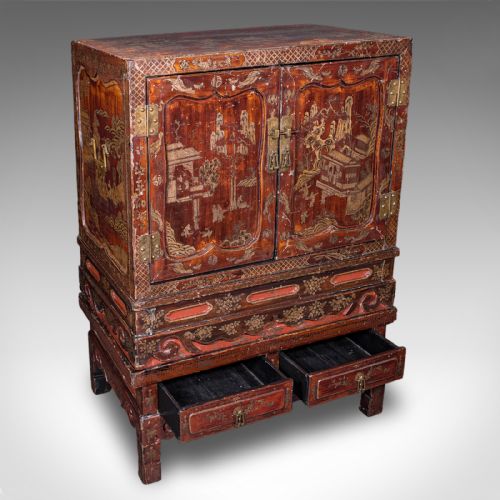
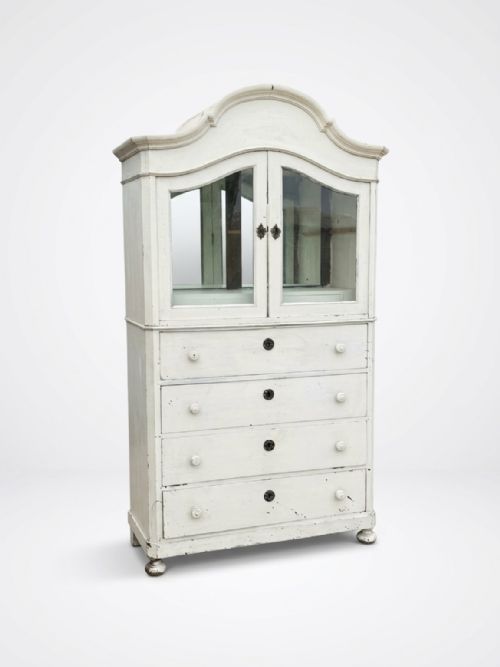
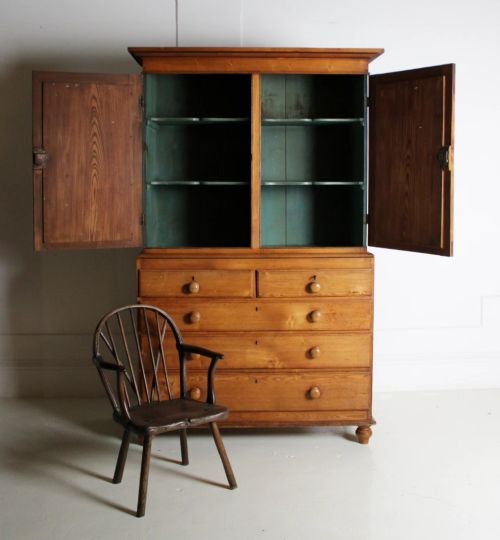
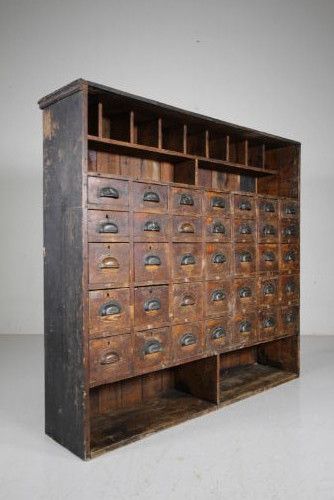
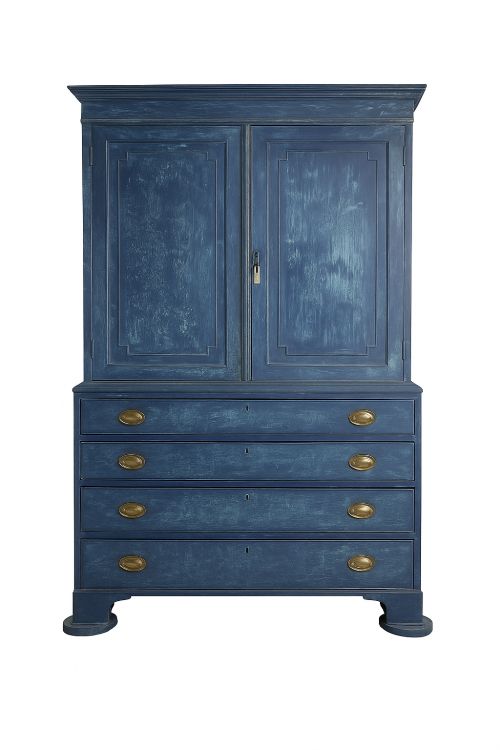
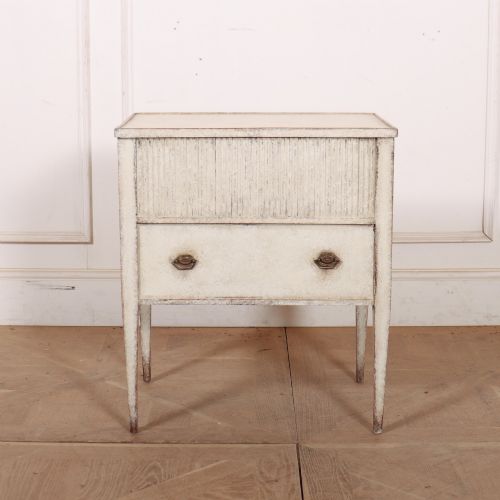
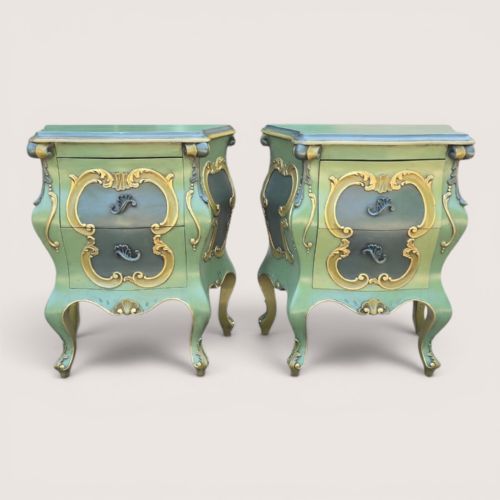
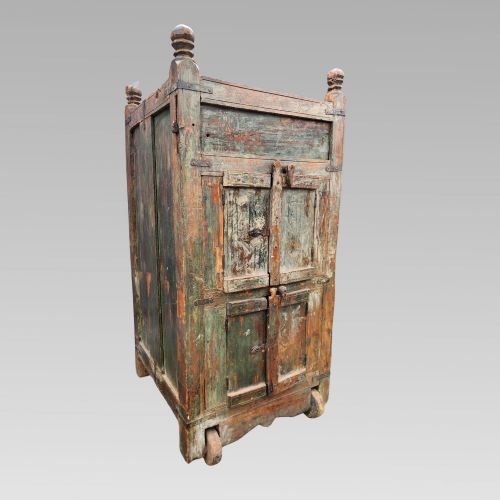
These painted cupboard on chest examples combine upper storage compartments with lower drawer sections, finished in historical paint layers for decorative utility.
Painted Cupboard on Chest
A painted cupboard on chest combines an enclosed upper cabinet with a lower chest of drawers, offering substantial storage across dual vertical sections. When searching this phrase, buyers encounter examples ranging from vernacular farmhouse pieces to formal European styles.
The pieces emerge from diverse traditions, including Scandinavian country workshops, English country houses, and continental workshops. Common variants include tall linen presses, housekeeper cupboards, and specialised cabinets resting directly upon drawer bases.
Dated pieces span from the eighteenth century through the nineteenth century and into the early twentieth century. Regional variations display distinctive proportions, ranging from robust pine carcases to refined lacquer finishes.
Materials and Construction
Construction relies primarily on timber carcases built from pine, ash, teak, or kingwood, assembled with traditional joinery. Secondary woods support internal dividers and drawer linings while exterior surfaces receive decorative treatments.
Surfaces feature layered paint finishes, scumble glaze, lacquer, or simulated graining executed in oil or water-based media. Hardware components such as brass handles, hinges, and iron mounts secure the doors and drawers.
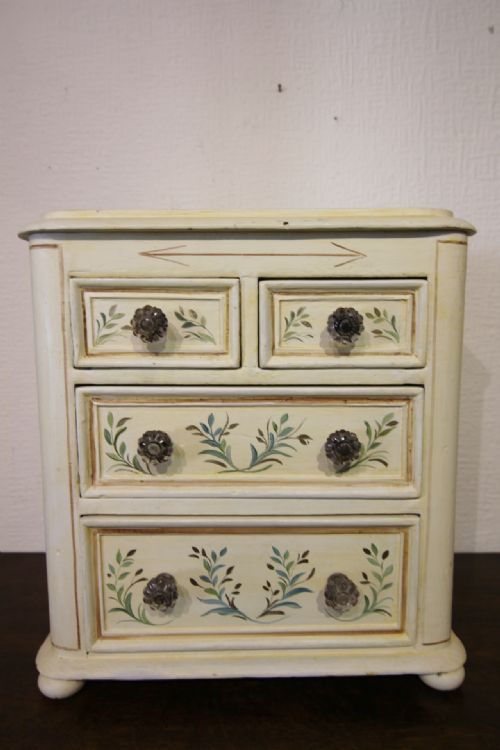
Apprentice pieces allowed young makers to demonstrate mastery by building miniature cupboards on chests.
Evaluating the Pieces
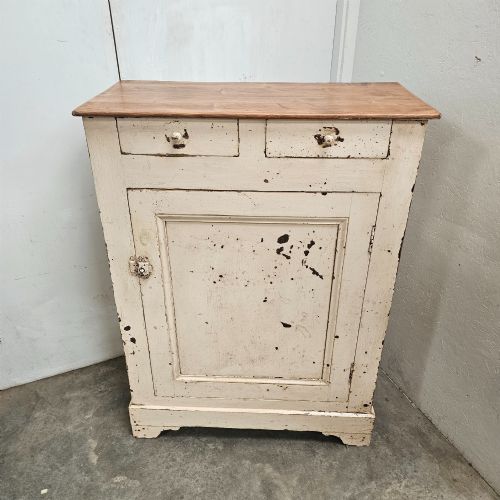
Quality rests heavily on the integrity of the surface decoration and the preservation of original paint layers. Pieces retaining their earliest pigmented coats demonstrate superior historical value compared to later repainted surfaces.
Proportion and structural balance separate standard utilitarian items from finer examples. Cabinetmakers integrated the upper cupboard and lower chest with careful attention to cornice details, drawer clearance, and bracket feet.
The Painted Cupboard on Chest Glossary
- Linen Press
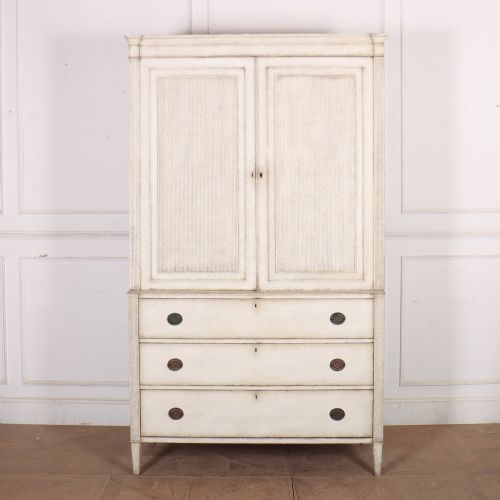
- A tall piece of furniture featuring upper cupboard doors enclosing sliding trays or shelves, positioned above a chest of drawers. This form was traditionally used for storing household textiles.
- Chinoiserie
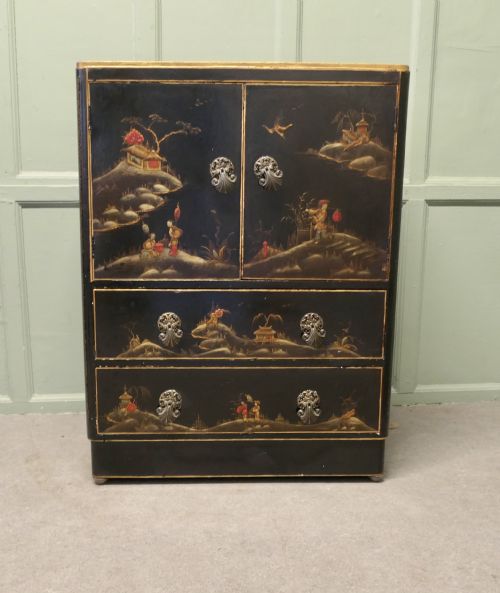
- European decorative style imitating Chinese artistic traditions, typically featuring hand-painted motifs on lacquered grounds. It gained popularity during various historic revivals.
- Scumble Paint
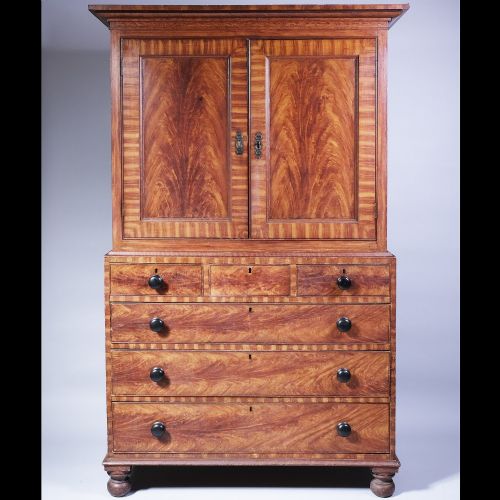
- A decorative technique involving translucent paint dragged or textured over a pale base coat to simulate grain or depth. This finish appears frequently on nineteenth-century country furniture.
- Vernis Martin
- Simulated oriental lacquer developed in eighteenth-century France using resin-based varnishes. It creates a smooth, glossy surface often mounted with gilt bronze.
Painted Cupboard on Chest: Frequently Asked Questions
What is a cupboard on chest?
A cupboard on chest is a dual-section storage item consisting of an upper cabinet placed upon a lower set of drawers. This configuration maximised vertical capacity in traditional domestic interiors.
Lower drawer bases hold bulkier items while upper cupboards secure linens or tableware behind doors. The combined unit serves as a prominent focal point in a room.
How do I clean painted furniture?
Maintenance requires gentle dusting with a dry microfibre cloth to remove surface particles without disturbing historic finishes. Avoid modern chemical solvents or abrasive cleaners entirely.
Apply microcrystalline wax sparingly only if the paint layer appears dry and stable. Professional consultation is advisable before undertaking any conservation work.
Are the paint finishes original?
Determining original finish involves examining pigment layering, wear patterns around handles, and the integration of paint into the timber grain. Microscopic analysis can reveal underlying historic coats.
Many pieces retained their initial decorative schemes through careful domestic use, whereas others received later updates. Surface character provides key evidence of age and history.