




Painted Ceramic Plaque
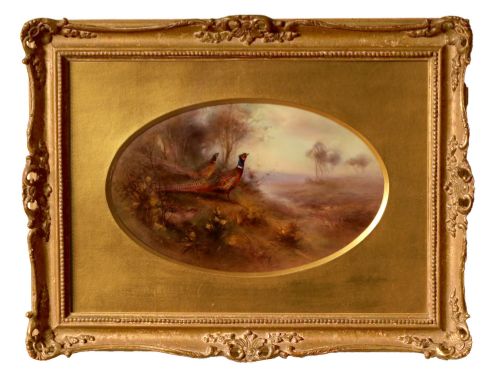
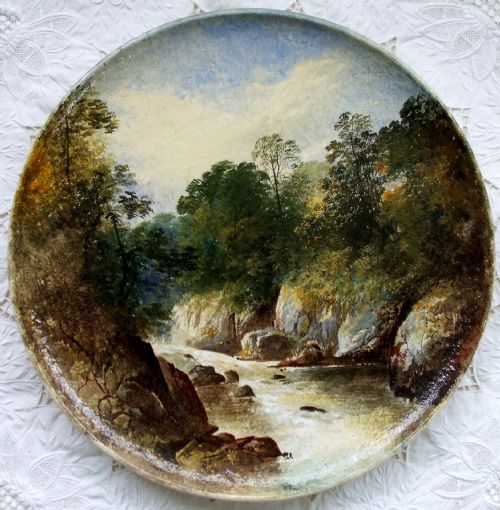
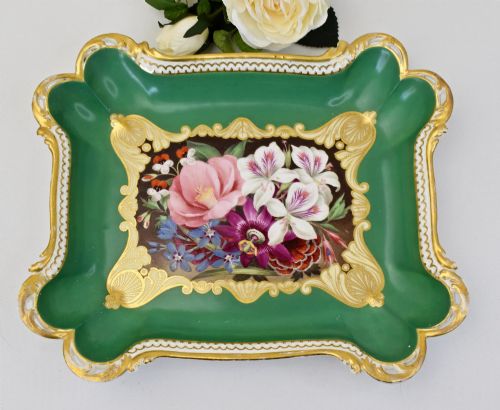
These painted ceramic plaque options bring together hand-painted portraiture, classical mythology, and intricate landscape scenes on porcelain and earthenware.
Painted Ceramic Plaque
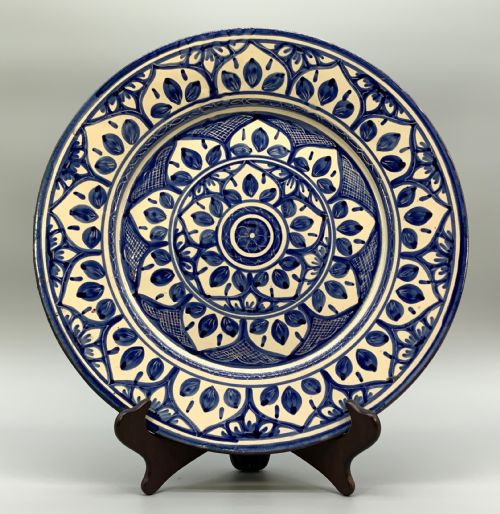
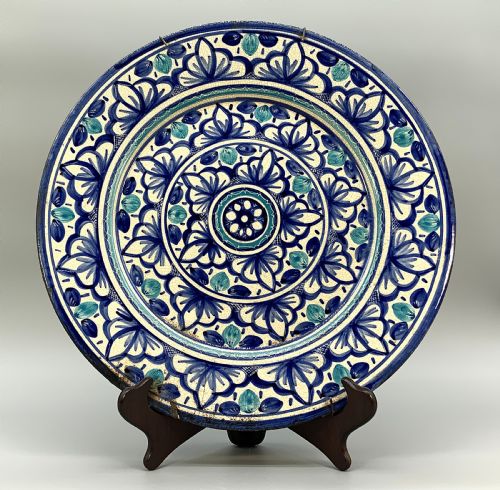
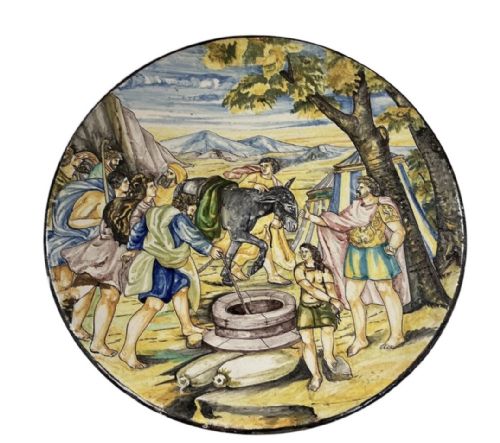
A painted ceramic plaque encompasses wall art, decorative chargers, and framed panels produced primarily during the eighteenth and nineteenth centuries, alongside early twentieth-century examples. These pieces serve primarily as decorative wall hangings or cabinet displays rather than utilitarian tableware, though many take the circular form of large plates.
The selections span European and Asian traditions, including English Copeland works, continental Vienna chargers depicting historical scenes, Japanese Imari pieces, and Chinese porcelain panels. Buyers encounter subjects ranging from religious devotional icons to detailed landscape views and mythological narratives.
Domestic and continental factories produced these works across various decorative styles, including Neoclassical, Renaissance Revival, and Moorish Revival. The physical formats vary from small framed porcelain rectangles to large ceramic chargers intended for prominent wall display.
Materials and Technique
Makers utilised porcelain, earthenware, and terracotta as the foundational supports for these works, applying tin-glaze, transparent glazes, and enamels before firing. Many pieces incorporate hand-painted pigments directly onto the ceramic body or glazed surface, occasionally supplemented by gold leaf accents.
Larger chargers and plaques often required specialised kiln techniques to prevent warping during high-temperature firings of the clay body and subsequent pigment fixing. Framed panels frequently rely on carved wooden surrounds to support the weight of the ceramic support.
An Austrian terracotta plaque depicts a refugee monkey family in America.
Quality and Execution
The standard of painting determines the tier of the piece, distinguishing mechanical transfer prints from delicate brushwork executed by named artists. Finer examples display meticulous detail in facial expressions, historical costume, and architectural perspective.
The clarity of the glaze and the richness of the enamel colours separate standard factory production from exceptional exhibition pieces. The preservation of the painted surface, free from rubbing or restoration, maintains the integrity of the original artistic composition.
Royal Bonn·Royal Worcester·Copeland Pottery·Ernst Wahliss·Royal Vienna·Bassano Pottery
The Painted Ceramic Plaque Glossary
- Charger
- A large decorative plate or dish intended for display on a wall or sideboard rather than for serving food at table. These pieces often feature painted historical or floral scenes across a wide rim.
- Maiolica
- Tin-glazed Italian earthenware painted with coloured oxides before firing, frequently utilised for narrative historical scenes known as istoriato. This technique developed significantly during the Renaissance and inspired later nineteenth-century revivals.
- Faience
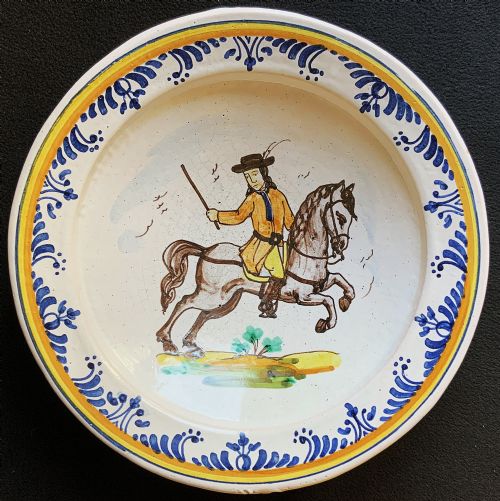
- European tin-glazed pottery produced in France, Spain, and the Netherlands. The opaque white glaze provides a smooth ground for painted polychrome or blue and white decoration.
- Enamel
- Vitrified glass paste fused to a metal or ceramic surface through firing. This medium allows for vivid colouration and minute detail in miniature portraiture.
- Imari
- Japanese export porcelain decorated in underglaze blue, iron red, and gold. European makers frequently copied these distinctive radial patterns during the nineteenth century.
Painted Ceramic Plaque: Frequently Asked Questions
How do I hang a heavy ceramic plaque safely?
Most large chargers and wall plaques require custom wire hangers designed to distribute weight evenly across the rim without stressing the ceramic body. Secure fixings directly into wall studs rather than relying on standard plaster plugs.
For framed porcelain panels, ensure the internal wooden backing and hanging loops are structurally sound before mounting the piece at eye level.
What subjects appear most often on these plaques?
Nineteenth-century European examples frequently depict classical mythology, religious narratives, or portraits after Renaissance masters painted onto porcelain. English and continental works also feature topographical landscapes and literary scenes.
Asian export pieces tend to display traditional aquatic scenes, floral motifs, or historical figures executed in characteristic palette designs.
How should I clean a painted porcelain plaque?
Dust the surface gently with a soft, dry artist brush to remove accumulated particles without disturbing delicate enamel or gilt details. Avoid liquid cleaners and abrasive cloths, which can damage unglazed areas or historic pigments.
Professional conservation advice is recommended for pieces showing surface grime that does not lift with dry brushing.
Are these pieces signed by the artists?
Many fine nineteenth-century porcelain plaques bear the signature or monogram of the ceramic painter, particularly works produced by major factories or independent studios. Signatures usually appear near the edge of the painted composition or on the reverse.
Unsigned pieces remain common and typically rely on factory backstamps to indicate their origin and period.