


Antique Framed Plaque
An antique framed plaque brings concentrated artistry, from delicate porcelain miniatures to robust bronze reliefs, straight to the wall.
Antique Framed Plaque
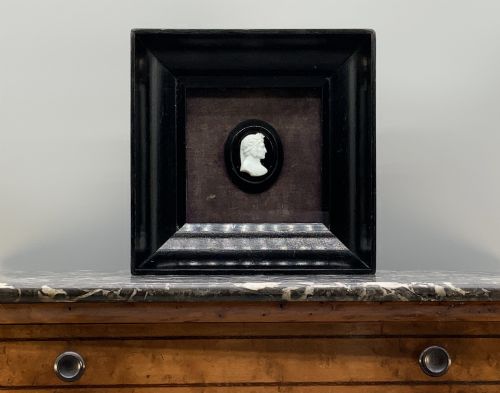
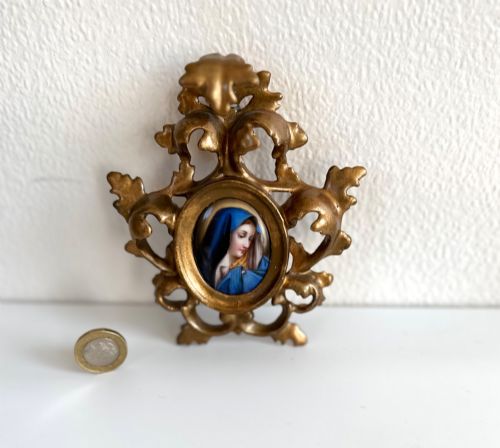
An antique framed plaque gathers diverse portable art forms into wall-mounted displays. You encounter everything from hand-painted porcelain and enamel panels to carved ivory and mosaic works housed within period surrounds.
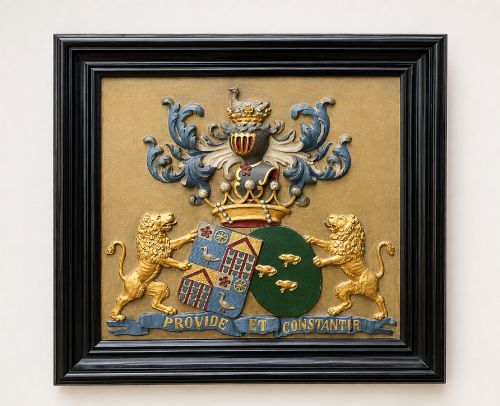
The selections span centuries, reaching from eighteenth-century Limoges and Staffordshire pieces through nineteenth-century Grand Tour souvenirs to early twentieth-century arts and crafts and advertising examples. These pieces function as focused visual statements, condensing portraiture, heraldry, and narrative scenes into domestic spaces.
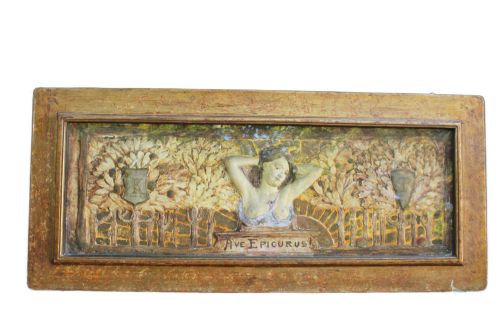
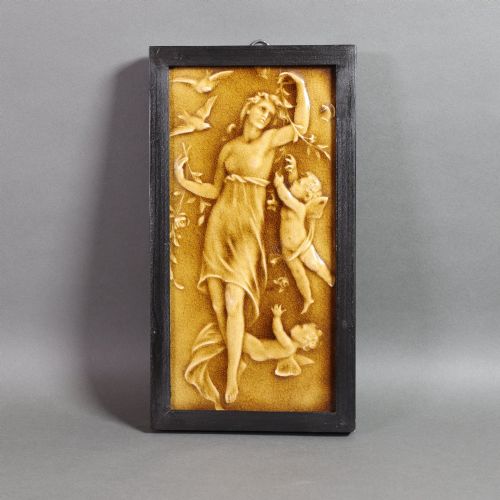
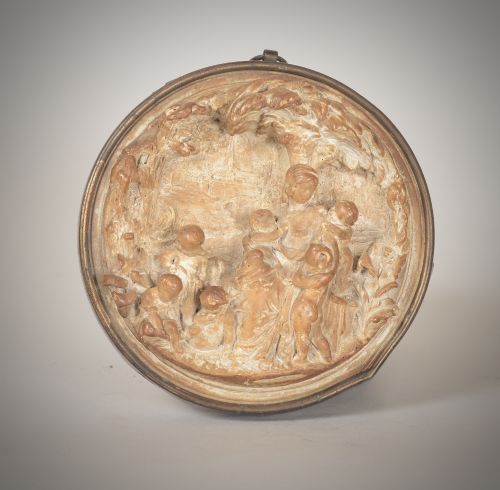
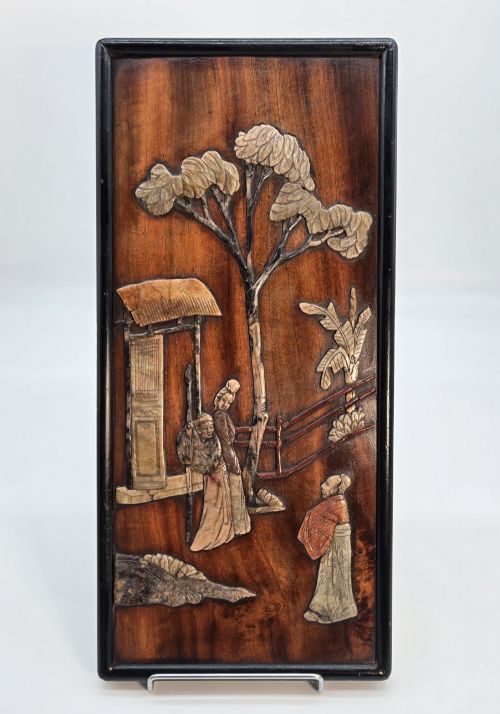
Ceramic tiles, painted wood book bindings, and metal reliefs also populate this category, showing how makers adapted various mediums specifically for framing. Each item bridges the gap between utilitarian material culture and decorative fine art.
Materials and construction methods
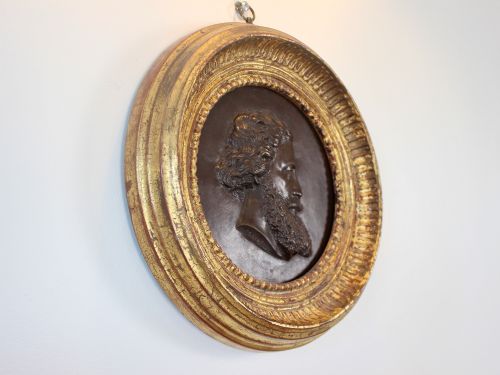
Makers utilised fired mediums such as porcelain, earthenware, and vitreous enamel, often fixing pigments through high-temperature kilns to ensure lasting colour. Metalworkers cast bronze, copper, brass, and white metal into high or low relief panels, sometimes adding gilt finishes or patination for depth.
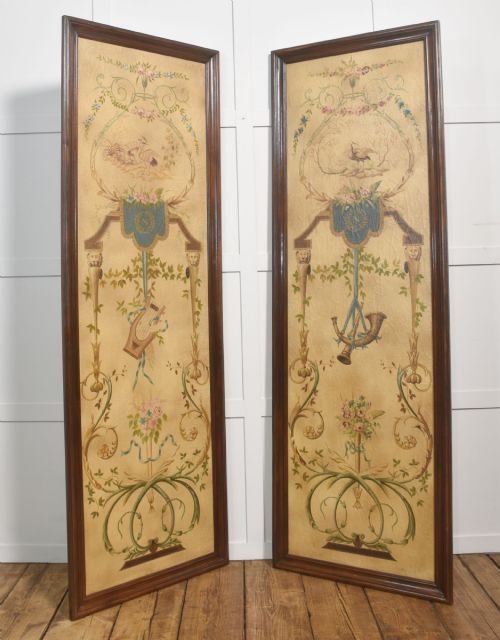
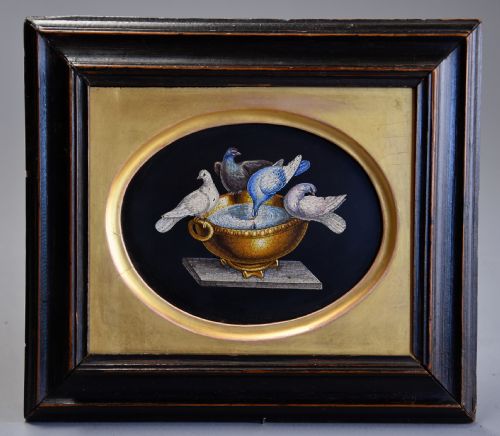
Organic materials like carved ivory, mother-of-pearl, and wood appear alongside stone elements like pietra dura and micromosaic tesserae assembled meticulously by hand. Enclosing these panels required specialised carpentry, resulting in ebonised, giltwood, oak, or lacquered frames designed specifically to complement the art within.
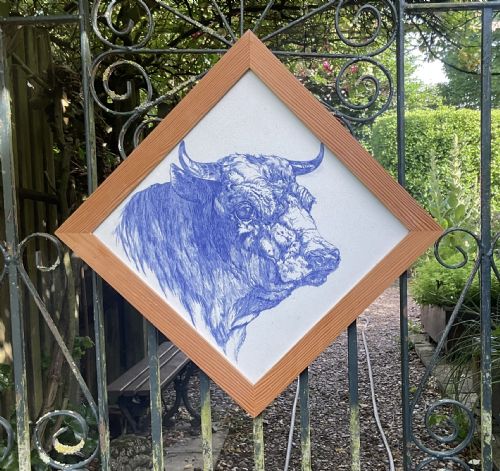
A butcher shop tile from nineteen hundred stands ready to remind viewers of proper meat cuts while hanging in the parlour.
Distinctions in quality
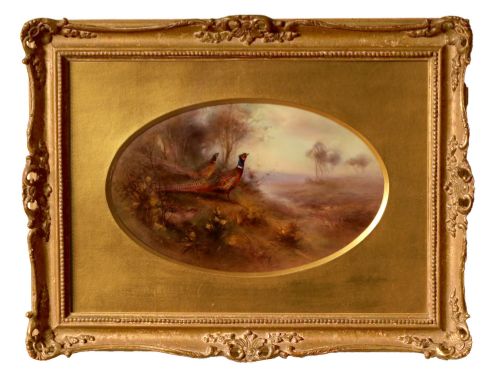
The refinement of the handwork dictates the standing of a piece, separating mechanical production from master execution. Painted surfaces reveal their calibre in brushwork control, facial expression nuance, and pigment saturation, particularly on porcelain and enamel plaques.
For reliefs and mosaics, the crispness of the chisel work or the tightness of the stone tesserae determines the standard. Original framing matching the period and exact dimensions of the plaque elevates the integrity of the whole object.
James Stinton·Mintons·Icilio Federico Joni·Mainfroy
The Antique Framed Plaque Glossary
- Plaque
- A flat ornamental panel, typically made of porcelain, metal, ceramic, or stone, designed for wall display. These pieces capture detailed imagery in a compact format.
- Micromosaic
- A technique using tiny glass threads, known as smalt, fused together to create pictorial scenes. Italian workshops mastered this method for miniature souvenirs.
- Pietra dura
- An artistic process using cut and fitted polished coloured stones to create geometric or figurative designs. Hardstones like jasper, chalcedony, and marble form the imagery.
- Enamel
- A material made by fusing powdered glass to a metallic substrate through firing. Limoges and South Staffordshire makers utilised this technique for vibrant miniature paintings.
- Relief
- Sculptural work where the figures project from a background plane. Artists rendered these in bronze, copper, plaster, and silver.
- Ex Voto
- A votive offering presented to a sanctuary in fulfilment of a vow or for thanksgiving. These Italian religious plaques often take stamped metal or sacred heart forms.
Antique Framed Plaque: Frequently Asked Questions
How were antique porcelain plaques painted?
Painters applied ceramic pigments onto a flat porcelain blank before firing the piece in a kiln to permanently vitrify the colours. This technique allowed artists to replicate grand master paintings or create original portraits with enduring richness.
Many porcelain plaques were produced in specialised European factories or painted by independent artists working on blank blanks. The firing process required immense skill to prevent warping or colour shifts in the heat.
Where were Grand Tour plaques made?
Grand Tour plaques were predominantly produced in Italy, particularly in cities like Rome, Florence, and Naples, throughout the eighteenth and nineteenth centuries. Travellers collected them as tangible proof of their cultural education across European capitals.
Common formats included micromosaics, pietra dura panels, and carved ivory portraits depicting classical monuments or ancient art. These items catered to affluent tourists seeking sophisticated mementoes of their travels.
How do you date a metal relief plaque?
Dating a metal relief plaque involves examining the alloy composition, casting technique, and stylistic markers such as neoclassical drapery or arts and crafts lettering. Signatures, foundry marks, or stamps on the reverse often point directly to specific makers or production dates.
The accompanying frame also provides vital clues, as moulding profiles and wood types shifted consistently from the Georgian era through the Victorian period and into the twentieth century.
What are Italian ex voto plaques?
Italian ex voto plaques are devotional objects traditionally left at shrines or churches as acts of faith or gratitude for answered prayers. They frequently feature stamped or repoussé metal depicting sacred hearts, anatomical parts, or miraculous scenes.
These objects carry deep social and religious history, reflecting personal devotion in nineteenth-century Italy. Their rustic construction and direct symbolism separate them from purely decorative salon art.