

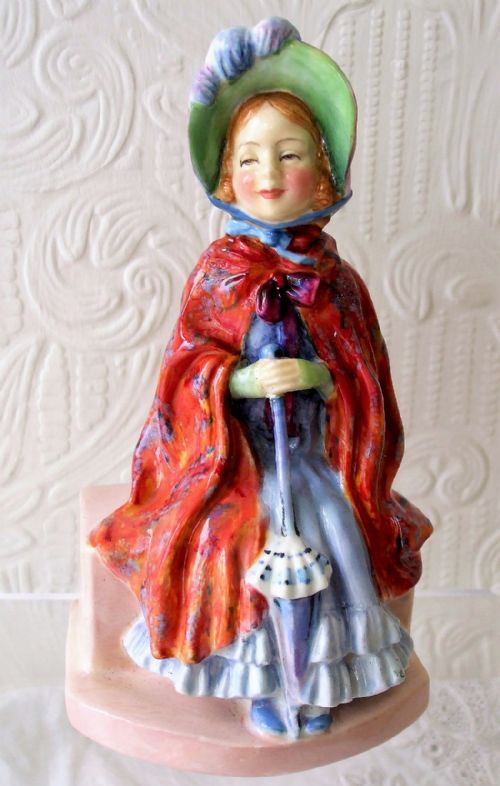
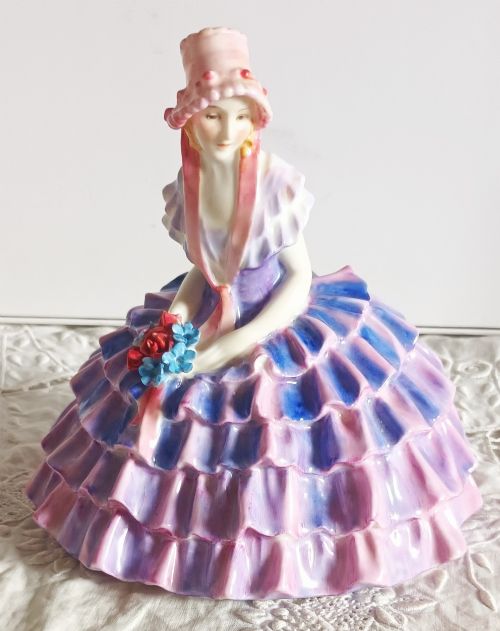
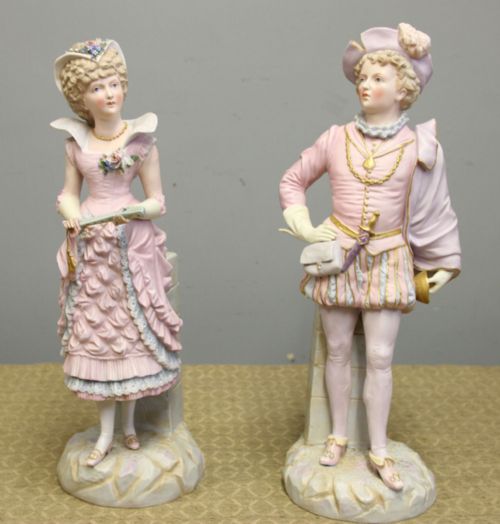

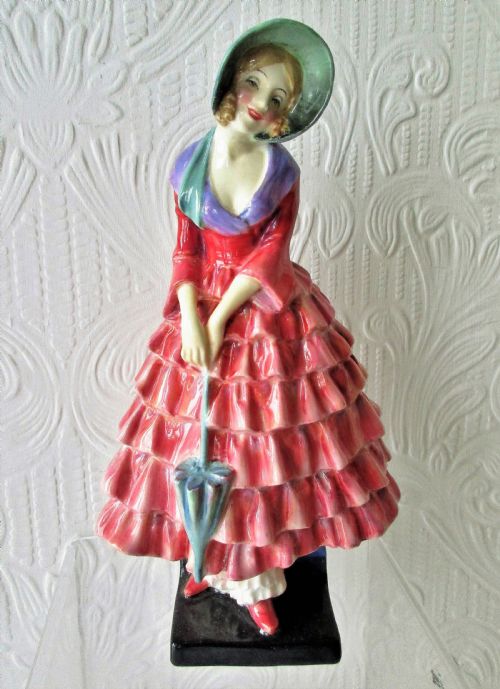
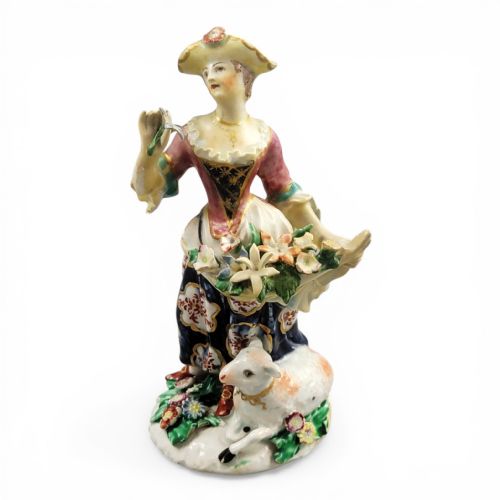


Painted Ceramic Lady Figure
A painted ceramic lady figure brings grace to a mantelpiece, capturing centuries of ceramic artistry in a single study.
Painted Ceramic Lady Figure
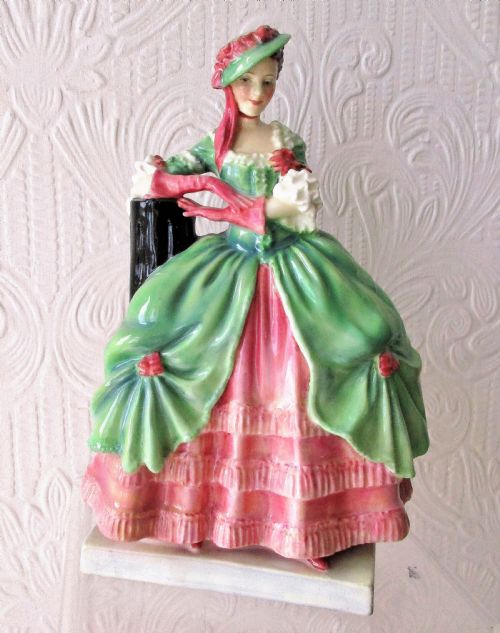
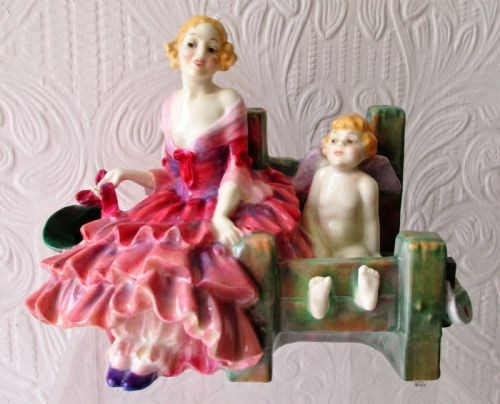
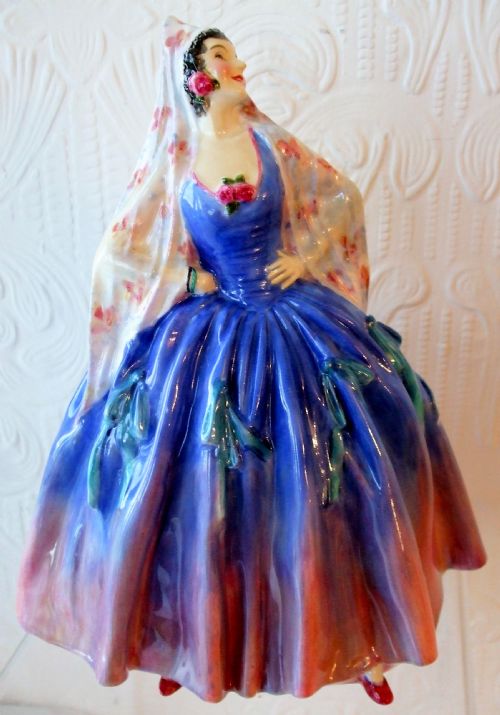
A painted ceramic lady figure encompasses diverse sculptural works ranging from eighteenth-century Meissen and Bow porcelain to twentieth-century English earthenware. Buyers searching for a painted ceramic lady figure encounter various forms, including decorative figurines, tobacco jars, and religious statues.
Materials and construction methods
Potters utilised porcelain, bone china, bisque porcelain, and terracotta to shape these figures. Many pieces received hand-applied enamel paint, ceramic glaze, and touches of gold leaf or gilt.
Factories employed slip-casting or manual modelling before firing and painting the clay. Biscuit porcelain, left unglazed, was favoured for a matte, marble-like finish in nineteenth-century French and English workshops.
Painted Ceramic Lady Figure Retail Price Guide 2026
Typical asking prices for painted ceramic lady figure among the pieces listed under this phrase on Sellingantiques today, from the lower quarter to the upper quarter. They describe what is for sale here now, not the wider market.
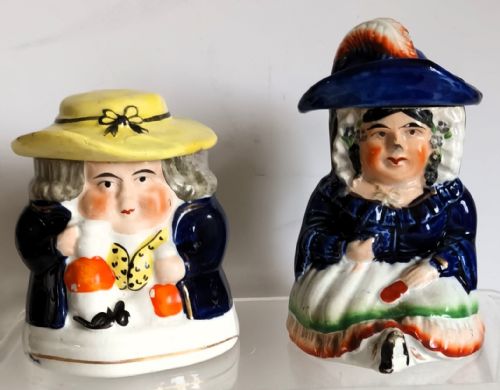
Some nineteenth-century ladies double as tobacco jars, keeping your smoking blend safely tucked beneath their elaborate bonnets.
Assessing quality in ceramic figures
Quality rests in the crispness of the modelling and the precision of the hand-painting on the face and drapery. Finer pieces retain delicate details in fingers, lace, and facial expressions without blurring in the glaze.
The reputation of the maker and the complexity of the polychrome enamel work elevate certain figures above standard production pieces. Superior examples show careful firing with minimal distortion and vibrant, well-preserved pigments.
Royal Doulton·Royal Worcester·Meissen·Bow Porcelain·Ludwigsburg·Samson
The Painted Ceramic Lady Figure Glossary
- Bisque porcelain
- Unglazed ceramic material fired once to create a matte, porous surface resembling white marble. It was widely utilised in the nineteenth century for decorative portrait figures.
- Bone china
- A type of porcelain incorporating bone ash for added strength and a warm white tone. It allows for thinner walls and delicate modelling in English figures.
- Gilt
- A thin layer of gold applied to ceramic surfaces for decoration. It highlights borders, garments, and accessories.
- Polychrome
- Decoration utilising multiple colours painted onto the ceramic body. Enamels are fused to the glaze during a secondary firing.
- Tobacco jar
- A lidded ceramic vessel used for storing tobacco. Nineteenth-century examples often took the form of seated figures or characters.
Painted Ceramic Lady Figure: Frequently Asked Questions
What is a painted ceramic lady figure?
These pieces are decorative sculptures made from materials like porcelain, bone china, and terracotta, shaped to represent female figures. They range from eighteenth-century European porcelain to twentieth-century English earthenware.
Craftsmen hand-painted each piece with enamels and sometimes applied gold leaf. They served as mantel ornaments and display pieces in period homes.
How do I date a ceramic figure?
Dating relies on factory marks, style cues, and the type of ceramic body used. Eighteenth-century pieces often display hand-painted underglaze marks and soft paste porcelain, while twentieth-century examples use printed stamps.
Clothing styles also indicate the period, reflecting Regency, Victorian, or Art Deco fashions. Comparing the piece to known factory archives confirms its era of production.
Where were these figures made?
Production centres spanned Europe and Asia, with notable output from English potteries, German porcelain works, French studios, and Japanese kilns. Factories such as Meissen, Bow, and Royal Doulton dominated different eras.
Each region utilised local materials and distinct painting techniques, resulting in varied aesthetic traditions. Japanese workshops contributed Kutani porcelain figures depicting traditional subjects.
How should I care for antique ceramic figures?
Display these pieces away from direct sunlight to prevent the enamel colours from fading over time. Gentle dusting with a soft, dry brush is sufficient for routine maintenance.
Avoid using water or chemical cleaners, particularly on unglazed bisque porcelain or pieces with gold leaf. Handle figures firmly by the base rather than delicate extremities like hands or hats.