



English Pottery Collectables
English pottery collectables bring together centuries of earthenware, porcelain and bone china, offering figures, vases and bowls shaped by makers from the Georgian era through to the mid-twentieth century.
English Pottery Collectables
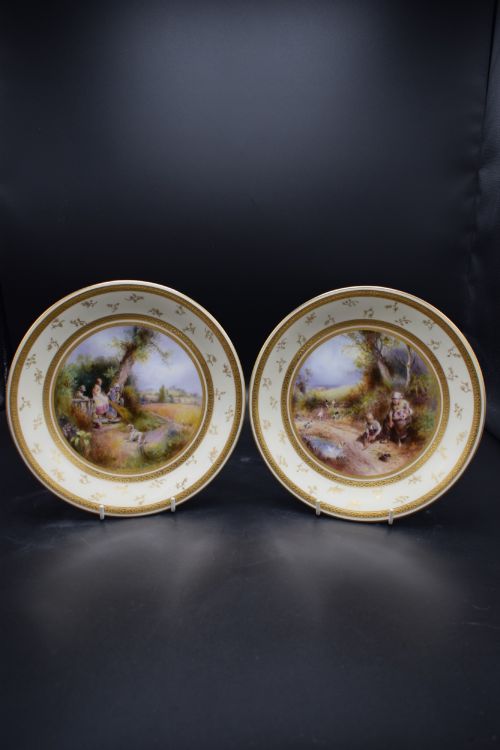
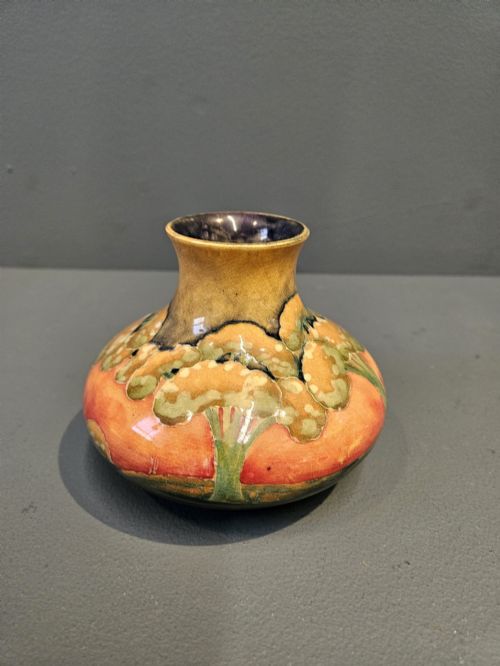
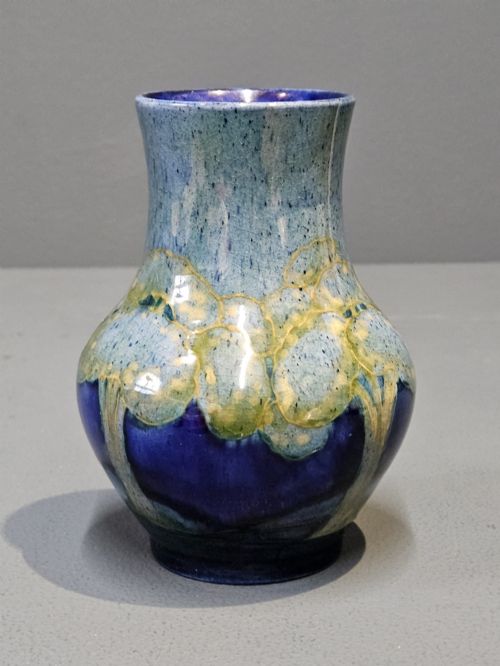
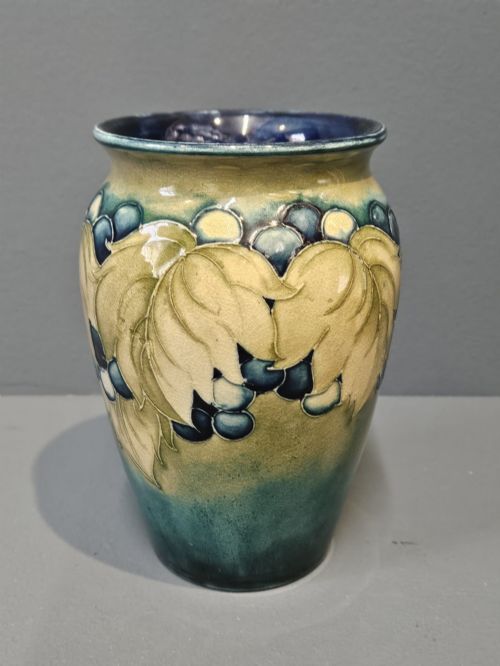
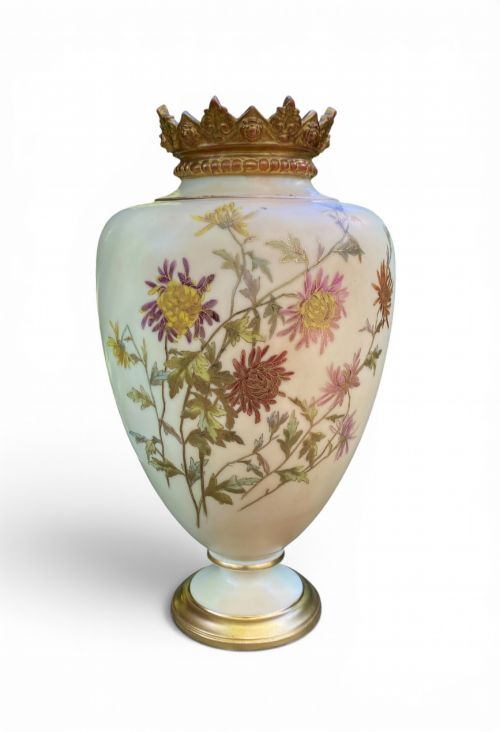
When you search for English pottery collectables, you encounter a diverse range of objects spanning multiple periods, including the Georgian era, the nineteenth century, and twentieth-century decades up to the 1950s. The selection on this page centres heavily on decorative figures, vases, plates and bowls created by notable potteries and individual artists.
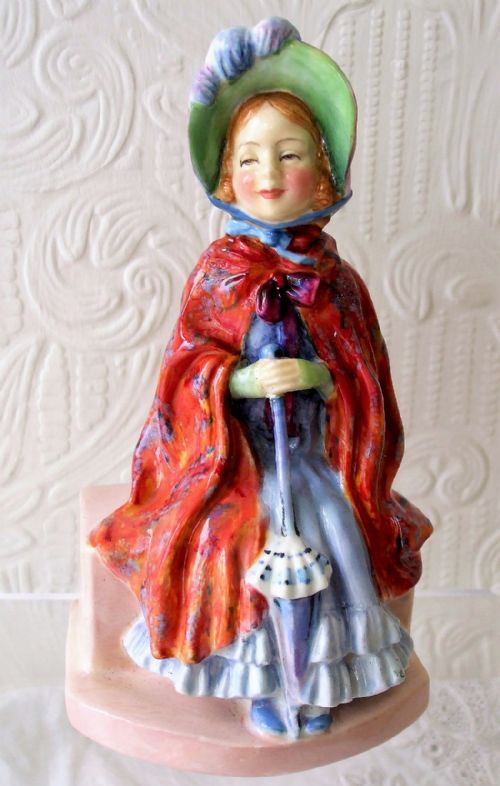
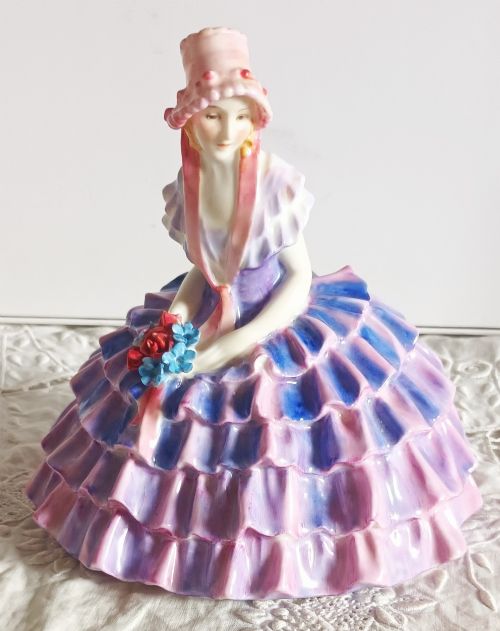
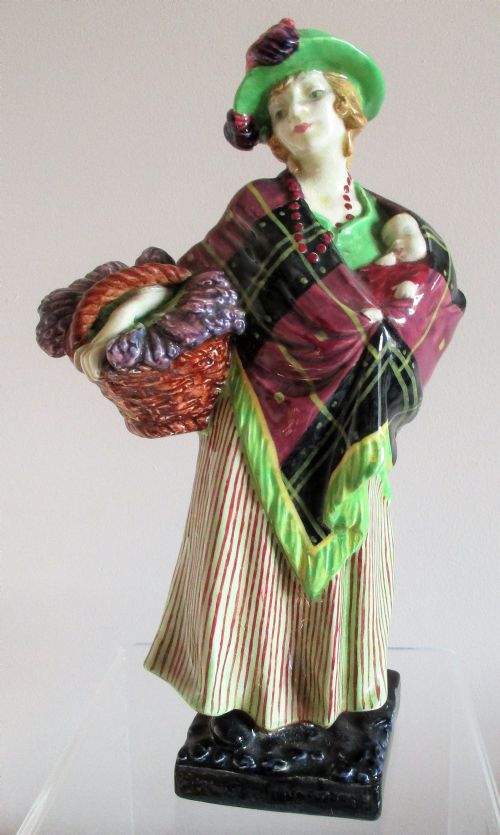
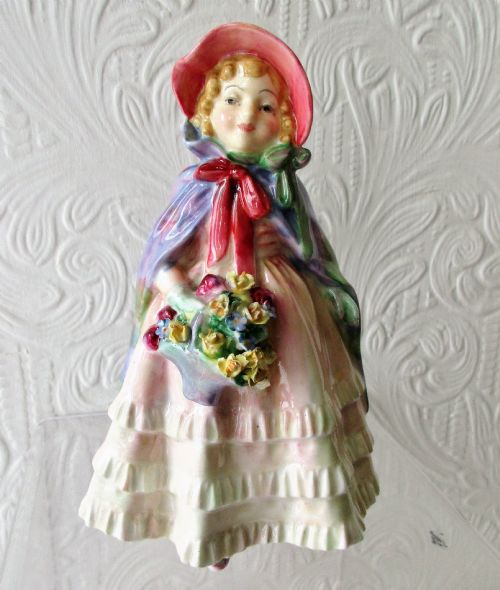
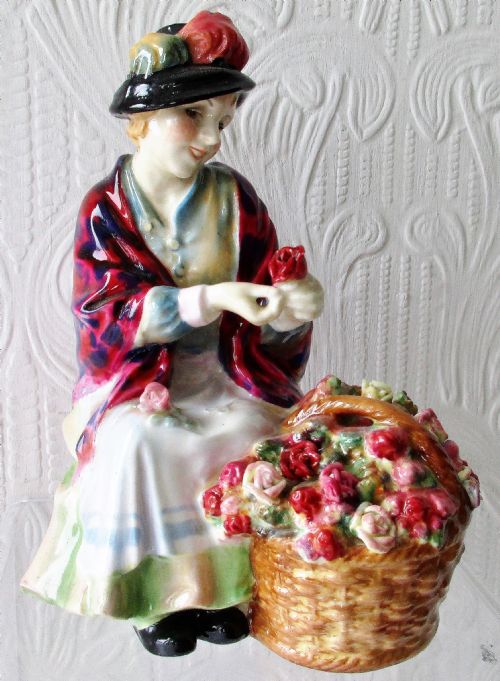
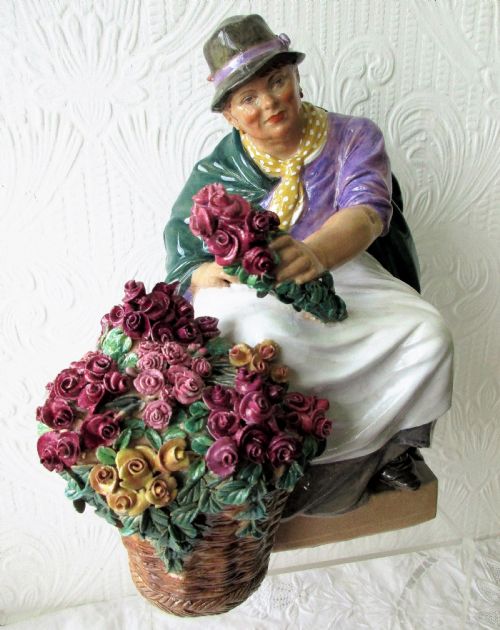
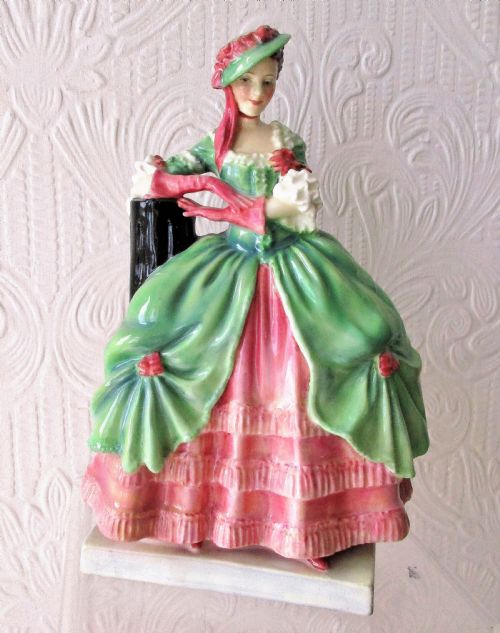
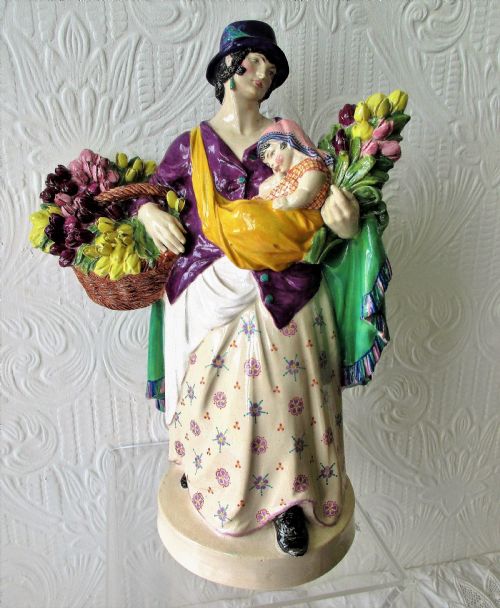
Figurines form a prominent category, particularly porcelain and earthenware pieces from Royal Doulton, Charles Vyse studio pottery, and Victorian Staffordshire potteries. Alongside these figures sit baluster vases, lustre sets, fruit bowls and table lamps representing styles from Arts and Crafts to Art Deco.
How they were made
Makers utilised ceramic, earthenware, porcelain and bone china as the foundational bodies for these items, often finishing surfaces with glaze, enamel or gold leaf. Techniques varied from salt glazing and lustre applications to hand-painted landscapes and intricate underglaze patterns.
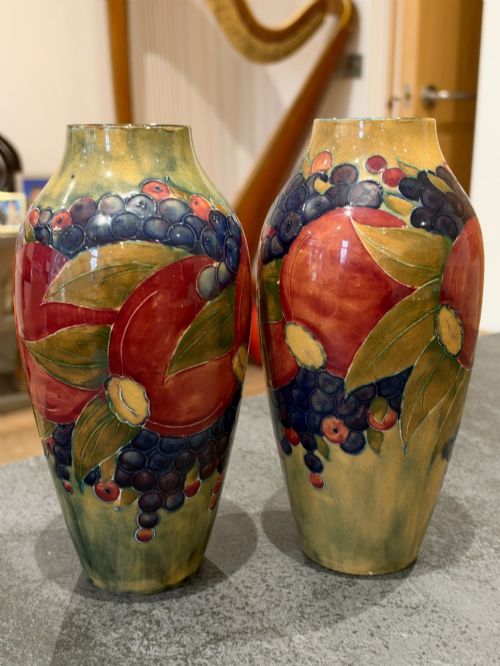
Potteries such as Moorcroft and Royal Worcester relied on skilled throwing, moulding and firing methods to shape vases and pot pourri vessels. Painters like Harry Martin and designers like Daisy Makeig-Jones added detailed pictorial work and specialised colourways before the final kiln firing.
English Pottery Collectables Retail Price Guide 2026
Typical asking prices for english pottery collectables among the pieces listed under this phrase on Sellingantiques today, from the lower quarter to the upper quarter. They describe what is for sale here now, not the wider market.
Several items capture distinct personalities, including Mr Snuff, Mr Sankey, and a Jackfield pottery cow creamer.
What varies in quality
Quality in these objects rests upon the precision of the modelling, the depth and richness of the ceramic glaze, and the intricacy of any hand-painted decoration. Pieces that combine exceptional artistic direction with careful studio execution stand apart from standard commercial production.
The reputation of the designer or painter, such as William Moorcroft or Charles Vyse, significantly influences the standing of a piece. Rarity of pattern and unusual colourways further distinguish finer examples within any given period or type.
Royal Doulton·William Moorcroft·Charles Vyse·Royal Worcester·Wedgwood·Pilkingtons Royal Lancastrian·Maling
The English Pottery Collectables Glossary
- Earthenware
- A porous pottery body fired at lower temperatures, typically requiring a glaze to render it waterproof. It forms the base of many traditional figures and utility vessels.
- Bone china
- A type of porcelain incorporating bone ash, known for its high strength, chip resistance and bright white translucent appearance. It is frequently seen in twentieth-century tableware and figurines.
- Lustre
- A metallic ceramic glaze that produces an iridescent sheen on the surface of the ware. Wedgwood utilised this technique extensively on decorative bowls and vases.
- Baluster
- A vase shape with a rounded body that tapers toward the top and sits on a narrow base. This form appears frequently in Moorcroft pottery designs.
- Pearlware
- A refined earthenware developed in the late eighteenth century featuring a clear glaze with a faint bluish tint in puddings and crevices. Staffordshire potters used this extensively for figures and animals.
English Pottery Collectables: Frequently Asked Questions
What periods do these collectables cover?
The pieces span from the Georgian period and the nineteenth century through the Edwardian, Arts and Crafts, and Art Deco movements up to the 1950s. Earlier examples include Staffordshire pearlware figures.
Later items showcase twentieth-century studio pottery and porcelain figurines from established manufacturers and independent artists.
How do I identify Staffordshire figures?
Staffordshire figures typically feature hand-painted earthenware construction depicting people, royalty, animals or literary characters from the nineteenth century. They often display robust modelling and distinct glazed surfaces.
Many of these figures were produced in pairs or groups, serving as decorative mantelpiece ornaments in Victorian homes.
How do I care for antique pottery?
Keep ceramic and porcelain collectables away from direct sunlight and dramatic temperature fluctuations to protect glazes and enamel decorations. Dust them gently with a soft, dry cloth.
Avoid immersing antique pieces in water, particularly those with delicate painted details or unglazed earthenware bodies.