


Antique English Porcelain Ornament
An antique english porcelain ornament brings cabinet-scale character to a room through centuries of moulded clay, painted glaze and storied kiln craft.
Antique English Porcelain Ornament
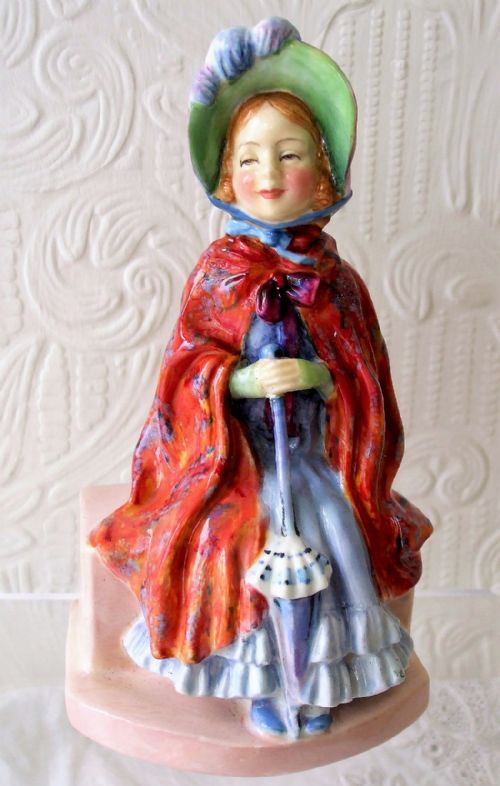
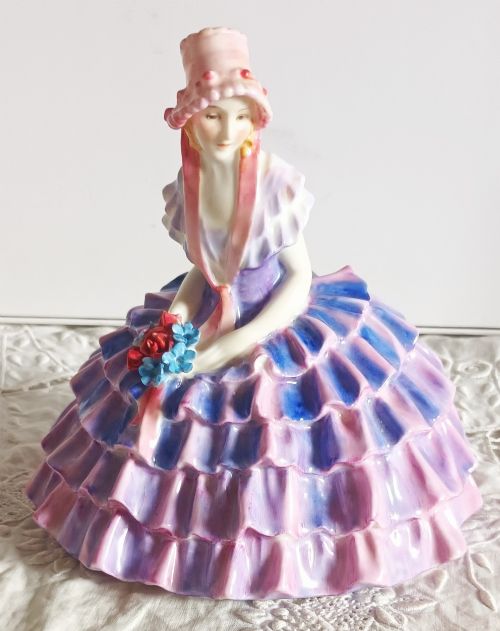
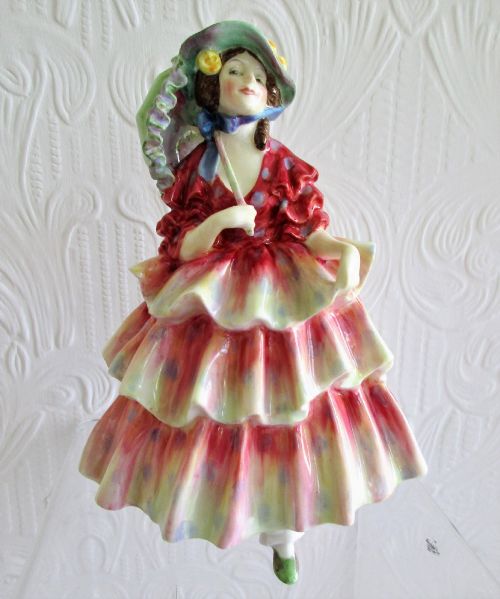
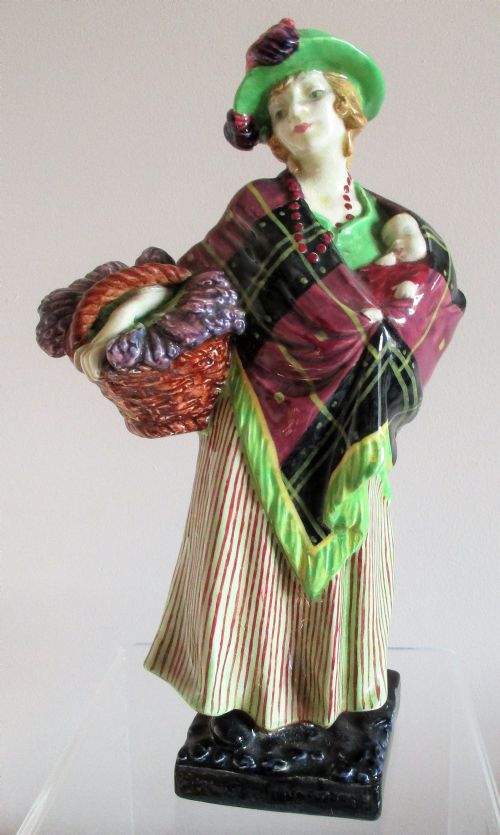
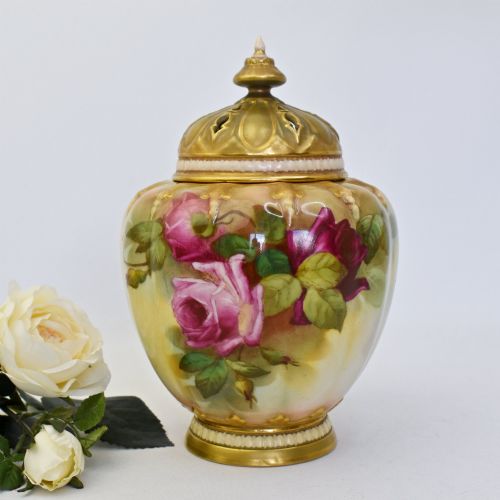
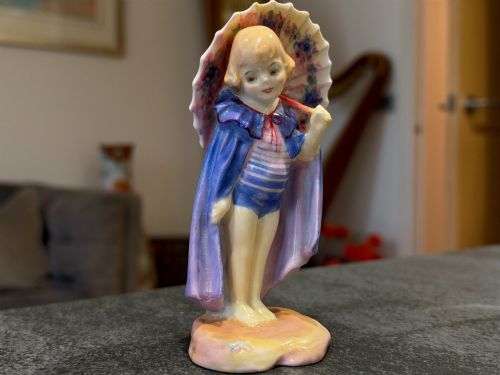
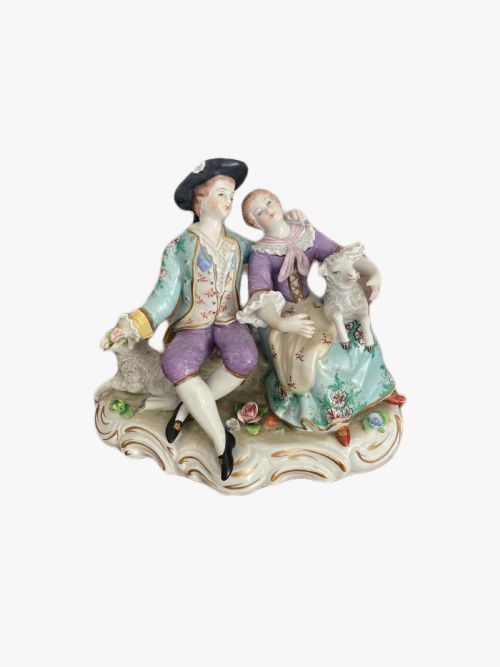
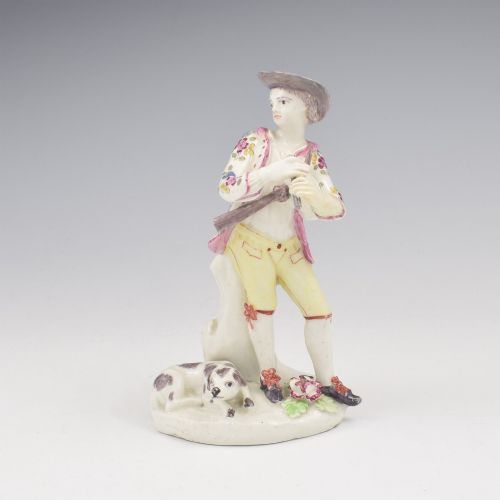
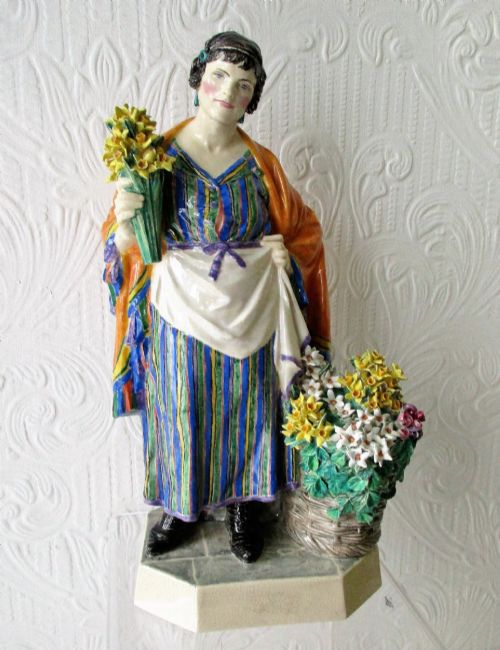
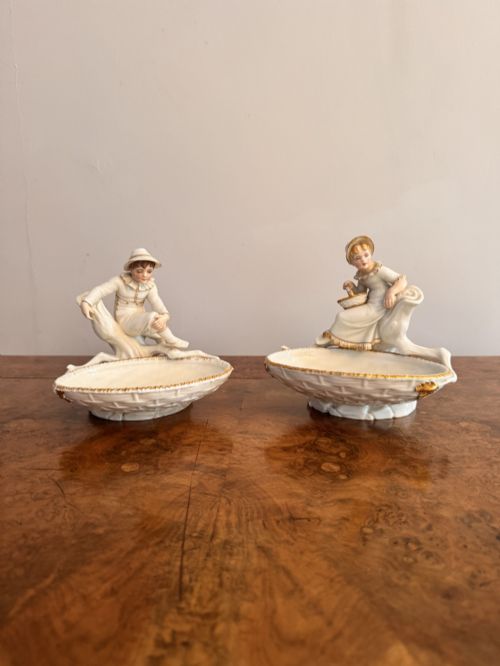
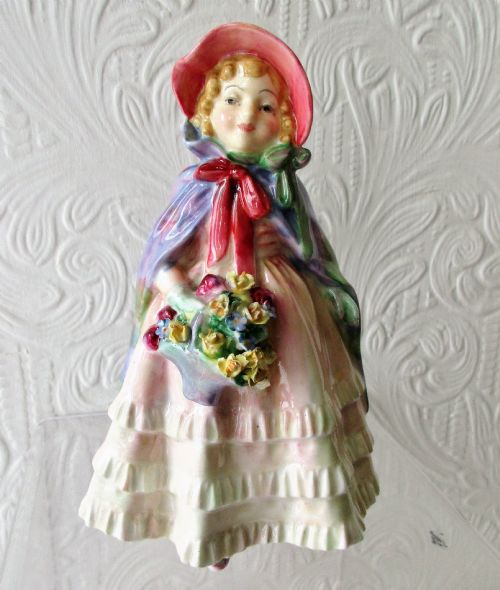
When you search for an antique english porcelain ornament, you enter a diverse field spanning eighteenth-century soft-paste figures and twentieth-century bone china figurines. The selection on this page ranges from Georgian Derby shepherdesses and Bow allegorical putti to Victorian Staffordshire spaniels and Royal Doulton ladies.
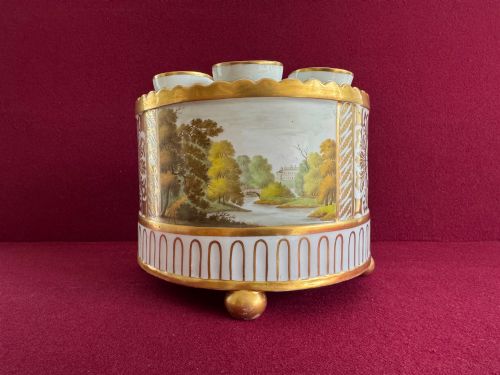
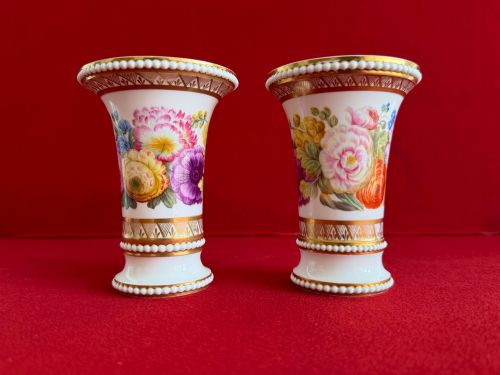
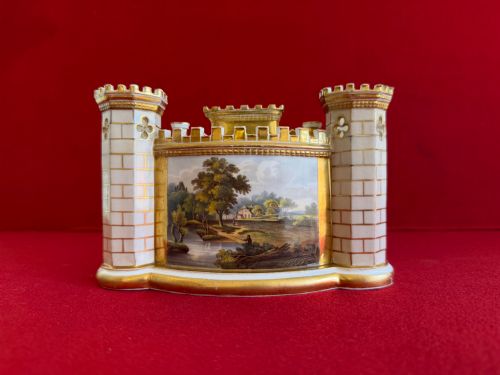
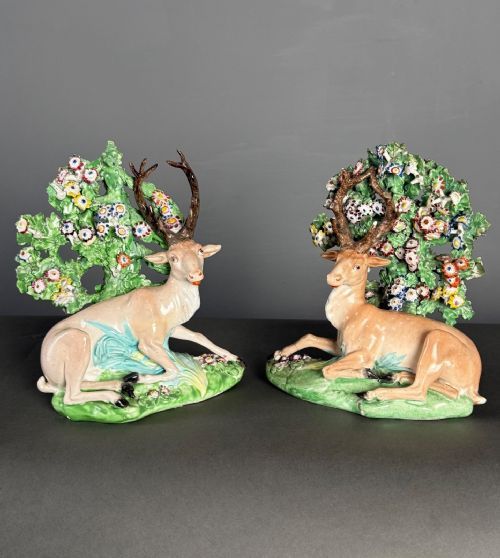
Forms vary from spill vases shaped like castles and pot-pourri jars to individual figures, pairs of stags, and complex group pieces. Makers span historic factories like Bow, Derby, Longton Hall, Rockingham, Spode and Royal Worcester alongside studio potters.
Most items sit within nineteenth-century Victorian production or the interwar decades of the twentieth century, with earlier Georgian pieces appearing in softer pastes and hand-modelled detail.
How They Were Made
Potters built these pieces using soft-paste or bone china porcelain, often finished with polychrome enamel painting, gold leaf detailing, and glossy lead glazes. Early figures from the eighteenth century relied on experimental soft-paste bodies that required immense skill to fire without warping in the kiln.
Later works utilised stable bone china and refined earthenware bodies, shaped by press-moulding or slip-casting before receiving hand-applied enamel colours and gilt highlights.
Antique English Porcelain Ornament Retail Price Guide 2026
Typical asking prices for english porcelain ornament among the pieces listed under this phrase on Sellingantiques today, from the lower quarter to the upper quarter. They describe what is for sale here now, not the wider market.
Listings span Georgian, Victorian and twentieth-century eras, featuring materials from soft-paste porcelain to bone china, enamel and gold leaf.
What Varies in Quality
Quality rests on the crispness of the moulding and the sensitivity of the hand-painting, particularly in facial expressions and botanical details on bocage backgrounds. Early eighteenth-century figures show the organic charm of direct hand-modelling, whereas mass-produced Victorian pieces rely on sharper press-moulds.
The sophistication of the glaze and the preservation of original enamel colours and gold leaf define the upper tier of surviving examples.
Royal Doulton·Royal Worcester·Charles Vyse·John Bevington·Derby Porcelain Factory
The Antique English Porcelain Ornament Glossary
- Soft-paste porcelain
- An early artificial ceramic composition made from glass frit and white clay, fired at lower temperatures than hard paste. It yields a warm, creamy translucency found in eighteenth-century pieces.
- Bocage
- An ornamental background of applied foliage and ceramic leaves surrounding a figure. It provides a naturalistic setting common in Georgian and Victorian models.
- Spill vase
- A hollow cylindrical vase designed to hold wooden spills for lighting candles or fires. Many examples take sculptural forms such as castles or animals.
- Bone china
- A durable ceramic body containing bone ash, developed in England to create a whiter, stronger porcelain. It dominates nineteenth and twentieth-century production.
- Enamel
- Vitreous coloured decoration fused to the surface of fired porcelain during a secondary kiln firing. It produces vibrant reds, blues and greens on antique figures.
Antique English Porcelain Ornament: Frequently Asked Questions
What is soft paste porcelain?
Soft paste porcelain is an early ceramic body containing glass frit rather than hard kaolin clay. It creates a creamy, warm background under the glaze.
This material typifies eighteenth-century pieces from factories like Bow and Derby before bone china became standard.
How do I spot a reproduction?
Study the weight, the crispness of the enamel work, and the ageing patterns on the base of the porcelain. Genuine old pieces show consistent wear and kiln marks appropriate to their era.
Compare the moulding definition against documented factory models from periods such as the Georgian or Victorian eras.
What are bocage figures?
Bocage figures feature applied ceramic leaves and branches forming a leafy arbour behind the main subject. This style originated in eighteenth-century factories to mimic outdoor garden settings.
Makers continued this tradition into the nineteenth century with Staffordshire and Victorian ceramic groups.
How should I clean porcelain ornaments?
Dust porcelain gently with a soft, dry brush to remove surface particles without disturbing fragile enamel or gilt details. Avoid harsh chemical cleaners or soaking pieces with exposed historic repairs.
Keep figures away from direct sunlight to protect hand-painted enamel colours from fading over time.