





Padded Wooden Stool
A padded wooden stool brings warmth and tactile comfort to a room, offering versatile seating crafted from timber and textiles across several centuries.
Padded Wooden Stool
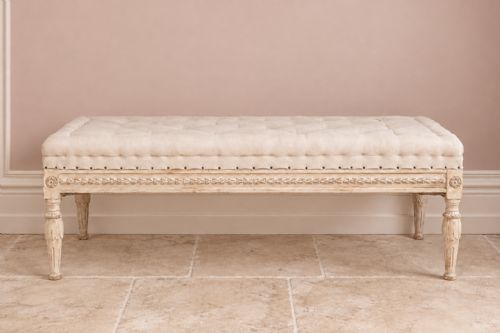
A padded wooden stool provides low seating or foot support, combining a structural timber frame with a cushioned, upholstered top. These pieces appear in numerous forms, from piano benches and dressing table seats to fireside footstools and window seats.
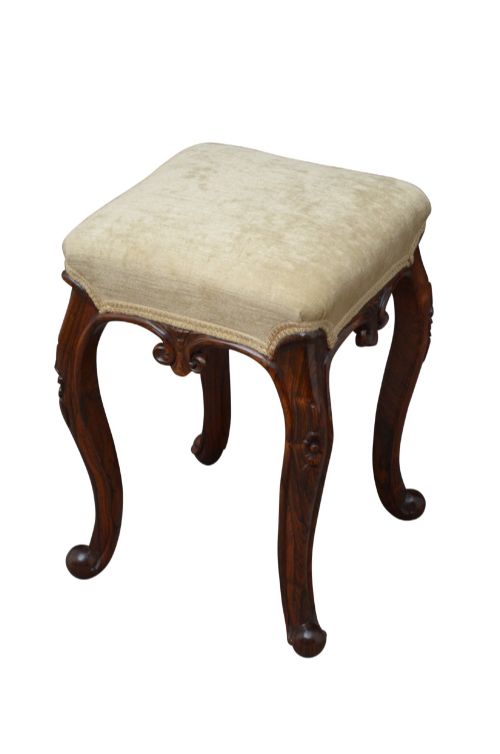
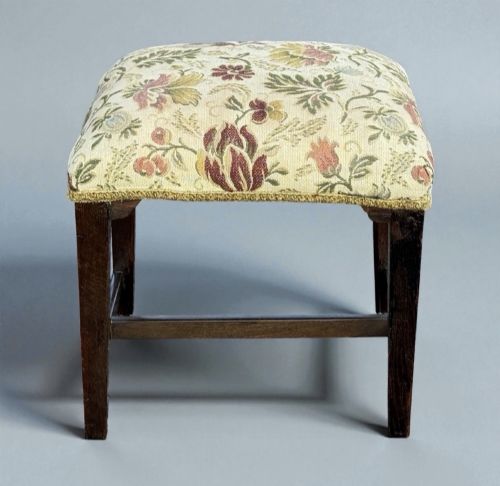
The versions most commonly met on this page date from the nineteenth and early twentieth centuries, though earlier Georgian and eighteenth-century examples also appear. Makers utilised woods such as mahogany, walnut, oak, and rosewood, pairing them with various fabric coverings.
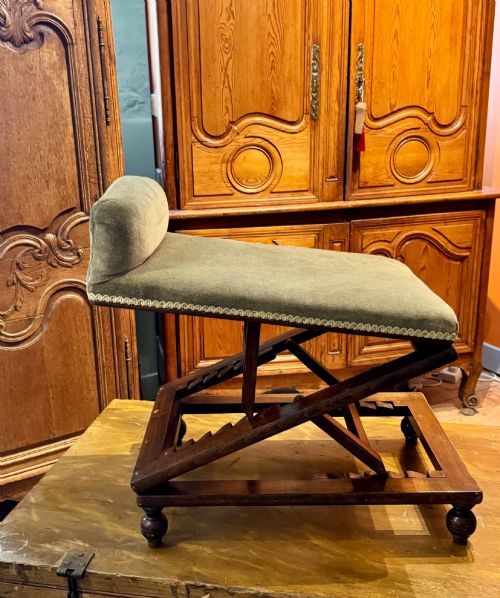
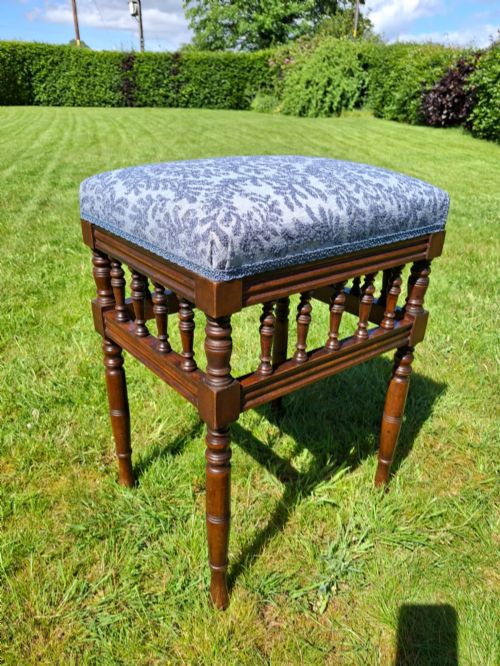
The style of a padded wooden stool often reflects the period of its creation or later revivals, ranging from Queen Anne and Chippendale influences to Victorian and Edwardian designs. Buyers find pieces shaped for specific domestic tasks, such as gout stools, duet piano stools, and tall circular stools.
Materials and construction
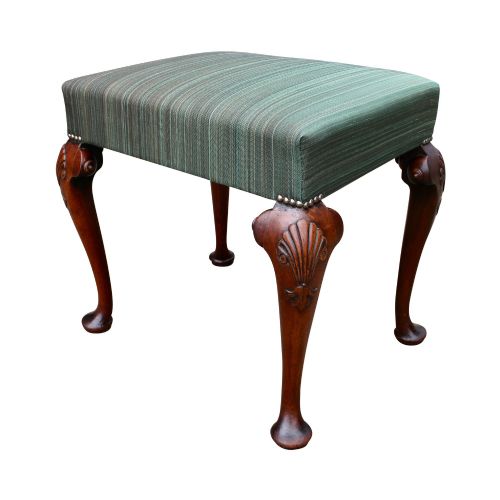
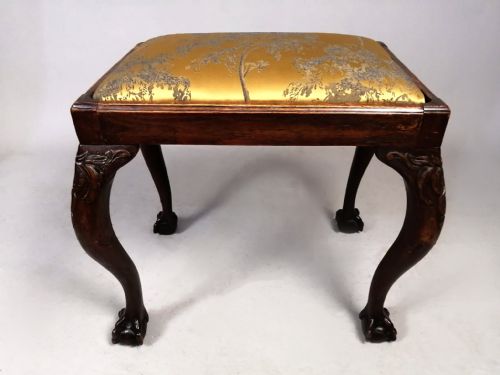
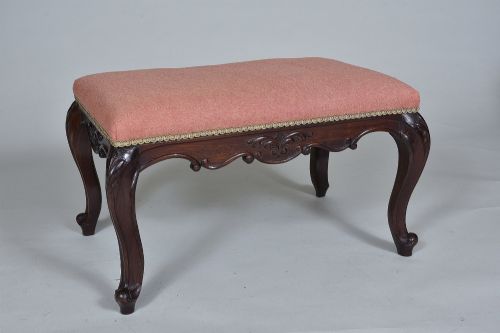
Makers constructed the rigid frames of these stools using hardwoods such as mahogany, walnut, oak, elm, and beech, frequently employing traditional joinery methods to ensure stability. Certain pieces feature carved details, cabriole legs, or inlaid motifs that display the joiner's skill.
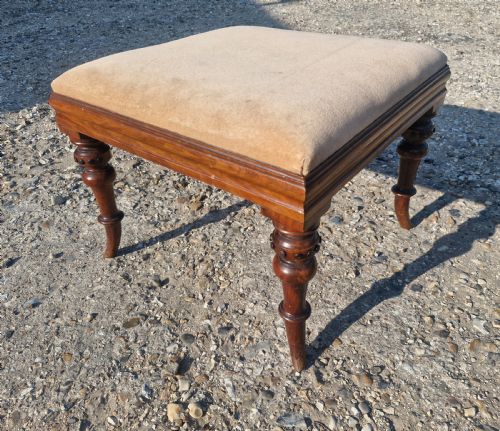
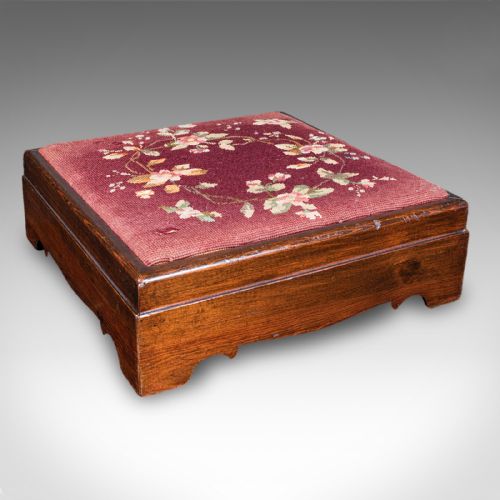
The upper portion relies on a padded foundation covered in textiles, which includes velvet, tapestry, needlework, linen, fabric, and woven rattan. Over time, many pieces receive new upholstery while retaining their original wooden frames.
Padded Wooden Stool Retail Price Guide 2026
Typical asking prices for padded wooden stool among the pieces listed under this phrase on Sellingantiques today, from the lower quarter to the upper quarter. They describe what is for sale here now, not the wider market.
The listings on this page span the eighteenth, nineteenth, and early twentieth centuries, featuring timber varieties from mahogany and walnut to exotic goncalo alves wood.
Judging quality and character
Quality in a padded wooden stool rests upon the selection of timber and the precision of the frame's construction, such as sturdy leg attachments and clean carving. Dense, well-figured woods like walnut and mahogany indicate a finer origin than simpler utility pieces.
The harmony between the wooden base and the upholstery contributes significantly to a piece's success, whether it wears period needlework or complementary modern fabric. Proportion, balance, and the crisp execution of stylistic details separate standard seating from exceptional examples.
The Padded Wooden Stool Glossary
- Cabriole leg
- A furniture leg that curves outward at the knee and inward at the ankle, finishing in a pad, claw, or scroll foot. This form appears frequently on eighteenth-century and revival stools.
- Gout stool
- A specialised footstool featuring an adjustable inclined top designed to elevate and rest a foot affected by gout. Victorian examples often incorporate mechanical adjustments.
- Joint stool
- A sturdy, traditionally pegged wooden stool constructed with mortise and tenon joints by a joiner rather than a turner. Early examples frequently date from the seventeenth or eighteenth centuries.
- Needlework
- Hand-stitched textile work utilising yarn or thread on a canvas mesh ground. Many antique stools feature needlework upholstery worked in wool or silk.
- Window seat
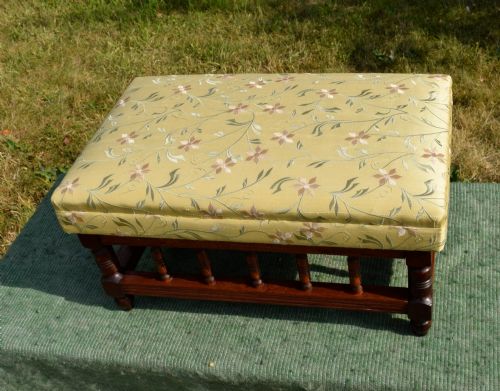
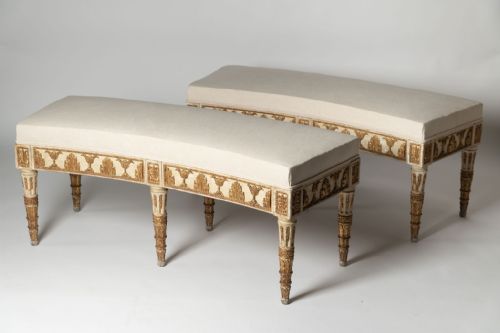
- An elongated stool or bench designed to fit the width of a window recess. These pieces often include upholstered tops and carved wooden frames.
Padded Wooden Stool: Frequently Asked Questions
Where should I place a padded wooden stool?
These stools suit various spots around the home, functioning well at the foot of a bed, beside a fireplace, or beneath a dressing table. Their compact footprint allows them to move easily between rooms as extra seating when guests arrive.
Lower footstools fit comfortably in front of armchairs or sofas to provide leg support. Larger benches and window seats fill empty hallways or sit neatly beneath window frames.
How do I care for the wooden frame?
Dust the timber regularly with a soft, dry cloth to prevent the accumulation of grit that can scratch polished surfaces. Avoid placing wooden stools in direct sunlight or near heat sources, which cause the timber to dry out and split.
Applying a suitable microcrystalline wax occasionally helps nourish the wood and maintain its sheen without building up heavy residue. Keep the room's humidity stable to protect both the joints and the finish.
Can I reupholster an antique stool?
Many antique stools feature replacement upholstery because original fabrics wear out over centuries of use. Updating the fabric lets you match your interior decor while preserving the historic wooden frame underneath.
When commissioning new upholstery, choose a textile that suits the period of the piece, whether that is a plain linen or a traditional woven tapestry. Ensure the padding technique respects the original profile of the stool.
How do I distinguish Victorian from Georgian stools?
Georgian stools, dating from the eighteenth century, often display restrained carved mahogany or walnut frames with precise cabriole or straight legs. Their proportions tend to feel robust yet elegant, reflecting classical design rules of the period.
Victorian stools from the nineteenth century frequently exhibit darker finishes, ebonised wood, or more exuberant carvings, alongside specialised forms like metamorphic gout stools and duet piano benches. Stylistic revivals during the Victorian era also borrowed heavily from earlier centuries.