





Padded Rosewood Seating
Padded rosewood seating pieces are Victorian and earlier wooden furnishings upholstered in various textiles, offering durable comfort for traditional interiors.
How they were made
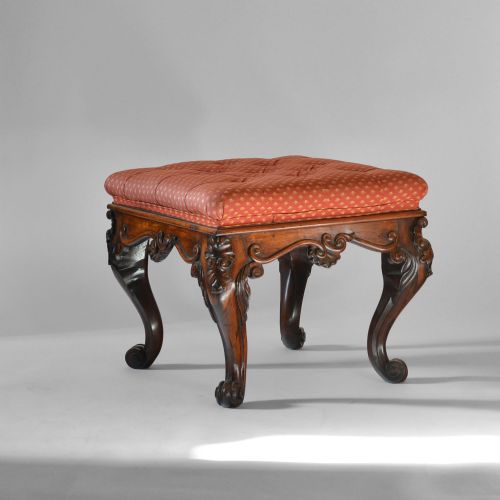
These items are constructed from dense rosewood, sometimes accompanied by mahogany framework, shaped into cabriole legs, X-frames, and carved structures. Workshops employed traditional joinery to support the weight of the timber and the pressure placed upon the seats.
Upholstery techniques involve padding applied over webbing and springs, finished with fabrics such as velvet, tapestry, and other textiles, often secured or accented with brass elements.
What varies in quality
The refinement of the timber carving and the elegance of the structural silhouette distinguish finer examples from standard production. Superior pieces exhibit well-proportioned cabriole legs, crisp carved details, and robust rosewood frames.
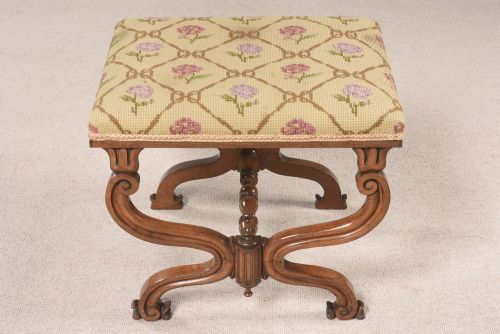
The standard of the upholstery materials, from floral trellis tapestry to velvet and general textile coverings, dictates the visual and tactile richness of the finished seating.
Padded Rosewood Seating Retail Price Guide 2026
Typical asking prices for padded rosewood seating among the pieces listed under this phrase on Sellingantiques today, from the lower quarter to the upper quarter. They describe what is for sale here now, not the wider market.
Some nineteenth-century piano stools rise deliberately to accommodate the player.
The Padded Rosewood Seating Glossary
- Cabriole leg
- A furniture leg that curves outward and then tapers inward, mimicking an animal limb. This form appears frequently on Victorian stools.
- Ottoman
- A low, upholstered seat or footstool without a back or arms. These pieces provide wide padded surfaces for resting feet or sitting.
- X-framed
- A furniture base constructed with intersecting diagonal timbers forming an X shape. This configuration offers structural support and stylistic flair.
- Rosewood
- A heavy, durable timber featuring distinct grain patterns and deep colouration. It serves as the primary structural material for these items.
- Tapestry upholstery
- A heavy textile woven with pictorial or decorative patterns used to cover seats. Floral trellis designs are typical examples seen on these pieces.
Padded Rosewood Seating: Frequently Asked Questions
What periods do these pieces date from?
These items primarily date across the nineteenth century, covering Regency, George IV, and various Victorian phases. Makers produced them from around eighteen hundred through to the late Victorian era.
Specific decades represented include the eighteen fifties, sixties, seventies, eighties, and nineties. Anglo-Indian examples also appear within the wider nineteenth-century grouping.
What forms of padded rosewood seating exist?
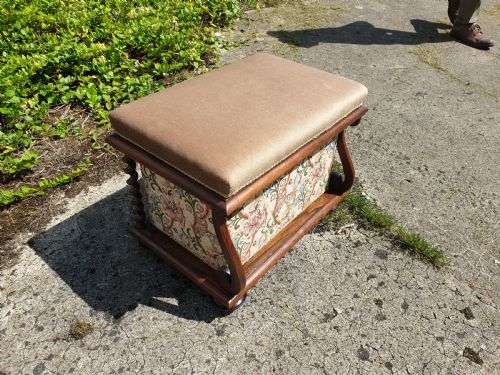
The category includes numerous varieties of stools, ranging from simple footstools to box seat piano stools and large ottomans. Sofas, settees, and open armchairs also form part of the selection.
Smaller footstools and cabriole leg stools are the most commonly encountered items. Larger seating forms like sofas and settee structures appear less frequently.
Which materials are used in these items?
Rosewood provides the solid wooden framework for all pieces, occasionally supplemented by mahogany. Brass fittings and components also feature on certain designs.
Upholstery materials include velvet, tapestry, and general textile fabrics. Padding beneath these coverings gives the seats their cushioned surface.
How do you identify Victorian examples?
Victorian pieces often display characteristic stylistic markers such as cabriole legs, carved wooden frames, and specific upholstery fabrics. Dating relies on these structural details and documented periods.
Later Victorian items may incorporate inlaid wood decoration alongside standard padding and rosewood construction. Earlier pieces from the Regency or George IV eras exhibit distinct stylistic proportions.