




Padded Piano Bench
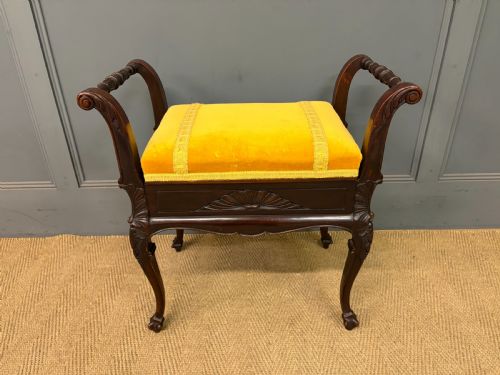
A padded piano bench provides a sturdy seat at the keyboard, combining rich timber frames with comfortable textile tops.
Padded Piano Bench
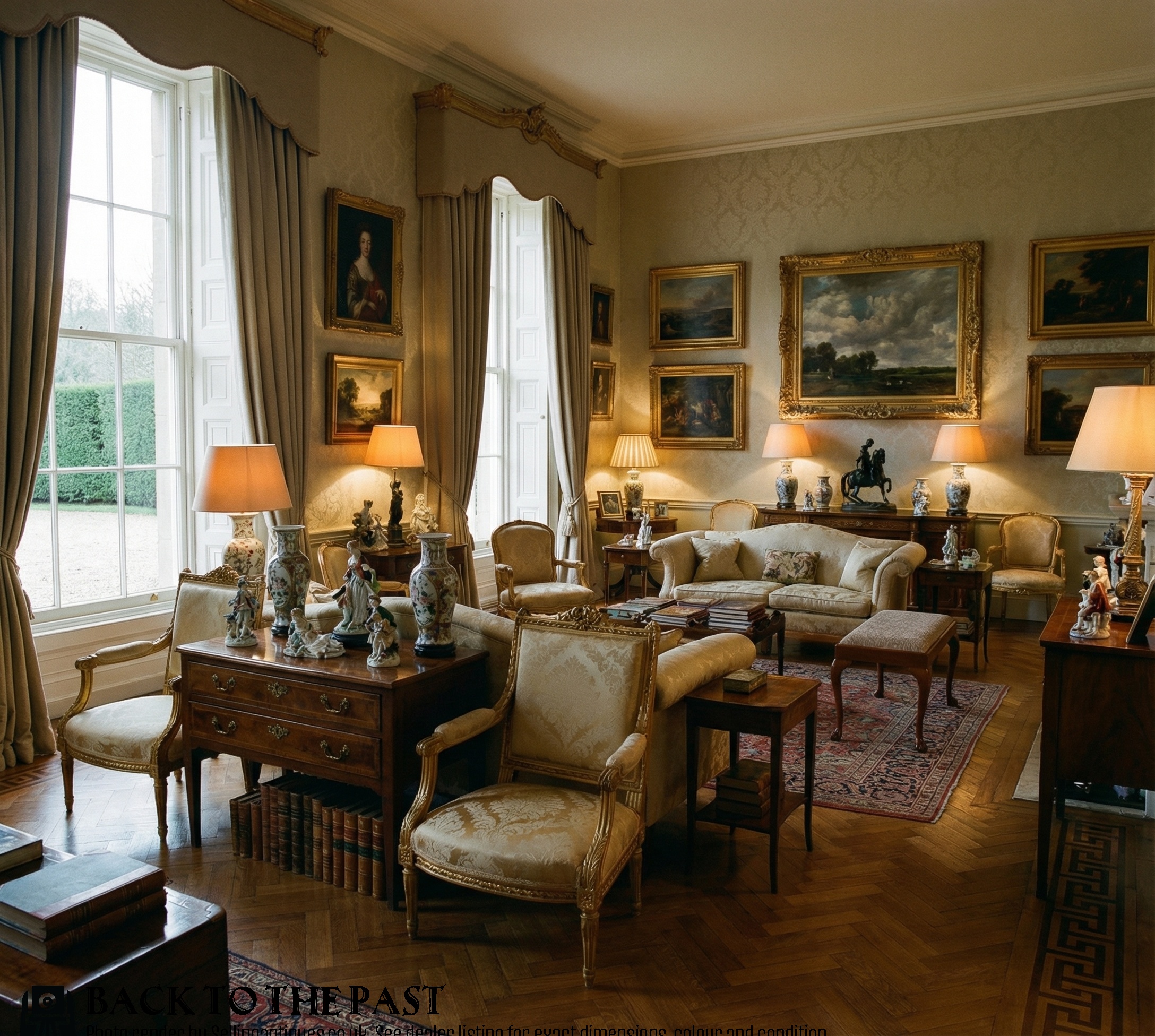
A padded piano bench serves both instrumentalists and interiors, appearing frequently across Victorian and Edwardian periods in various forms.
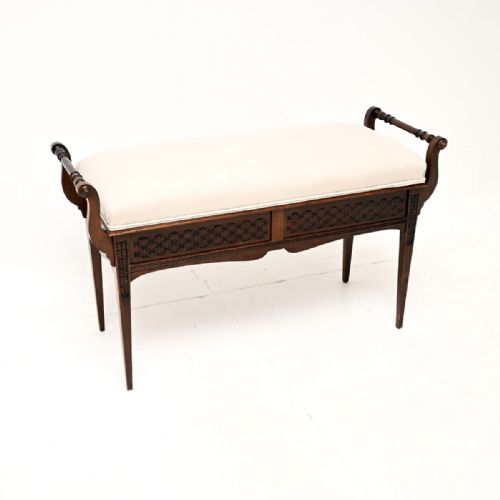
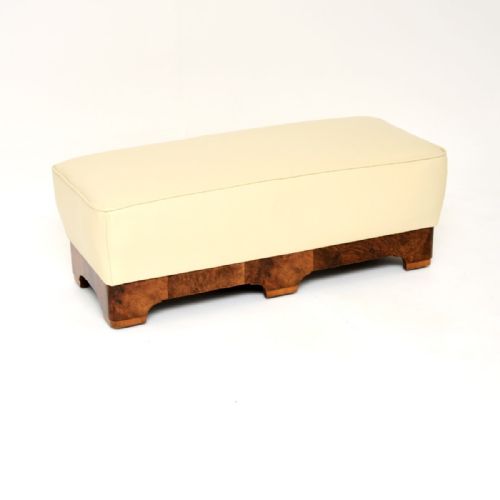
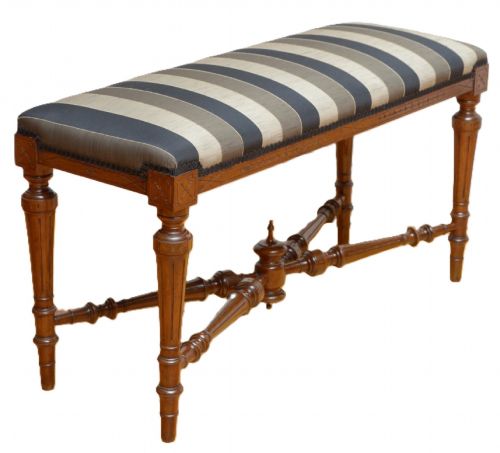
You will encounter single seats, larger duet benches for two players, and window seats sharing similar proportions and upholstered surfaces.
Makers shaped these pieces in mahogany, walnut, and oak, often incorporating hinged seats or fall fronts to store sheet music underneath.
Materials and construction
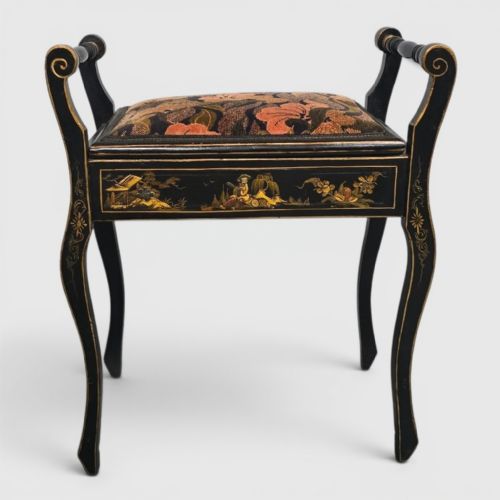
Cabinet makers built the structural frames using dense timbers like mahogany and walnut, occasionally employing ebonised finishes or burr veneers.
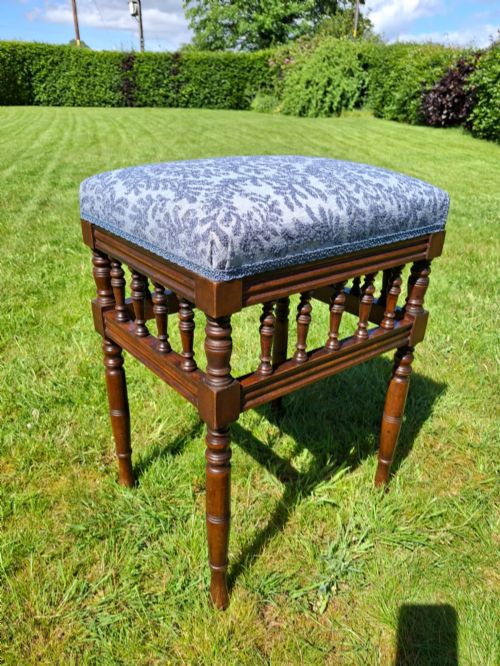
Upholstery techniques involved durable textiles, leather, velvet, and tapestry, sometimes finished with deep buttoning or needlepoint work.
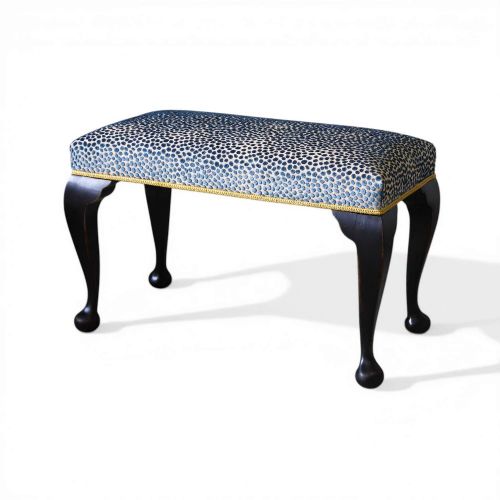
Turned legs, cabriole legs with brass castors, and inlaid details completed the construction of these functional seats.
Padded Piano Bench Retail Price Guide 2026
Typical asking prices for padded piano bench among the pieces listed under this phrase on Sellingantiques today, from the lower quarter to the upper quarter. They describe what is for sale here now, not the wider market.
Listings feature mahogany, walnut, and oak frames paired with velvet, leather, and tapestry upholstery.
Evaluating craftsmanship
Quality rests in the selection of cabinet timbers and the crispness of carved details like cabriole legs or inlaid borders.
The sophistication of the internal mechanism, such as a smoothly operating fall front or hinged music compartment, distinguishes better examples.
Substantial frames with tight joinery and well-executed upholstery outlast lighter constructions.
Jas Shoolbred
The Padded Piano Bench Glossary
- Duet stool
- An elongated piano bench designed to seat two players side by side. These wider forms often feature hinged seats for shared music storage.
- Fall front
- A hinged vertical panel that drops down to reveal internal storage compartments. This mechanism allows easy access to sheet music while seated.
- Cabriole leg
- A furniture leg that curves out in a convex arc and tapers inward in a concave arc to a foot. This classic shape appears frequently on mid to late nineteenth-century walnut frames.
- Ebonised
- Wood treated with a dark stain or finish to imitate ebony. This technique created a striking, formal appearance popular during the Victorian period.
Padded Piano Bench: Frequently Asked Questions
What is a duet piano bench?
A duet piano bench is an extended seat built to accommodate two musicians sharing a single keyboard. These wider versions frequently include hinged lids that open to reveal generous storage space for large portfolios of sheet music.
They function equally well as window seats or long dressing stools in other rooms of the house.
How do I spot an Edwardian bench?
Edwardian benches often feature lighter mahogany frames with subtle inlaid woodwork or simpler turned legs. The overall aesthetic leans toward refined elegance rather than heavy, ornate carving.
They frequently display softer upholstery treatments and reflect the lighter domestic tastes of the early twentieth century.
Can I use these benches outside the music room?
These versatile pieces suit dressing tables, hallways, and living rooms just as well as piano rooms. Their compact proportions and upholstered tops provide practical seating wherever an occasional bench is needed.
Versions with internal storage also help reduce clutter in smaller spaces.
What timber was most commonly used?
Mahogany and walnut form the backbone of these pieces across the Victorian and Edwardian eras. Cabinet makers valued these hardwoods for their strength, rich grain, and suitability for carving.
Oak and ebonised finishes also appear, particularly in Arts and Crafts or later revival designs.