
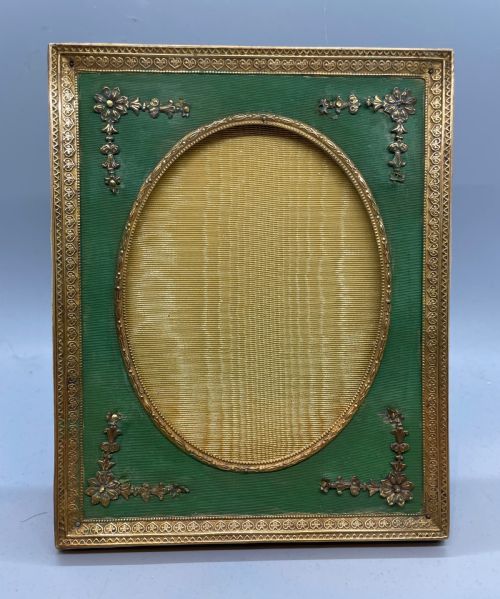
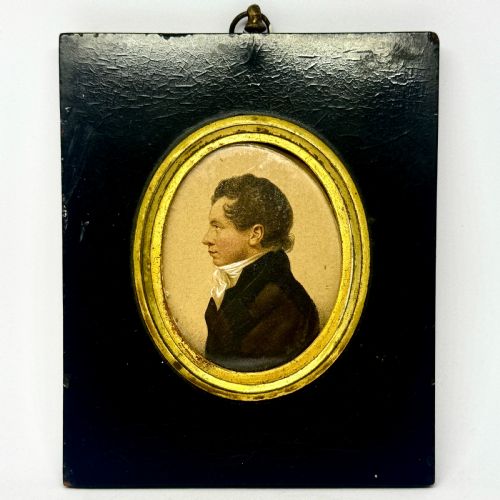
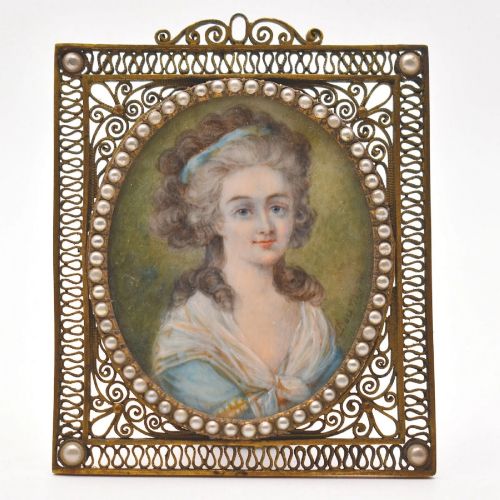


Oval Brass Frame Portrait
An oval brass frame portrait brings together small-scale painting and metalwork, offering intimate likenesses suited to cabinet display or wall mounting.
Oval Brass Frame Portrait
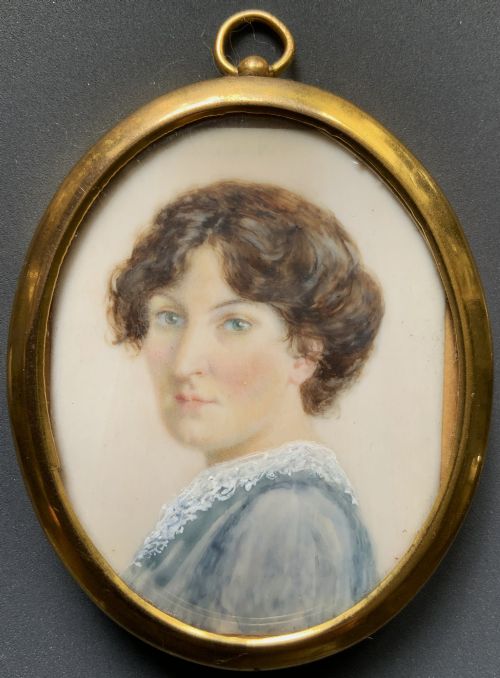
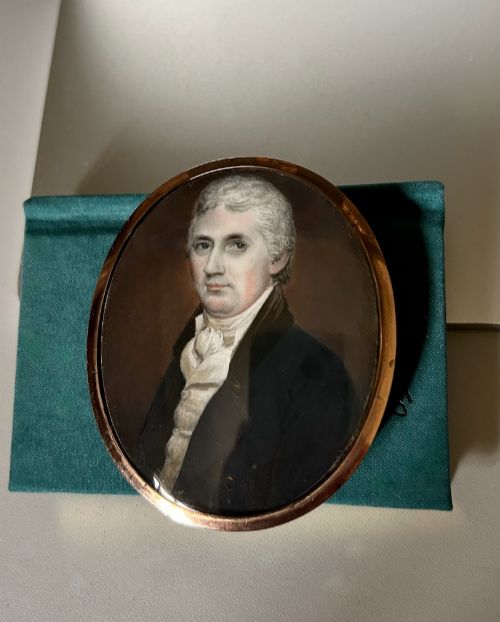
An oval brass frame portrait combines small-scale likenesses with cast metal surrounds, frequently appearing as silhouette cuttings, watercolour studies, or painted miniatures. Buyers encounter works spanning from the eighteenth century through the Georgian and Regency eras into the Victorian period and the twentieth century.
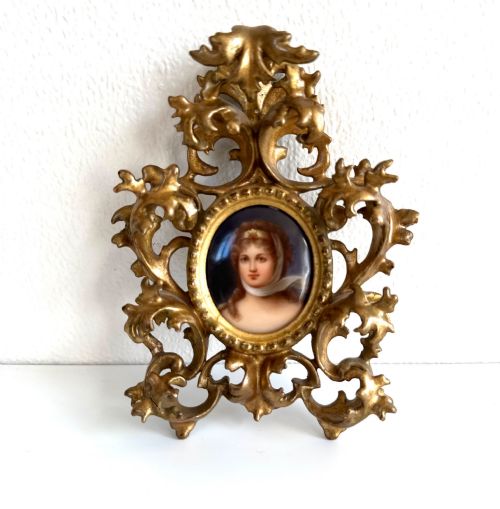
The objects take several distinct forms, including hanging wall plaques, easel-backed table frames, and pocket-sized mementos. Many items pair delicate paper silhouettes or enamel surfaces with heavy cast brass, gilt bronze, or ormolu mounts.
Originating largely from British and French makers, the pieces reflect changing domestic interior tastes across multiple design movements. The inventory balances early hand-painted works against later photographic and decorative frames housing similar portrait subjects.
Materials and construction
Makers utilised brass, gilt metal, and ormolu to cast decorative surrounds, often finishing the metal with chased details or gilding. Glass protected the fragile contents within, which included watercolour on card, enamel plaques, and plaster or paper silhouettes.
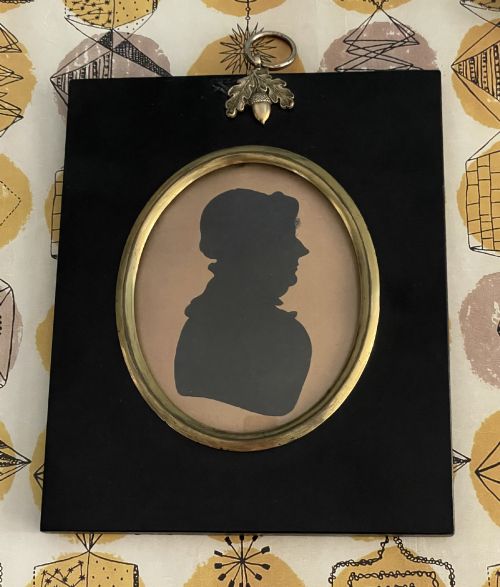
Portraits themselves required fine hand application, seen in watercolour pigments, plumbago, and painted enamel. Silhouettes involved precise cutting of black paper or painting directly onto plaster and ivory surfaces.
Frames frequently incorporated ebonised wood or folding brass easels to support the small compositions. Backings used card and wood secured with pins or small metal turns to hold the internal glass and portrait tightly in place.
Materials recorded across the inventory include glass, brass, paper, watercolour, gilt metal, ebonised wood, wood, and enamel.
Distinctions in quality
Quality rests heavily upon the crispness of the metal casting and the precision of the hand painting. Superior cast brass and gilt bronze frames display sharp relief work and secure joints, whereas simpler items show softer edges from worn moulds.
George Atkinson·James Gillespie·John Miers·Archibald Skirving·Susie Lassam·Jeremiah Steele
The Oval Brass Frame Portrait Glossary
- Silhouette
- A solid black profile likeness cut from paper or painted onto card, plaster, or ivory. This technique gained immense popularity during the eighteenth and nineteenth centuries.
- Plumbago
- A drawing executed in graphite, taking its name from the Latin word for lead ore. Artists used this medium for highly detailed miniature portraits.
- Ormolu
- Gilded bronze applied to furniture, clock cases, and picture frames. The technique involves treating metal with a mercury and gold amalgam.
- Pinchbeck
- An alloy of copper and zinc developed to imitate gold. It provides a warm metallic tone commonly found in antique jewellery and small frames.
- Miniature portrait
- A painting executed on a very small scale, typically on ivory, vellum, or card. These works demand extreme precision from the artist.
Oval Brass Frame Portrait: Frequently Asked Questions
How were portrait miniatures displayed?
These small works hung in groups on drawing-room walls or stood on desks using folding brass easels. Owners also kept them in protective travel cases or wore them as personal mementos.
Over time, display habits shifted from wall arrangements to intimate tabletop placement. Many frames retain their original hanging loops and support stands for this dual purpose.
What materials make up the frames?
Frames utilise cast brass, gilt bronze, ormolu, and ebonised wood. Glazing consists of early thin glass held securely over the portrait.
Metal components often feature decorative casting patterns such as floral motifs or Napoleonic bees. Wood elements provide dark contrasting borders around the metallic surrounds.
How do I identify the period?
Dating relies on the portrait medium, clothing styles, and the specific casting techniques of the metal frame. Georgian and Regency pieces often feature delicate silhouettes or watercolour profiles.
Later Victorian and Edwardian examples incorporate heavier brass work and different framing proportions. Comparing the backing materials and fastening methods also helps establish the age.
Are these portraits hand painted?
Many examples are original hand-painted works in watercolour, oil, or enamel by named artists and miniaturists. Others consist of hand-cut paper silhouettes or painted plaster profiles.
Closer inspection reveals the individual brushstrokes or paper edges characteristic of handmade items. This distinguishes them from later printed reproductions placed inside antique frames.