
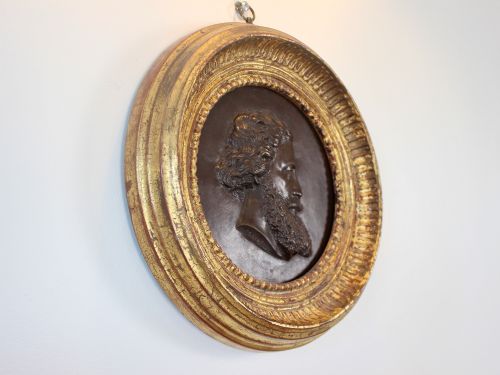


Victorian Gentleman Profile Portrait
These Victorian gentleman profile portrait pieces capture individual likenesses through silhouettes, paintings, intaglios, and plaques.
Victorian Gentleman Profile Portrait
A victorian gentleman profile portrait brings nineteenth-century character into a room through framed works, rings, and wall plaques. Buyers searching this phrase encounter depictions of gentlemen rendered in various media across the nineteenth century.
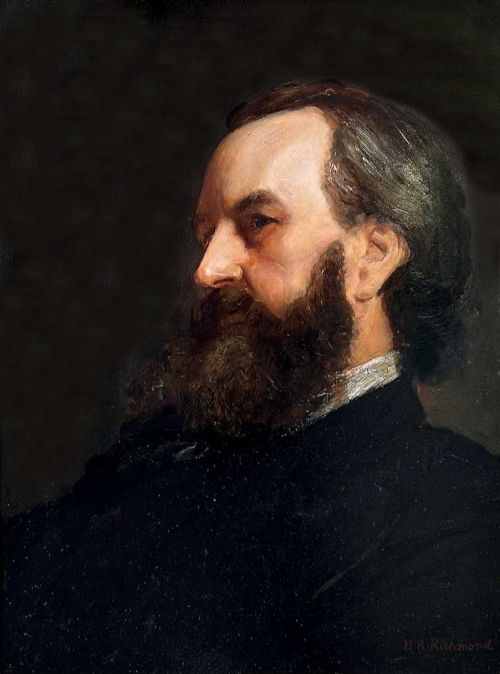
The pieces on this page span the Victorian and Regency periods, utilising materials such as glass, paper, ink, wood, gilt, maple, oil on canvas, and gold. Silhouettes and portrait miniatures form a prominent part of these listings.
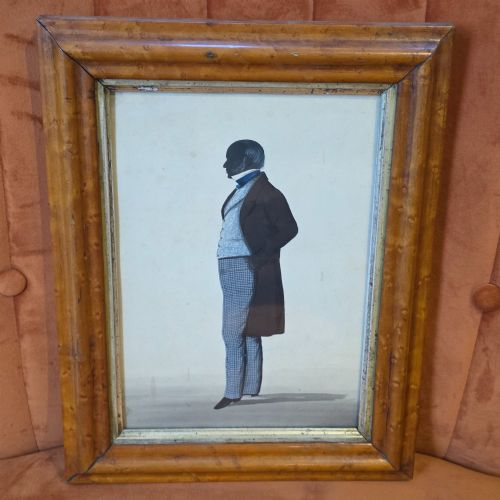
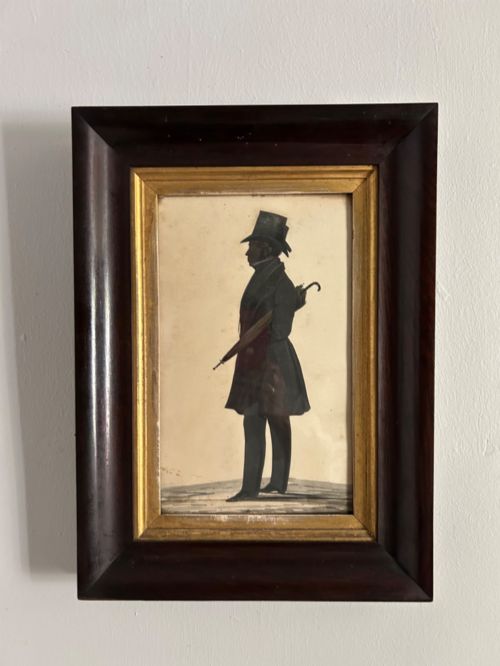
Works range from full-length hand-cut paper silhouettes to detailed bronze plaques and painted oils. Each object preserves the likeness of a gentleman in side profile through the craftsmanship of the period.
How they were made
Makers utilised paper, ink, and glass alongside oil on canvas and bronze to create these likenesses. Hand-cut paper silhouettes required precise knife work to capture the exact contours of a gentleman's profile.
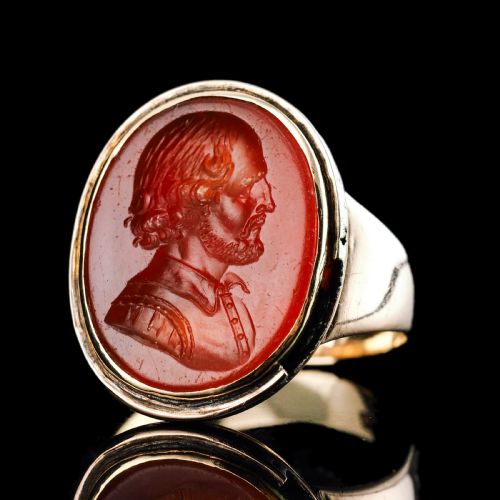
Precious metals like 18K and 9ct gold were worked into rings featuring carnelian intaglios and cameos. Bronze and metalwork involved casting and signing by artists such as Mainfroy.
Framed works combined maple wood and gilt surrounds to house paper silhouettes and paintings. These techniques relied on traditional handcrafting methods standard in the nineteenth century.
Listings feature items from the 19th Century, Victorian, and Regency periods utilising materials including glass, paper, gold, and bronze.
What varies in quality
Material selection dictates the standing of rings and plaques, with solid gold settings and detailed intaglio carving representing superior execution. The quality of the artist's signature or attribution also influences the character of the artwork.
Hubard Gallery·Frederick Frith·Mainfroy
The Victorian Gentleman Profile Portrait Glossary
- Silhouette
- A portrait cut from paper or painted in solid black profile. This form gained popularity in the eighteenth and nineteenth centuries.
- Intaglio
- A gem or stone carved with a design depressed below the surface. These were frequently set into gold rings for signet use.
- Cameo
- A method of carving where a relief image stands up from a background layer. This technique often utilised shell or stone.
- Portrait Miniature
- A small, highly detailed painting on materials such as canvas or card. These portable likenesses were collected by families during the nineteenth century.
- Gilt
- A thin layer of gold applied to wood or metal surfaces. It provides a decorative finish to frames and plaques.
Victorian Gentleman Profile Portrait: Frequently Asked Questions
What is a silhouette portrait?
A silhouette portrait is a likeness cut from paper or painted in profile, showing the subject's outline.
These pieces were commonly produced in the nineteenth century before photography became widespread.
How were intaglio rings worn?
Intaglio rings featured carved stones set into gold bands, often used to stamp wax seals on documents.
Gentlemen wore these rings as both personal accessories and practical tools for correspondence.
What periods do these portraits cover?
The pieces span the Regency and Victorian periods across the nineteenth century.
Styles reflect nineteenth-century classical trends alongside Victorian revival aesthetics.
How should I display a framed silhouette?
Framed silhouettes work well hung on walls alongside other small nineteenth-century artworks and plaques.
Keep them away from direct sunlight to protect the paper and ink from fading over time.