
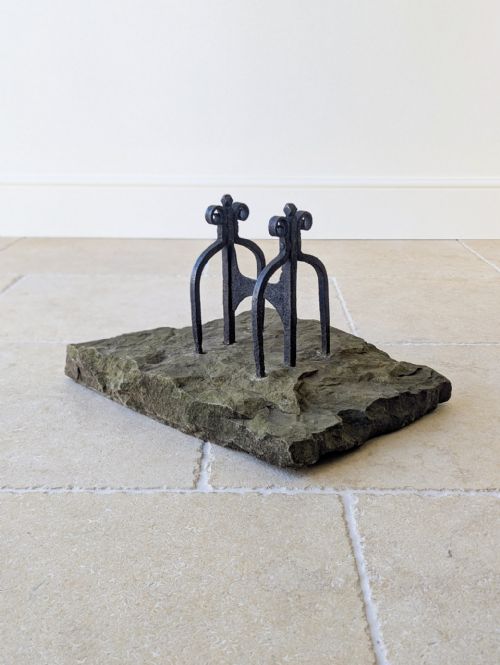
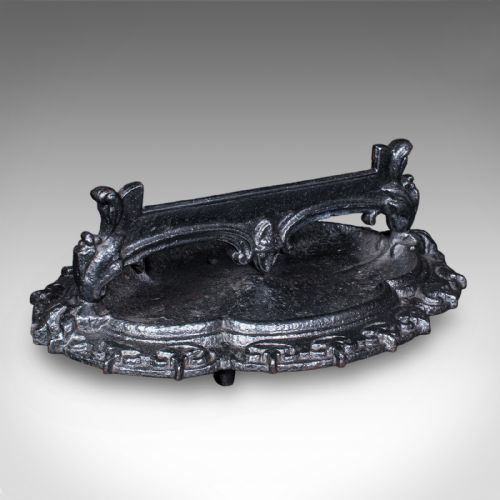

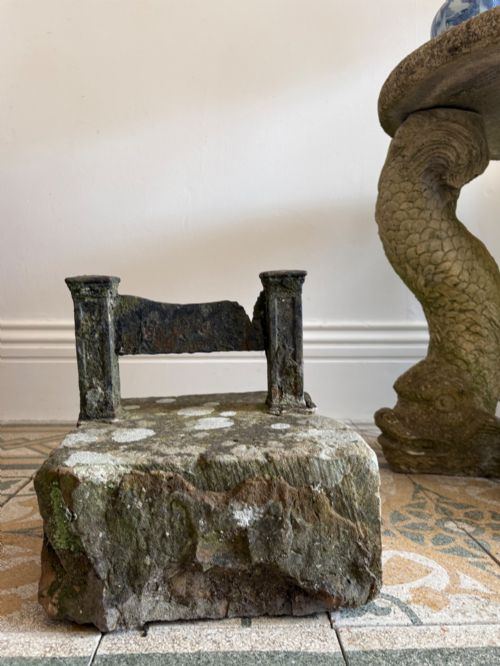


Outdoor Boot Wiper
An outdoor boot wiper keeps muddy footwear outside the threshold, combining sturdy metal blades with solid stone bases.
Outdoor Boot Wiper
When you search for an outdoor boot wiper, you encounter heavy functional entrance furniture designed to scrape mud from shoes before entering a building. These pieces appear across several historical periods, including the Georgian, Regency, and Victorian eras.
The versions you are most likely to meet on this page are cast iron blades set into solid blocks of stone, yorkstone, or hewn stone. They take the form of boot scrapers, doorway shoe cleaners, and occasionally paired entrance fittings.
Originating from country houses and town residences, these items bridge architectural ironwork and practical utility. Their forms range from simple utilitarian iron plates to elaborate Gothic Revival designs.
How they were made
Makers fashioned the scraping blades and pulls from durable cast iron or wrought iron, utilising foundry techniques suited to outdoor exposure. These metal components provide the rigid edge required to clear thick dirt from footwear.
The metal elements are inset or secured directly into heavy natural foundations such as yorkstone, stone, and hewn blocks. This substantial weight anchors the scraper firmly in place beside a doorway without requiring permanent floor fixings.
Materials recorded across the current selection comprise cast iron, wrought iron, yorkstone, and stone.
What varies in quality
Quality in an outdoor boot wiper rests in the integrity of the stone base and the crispness of the ironwork. Heavy, well-hewn yorkstone blocks combined with substantial cast or wrought iron display a superior standard of construction compared to lighter, simpler alternatives.
Design ambition also separates standard examples from finer pieces, particularly where Gothic Revival detailing or balanced Regency proportions elevate a utilitarian object into considered architectural ironwork.
The Outdoor Boot Wiper Glossary
- Boot scraper
- A metal blade mounted outside a doorway to remove mud and dirt from footwear. It represents the primary functional element of these entrance pieces.
- Yorkstone
- A tough, durable sandstone quarried in Yorkshire, frequently used as the heavy base block for iron scrapers. This material withstands heavy foot traffic and weathering.
- Cast iron
- Molten iron poured into a mould to form rigid shapes and blades. It provides the strong, unyielding edge necessary for scraping boots.
- Gothic Revival
- An architectural and decorative style drawing inspiration from medieval forms, seen in pointed arches and decorative iron motifs. Pieces in this style bring ornate character to a functional object.
Outdoor Boot Wiper: Frequently Asked Questions
Where were outdoor boot wipers placed?
These items stood directly outside domestic entrances, porch doorways, and country house thresholds where muddy boots needed cleaning before entry.
Their heavy stone bases kept them stable on flagstones or doorsteps without permanent installation.
How do I date a boot wiper?
Dating relies on the style of the ironwork, the shape of the stone base, and the manufacturing method used for the metal.
Georgian and Regency examples tend to show simpler wrought iron forms, while Victorian and Gothic Revival pieces often utilise heavier cast iron and decorative mounting.
Can I use an antique boot wiper outside?
These pieces were originally built for exterior use, combining weather-resistant cast iron and stone to withstand the elements.
They function outdoors today just as they did historically beside a doorway or garden path.
What is the difference between cast iron and wrought iron here?
Cast iron is poured into a mould, resulting in rigid, sometimes patterned blades and heavier components common in the Victorian era.
Wrought iron is hammered and shaped by hand, typically appearing in earlier Georgian and country house pieces.