




Ottoman Tribal Carpet
An ottoman tribal carpet brings centuries of nomadic design and rich textile tradition directly into your home.
Ottoman Tribal Carpet
When searching for an ottoman tribal carpet, collectors encounter a diverse range of hand-knotted rugs and flatweaves originating from Anatolia and the Balkans. These textiles span periods from the eighteenth century through to the early twentieth century, reflecting deep cultural roots in village and nomadic weaving traditions.
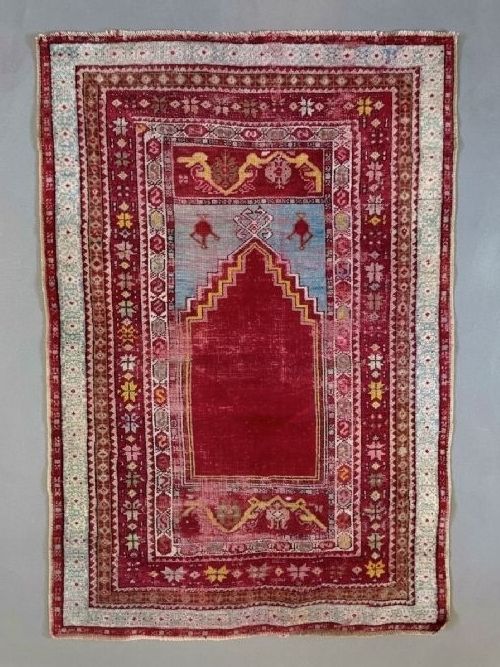
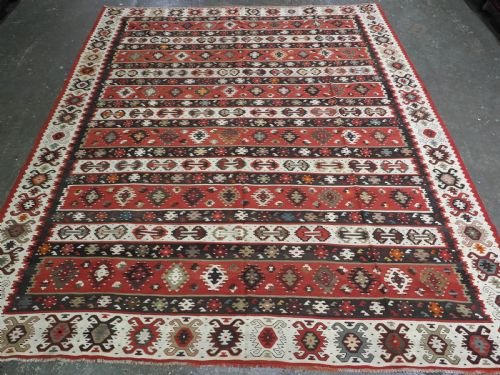
The pieces on this page are predominantly village and regional prayer rugs or kilims rather than grand court carpets. Examples such as Ladik, Konya, Milas, and Sarkoy demonstrate the distinct local patterns and motifs passed down through generations of makers.
Materials and Construction
These textiles rely primarily on wool and hand-spun wool for the pile and surface, often supported by cotton foundations. Natural dyes provide the enduring palette seen across the centuries, maintaining their depth and character over long periods of use.
Weavers utilised traditional regional techniques, from dense knotting in prayer rugs to flatweave construction in kilims. The combination of local wool and natural colourants ensures the structural integrity and tactile warmth characteristic of these historic pieces.
The listings span from the eighteenth century through the Victorian era up to the nineteen-twenties, featuring wool, cotton, and natural dyes.
Factors of Quality
The distinction between average and exceptional pieces lies in the crispness of the design execution and the vitality of the natural dyes. Superior examples exhibit balanced proportions, deliberate placement of traditional motifs, and a rich saturation of colour that enhances the overall visual impact.
Structural preservation and the integrity of the weave also dictate the standing of a textile. Pieces retaining their original borders and possessing a dense, resilient wool foundation command greater appreciation among knowledgeable collectors.
The Ottoman Tribal Carpet Glossary
- Kilim
- A flatwoven carpet or rug produced without a pile, traditionally made in regions such as the Balkans and Anatolia. These pieces feature sharp geometric patterns created by interlocking the weft threads.
- Prayer Rug
- A textile featuring a distinct mihrab or arch design indicating the direction of prayer, commonly produced in Anatolian weaving centres.
- Yastic
- A small Turkish cushion cover or small rug, often characterised by regional village designs and practical domestic utility.
- Natural Dyes
- Colourants derived from plant, insect, and mineral sources used historically to pigment wool before the introduction of synthetic alternatives.
- Mihrab
- The niche design element found prominently on prayer rugs, representing a focal point in the overall composition.
Ottoman Tribal Carpet: Frequently Asked Questions
How do I clean an antique rug?
Gentle surface cleaning and regular vacuuming without a beater bar help maintain wool fibres. Professional textile conservators should handle deeper washing to protect natural dyes.
Avoid harsh chemical treatments and excessive moisture, which can damage the traditional cotton and wool construction of older pieces.
Can I use these rugs on the floor?
Many of these pieces were made for domestic floor use or as furnishings, though fragile kilims benefit from low-traffic areas. Using a quality underlay provides necessary cushioning and prevents slipping.
Placing them out of direct, intense sunlight preserves the natural dyes and prevents the wool from drying out prematurely over time.
What is a village rug?
Village rugs are textiles produced in rural communities by independent weavers rather than large urban workshops. They typically display spontaneous, traditional designs specific to a particular locality.
These pieces often incorporate charming irregularities in geometry and colour choice that reflect individual maker expression.
How do I identify a prayer rug?
Prayer rugs are immediately identifiable by the architectural niche or arch motif, known as a mihrab, woven into one end of the field. This design guided the user during daily devotions.
Regional variations in the shape of this arch help attribute the rug to specific weaving areas like Ladik, Milas, or Konya.