


Handwoven Oriental Prayer Mat
These handwoven oriental prayer mat pieces bring village wool work and tribal patterns into a room.
Handwoven Oriental Prayer Mat
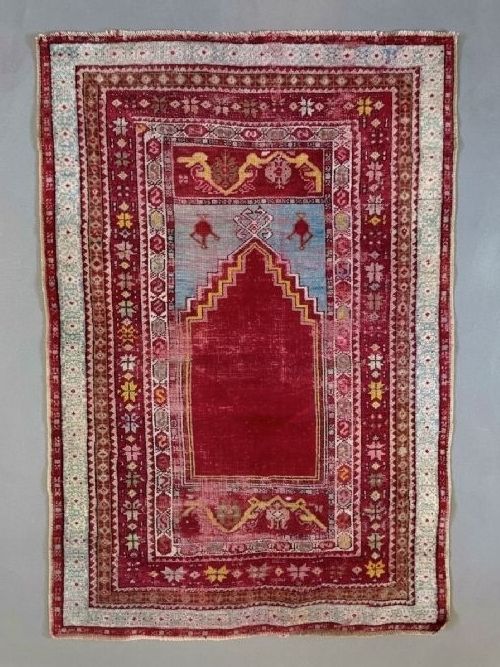
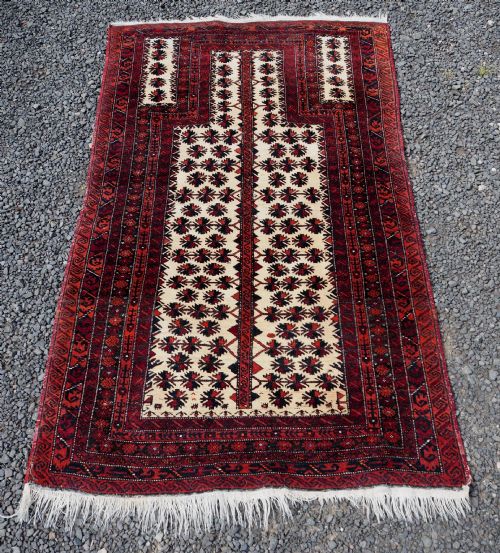
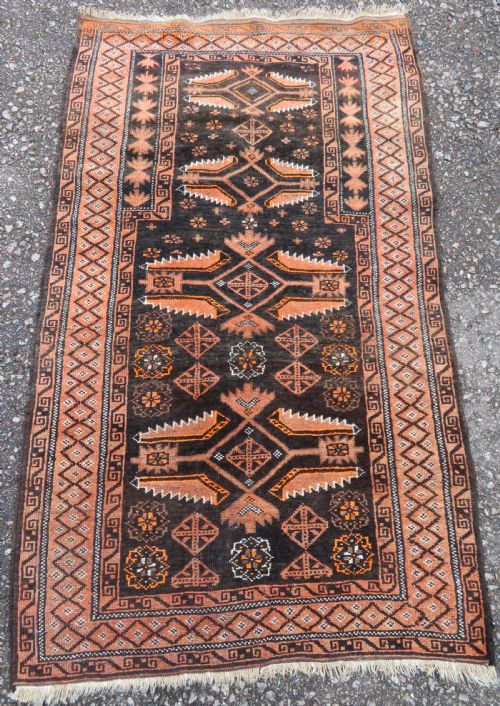
When you search for a handwoven oriental prayer mat, you encounter floor coverings originating from tribal and village regions in Turkey, Persia, Afghanistan and the Caucasus, spanning the nineteenth and early twentieth centuries. These pieces typically feature distinct architectural motifs, most notably the arched prayer niche designed to orient the user during daily devotions.
The selection on this page centres heavily on village and tribal production, featuring formats such as single and triple mihrab rugs alongside flatwoven kilims. Originating from specific weaving centres like Konya, Melas, Kashan, Gendje and Shirvan, these textiles showcase local traditions handed down through generations.
How they were made
The materials recorded in these pieces rely predominantly on wool foundations and piles, supplemented by cotton for structural warp and weft threads in certain workshops. Weavers also utilised camel wool and camel hair, particularly for un-dyed ground fields that provide a durable texture and natural warmth.
Natural dyes impart the colour palette across these textiles, creating harmonious tones that age with depth. Artisans constructed these rugs using handwoven techniques, incorporating long kilim ends and mixed construction methods specific to tribal groups like the Baluchi, Taimani and Kizil Ayak Turkmen.
Listings span periods from the mid-nineteenth century through the 1930s, featuring wool, cotton, and camel hair materials.
What varies in quality
The standard of a handwoven oriental prayer mat depends on the precision of the knotting and the fineness of the wool utilised in the pile. Tighter construction secures the foundation against daily wear, ensuring the architectural lines of the prayer niche remain crisp and defined.
Design clarity and the integrity of the natural dyes separate simpler village pieces from finer tribal work. Variations in wool quality, from standard sheep fleece to soft camel hair, dictate the tactile depth and resilience of the surface over decades of use.
The Handwoven Oriental Prayer Mat Glossary
- Mihrab
- The arched niche design set into the field of the textile, representing the direction of prayer. This architectural motif serves as the central focal point for the weaver and the user.
- Seh Mihrab
- A triple arch design layout found across specific tribal weaving traditions. This multi-niche format creates a distinctive repetition within the prayer field.
- Kilim end
- The flatwoven extension at the top or bottom of a rug, produced without a knotted pile. These sections protect the main woven field from fraying.
- Warp
- The vertical foundation threads stretched tightly on the loom before knotting begins. Cotton and wool serve as the primary materials for these structural elements.
- Weft
- The horizontal threads passed through the warp alternating with rows of knots to bind the structure. They hold the pile securely in place.
Handwoven Oriental Prayer Mat: Frequently Asked Questions
How were these mats used?
These textiles served primarily as portable spaces for daily Islamic prayers, placed on the floor to provide a clean surface. Their smaller dimensions allowed owners to roll them easily for transport or storage between prayer times.
Beyond devotional use, households displayed them locally as decorative wall hangings or small floor coverings in living spaces. Their portable nature meant families took them across regions as they migrated or traded.
How do I live with one?
Place a quality underlay beneath the rug to prevent slipping on hard floors and to reduce friction on the wool pile. This extra layer absorbs foot traffic impact and preserves the historic foundation threads.
Keep these textiles away from direct, harsh sunlight to protect the natural dyes from fading over time. Gentle, regular vacuuming without a rotating brush roll helps clear dust from the wool fibres safely.
How do I spot a village rug?
Village rugs display geometric motifs, regional colour choices, and slightly asymmetrical layouts reflecting individual weaver choices rather than strict factory cartoons. Artisans working in local settlements prioritized practical durability and traditional tribal iconography.
Look for structural irregularities and characteristic flatwoven ends that point to domestic or small workshop production. These traits distinguish independent village output from urban manufactory pieces.
How do I tell periods apart?
Nineteenth-century examples often feature deeper, richer natural dye patination and denser wool pile foundations developed through traditional household spinning methods. The wear patterns on older pieces show gradual, even softening across the wool fibres.
Early twentieth-century pieces from the 1920s and 1930s sometimes introduce sharper structural geometry and varied regional wool mixtures, including camel hair grounds. Comparing the specific tribal attributions and design simplification helps narrow down the decade of production.