




Red Oriental Floor Runner
A red oriental floor runner brings warmth and pattern to long corridors through decades of traditional weaving.
Red Oriental Floor Runner
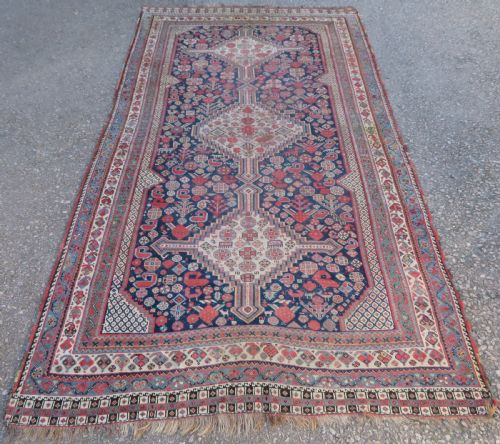
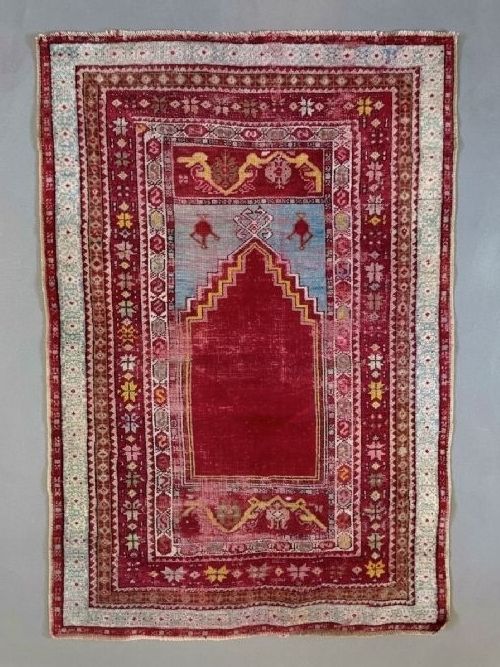
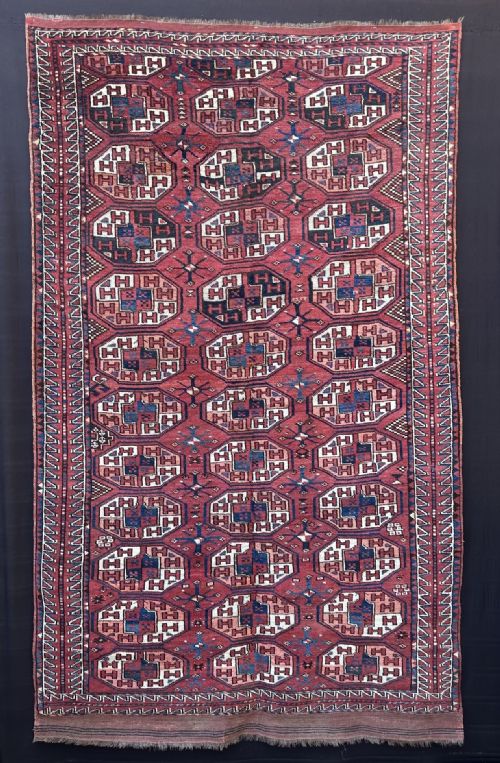
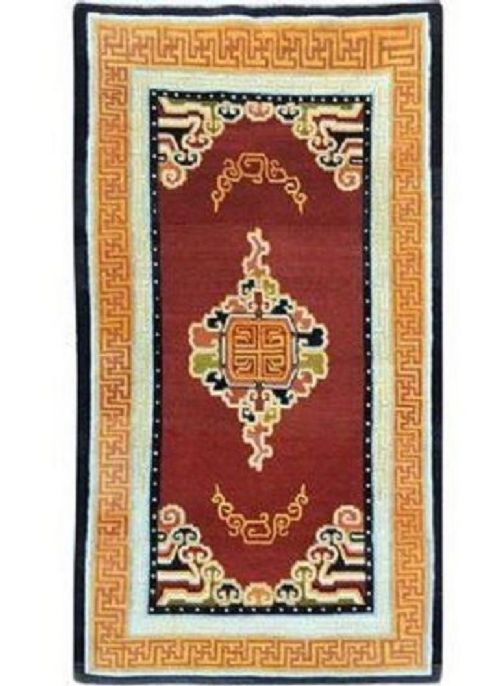
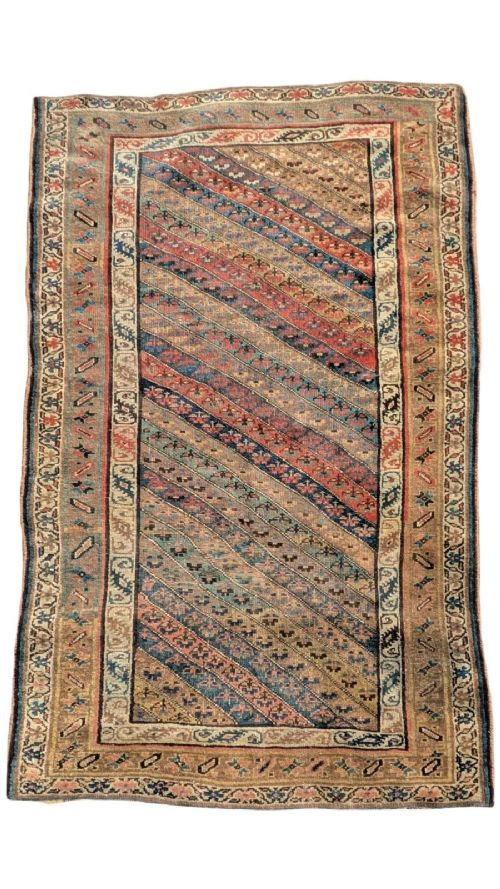
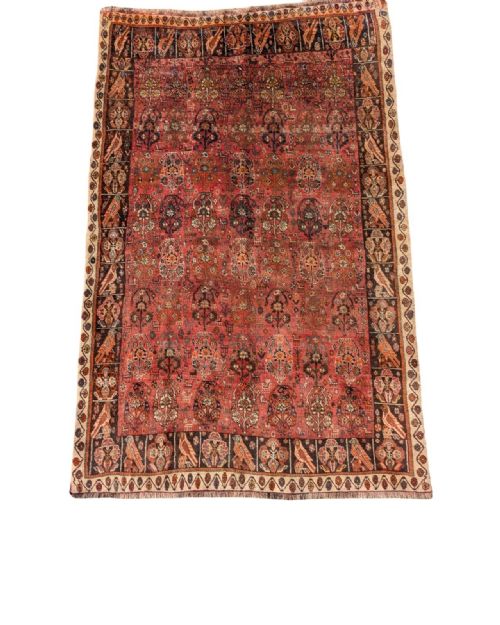
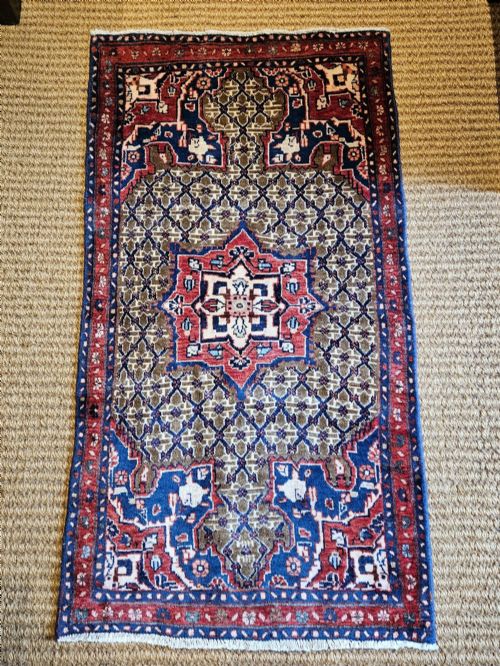
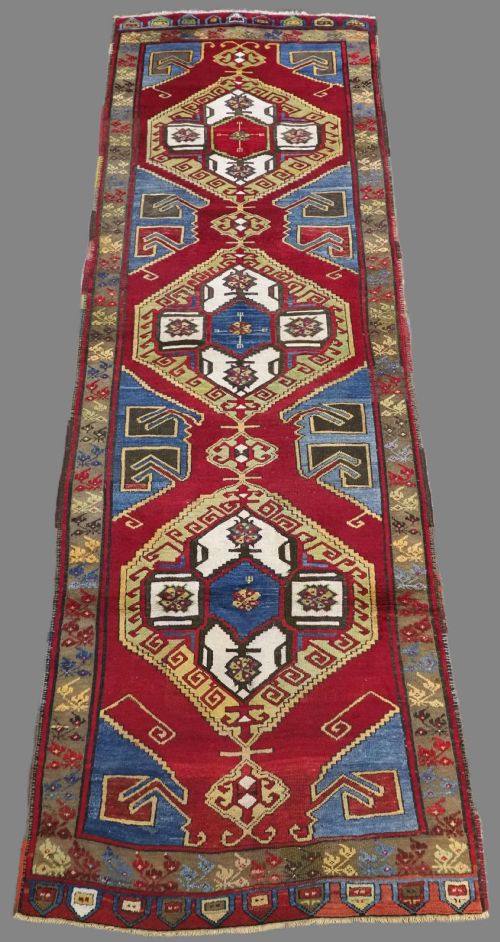
When you search for a red oriental floor runner, you encounter long, narrow carpets originating from Persian, Caucasian, Anatolian, and Turkmen traditions. These textiles were woven by tribal and village makers to line hallways and narrow spaces with durable wool.
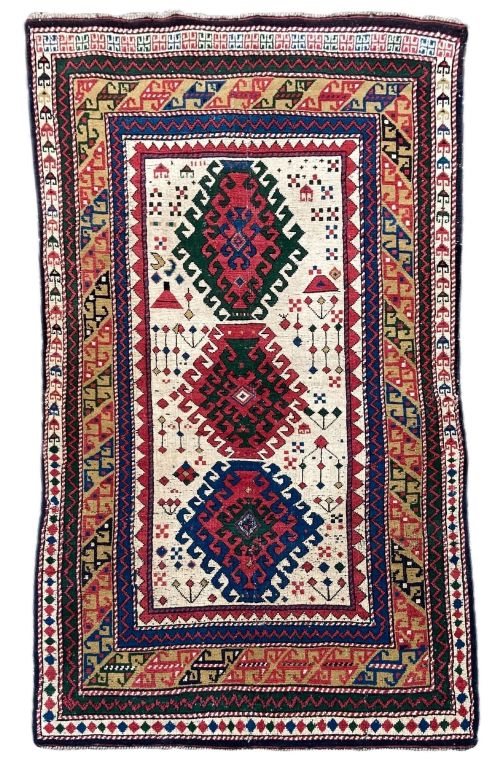
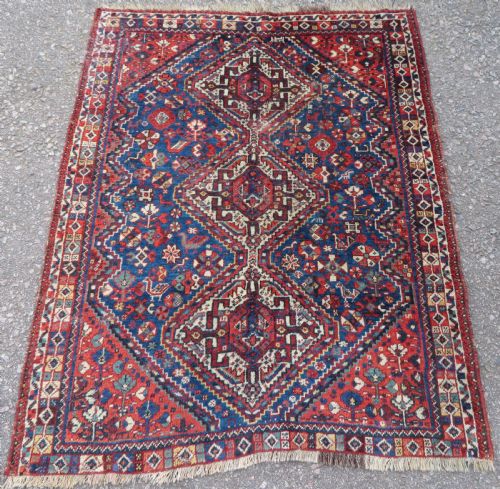
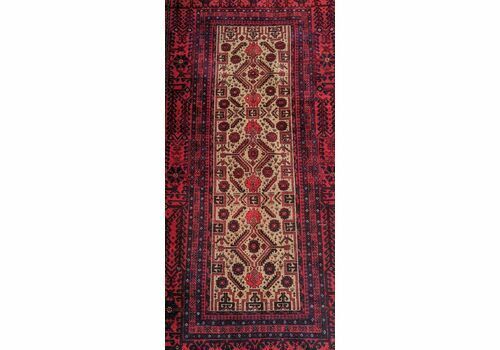
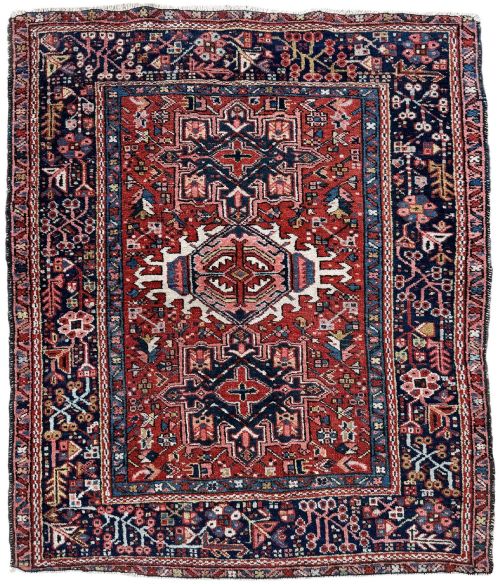
The pieces appearing on this page span from the nineteenth century into the 1930s, encompassing regional village types such as Hamadan, Karaja, and Kurdish weaves. Most examples display traditional geometric or floral motifs rendered in rich reds, rusts, and deep earthy tones.
Buyers choose these runners to anchor long architectural spaces with authentic historical character. Each rug brings a tangible link to nomadic and village weaving traditions that prioritised utility alongside decorative symmetry.
How they were made
These textiles rely primarily on hand-spun wool and cotton foundations, knotted tightly by hand across generations of workshops and nomadic tents. Natural dyes impart the varied red and rust hues seen across the pieces, grounding each runner in organic colour palettes.
Weavers employed traditional pile knotting techniques on vertical looms, creating dense surfaces designed to withstand heavy foot traffic in hallways and hearth rooms. The interplay of hand-spun fibres and natural dye variations gives each runner a distinctive textural depth.
Many an antique runner owes its resilient constitution to sheep that spent their days arguing with thorn bushes.
What varies in quality
Quality in these runners rests upon knot density, the clarity of the regional design, and the integrity of the wool foundation. Finer village and tribal pieces exhibit precise geometric or floral detailing and tightly packed pile.
The depth and persistence of the natural dyes also set finer examples apart from simpler utility weaves. A well-preserved pile and intact original edges indicate superior initial craftsmanship and careful subsequent preservation.
Kizyl Ayak Tribe·Kashgai Tribe·Kurdish Weavers·Turkmen Tribes
The Red Oriental Floor Runner Glossary
- Pile
- The upright yarn loops that form the soft surface of a carpet. Hand-knotted pile provides both warmth and durability underfoot.
- Natural Dyes
- Colourants derived from plants, insects, and minerals rather than synthetic chemistry. These dyes age gracefully with subtle tonal shifts.
- Knot Density
- The number of knots per square unit of rug. Higher density typically allows for sharper pattern definition.
- Warp
- The vertical threads stretched lengthwise on a loom that form the structural backbone of the rug. Wefts are then interwoven across these threads.
- Tribal Rug
- A textile produced by nomadic or semi-nomadic groups rather than urban manufactories. These pieces often feature idiosyncratic geometric symbolism.
Red Oriental Floor Runner: Frequently Asked Questions
How do I clean an antique runner?
Professional specialist cleaning is essential for preserving natural wool and vegetable dyes.
Avoid household detergents and aggressive scrubbing, which can damage the historical fibres.
Where should I place a runner?
These long carpets suit hallways, corridors, and gallery spaces where narrow dimensions apply.
They also function effectively beside beds or in high-traffic passageways requiring floor protection.
How do I identify regional styles?
Study the specific geometric motifs, border arrangements, and dominant red or rust palettes.
Pieces from the Caucasus tend to display sharper geometry, while Persian village rugs often incorporate floral medallions.
Are these runners durable for hallways?
Hand-knotted wool construction inherently provides robust resilience against daily foot traffic.
Using an appropriate underlay helps prevent slipping and reduces friction wear on hard floors.