


Ornate Walnut Display Cabinet
An ornate walnut display cabinet brings warmth and polished grain to a room, offering a stately home for treasured objects.
Ornate Walnut Display Cabinet
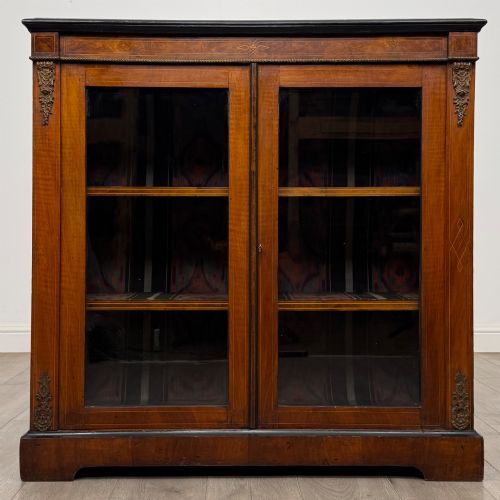
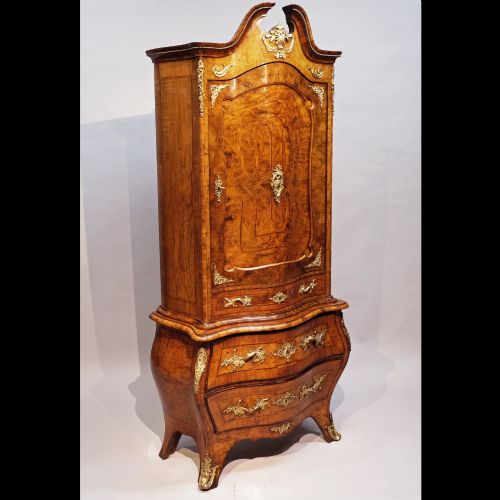
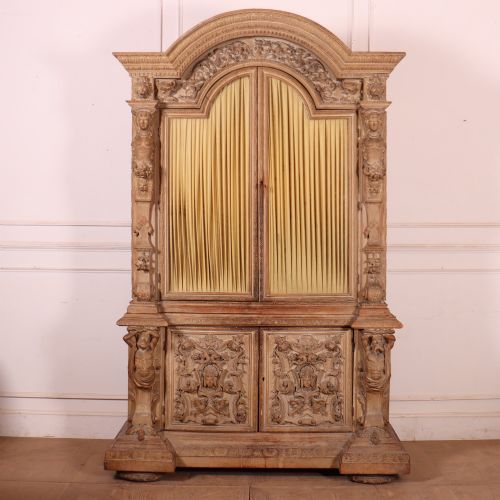
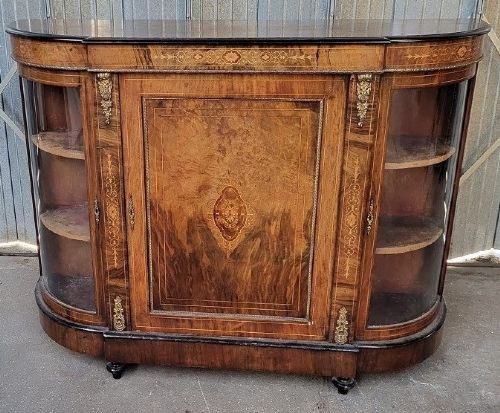
An ornate walnut display cabinet is a showcase piece designed to exhibit fine possessions while adding presence to an interior. When searching for an ornate walnut display cabinet, buyers encounter diverse forms ranging from compact pier cabinets to substantial credenzas and cabinets on stands.
The pieces available span the Victorian era, the nineteenth century, and the eighteenth century. Credenzas and pier cabinets dominate the selection, often incorporating glazed doors or open shelving for display.
Stylistic influences vary significantly, embracing Rococo Revival, Italian Renaissance Revival, Louis XIII Revival, and general Victorian aesthetics. Each version reflects the Victorian appetite for rich timber work and decorative mounts.
How they were made
Cabinet makers utilised solid walnut and burr walnut veneer over secondary timbers to achieve deep, figured grain patterns across the surfaces. Tulipwood banding, boxwood inlay, and contrasting satinwood or rosewood frequently frame the primary walnut panels.
Metal and stone elements elevate the construction, with cast ormolu mounts and brass details highlighting corners and doors. Marble tops appear on specific revival pieces, while glazed panels and fitted mirrors complete the interior presentation.
Listings feature Victorian pieces from the nineteenth century alongside eighteenth century examples, utilising walnut, burr walnut, glass, ormolu, and marble.
What varies in quality
The refinement of the timber selection marks the primary distinction between ordinary examples and superior pieces. Figures of burr walnut and careful grain matching demand high skill from the cabinet maker.
The intricacy of the decorative elements dictates the upper tier of the range. Precision in the boxwood inlay, the crispness of carved wood details, and the weight and chasing of the ormolu mounts separate standard production from exhibition quality work.
The Ornate Walnut Display Cabinet Glossary
- Burr walnut
- A figured wood grain taken from the growth excrescences on walnut trees. It provides a swirling, highly decorative pattern prized by Victorian cabinet makers.
- Ormolu
- Gilded bronze mounts applied to furniture for decorative accent. These metal additions catch the light and frame the timber doors and cornices.
- Pier cabinet
- A low or tall display cabinet designed to stand against the wall space between windows. These narrow pieces maximise display potential in smaller reception rooms.
- Credenza
- A large sideboard or cabinet form featuring central doors flanked by curved or straight ends. They often incorporate glass panels and mirrored backs to display porcelain and glassware.
- Inlay
- The technique of embedding contrasting woods into the primary walnut surface. Boxwood and tulipwood create geometric and floral bands across the carcase.
Ornate Walnut Display Cabinet: Frequently Asked Questions
How do I care for burr walnut veneer?
Maintain the wood by dusting with a soft, dry cloth and applying a traditional beeswax polish occasionally. Avoid using modern silicone sprays that can damage antique polishes.
Keep the cabinet in a room with stable humidity to prevent the walnut timber and delicate inlay work from splitting.
What is the difference between a credenza and a pier cabinet?
A credenza is typically a long, low sideboard featuring multiple doors and often glass viewing areas for display. They originate as heavy Victorian reception room pieces.
A pier cabinet is narrower and taller, specifically built to fit the narrow wall pier between windows in a formal nineteenth century parlour.
How do I identify a Victorian walnut cabinet?
Look for characteristic nineteenth century traits such as burr walnut veneers, boxwood inlay, and cast ormolu mounts. Revival styles like Rococo or Louis XIII often dictate the carved wooden ornamentation.
Check the interior construction and timber backs to confirm nineteenth century joinery methods align with the period.