



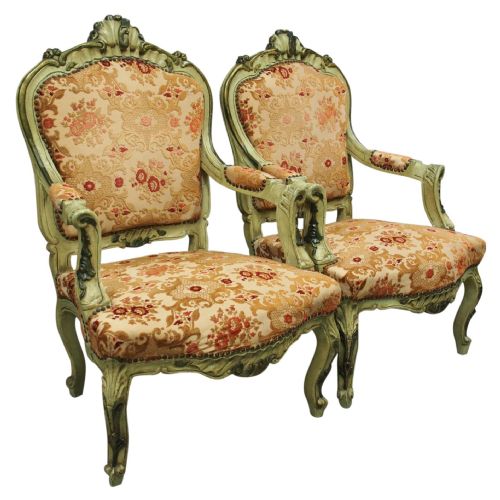
Ornate Open Armchairs
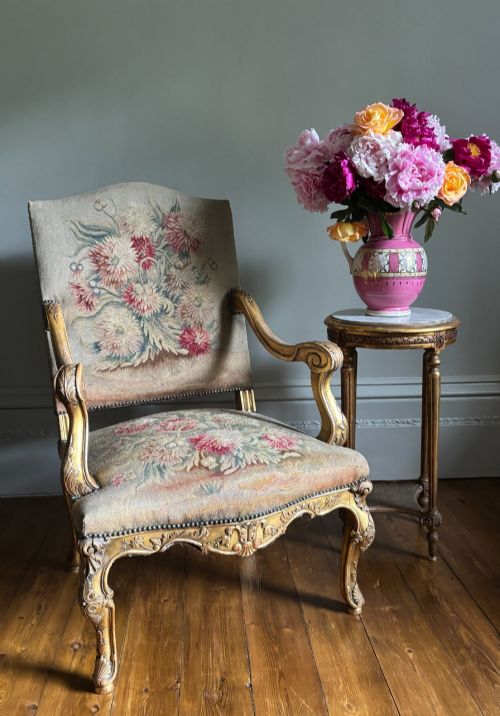
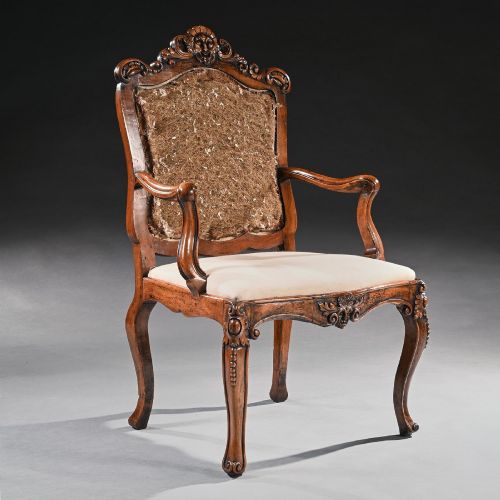
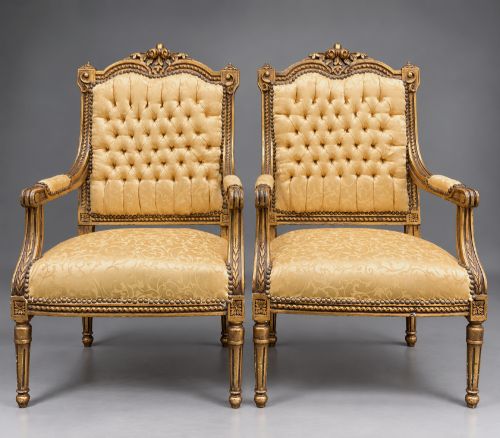
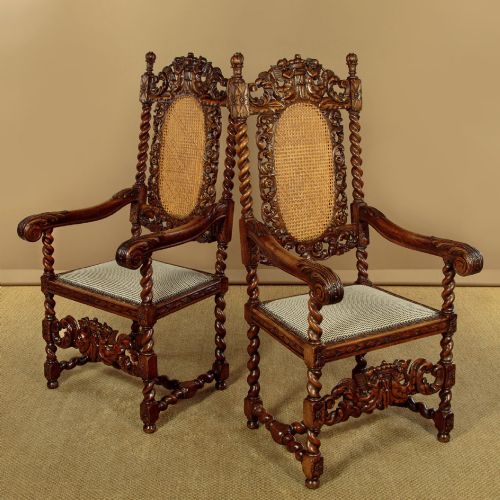
Ornate open armchairs bring grand historical styles and intricate woodwork into a room with undeniable presence.
Ornate Open Armchairs
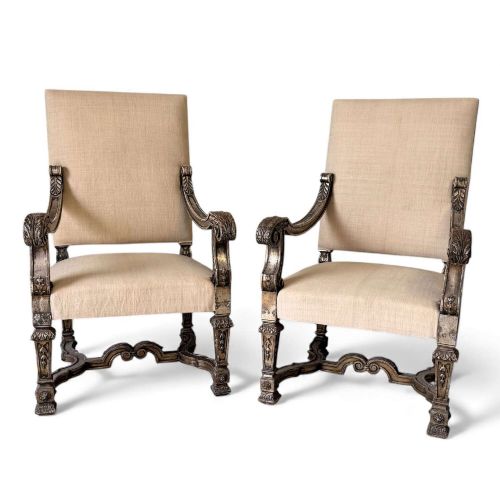
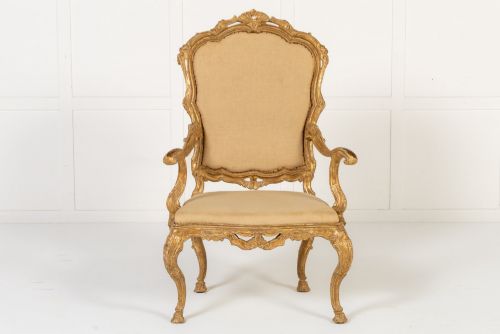
When you search for ornate open armchairs, you encounter large seating choices spanning from the eighteenth century through to the early twentieth century. The selection ranges from imposing throne chairs to substantial elbow chairs designed for prominent display.
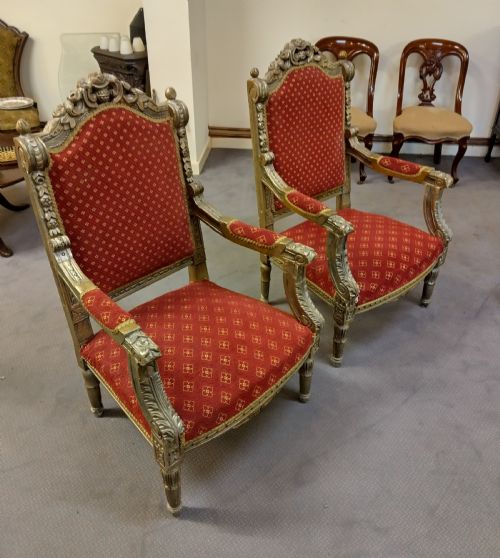
You are most likely to meet revival pieces from the nineteenth century, including French Baroque and Rococo styles alongside walnut and giltwood creations. Italian carved examples and Anglo-Indian variations also appear among the offerings on this page.
These seating forms function as statement pieces within a room, combining open wooden frames with upholstered elements like damask, fabric, and linen. Their scale and decoration demand space and attention from anyone entering the interior.
How they were made
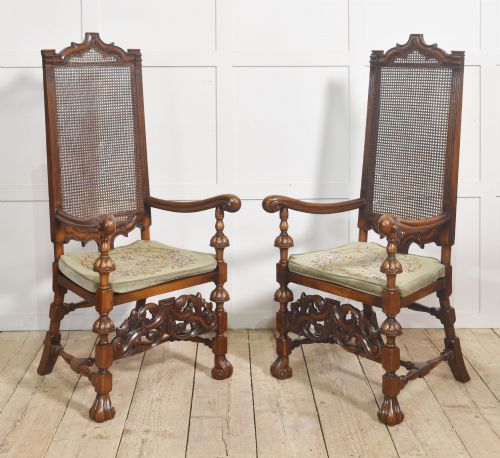
Makers utilised solid timber and walnut as structural foundations, shaping heavy wood into complex curves and structural supports. Giltwood and gilt finishes were frequently applied to create reflective, opulent surfaces that catch the light.
Carving defines the decoration, with artisans executing detailed motifs across the frames of these chairs. Caning and upholstered pads in linen or damask complete the seating surfaces, secured within the carved wooden framework.
Ornate Open Armchairs Retail Price Guide 2026
Typical asking prices for ornate open armchairs among the pieces listed under this phrase on Sellingantiques today, from the lower quarter to the upper quarter. They describe what is for sale here now, not the wider market.
Listings feature periods from the eighteenth century through the early twentieth century, utilising materials such as giltwood, walnut, cane, and damask.
What varies in quality
Depth and crispness of the woodwork carving separate standard pieces from superior examples. Skilled hand-carving yields organic lines and intricate detailing that shallow or mechanical work simply lacks.
Material selection and finish integrity dictate the overall character of the piece. Authentic gilding and rich walnut grain possess a visual depth that simpler painted or finished surfaces do not achieve.
The Ornate Open Armchairs Glossary
- Giltwood
- Wood coated with gold leaf or a gold-coloured finish to create a brilliant, reflective surface. This treatment was favoured in opulent interior schemes.
- Elbow chair
- A traditional term for an armchair with open arms. These pieces allow extra room for voluminous historical clothing.
- Baroque Revival
- A nineteenth-century style copying the theatrical, heavy ornamentation of the seventeenth century. It relies on dramatic curves and grand scale.
- Cane
- Woven rattan material used for seat panels or backs. It provides a lightweight, resilient surface within a heavy wooden frame.
- Damask
- A reversible figured fabric traditionally woven on a jacquard loom. It adds rich texture and pattern to the upholstery.
Ornate Open Armchairs: Frequently Asked Questions
Where should I place an ornate open armchair?
These large seats suit prominent positions in drawing rooms, studies, or large hallways where their scale can be appreciated. They work well as individual accent pieces rather than clustered around a standard dining table.
Because the arms are open and the frames are wide, ensure there is sufficient floor space around the chair. Placing one against a panelled wall or near a fireplace highlights the carved details.
How do I care for giltwood and carved walnut?
Dust these surfaces regularly with a soft, dry cloth to prevent dirt from settling into the intricate carvings. Avoid modern liquid polishes, which can damage aged gilt finishes and delicate wood treatments.
Keep the chairs away from direct sunlight and strong heat sources to prevent the wood from drying out or splitting. Maintaining a stable indoor climate protects both the timber structure and the applied finishes.
What is the difference between Baroque and Rococo styles?
Baroque design focuses on symmetry, grandeur, and heavy, imposing ornamentation that projects power and status. The proportions are robust and the structural lines are strong.
French Rococo introduces asymmetry, lighter pastel palettes, and playful, shell-like curves. It feels more fluid and decorative compared to the stern formality of the earlier Baroque period.
Can I use these armchairs for daily seating?
Many of these pieces were built for display and formal use rather than heavy daily lounging. Their historical frames require thoughtful handling to preserve their structural integrity over time.
If you intend to sit in them regularly, check the stability of the joints and the condition of the upholstery support. Lighter use ensures these antique forms survive for future generations.