


Ornate Metal Mirror
These ornate metal mirror pieces offer a glimpse into nineteenth and twentieth century design, prized for their decorative metalwork and reflective glass.
Ornate Metal Mirror
When you search for an ornate metal mirror, you look at items spanning periods from the Victorian era and the Edwardian period through to the mid-twentieth century. The selection encompasses diverse forms such as wall mirrors, table mirrors, dressing mirrors, and vanity sets, alongside related decorative items like serving trays and picture frames.
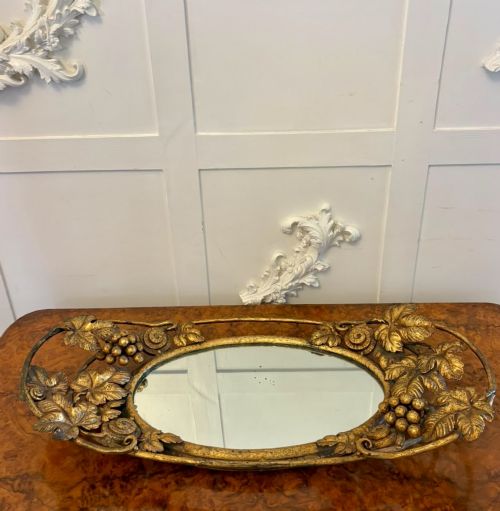
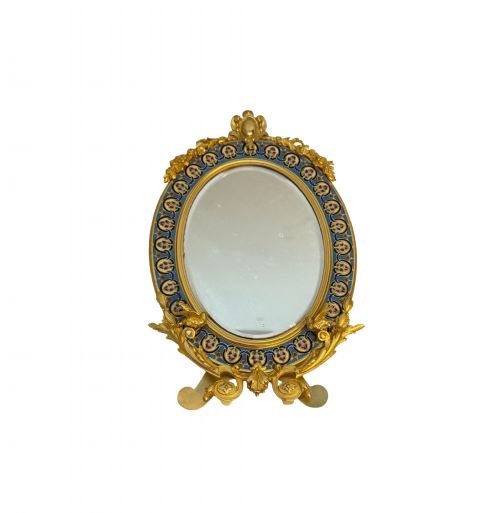
The version most likely to meet you on this page is a brass or gilt bronze wall mirror from the late nineteenth century, often displaying French Rococo, Neoclassical Revival, or Dutch Baroque Revival styles. These pieces range from small brass framed wall mirrors to large table mirrors decorated with champleve enamel or mask crests.
How they were made
Makers utilised metals such as brass, cast brass, gilt bronze, gilt metal, and cast iron, often combining them with wood structures and mirror glass. Cast components were produced using traditional foundry methods, resulting in heavy, robust frames with high structural integrity.
Decorative surface treatments included applied gilt finishes and detailed champleve work, where recessed enamel cells embellish the metal mountings. Frames were assembled using secure metal mounts, frequently incorporating cushion framing and embossed detailing to enhance the visual depth.
What varies in quality
The refinement of the casting and the depth of the metalwork set finer examples apart from simpler productions, with superior pieces showing crisp definition in motifs like mask crests or grape vines. The quality of the gilding and the precision of enamel or champleve work also dictate the standing of an item.
The integration of the mirror glass within the metal frame influences the overall standard, alongside the complexity of the chosen style, such as intricate French Rococo flourishes versus plain brass framing.
Coalbrookdale
The Ornate Metal Mirror Glossary
- Champleve
- An enamelling technique where troughs or cells are carved into the metal surface and filled with vitreous enamel before firing. This method creates colourful decorative patterns on bronze and brass frames.
- Girandole
- A branched wall mirror or sconce designed to hold candles alongside the glass plate. The reflective properties of the mirror amplify the candlelight within a room.
- Cushion frame
- A mirror frame with a convex or rounded profile that projects forward towards the glass. This style was popular during the Victorian period to add visual weight and dimension.
- Neoclassical Revival
- A nineteenth-century style drawing inspiration from classical Greek and Roman architecture and art. Pieces in this style utilise symmetrical, restrained ornamentation and classical motifs.
Ornate Metal Mirror: Frequently Asked Questions
What is an ornate metal mirror?
An ornate metal mirror is a decorative looking glass housed in a frame of brass, gilt bronze, gilt metal, or cast iron. These pieces often feature elaborate styles such as French Rococo, Neoclassical Revival, or Dutch Baroque Revival.
Items range from small wall mirrors and table top dressing mirrors to large vanity sets and serving trays dating from the Victorian and Edwardian eras.
How were ornate metal mirrors used?
These mirrors served both practical and decorative functions in nineteenth and twentieth-century interiors. Wall mirrors were hung in reception rooms to bounce light and create an illusion of space.
Table mirrors and dressing mirrors were placed on vanity units or tables for personal grooming, while related items like serving trays and picture frames adorned domestic surfaces.
How do I live with an ornate metal mirror?
Living with these pieces involves placing them where their metallic frames and glass can catch natural or artificial light. They suit traditional and eclectic interiors alike, serving as focal points on panelled or painted walls.
Care involves gentle dusting of the metalwork and cleaning the mirror glass without harsh chemical cleaners that might affect vintage surfaces or gilt finishes.
How do I tell periods apart?
Distinguishing periods relies on observing stylistic markers, materials, and construction techniques associated with Victorian, Edwardian, and nineteenth-century manufacturing. Victorian pieces frequently employ cast brass with embossed details or mask crests.
Later Edwardian and twentieth-century items often reflect revivals of earlier styles, while pieces marked as late nineteenth century may incorporate French champleve enamel work and gilt bronze.