






Small Hanging Mirrors
Small hanging mirrors are compact wall pieces that bounce light and add depth to modest spaces.
Small Hanging Mirrors
Small hanging mirrors are wall-mounted looking glasses designed for compact spaces, hall passages, and bedrooms. When you search for small hanging mirrors, you encounter forms that span several centuries and decorative traditions.
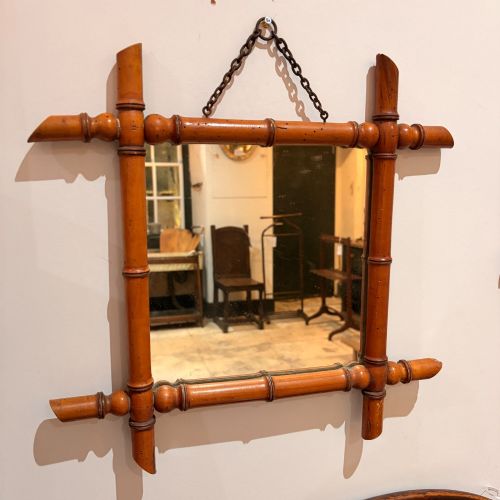
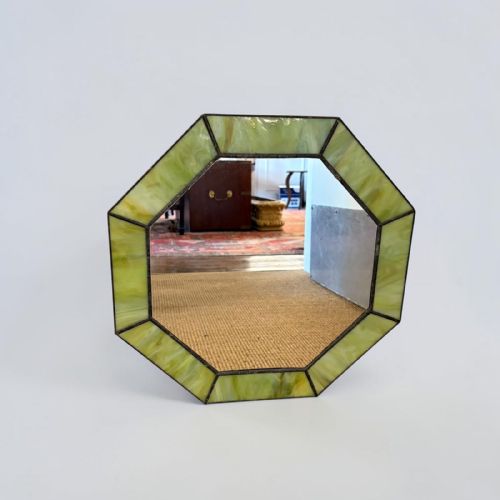
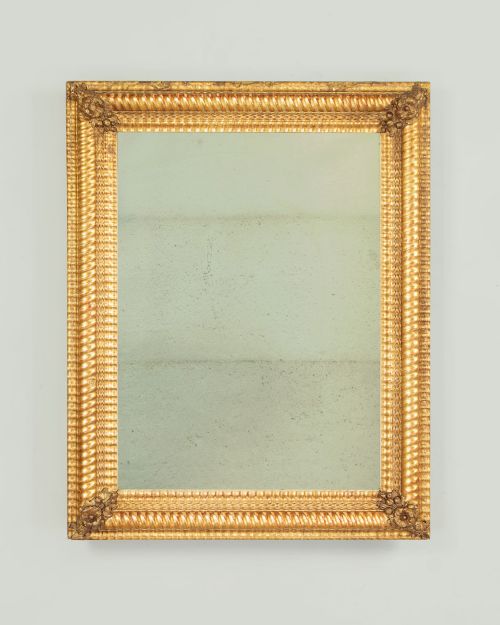
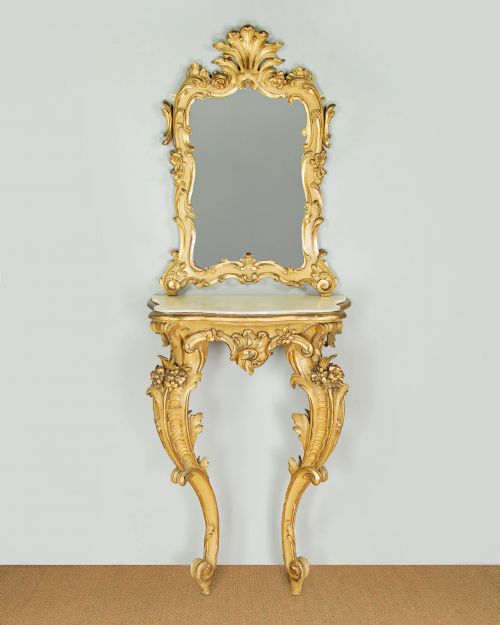
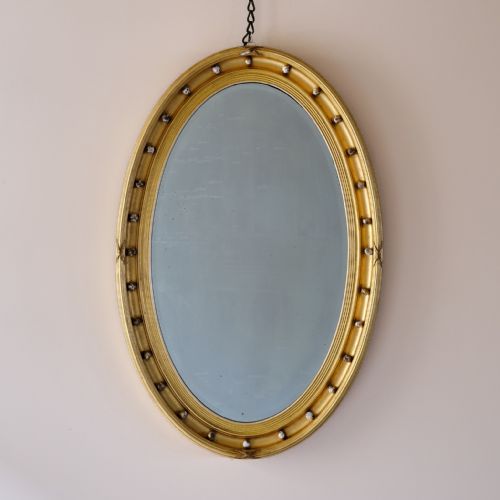
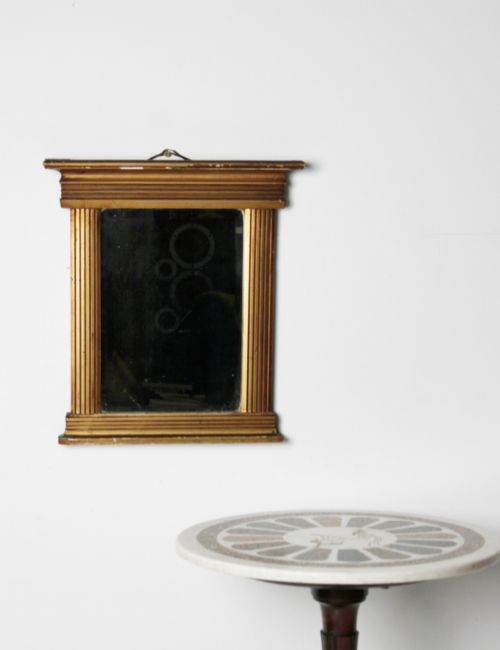
The selections on this page draw from the nineteenth century, the Regency era, and the early twentieth century. You find mahogany frames, giltwood constructions, and pressed brass casings hung in domestic interiors.
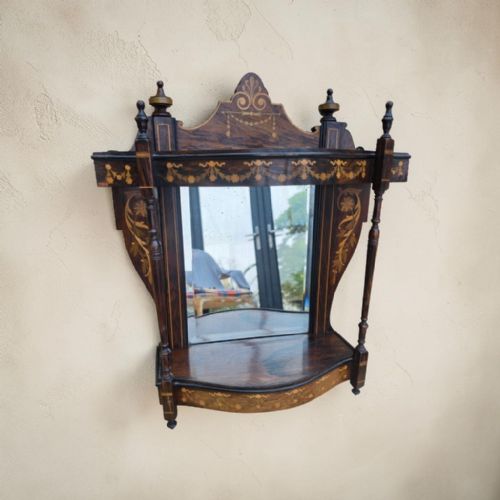
Makers utilised wood, glass, and gesso to shape oval, round, and rectangular plates. Many examples incorporate shelves, crests, or painted finishes that reflect regional British and continental styles.
How small hanging mirrors were made
Frames rely on timber construction such as mahogany, pine, and carved wood, frequently joined at the corners with traditional methods. Giltwood and gesso pieces receive applied layers of plaster and gold leaf to build up ornamental relief.
Metal examples employ cast or pressed brass to form intricate frames and decorative crests around the glass plate. Mirror glass sits within the rebate, secured by wooden backs or pinned joints.
What varies in quality
The crispness of the carving and the depth of the gilding set finer examples apart from simpler utilitarian pieces. Hand-applied gesso ornamentation shows clean lines and careful definition in the motifs.
The condition and character of the mirror plate itself influence the piece. Foxing and age within the glass add historic charm, while structural soundness in the timber frame ensures secure wall hanging.
The Small Hanging Mirrors Glossary
- Giltwood
- Timber coated in gold leaf or gilt paint. This finish creates a bright reflective surface popular in formal neoclassical and revival interiors.
- Gesso
- A plaster mixture applied to wood and carved before gilding. It allows makers to create sharp relief ornaments and decorative mouldings.
- Pier mirror
- A tall narrow glass designed to hang between windows. These pieces maximise natural light in period rooms.
- Foxing
- Age-related spots and discolouration within the mirror plate. This natural degradation develops over decades as the silver backing oxidises.
- Étagère
- A set of open shelves attached to a wall fixture or mirror. It provides small display space for ornaments alongside the glass.
Small Hanging Mirrors: Frequently Asked Questions
Where should I hang a small mirror?
These compact pieces suit narrow hallways, above small console tables, or tucked into bedroom alcoves where space is limited.
They catch and reflect light in dark corners without overwhelming the proportions of a modest wall.
How do I date a hanging mirror?
Examine the timber species, the method of frame construction, and the style of the decorative carving or gilding. Period characteristics align with Regency, Victorian, or Edwardian design preferences.
Inspect the backboards and fixings for clues about the age of the assembly and any later restorations.
Are these mirrors heavy to hang?
Weight varies depending on whether the frame is made from lightweight pine or dense cast brass and giltwood. Solid timber and metal pieces require secure wall fixings.
Check the hanging loops on the reverse to ensure they can support the load safely.
What is a gesso frame?
A gesso frame uses a chalk and binder mixture built up over a wooden base to form decorative mouldings. This technique allows intricate relief work that is subsequently gilded.
Care is needed when handling these frames to prevent chipping the brittle plaster surface.