


Ornate Gold Vanity Mirror
An ornate gold vanity mirror brings reflected light and intricate French or Victorian styling to a dressing table or mantelpiece.
Ornate Gold Vanity Mirror
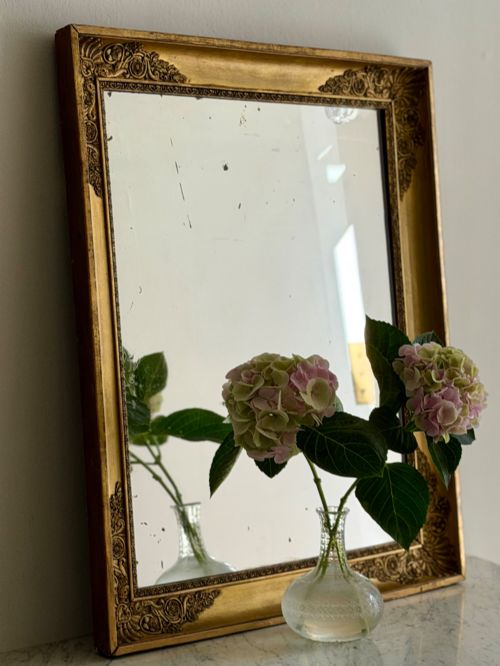
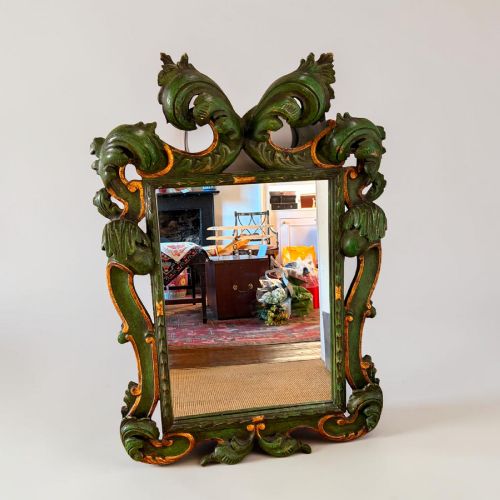
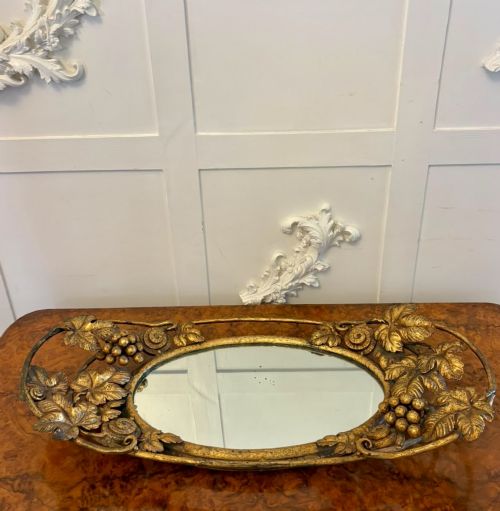
When you search for an ornate gold vanity mirror, you encounter pieces designed for dressing tables, tabletops, and walls from the Victorian, Edwardian, and later periods. These items combine functional glass with decorative frames shaped for personal grooming or interior display.
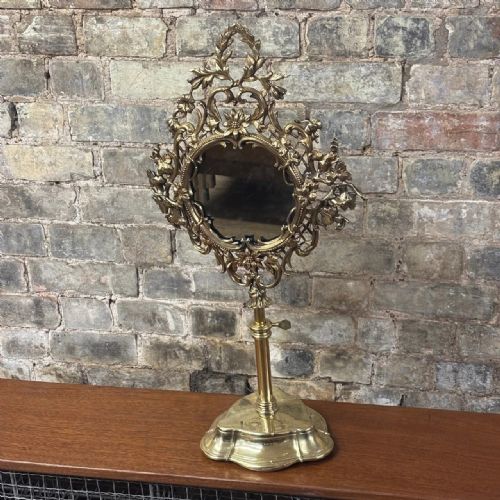
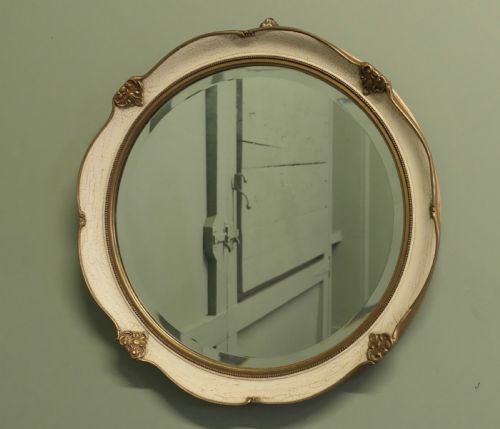
The selection on this page centres on table mirrors, dressing mirrors, and wall mirrors shaped in Rococo Revival, Louis XV, and French Chateau styles. Pieces frequently feature oval or round glass plates set within highly detailed gilt frames.
Materials and construction
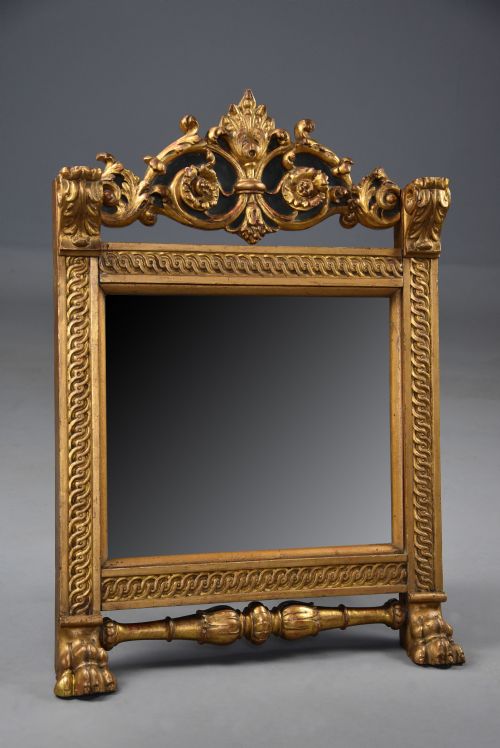
Frames rely on carved giltwood, gesso, brass, and gilt bronze to achieve their metallic and ornate appearance. Artisans applied gold leaf or gilding over wood or carved gesso to create a reflective, luminous surface on the decorative surrounds.
Metal structures incorporate pressed brass, solid brass, and champlevé enamel work. Glass plates are frequently bevelled at the edges and mounted securely into easel backs or hanging frames.
Materials represented across the collection include glass, gesso, giltwood, brass, gold leaf, and champlevé enamel.
Assessing quality and craftsmanship
The standard of a piece depends on the depth and crispness of the carving in the giltwood or the precision of the cast brass and gesso work. Finer items display sharp relief in scrolls, ribbons, and floral motifs without softening in the details.
The preservation of the original gilding and the clarity of the mirrored glass plate further separate superior examples from simpler ones. Heavy, solid brass framing and intact easel stands indicate higher original production values.
The Ornate Gold Vanity Mirror Glossary
- Giltwood
- Wood that has been coated with gold leaf or a gold-coloured finish. This material forms the ornate, carved structure of many period frames.
- Gesso
- A plaster-like mixture applied to wood surfaces and carved or moulded into intricate relief details before gilding. It allows for elaborate scrollwork and decorative patterns.
- Champlevé
- An enamelling technique where troughs are dug into a metal surface and filled with vitreous enamel before firing. It frequently appears on late nineteenth-century brass frames.
- Bevelled glass
- A mirror plate with edges cut and polished at an angle to create a framed, prismatic border. This feature denotes careful finishing on better quality pieces.
- Easel back
- A hinged support strut attached to the reverse of a table mirror allowing it to stand upright. This mechanism is common on vanity and dressing mirrors.
Ornate Gold Vanity Mirror: Frequently Asked Questions
How do I date a mirror?
Dating relies on examining the materials, construction methods, and stylistic revival periods represented in the frame. Victorian, Edwardian, and Art Deco eras each utilised distinct casting techniques and decorative vocabularies.
Looking closely at the backing, fixings, and the composition of the glass plate provides further clues to the age of the piece.
Were these always meant for tabletops?
While many examples function as tabletop dressing mirrors with built-in easel stands, others are designed explicitly for wall hanging. The inclusion of hanging loops or sturdy rear brackets separates wall mirrors from portable tabletop versions.
Both forms share the same ornate aesthetic designed to catch the light in bedrooms and hallways.
What is Rococo Revival style?
Rococo Revival is a design movement drawing on eighteenth-century French motifs like asymmetrical scrolls, C-scrolls, and naturalistic floral elements. This style dominates many of the nineteenth-century gilt frames.
The aesthetic prioritises theatrical, flowing lines over rigid symmetry.
How do I care for gilt frames?
Giltwood and gesso surfaces require gentle dusting with a soft, dry brush to protect the delicate gold leaf layer. Moisture and harsh chemical cleaners must be avoided entirely to prevent lifting the gilding.
Glass plates can be cleaned sparingly with a mild glass cleaner applied to a cloth rather than sprayed directly onto the frame.