


Rococo Style Mirror Frame
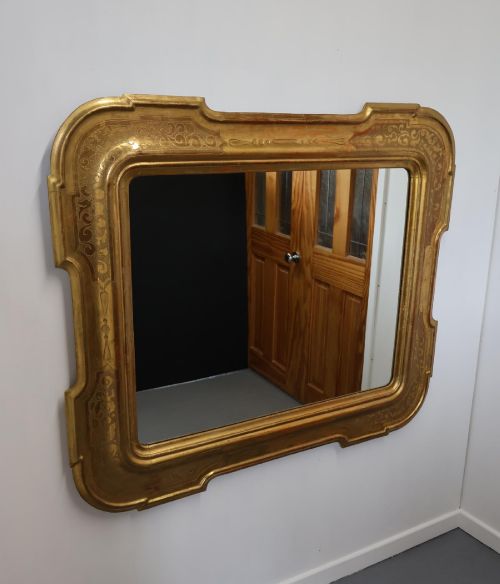
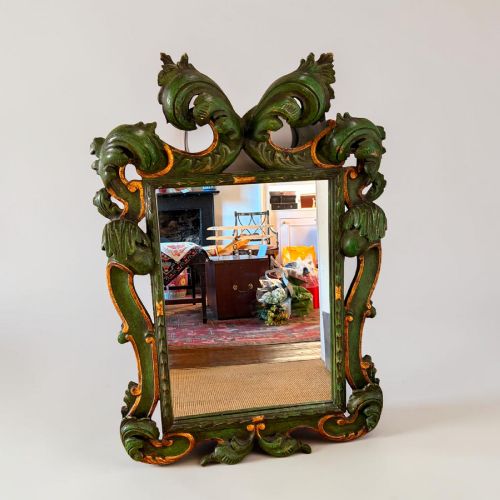
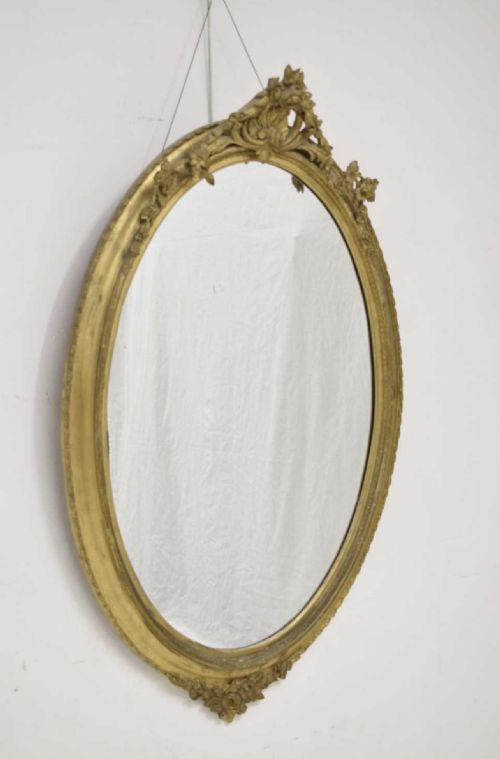
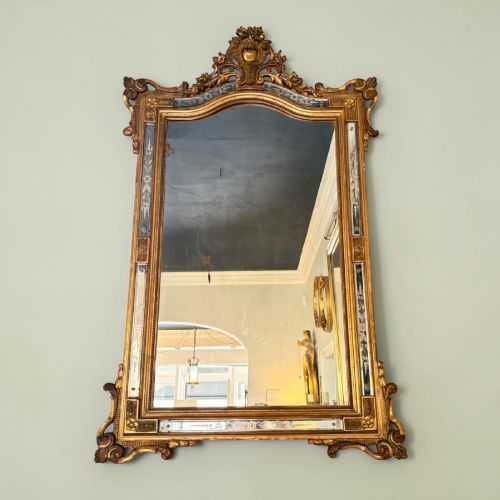
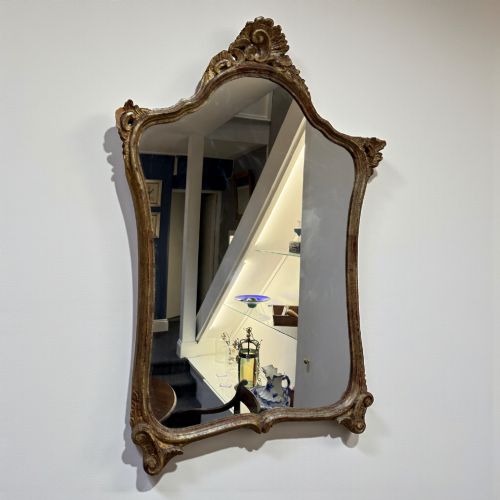
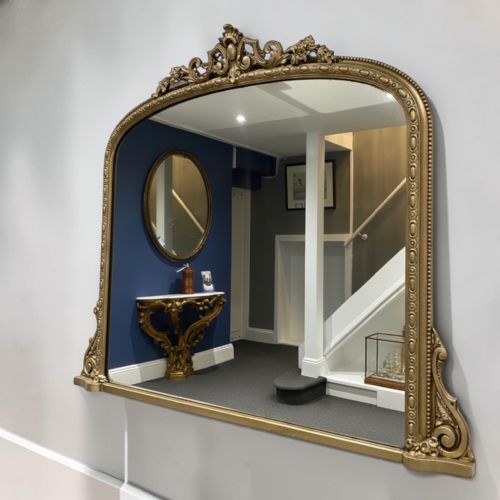
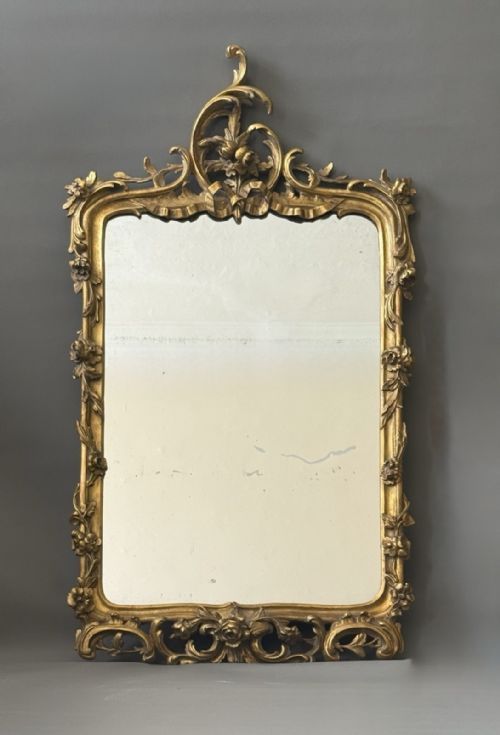
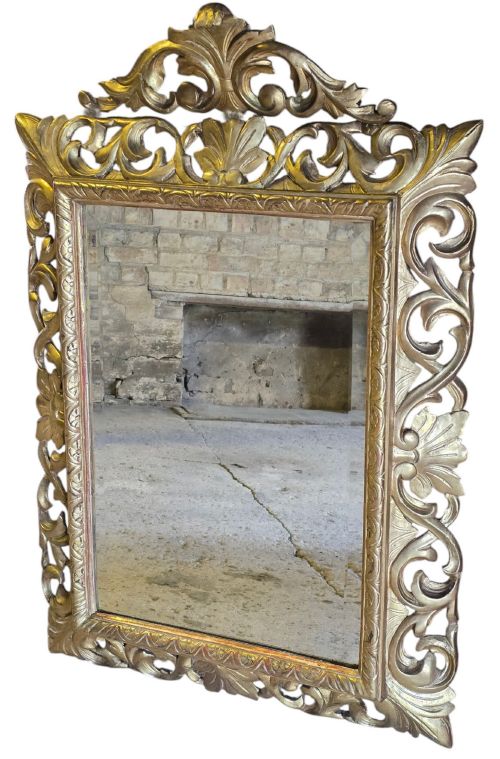
These rococo style mirror frame pieces combine curved asymmetrical ornamentation with gilded surfaces to anchor a room.
Rococo Style Mirror Frame
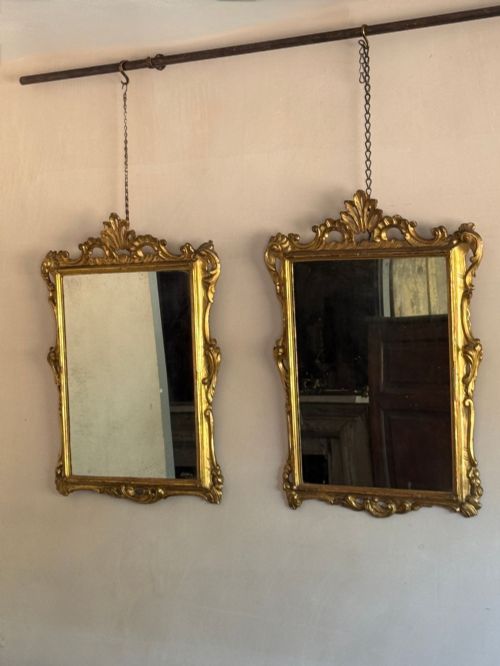
A rococo style mirror frame brings ornate, scrollwork decoration and scrolling foliage into domestic interiors. These pieces appear as wall mirrors, grand overmantel mirrors, pier mirrors, and smaller girandoles.
The selections span the eighteenth century, the nineteenth century, and into the twentieth century, covering Victorian adaptations and continental designs. French and Italian workshops dominate the origin points.
Buyers encounter substantial carved wood structures alongside smaller boudoir forms. The predominant variations centre on whether the plate is an original antique glass or a later replacement.
How they were made
Carvers shaped wooden foundations from oak, mahogany, or walnut before applying layers of gesso to build up the intricate relief. Artisans then applied gold leaf, silver leaf, or liquid gilding over the prepared surface.
Italian and French makers utilised composition ornament moulded onto wooden frames to achieve deep, asymmetrical scrolls efficiently. The glass plates were set into the rebates and secured behind protective backing boards.
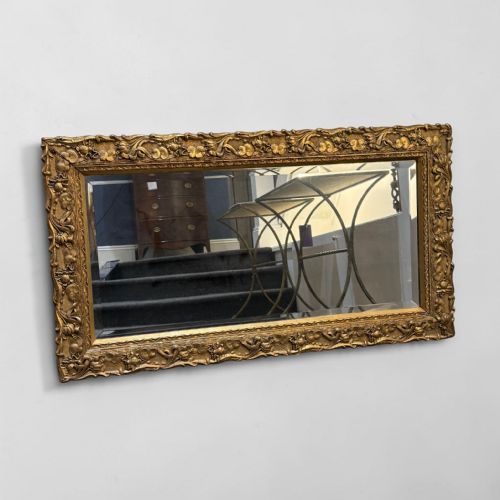
Vine leaf motifs twist across several nineteenth-century frames, bringing wild garden vegetation directly into the formal parlour.
What varies in quality
The depth and crispness of the hand-carved relief separate superior examples from simpler moulded versions. Artisans who spent more time undercutting the gesso and wood created scrolls with greater dimension.
The preservation of the original gilding and the character of the mirror plate itself dictate the overall standard. Early glass plates show natural oxidisation and foxing that distinguish period surfaces from modern replacements.
The Rococo Style Mirror Frame Glossary
- Gesso
- A plaster mixture applied to wood frames to create a smooth base for gilding. It allows carvers to achieve sharp details in relief decoration.
- Giltwood
- Timber coated with gold leaf or metal leaf over a prepared ground. It provides the signature metallic brilliance seen on period frames.
- Girandole
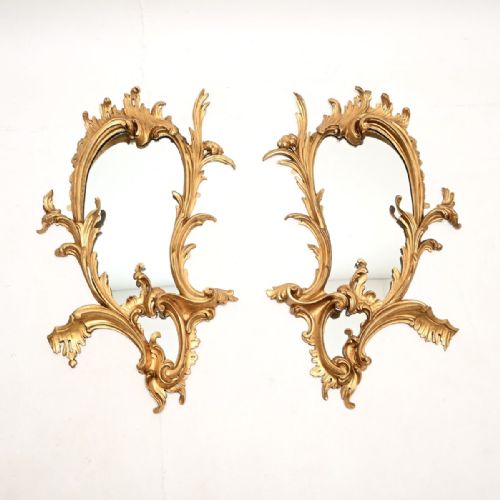
- A decorative wall mirror fitted with candle sconces attached to the frame. The polished glass and metallic arms reflected candlelight around the room.
- Overmantel mirror
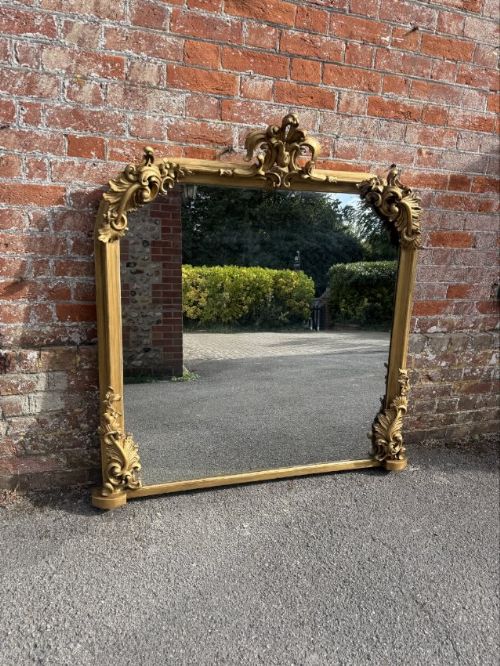
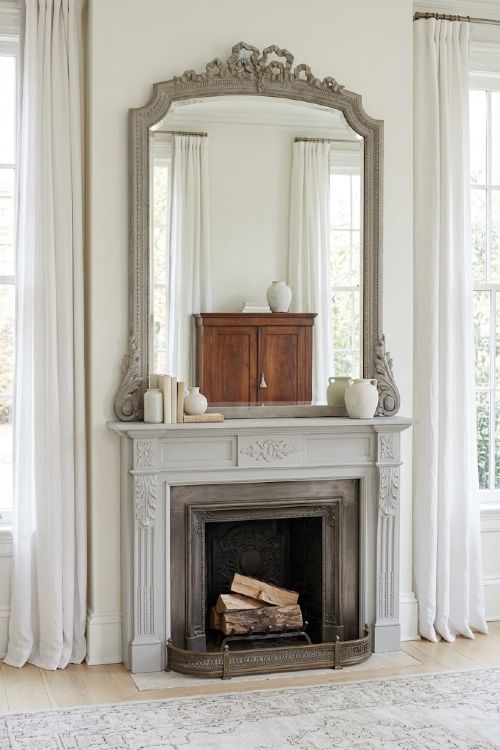
- A large horizontal mirror designed to hang above a fireplace mantelpiece. These pieces often anchor the proportions of a principal reception room.
- Trumeau
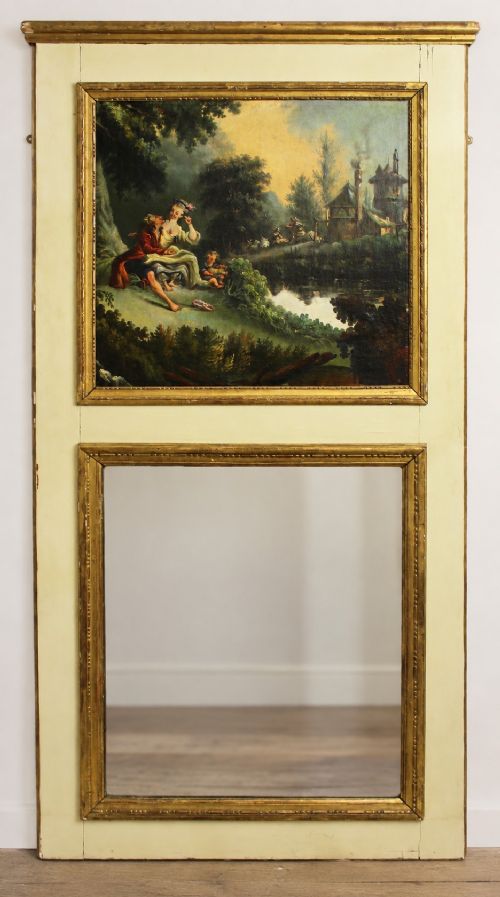
- A decorative wall mirror paired with an oil painting or panel set into the upper section. French interiors frequently incorporated these architectural fittings.
Rococo Style Mirror Frame: Frequently Asked Questions
How do I date a carved frame?
Examinations of the underlying wood, the composition of the gesso layer, and the backboards provide the primary clues for dating. Eighteenth-century pieces typically show hand-tool marks and older construction methods compared to later Victorian revivals.
The style of the carving and the mounting hardware also help establish the decade of manufacture. Continental frames often exhibit distinct regional tool use that separates them from British cabinetmaking.
Can these mirrors hang safely on modern walls?
Most substantial frames require reinforced fixings due to the combined weight of the dense timber, gesso, and glass plate. Professional installers use heavy-duty brackets distributed across the structural framework rather than relying on a single central wire.
Overmantel mirrors often rest partly on the mantelpiece itself while being anchored to the wall for stability. Assessing the load-bearing capacity of the wall plaster remains an essential step before mounting.
What is the difference between giltwood and silvered frames?
Giltwood frames utilise gold leaf or gold metal leaf to produce a warm, luminous metallic finish. Silvered or silver-gilt examples employ silver leaf or mixed metal leaf to achieve a cooler, brighter tone.
Over time, silver leaf tends to tarnish and darken into complex patinas, whereas gold leaf retains its warmer metallic lustre. Both finishes were applied over gesso grounds using traditional sizing techniques.
Are original mirror plates expected on these pieces?
Original antique plates survive on many pieces, displaying characteristic imperfections, waviness, and light foxing. These signs of age confirm the glass has remained undisturbed within the frame for generations.
Many frames received replacement mirror plates during the nineteenth or twentieth century when older glass degraded. Both original and replaced plates appear frequently across surviving examples.