


Pierced Carved Wood Mirror
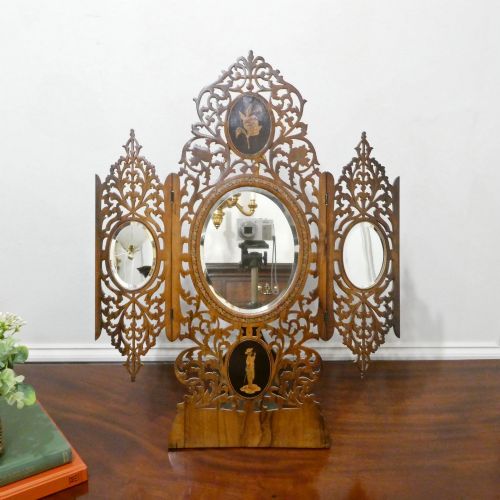
These pierced carved wood mirror pieces bring intricate openwork framing and reflective depth into a room, offering rich texture for any interior.
Pierced Carved Wood Mirror
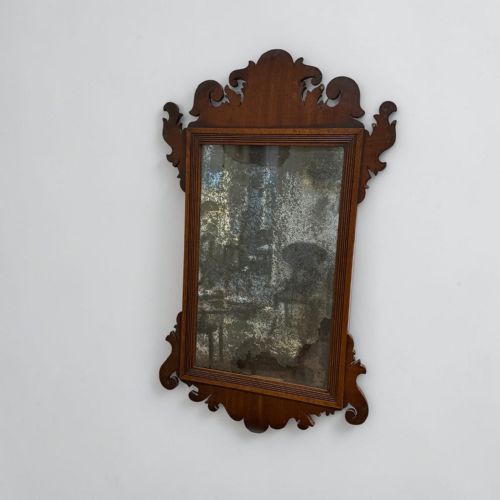
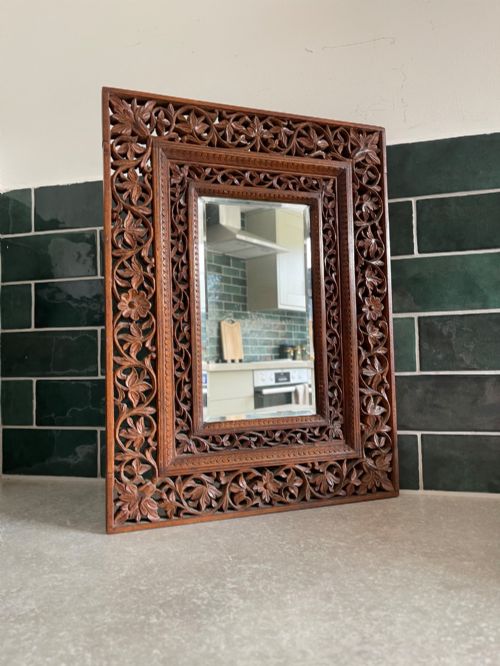
A pierced carved wood mirror combines openwork wooden frames with reflective glass, creating layered depth on a wall. When searching for a pierced carved wood mirror, buyers encounter diverse regional traditions ranging from British Georgian designs to intricate Anglo-Indian woodwork.
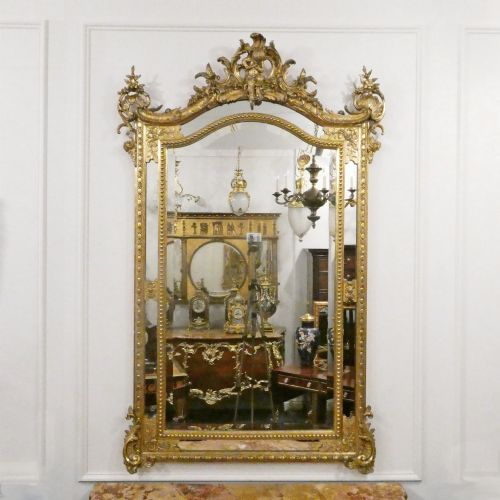
Italian Florentine workshops and British cabinetmakers produced many of the prominent styles seen here, including Rococo flourishes and Chippendale fretwork. Pieces vary from oval wall mirrors to rectangular frames with delicate pierced borders.
How they were made
Craftsmen shaped these frames from solid timbers including walnut, mahogany, oak, and dense hardwoods, cutting through the material to create open pierced designs. Fret-cut techniques allowed makers to achieve precise geometric and floral patterns in thin wooden boards.
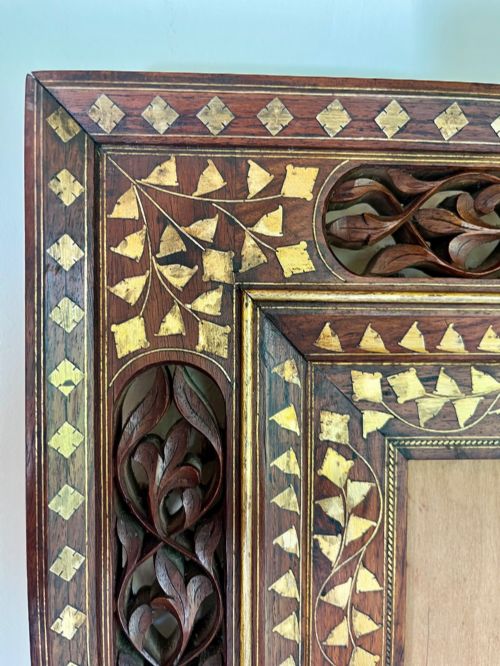
Giltwood pieces received layers of gesso applied over carved wood before receiving applications of gold leaf. Other traditions relied on contrasting inlay work, embedding brass into hardwood surfaces to accentuate the carved details.
Design styles represented on this page include Chippendale, Louis XVI Style, Florentine Rococo, and Anglo-Indian.
What varies in quality
The crispness of the carving separates superior frames from simpler workshop output, showing sharp undercutting and deliberate depth rather than soft, rounded edges. In giltwood examples, the preservation of the original gold leaf and gesso ground dictates the visual richness.
Structural integrity depends on the precision of the joinery within the fretwork and the stability of the timber over centuries. Original mirror plates with appropriate foxing and silvering hold greater historical weight than modern replacements.
The Pierced Carved Wood Mirror Glossary
- Giltwood
- Wood that has been coated with thin gold leaf over a prepared gesso surface. This finish provides a luminous metallic sheen that catches interior light.
- Fretwork
- Ornamental woodwork pierced with a fretsaw to create open patterns. It defines the lightweight, intricate borders found on many eighteenth and nineteenth century frames.
- Gesso
- A plaster-like mixture applied to wood frames to provide a smooth base for gilding. Its thickness allows carvers to refine details before applying gold leaf.
- Rococo
- An ornate design style characterised by asymmetrical scrolls, C-curves, and naturalistic shell motifs. It heavily influenced mid eighteenth century mirror frames.
- Anglo-Indian
- Descriptive of furniture and decorative objects made in India under British influence, often featuring dense carved hardwood and brass inlay.
Pierced Carved Wood Mirror: Frequently Asked Questions
How do I date a carved wooden mirror?
Dating relies on examining the timber species, the tool marks left by the carver, and the style of the fretwork or gilding. Eighteenth century pieces often use pine or mahogany with hand-cut joinery, while later nineteenth century examples show different mechanical aids.
Examining the backboards, fixings, and the composition of the gesso ground provides further clues to the period of manufacture.
What is the difference between Georgian and Victorian mirrors?
Georgian mirrors frequently display Rococo or Chippendale influence with lighter fret-cut frames and careful attention to asymmetry. Victorian pieces often heavier proportions, utilising dense oak or elaborate revival styles.
Regional variations also shift between these eras, moving from British cabinetmaker traditions into wider international workshops.
How should I hang a heavy giltwood mirror?
Hanging requires locating structural wall studs or utilising heavy-duty wall anchors rated well above the weight of the frame. Because many pierced carved frames feature delicate openwork, professionals should handle the weight distribution.
Ensuring the hanging wire or mirror plates on the reverse are secure prevents strain on ancient wooden joints.
Are the mirror plates original?
Mirror plates often show age through oxidation, dark spots known as foxing, or slight distortion in the reflection. Many pieces retain their original glass, while others received replacement plates during their history.
Original glass adds historical value and authenticity to antique wall mirrors.
How do I care for antique carved wood?
Maintenance involves dusting gently with a soft brush to prevent accumulation in the intricate pierced recesses. Moisture and direct sunlight damage both exposed wood and delicate gilt surfaces.
Avoiding harsh chemical cleaners preserves the historic patina on both the timber and the gilded finishes.