

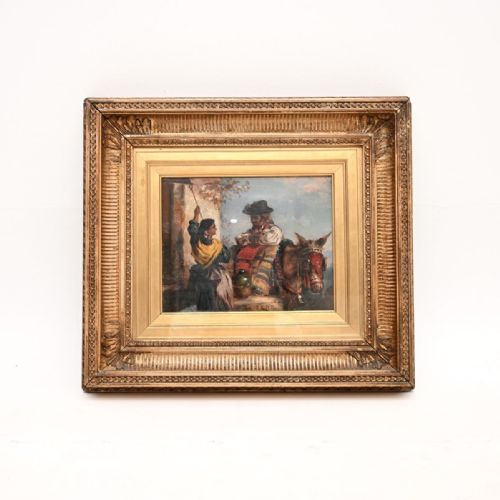
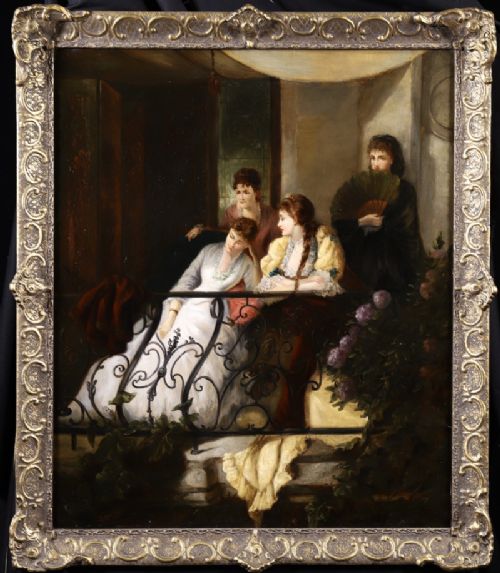

Ornate Gilt Wall Picture
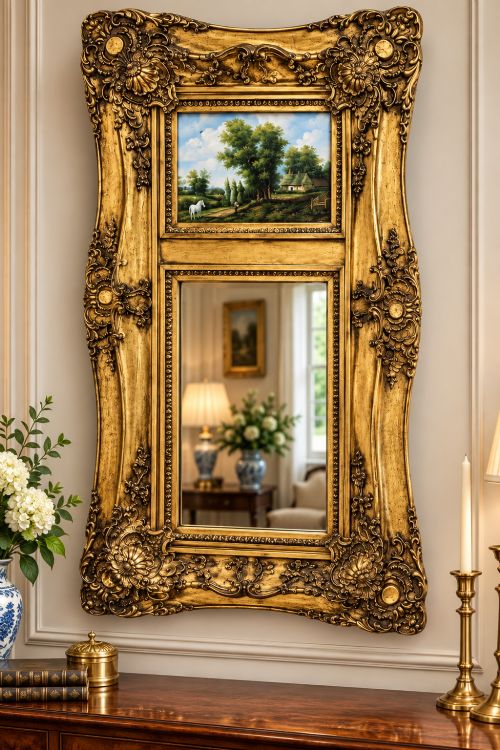
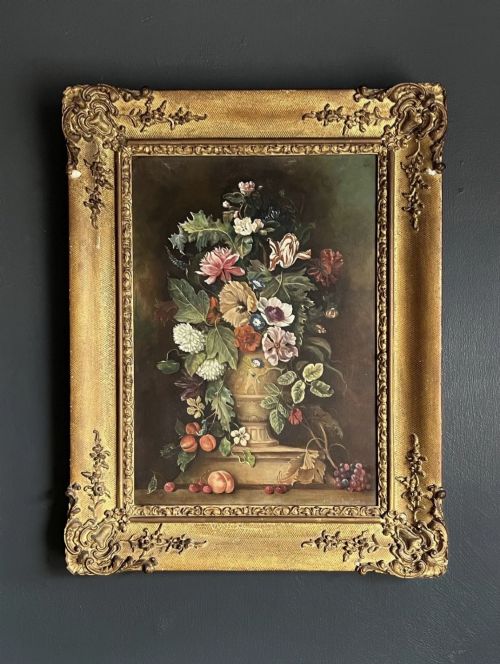
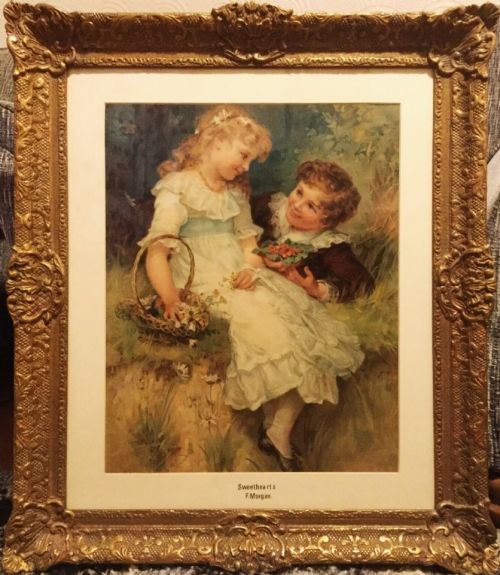
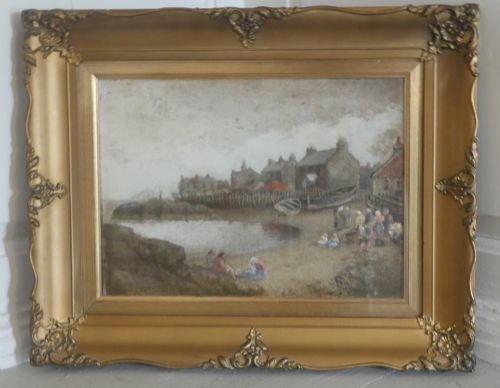
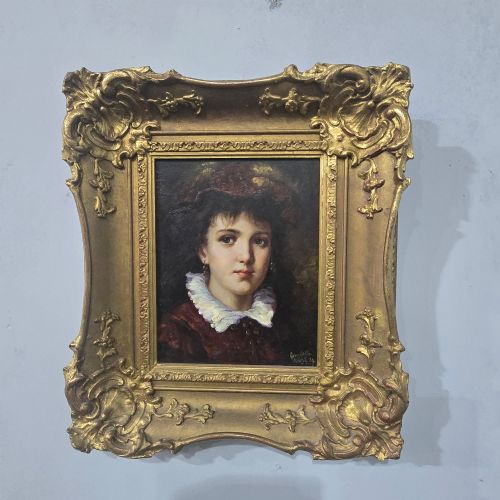
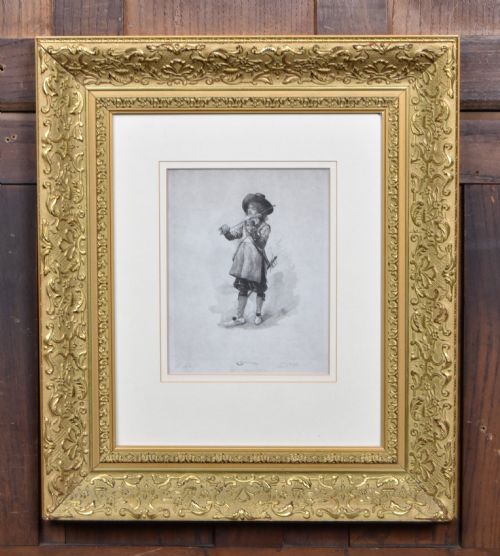
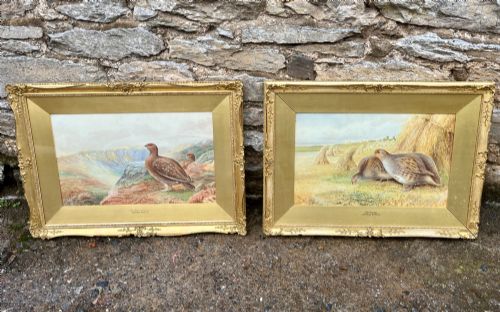
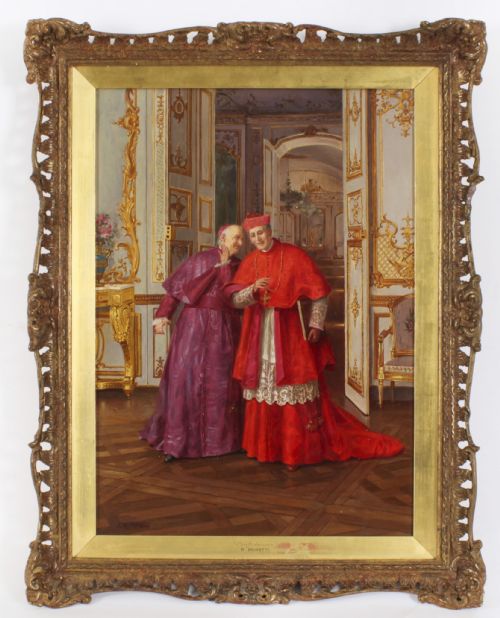
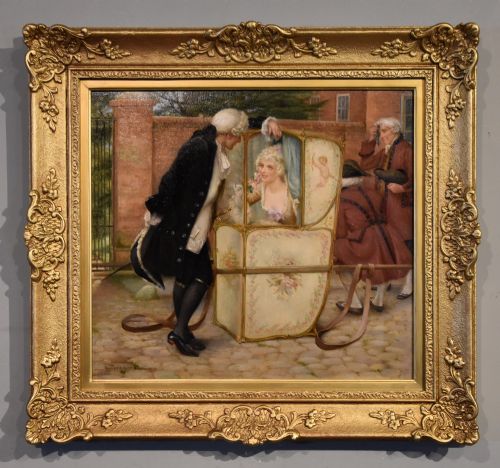
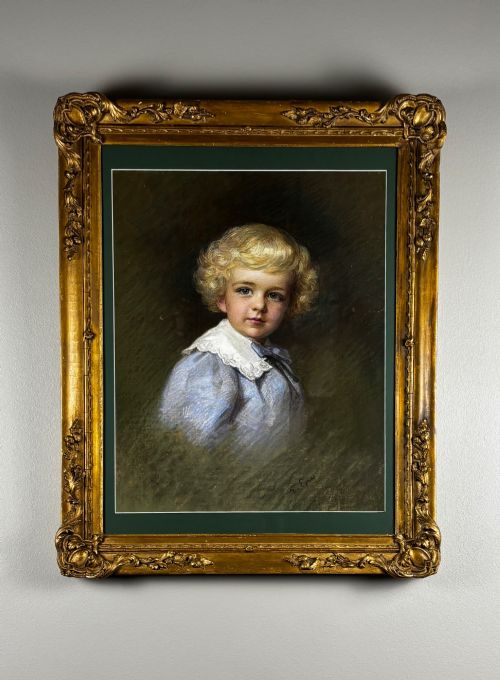
An ornate gilt wall picture brings together historic canvas, print or mirror work and the rich reflective warmth of period framing.
Ornate Gilt Wall Picture
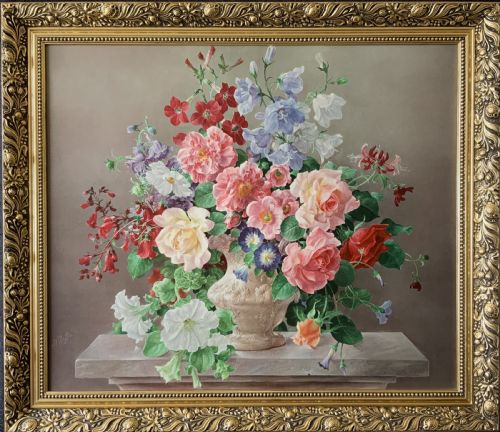
When you search for an ornate gilt wall picture, you encounter a diverse collection of framed art objects spanning from the nineteenth century into the mid-twentieth century. These items encompass oil paintings, watercolours, prints, oleographs and wall mirrors housed within decorative borders.
The objects derive from various British, French, Italian and Austrian origins, representing academic portraits, landscapes, floral still lifes and maritime scenes. Victorian and Edwardian examples sit alongside pieces dated to nineteen-sixty, demonstrating a persistent tradition of heavy, gilded presentation.
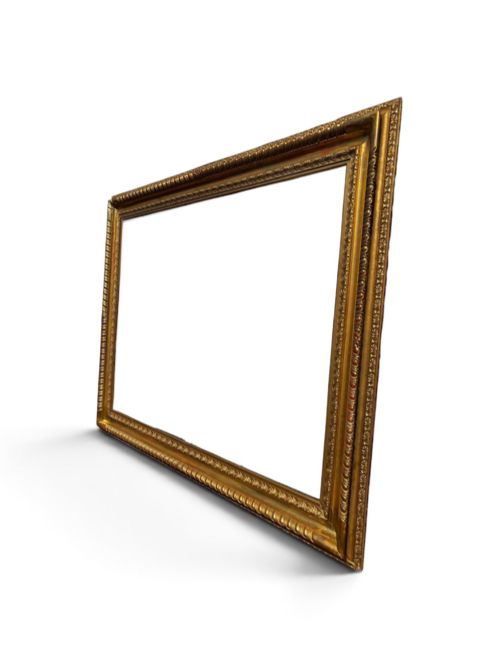
Buyers meet both standalone artworks created inside these elaborate surrounds and empty frames designed to house independent canvases or mirrors. The predominant aesthetic relies on high relief, moulded decoration that projects forward from the wall surface.
Materials and construction
Makers built the foundational structures of wood, establishing sturdy timber skeletons before applying decorative surface layers. Timber mouldings provided the deep profiles required for multi-tiered decorative schemes.
Gesso, a mixture of plaster of Paris or chalk with glue binder, was applied over the timber base and carved, stamped or moulded into relief patterns. Workers then applied gold leaf or gilt finishes directly onto the prepared gesso ground to achieve a metallic sheen.
Artworks within these surrounds utilised canvas, oil on board, paper and glass. Canvases received oil paint applications, whilst prints and oleographs reproduced popular compositions behind protective glass layers.
Cats appear dressed as stylish individuals in framed pastel art from nineteen-thirty.
Distinctions in quality
The standard of an ornate gilt wall picture rests upon the depth and crispness of the moulded ornamentation. Hand-modelled gesso work showing sharp undercut details and clean botanical or scroll motifs distinguishes superior items from flat, mass-produced casts.
Material application dictates longevity and visual resonance, with genuine gold leaf retaining a warmer, more nuanced metallic patina than base metal leaf or modern metallic paints. The integration between the artwork and its enclosure matters profoundly, as custom-fitted periods frames complement the internal composition without crowding the visual field.
The pedigree of the internal artwork - whether an original oil painting by a recorded nineteenth-century hand or a commercial print - establishes the broader tier of the piece. Substantial timber depth and well-preserved velvet or ebonised sight edges elevate the architectural presence of the object on the wall.
Edward Mills·Jonny Gaston·Harold Clayton·George Rankin·Renato Moretti·Delapoer Downing·Emily Eyres·Thomas Kent Pelham·John A Monteith·John Arthur Lomax·John Frederick Herring Jnr·Eugene Verboeckhoven·Sir Edwin Landseer·Frank Hider·Vincent Clare·R Palnay·Henry H Parker
The Ornate Gilt Wall Picture Glossary
- Giltwood
- Timber that has been gilded with gold leaf or metal leaf applied over a prepared ground. This material provides the primary golden structure for high-status picture surrounds.
- Gesso
- A paste mixture consisting of a binder mixed with chalk, gypsum or pigment used to coat wood before painting or gilding. It allows craftsmen to carve intricate low-relief ornamentation.
- Oleograph
- A type of chromolithograph printed on canvas to imitate an oil painting, often finished with textured varnish. These reproductions were popular in the nineteenth and twentieth centuries.
- Crystoleom
- A Victorian method of applying oil paint to the inside of concave glass and backing it with paper to create a luminous image. These fragile works required secure, deep framing.
- Swept frame
- A picture frame moulding featuring a double ogee profile that curves outwards and inwards again, typically adorned with rococo scrollwork. It creates dynamic movement around a central canvas.
Ornate Gilt Wall Picture: Frequently Asked Questions
How do I hang a heavy gilt frame?
Heavy gilded timber and gesso objects require secure wall anchors fixed directly into masonry or solid wall studs using rated picture wire and robust screw eyes. Distributing the weight across two suspension points prevents the frame from tilting and reduces stress on the top moulding.
Ensure the hanging height places the centre of the artwork at average eye level for optimal viewing. Professional mirror and picture hangers provide specialised brackets for deep-profile frames.
Can I swap the painting inside?
Swapping artwork inside a period frame is possible when the internal rebate dimensions match the new canvas or board. However, original framing configurations often feature bespoke measurements tailored to specific stretched canvases.
Altering historic rebate structures risks damaging delicate gesso mouldings and internal gilt sight edges. Collectors generally preserve the original pairing of art and enclosure as a unified historical artefact.
How do I clean gilt gesso?
Dust gilt gesso surfaces gently using a soft, dry artist brush or ostrich feather duster to remove loose particles without disturbing fragile relief details. Avoid applying water, liquid solvents or modern chemical cleaners, which strip historic gold leaf and soften the underlying plaster ground.
Professional conservators should address stubborn grime or structural flaking to prevent irreversible loss of the gilded finish.
Are Victorian frames different from 1960s ones?
Victorian frames typically employ solid timber construction coated with thick, hand-finished gesso and genuine gold leaf, exhibiting deep profiles and organic Rococo Revival scrollwork. Mid-twentieth-century examples often utilise lighter composition materials, simplified moulds and substitute metallic finishes.
Examining the reverse side reveals construction methods, timber ageing and fastener types that separate nineteenth-century workshop practices from later production.