

Traditional Framed Portrait
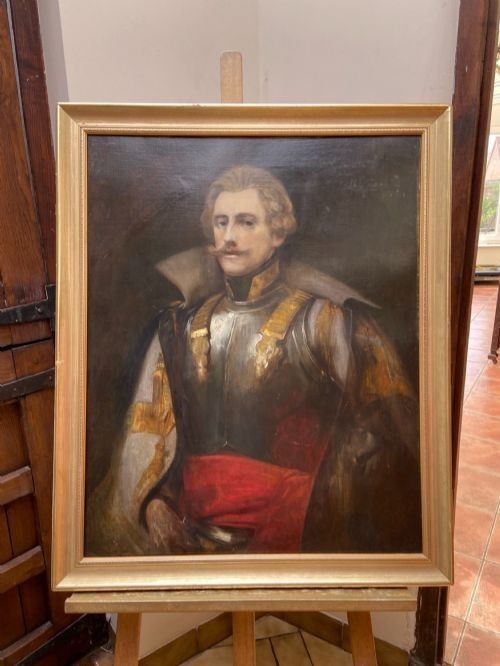
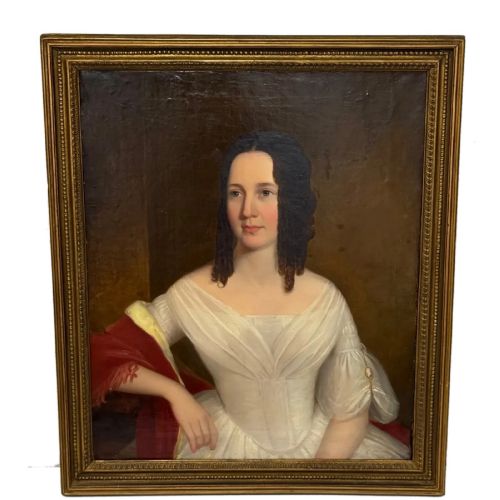
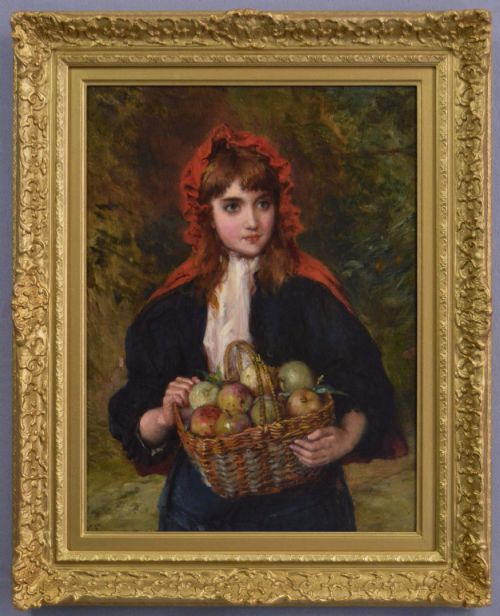
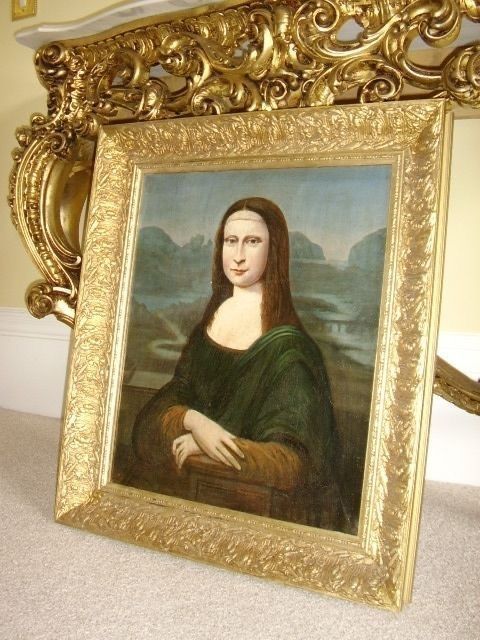
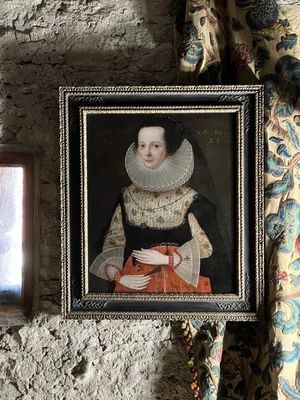
Traditional framed portrait works bring historical presence into a room, offering enduring character through painted likenesses set within period surrounds.
Traditional Framed Portrait
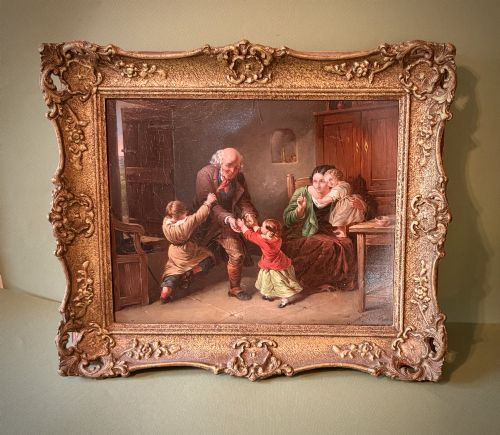
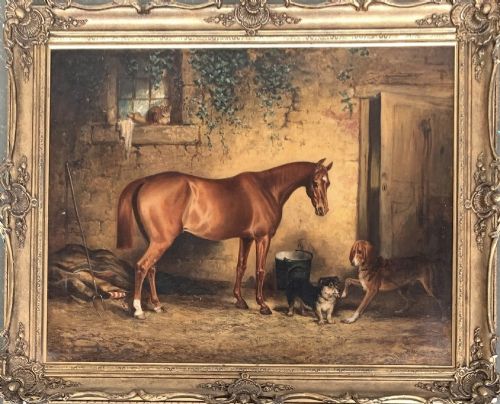
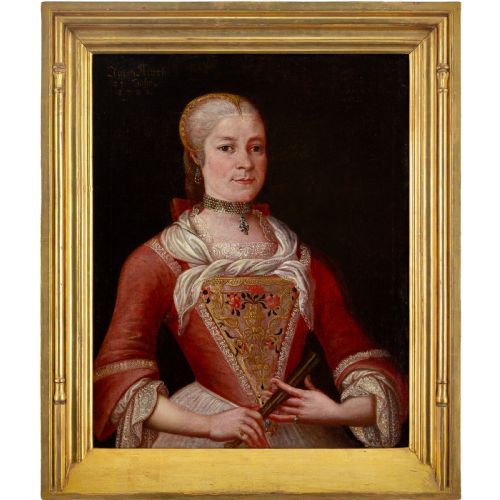
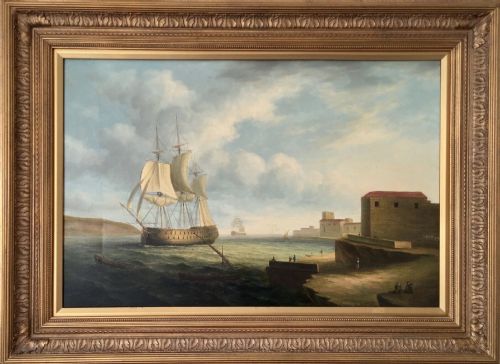
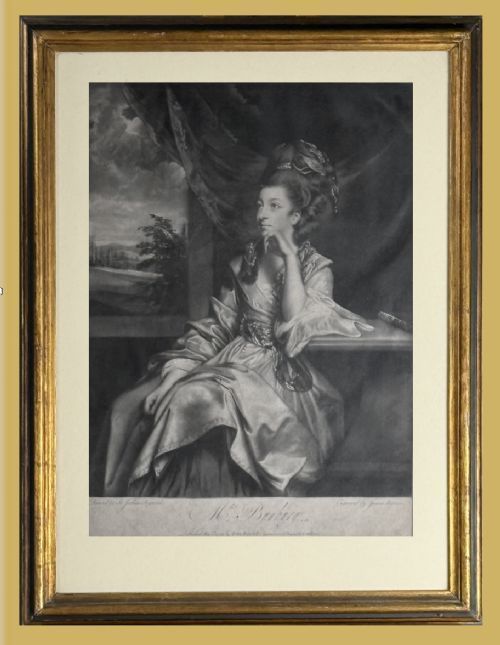
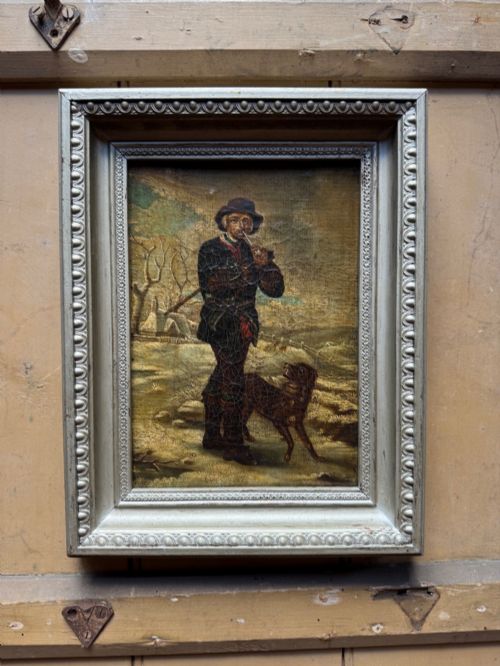
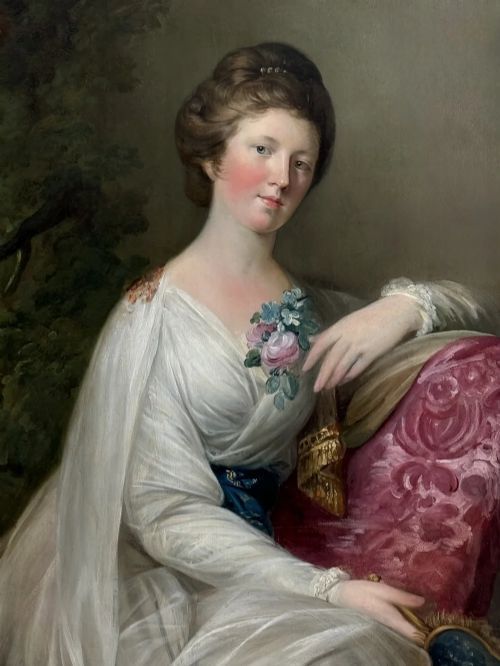
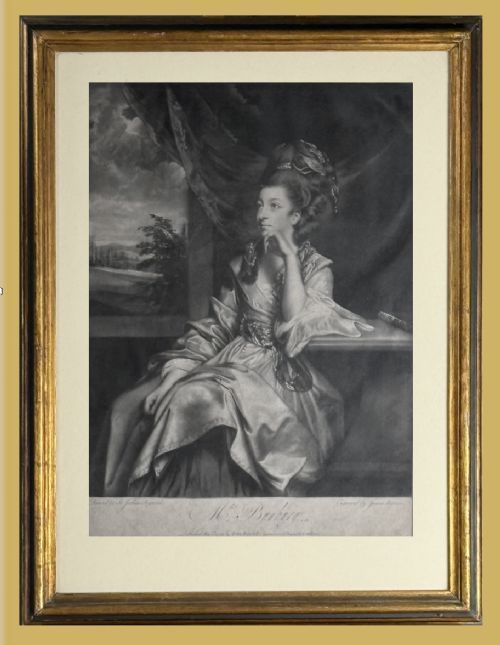
A traditional framed portrait captures human, animal, and subject likenesses through historic painting traditions, spanning centuries of British and European artistry. Buyers seeking a traditional framed portrait will encounter works executed in oil on canvas, oil on panel, and oil on board, alongside printed mezzotints.
The inventory on this page draws from eras including the Georgian, Victorian, and Edwardian periods, as well as the wider nineteenth century. Subjects range from aristocratic figures and military officers to everyday citizens, domestic animals, and prize livestock.
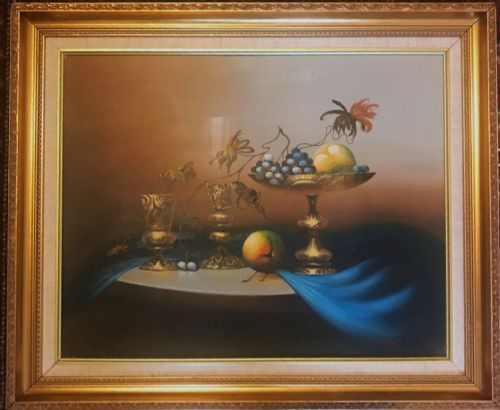
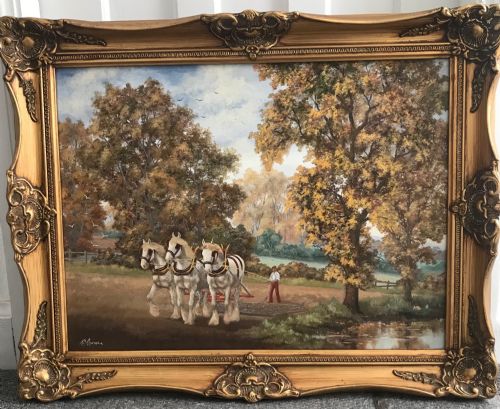
Framing forms an integral component of these works, frequently utilising period timber moulds enriched with gesso and gold leaf. These enclosures complement the painted canvas, creating a complete decorative and historical object ready for interior display.
How they were made
Painters built their compositions upon woven canvas or wooden panels, applying oil paint to achieve depth, rich tonality, and enduring colour. Many works utilise fine glazes over layered pigments to render fabric textures, skin tones, and atmospheric backgrounds.
The surrounding frames relied on seasoned wood carved or moulded into profile shapes, then coated with plaster-based gesso. Artisans applied thin sheets of gold leaf to the prepared surfaces, burnishing the metal to create a reflective metallic sheen.
Domestic animals share the canvas with nobility, immortalising prize shorthorn bulls alongside aristocratic ladies.
What varies in quality
The skill of the brushwork dictates the artistic merit of each painting, distinguishing masterly anatomical rendering and expressive character from rigid execution. Superior portraits capture subtle shifts in light across a subject's face and clothing, whereas lesser examples rely on flat planes and formulaic details.
Framing quality also differs significantly across the selection, separating simple replacement mouldings from period giltwood surrounds that retain their original hand-carved ornamentation and gold leaf application.
James Watson·Sir Joshua Reynolds·Albert Clark·William Oliver·George Willison
The Traditional Framed Portrait Glossary
- Mezzotint
- A printmaking process of the intaglio family where the plate is roughened with a rocker to achieve rich tonal gradations. This technique allowed printmakers to reproduce painted portraits with exceptional shadow depth.
- Giltwood
- Timber that has been coated with a thin layer of gold leaf or gold paint for decorative effect. It frequently forms the ornate outer border of historic picture frames.
- Gesso
- A paint mixture consisting of a binder mixed with chalk, gypsum, or pigment used to prepare wood surfaces for gilding. It provides a smooth base for the application of gold leaf on frames.
- Oil on panel
- A painting technique where pigments bound in oil are applied directly to a rigid wooden board. This method was common in earlier centuries before canvas became the dominant support.
Traditional Framed Portrait: Frequently Asked Questions
How do I date a traditional framed portrait?
Dating relies primarily on the subject's costume, hairstyle, and the construction methods of both the canvas support and the frame. Stylistic clues within the brushwork and any accompanying inscriptions also provide chronological markers.
Examining the back of the canvas or panel often reveals historic labels, stamps, or stamps left by framing workshops that narrow down the period of production.
Where should I hang a portrait at home?
Portraits suit principal living spaces, dining rooms, and hallways where traditional furnishings complement their historical aesthetic. Placing them at eye level allows viewers to engage with the subject's gaze.
Avoid positioning these works in direct sunlight or damp environments, as fluctuations in temperature and light can damage both the oil paint and the giltwood frame.
What is the difference between an oil painting and a print?
An oil painting is a unique, hand-painted artwork created directly by an artist using pigmented oil on a canvas or panel surface. Brush textures and layered paint applications are visible upon close inspection.
A print, such as a mezzotint, is a mechanically or chemically produced reproduction created from an engraved plate. Prints offer multiple impressions of a popular painted subject.
How should I clean a historic frame?
Historic frames require gentle maintenance using a soft, dry brush to remove surface dust from the carved gesso and giltwood details. Avoid using water, chemical sprays, or abrasive cloths, which can strip away the delicate gold leaf.
Professional conservators should handle structural repairs, such as securing loose moulding or re-gilding worn sections of the timber frame.