
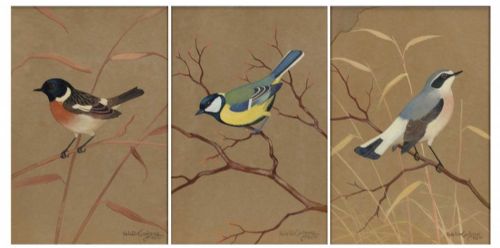
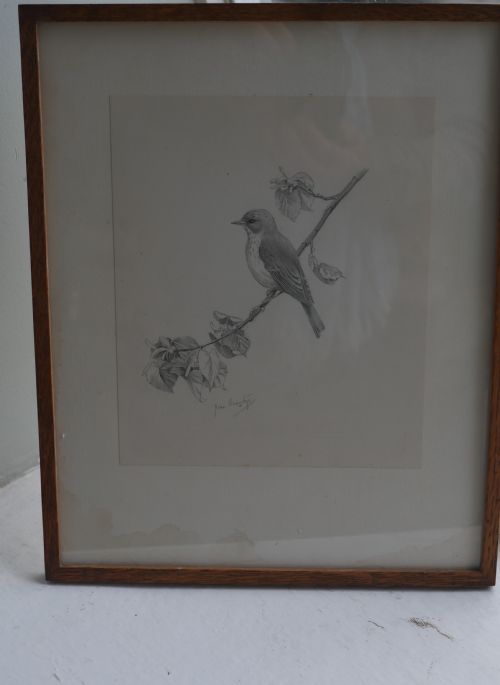


Antique Bird Art Prints
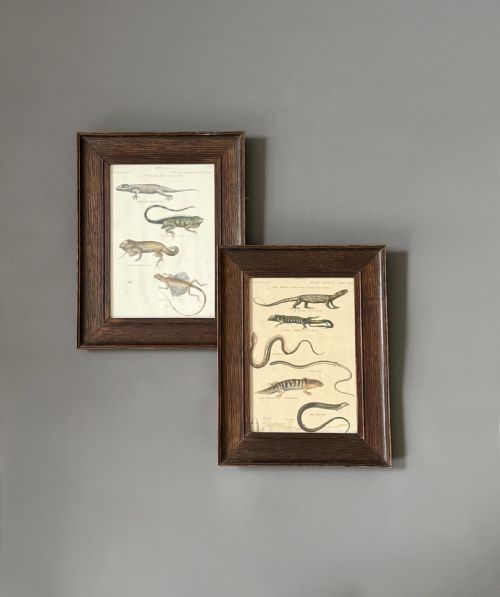
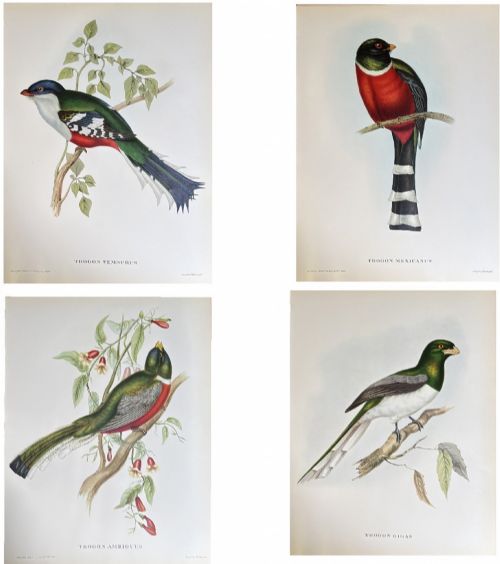
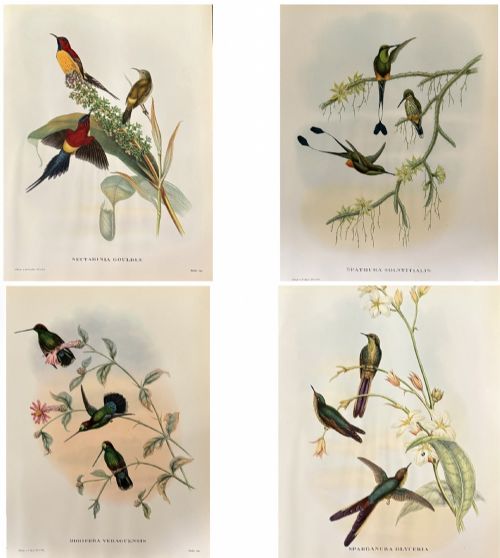
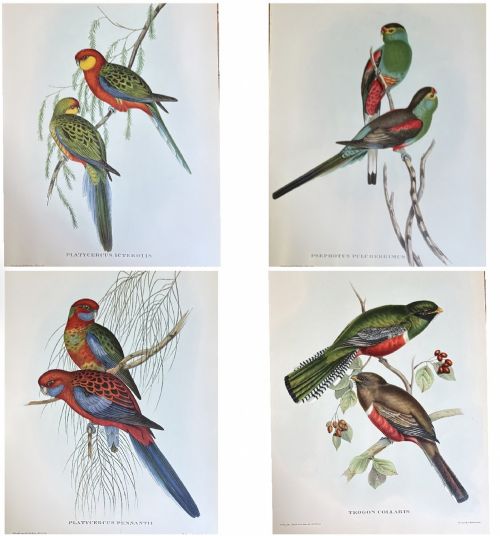
These antique bird art prints bring the precision of natural history illustration and the warmth of watercolour into a room.
Antique Bird Art Prints
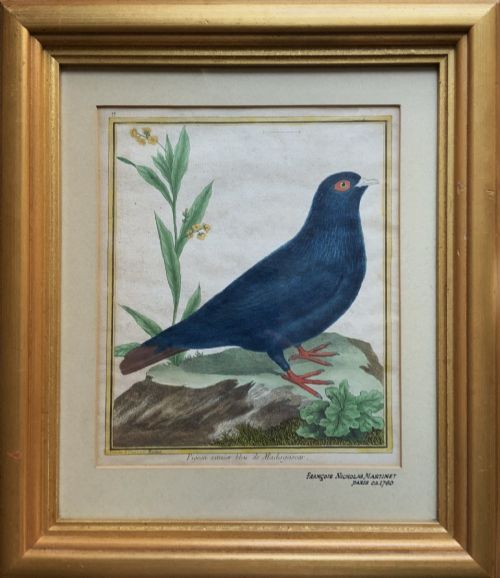
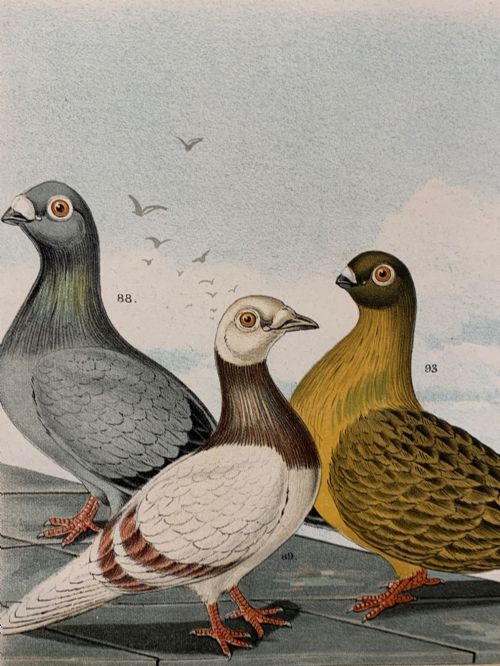
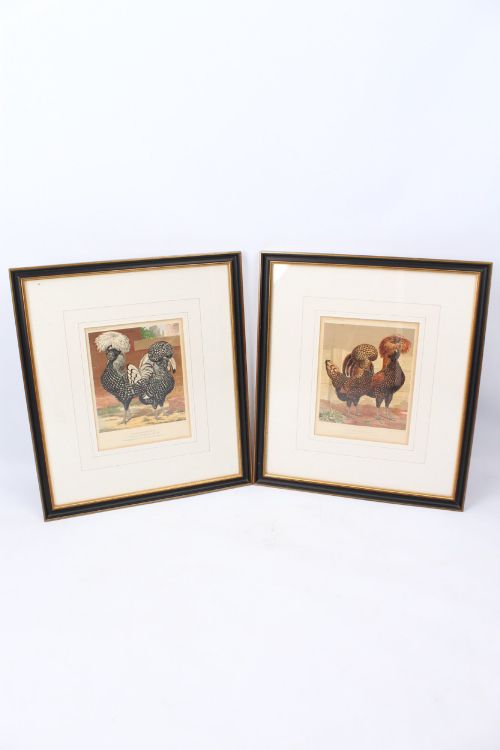
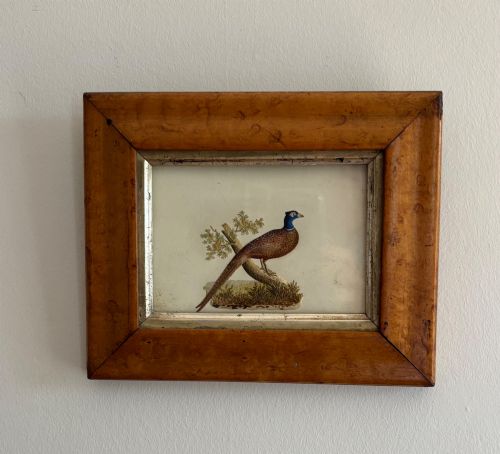
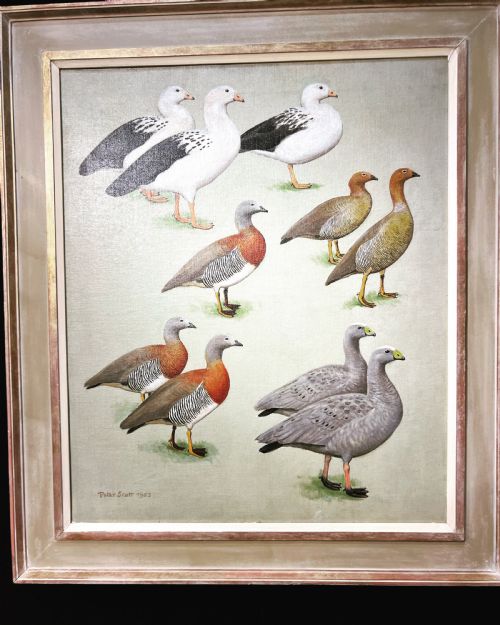
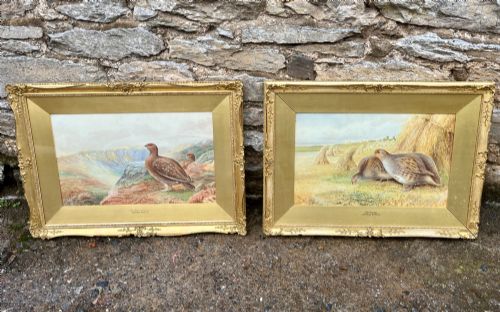
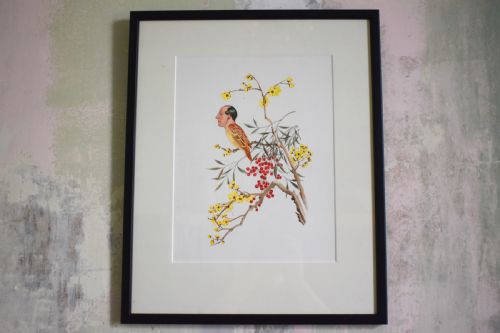
Antique bird art prints span centuries of ornithological study, capturing everything from pigeons and parrots to game birds and garden species. When searching for antique bird art prints, buyers encounter hand-coloured engravings, lithographs, and delicate watercolours produced across the eighteenth, nineteenth, and twentieth centuries. These works frequently appear in sets, whether framed in maple and ebonised wood or preserved as loose plates.
The material record on this page shows pieces originating from Georgian, Victorian, and Edwardian periods, alongside mid-century printings. Makers and artists range from celebrated illustrators to anonymous printmakers working in British Naturalism and natural history traditions. Framed prints and wall art dominate the selection, often accompanied by deep giltwood mounts and glass protection.
How they were made
These works rely on paper as the primary ground, receiving images through copperplate engraving, lithography, or direct watercolour painting with ink details. Many early examples incorporate hand-colouring, where artists applied washes by hand over black-and-white engraved lines to render plumage and foliage with botanical accuracy.
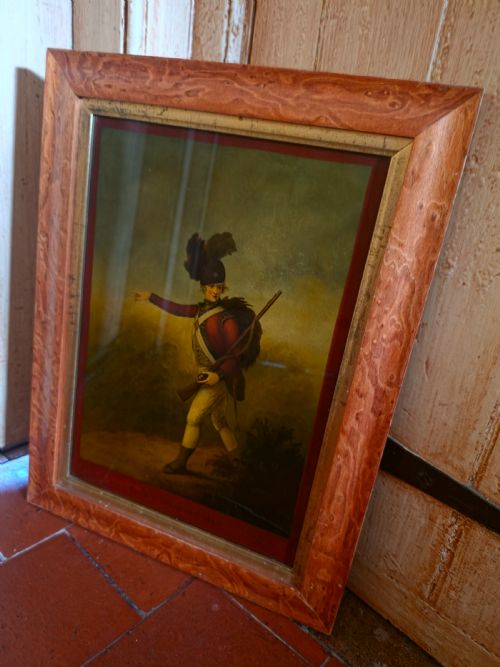
Framing techniques match the period of the art, utilising wood frames such as maple or ebonised moulding, frequently complemented by gold leaf, gilt, and deep giltwood mounts. Reverse glass painting and basso-rilievo plaster work also appear among the decorative techniques used to present avian subjects.
Pigeons, parrots, game birds, and garden species populate the works, proving that past artists loved our feathered neighbours just as much as we do.
What varies in quality
Quality rests in the fidelity of the draughtsmanship and the crispness of the printing plate before wear softens the lines. Hand-coloured plates demonstrate skill in the subtlety of the wash and the preservation of pigment vibrancy over generations.
The integrity of the framing materials also distinguishes the pieces, from simple unadorned mouldings to ebonised frames housing deep giltwood mounts. Completeness of a set elevates an offering, particularly when matching series survive intact without separation.
François-Nicolas Martinet·George Edwards·Alken·William Swainson·Edward Lear
The Antique Bird Art Prints Glossary
- Lithography
- A planographic printing method using a stone or metal plate to transfer ink onto paper. This technique allowed for the mass production of detailed illustrations in the nineteenth century.
- Engraving
- A printmaking process where an artist cuts lines directly into a metal plate with a burin. The resulting grooves hold ink under pressure to produce fine, precise lines on paper.
- Hand-coloured
- The manual application of watercolour or tint to a printed monochrome image. Artisans painted these details by hand to mimic the natural colours of feathers and foliage.
- Ornithological
- Pertaining to the scientific study and depiction of birds. These studies prioritise anatomical accuracy and species identification.
- Mount
- A cardboard or paper border placed around a picture inside the frame. Deep giltwood mounts add reflective depth and separation between the artwork and the glass.
Antique Bird Art Prints: Frequently Asked Questions
How should I frame antique bird prints?
Protect antique paper by using acid-free mounts and framing materials that keep the sheet away from the glass. Traditional wood frames like maple or ebonised moulding suit the period aesthetic of these works.
Ensure hanging locations avoid direct sunlight to prevent the watercolours and hand-coloured inks from fading over time.
Are these prints from original books?
Many nineteenth-century plates originate from published ornithological volumes and scientific journals of the period. Disbound sets are common because collectors historically separated plates for individual framing and display.
Examining the plate margins often reveals publication details, numbering, or watermarks that confirm the historical context of the printing.
How do I date a bird engraving?
Dating relies on paper characteristics, printing techniques, and any accompanying inscriptions or publication dates noted on the margin. Georgian engravings typically feature heavier laid paper with visible chain lines, while later Victorian lithographs use smoother wove stock.
Stylistic cues in the hand-colouring and the framing setup also provide reliable clues to the decade of production.
Can I hang watercolours in bright rooms?
Watercolours and ink are sensitive to ultraviolet light, which causes pigments to shift and fade permanently. Position these pieces on interior walls away from direct sunlight and consider UV-filtering conservation glass.
Rotating the display or controlling natural light with curtains helps preserve the vibrancy of the original paint.