


18th Century Illustrations
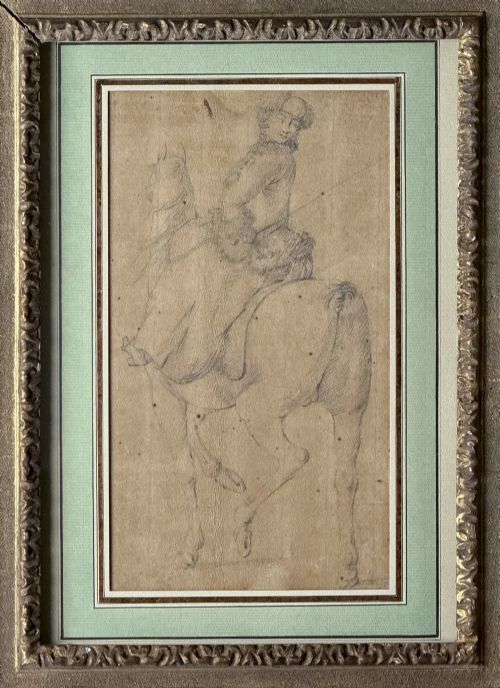
These 18th century illustrations bring together hand-coloured natural history, architectural elevations, and original figure drawings on paper.
18th Century Illustrations
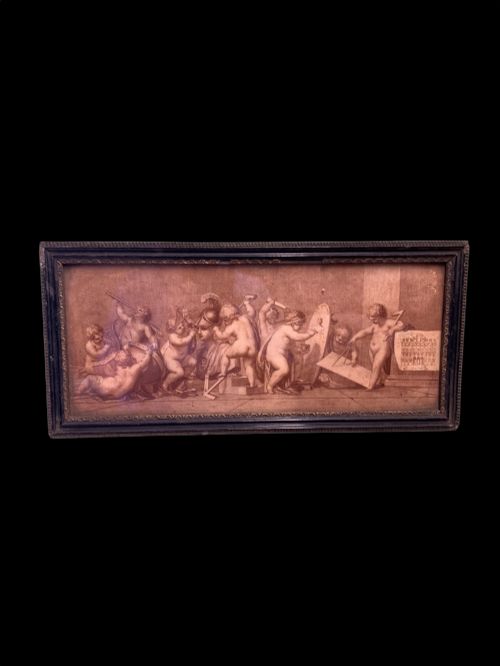
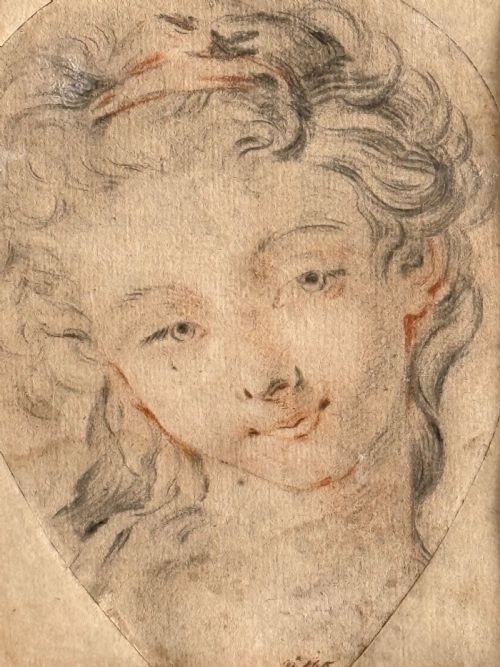
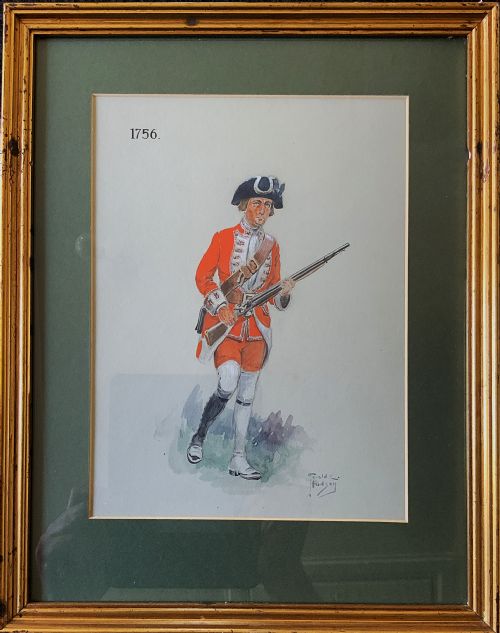
When you search for 18th century illustrations, you encounter a diverse gathering of works on paper ranging from copperplate engravings to original watercolours and ink sketches. These pieces span natural history plates of birds, serpents, and mammals, alongside detailed architectural studies from Athens and European landscape scenes.
The most common formats on this page are hand-coloured engravings and monochrome prints produced during the Georgian period. Works by notable draughtsmen and engravers sit alongside school drawings and satirical social scenes.
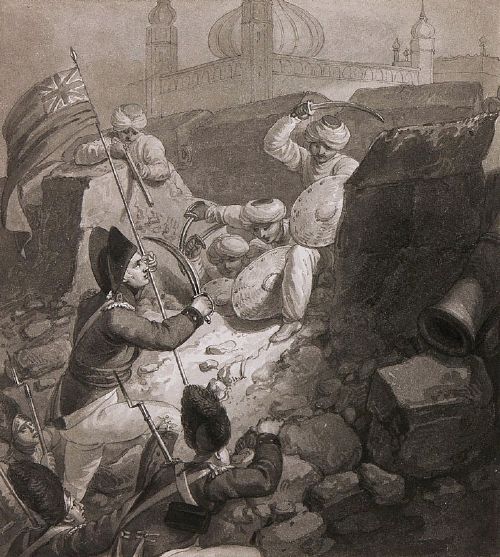
The subjects divide broadly into scientific studies, classical architecture, portraits, and narrative artwork. Each piece serves as a surviving fragment of period documentation, framed for display on walls.
How they were made
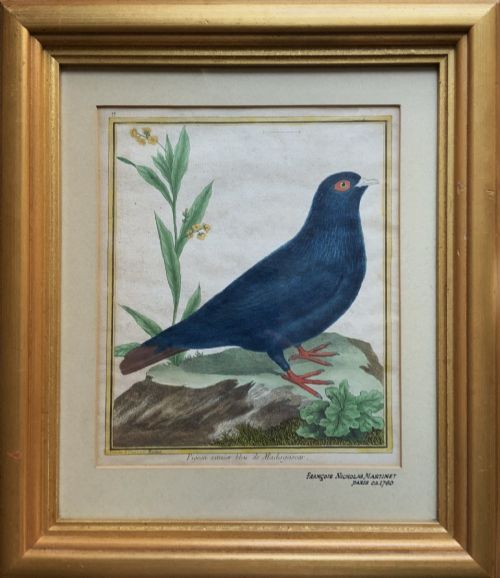
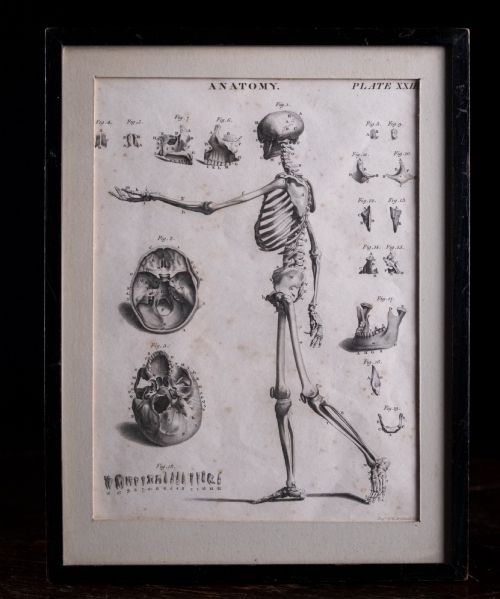
Makers primarily utilised copperplate engraving and ink on paper to produce the underlying lines of these images. Artisans then applied watercolour, wash, or hand-colouring directly onto the printed sheet to bring definition and vibrancy to subjects such as birds, fish, and anatomical figures.
Original works rely directly on pen and wash, watercolour, and ink sketch techniques applied by hand onto laid or woven paper. Gilt wood and glass frames frequently accompany the finished pieces to protect the fragile paper substrates.
Listings feature paper, ink, watercolour, and gilt wood materials combined into architectural and natural history subjects.
What varies in quality
Quality rests significantly on the precision of the initial engraving line and the delicacy of the subsequent hand-colouring. Crisp impressions from copperplates reveal fine anatomical and architectural details that blur in worn or later printings.
The prestige of the original draughtsman or engraver heavily influences the standing of a piece. Original watercolours and signed drawings command attention through their direct evidence of artist touch and composition.
François-Nicolas Martinet·Andrew Bell·William Marshall Craig·Francois Boucher·Edward Dayes·Thomas Rowlandson·George Edwards·Jan Wandelaar·Georg Wolfgang Knorr·Eleazor Albin·James Basire·Peter Tillemans
The 18th Century Illustrations Glossary
- Engraving
- A printmaking technique where an artist cuts lines into a metal plate, usually copper, to hold ink for transfer onto paper under pressure.
- Wash
- A thin, transparent layer of diluted watercolour or ink applied across paper to build tone and shadow in drawings.
- Hand-coloured
- A printed image finished by hand with watercolours or pigments after the initial impression is struck.
- Copperplate
- A flat sheet of copper used in intaglio printing where lines are incised by hand tools or acid baths.
- Georgian
- The period spanning the reigns of the British monarchs George I through George IV, noted for classical balance in arts and illustration.
18th Century Illustrations: Frequently Asked Questions
What subjects do 18th century illustrations cover?
The subjects range widely across scientific observations of birds, serpents, and anatomical figures. You also find classical architectural elevations, landscape views, and satirical social scenes.
Many plates document natural history or archaeological discoveries of the era. Others represent portraits and narrative sketches by period artists.
How were these antique illustrations framed?
Most pieces survive behind glass within period frames made of wood or gilt wood. These housings protect the delicate paper and watercolours from environmental moisture and light.
Frames often match the aesthetic of the Georgian era, though some pieces are mounted in later settings.
Are these works original prints or paintings?
The selection includes both original artwork and printed editions. Prints typically start as copperplate engravings which may feature later hand-colouring.
Original watercolours, pen sketches, and ink drawings represent unique hand-rendered compositions by individual artists rather than duplicated plates.
How do I care for antique illustrations?
Keep paper works away from direct sunlight to prevent fading of the inks and watercolours. Maintaining stable indoor humidity prevents warping of the paper and damage to the mount.
Ensure framing uses acid-free materials to protect the historic paper from degradation over time.