

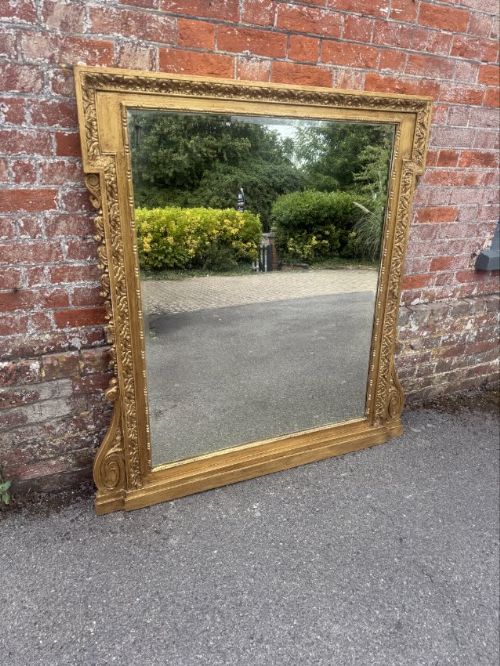
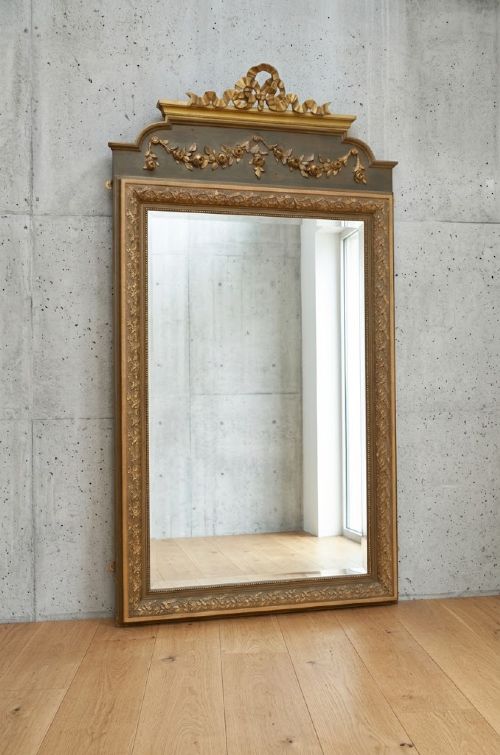
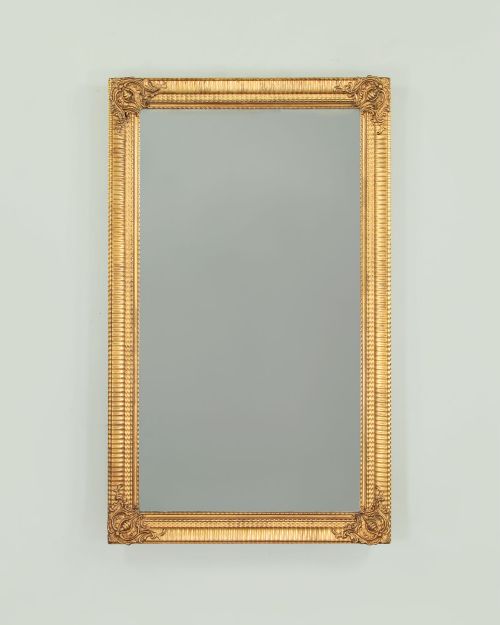
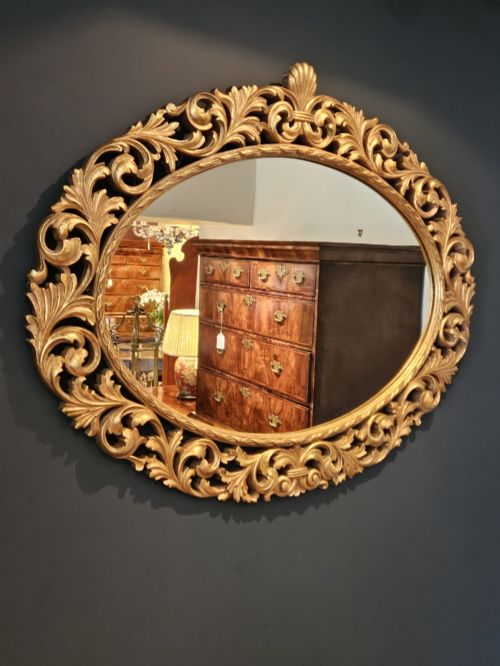
Ornate Gilt Framed Mirror
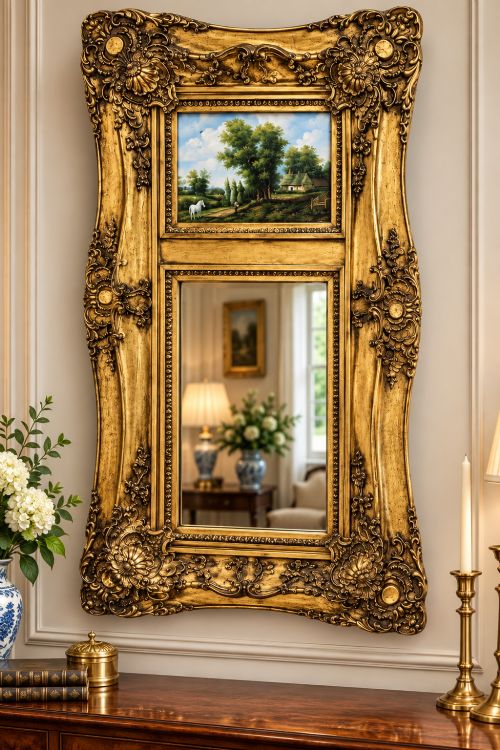
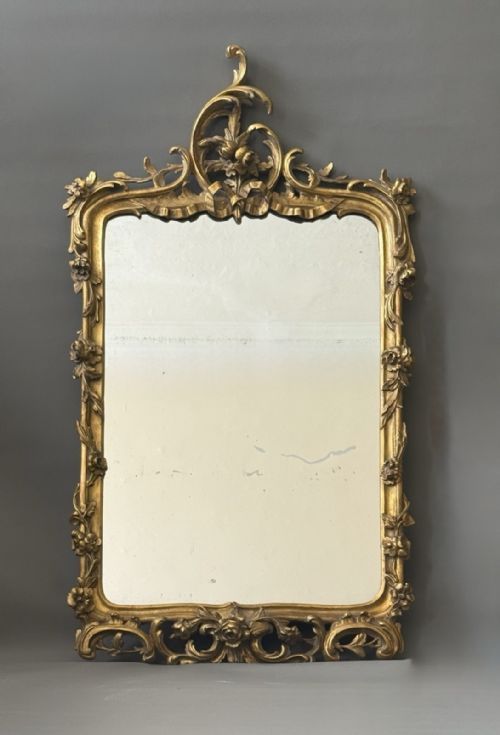
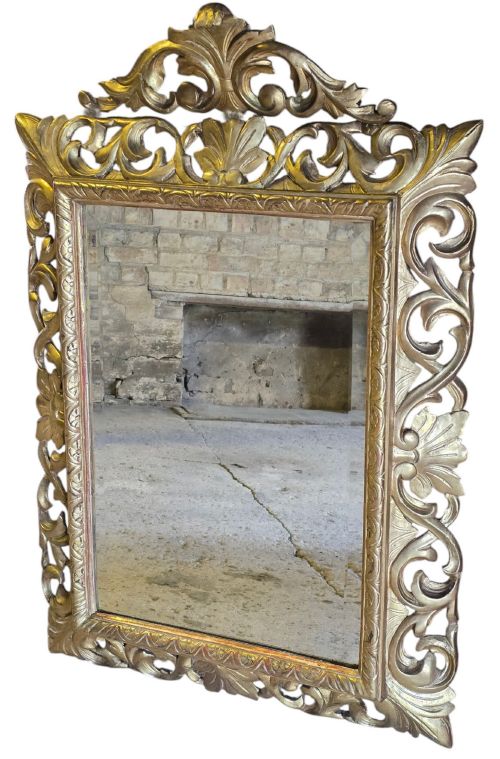
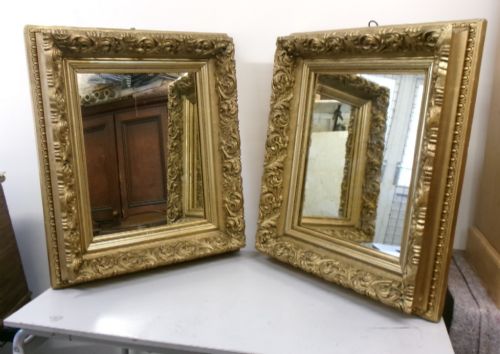
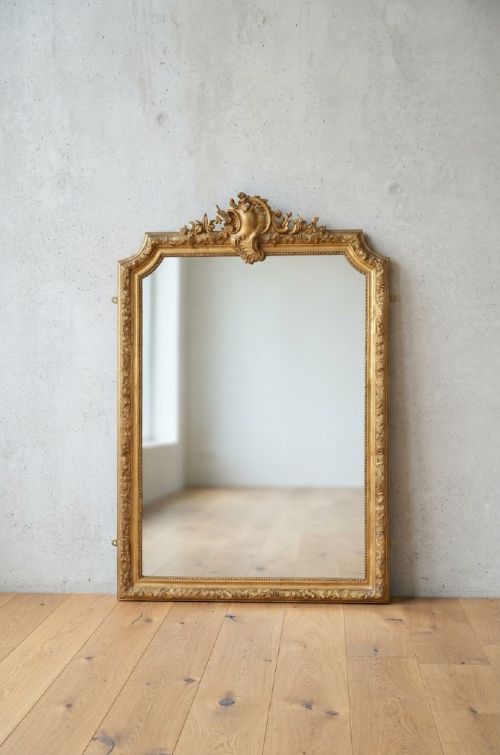
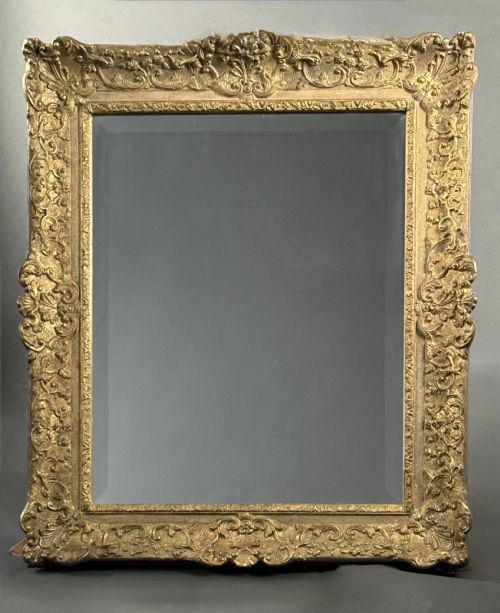
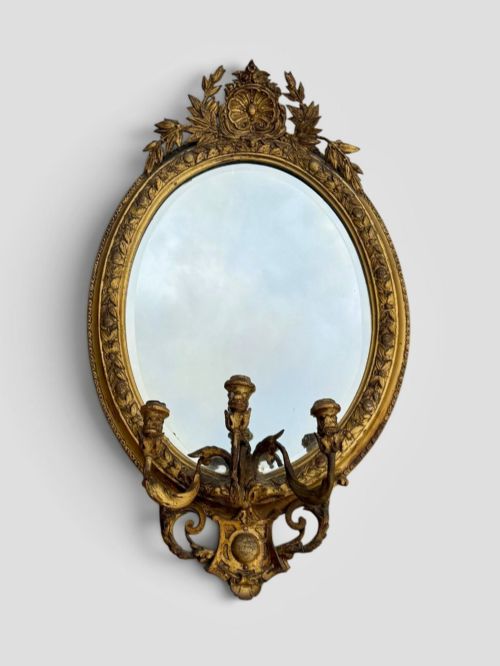
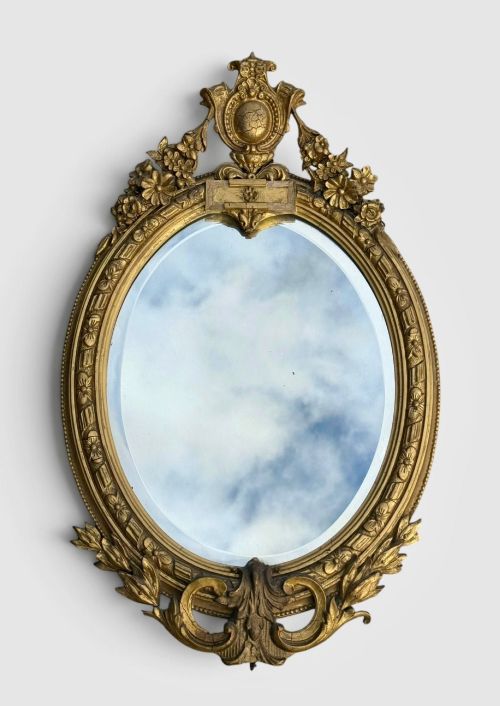
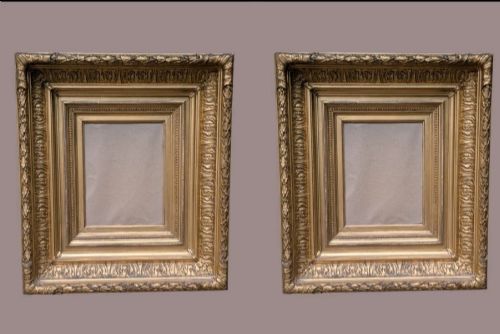
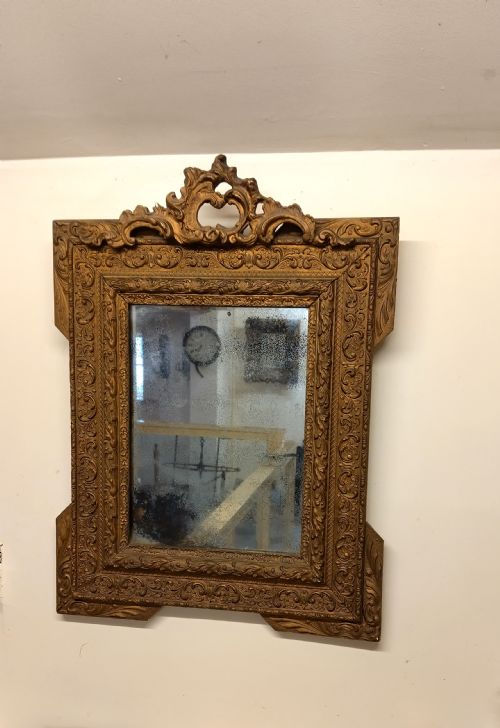
An ornate gilt framed mirror brings reflected light and deep carved decoration into a room, drawing the eye with gilded surfaces.
Ornate Gilt Framed Mirror
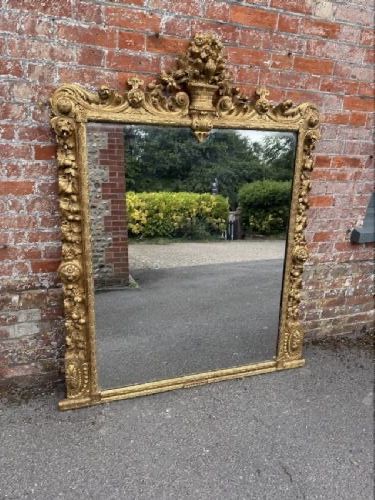
When searching for an ornate gilt framed mirror, buyers encounter a variety of forms including grand overmantels, tall pier glasses, and smaller wall-hanging pieces.
The nineteenth century dominates the selection, bringing Victorian English designs alongside French Rococo Revival and Italian Florentine models.
Overmantel mirrors made for placement above fireplace mantels appear frequently, often featuring substantial wooden frames shaped with arched tops.
Materials and Construction
Makers built the foundational structures from carved wood or timber, applying layers of gesso to build up intricate decorative motifs before gilding.
Surface decoration relies upon gold leaf or applied gilt finish, while glass plates range from modern bevelled options to antique mercury plates and foxed glass.
Listings span from the 18th century through to the Edwardian period, uniting English, French, and Italian design traditions.
Assessing the Pieces
Depth and crispness of the carved details separate standard frames from superior examples, with hand-carved wooden elements showing sharper relief than moulded composition.
The condition and character of the glass plate influence value, where original mercury backing or natural foxing adds historical depth.
The Ornate Gilt Framed Mirror Glossary
- Gesso
- A plaster-like mixture applied to wood frames as a base for carving and gilding. It allows for sharp relief work and delicate ornamentation.
- Giltwood
- Timber that has been coated in gold leaf or a gilt finish. This technique protects the underlying wood while providing a brilliant reflective surface.
- Overmantel Mirror
- A large mirror specifically designed to hang above a fireplace mantel. These pieces often span significant widths to anchor the room's proportions.
- Pier Glass
- A tall mirror designed to hang on the wall space between two windows. They frequently match narrow console tables.
- Foxed Glass
- Mirror glass that displays dark spots and discoloration caused by the degradation of the backing over time. Collectors value this trait for authenticity.
Ornate Gilt Framed Mirror: Frequently Asked Questions
How do I hang a heavy overmantel mirror?
Due to substantial timber and gesso construction, these large mirrors require secure wall anchors fixed directly into structural studs or masonry.
Professional mirror hangers often utilise specialised wall brackets to distribute the weight safely across the frame.
Where should I place a gilt mirror?
These pieces function effectively above fireplaces, on prominent drawing-room walls, or opposite windows to maximise natural light.
Positioning the glass carefully alters the sense of space and brightness within an interior.
What is the difference between Victorian and French styles?
Victorian English frames tend to be robust and heavy, frequently incorporating deep carved timber and gesso decorations like rose vines.
French Rococo and Louis styles lean towards asymmetrical curves, ribbon crests, and elaborate gilt bronze mounts.
How do I clean an antique gilt frame?
Dust the intricate carved surfaces gently with a soft dry brush to prevent damage to the delicate gold leaf layer.
Avoid liquid cleaners and harsh chemicals entirely, as moisture strips historical gilt finishes.