


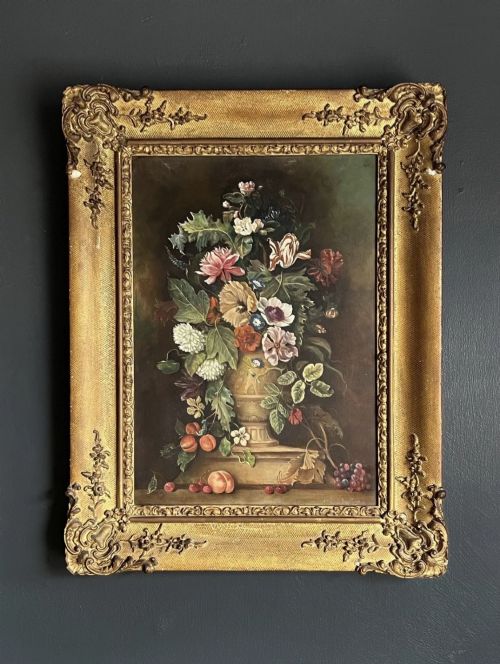
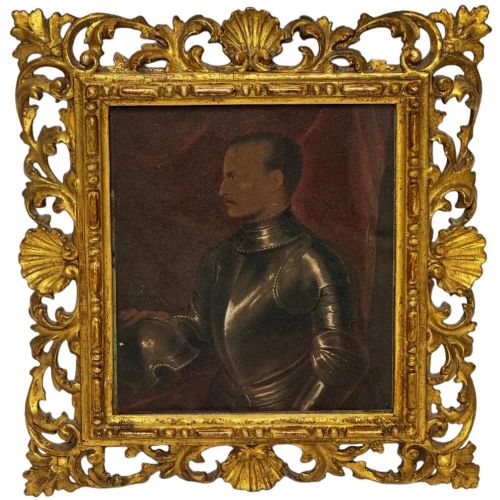
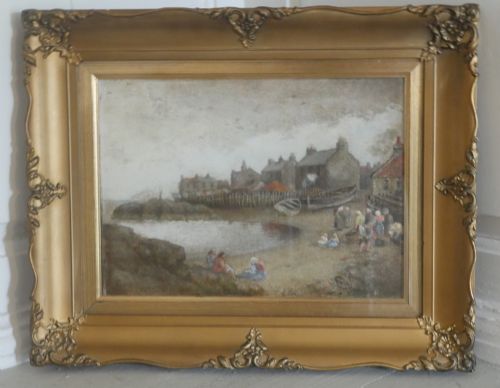
Ornate Gilded Picture Frame
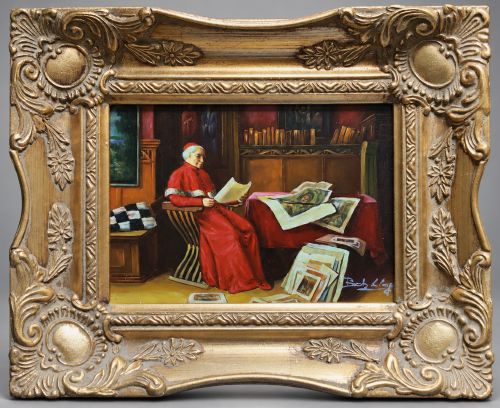
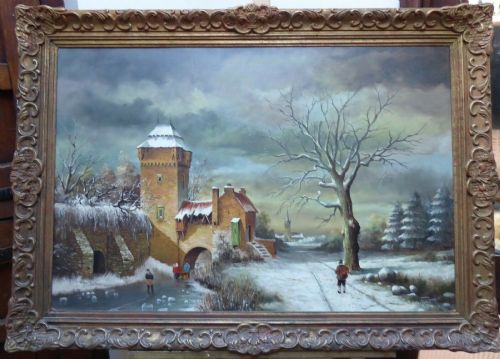
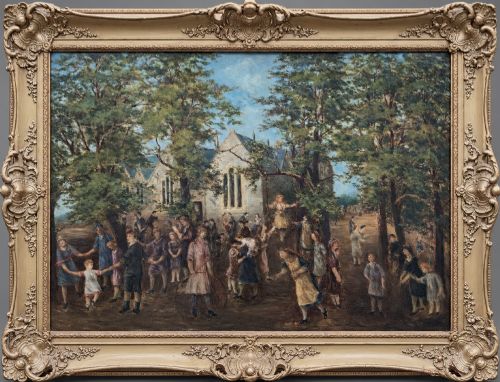
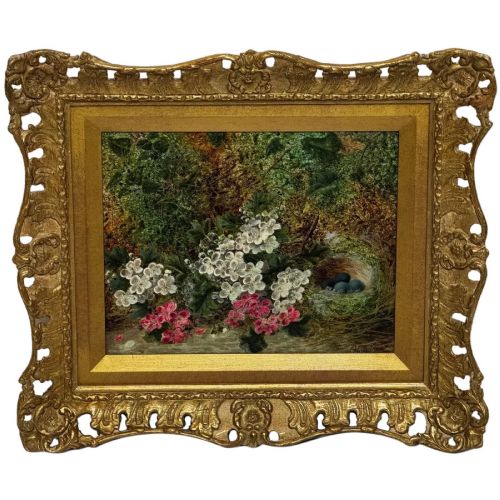
An ornate gilded picture frame brings light, weight and a distinct period presence to any wall.
Ornate Gilded Picture Frame
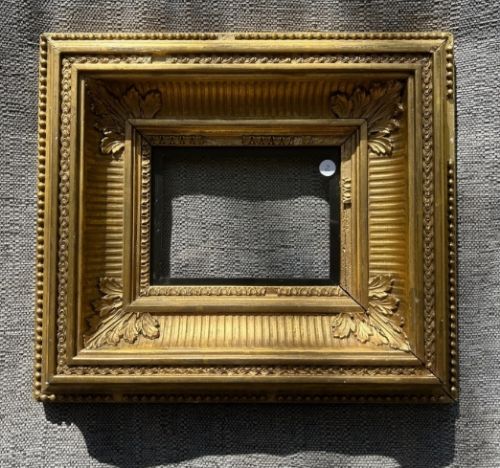
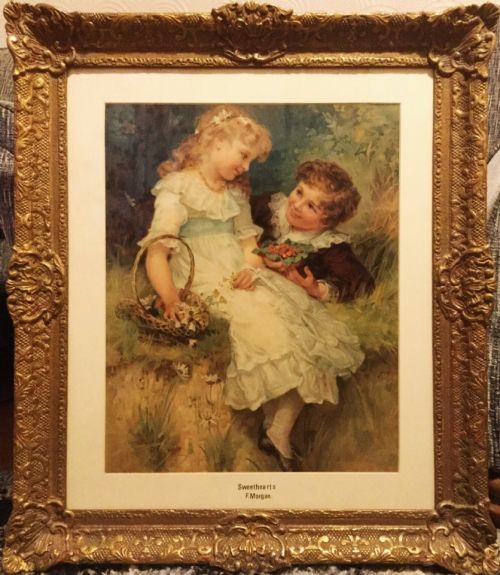
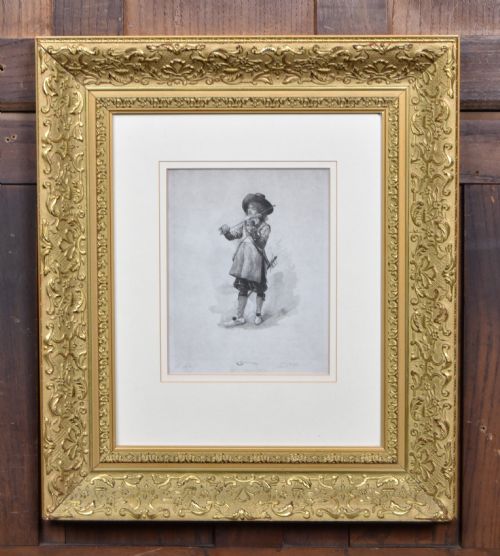
An ornate gilded picture frame is designed to hold oil paintings, watercolours, portraits and mirrors while providing a decorative border that enhances the artwork within. Buyers search for this phrase to find surrounds that carry historical character, often dating from the nineteenth century or later.
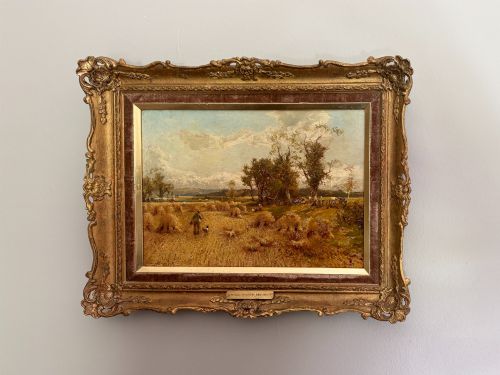
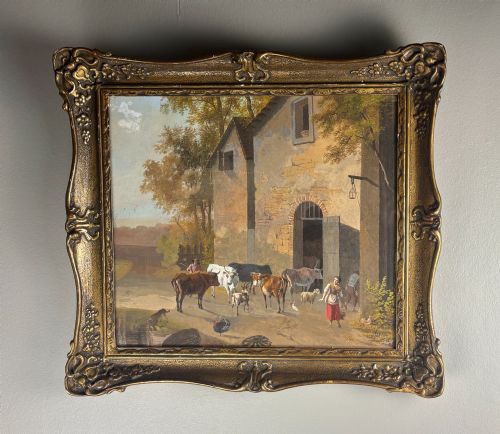
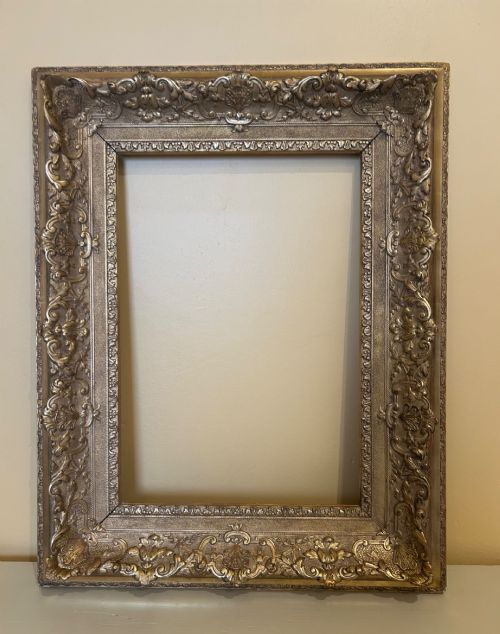
The most common versions met on this page include Victorian and Edwardian examples, alongside Italian Florentine and Rococo Revival styles. These pieces range from deep moulded wooden profiles to delicate swept designs housing original canvases, prints or mirrors.
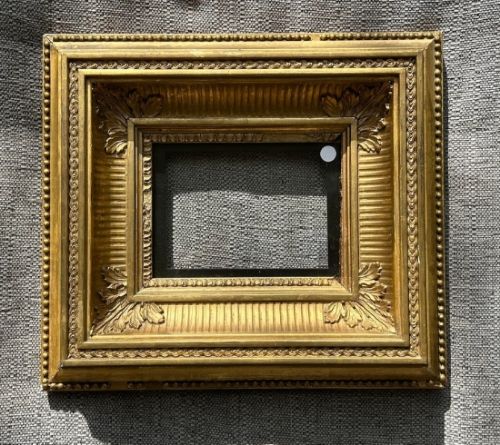
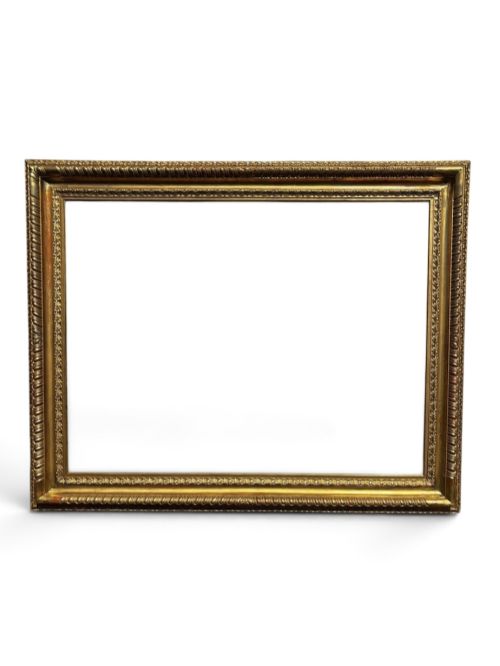
Many items survive paired with period oil paintings, still lifes and pastoral scenes, while others remain as empty frames ready to house new artwork. Their forms span from small domestic sizes to large gallery pieces.
How they were made
Makers constructed the primary structure from timber such as pine or hardwood, forming deep mitred corners to support the weight of the work. Gesso, a mixture of plaster and glue, was then applied to the wooden base to build up relief ornamentation.
Gold leaf or gilt was laid over the prepared gesso surface, often burnished to create contrasting matte and bright finishes. Moulded composition details in the Rococo or Renaissance Revival taste were frequently added to enrich the borders.
Ornate Gilded Picture Frame Retail Price Guide 2026
Typical asking prices for ornate gilded picture frame among the pieces listed under this phrase on Sellingantiques today, from the lower quarter to the upper quarter. They describe what is for sale here now, not the wider market.
Listings feature pieces spanning the nineteenth and twentieth centuries, predominantly utilising wood, gesso, and gold leaf in Victorian and Rococo Revival styles.
What varies in quality
The crispness of the moulded ornament and the depth of the rebate separate standard production from superior craftsmanship. Finer examples display hand-chiselled details in the gesso rather than flat, repetitive pressed plaster.
The preservation of the original gilding and the integrity of the wooden mitres determine the overall stability and visual impact of the piece. Deep, heavy frames with intact corner scrolls command greater presence than shallow, plain mouldings.
The Ornate Gilded Picture Frame Glossary
- Gesso
- A traditional plaster and glue mixture applied to wood frames to create a smooth surface for gilding. It is built up in layers and carved or moulded into decorative motifs.
- Giltwood
- Timber that has been gilded with gold leaf. This material forms the core structure of high-status nineteenth-century frames.
- Swept frame
- A frame style featuring dynamic, curving scrollwork that swells towards the corners. This design is particularly associated with Rococo Revival tastes.
- Rebate
- The recessed internal ledge inside the back of the frame that holds the canvas, glass or mirror plate in place. Its depth determines how much clearance the artwork requires.
- Oleograph
- A mechanical colour print produced on textured canvas to simulate an oil painting. These prints frequently appear housed in period gilt frames from the late nineteenth and early twentieth centuries.
Ornate Gilded Picture Frame: Frequently Asked Questions
How do I measure for a frame?
Measure the exact height and width of your artwork, canvas or mirror plate in inches or centimetres. This ensures the piece fits comfortably into the internal rebate without overlapping the visible image area.
Allow for any backing boards or glass you intend to insert behind the artwork. It is also wise to check the depth of the rebate to accommodate stretched canvases.
Can I hang a heavy frame safely?
Heavy frames require robust fixings screwed directly into solid wall studs or secured with appropriate wall anchors. Picture wire alone is rarely sufficient for deep nineteenth-century giltwood pieces.
Using two separate hanging points distributes the weight evenly and prevents the frame from tilting. Period frames often benefit from professional mirror plates screwed into the wooden sides.
How do I clean a gilded frame?
Dust the surface gently using a very soft, dry brush or a clean feather duster. Avoid applying moisture, modern cleaning sprays or abrasive cloths, as these can strip the fragile gold leaf.
Professional conservation advice should be sought if the gesso is flaking or unstable. Gentle handling preserves the original patina and prevents further loss of the gilt surface.
What styles are available?
The selection includes Victorian, Edwardian, and continental designs such as Italian Florentine and Rococo Revival. These styles range from heavily carved scrollwork to simpler linear gilded mouldings.
Many pieces reflect the artistic tastes of the nineteenth century, often housing contemporary oil paintings, watercolours, or later vintage prints.