

Ornate Gilded Frame
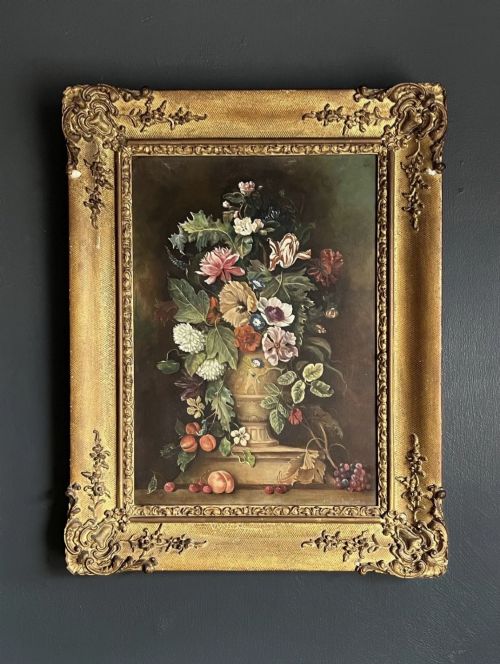
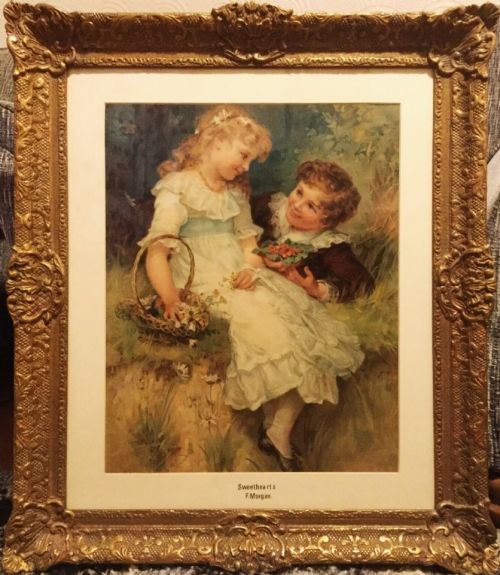
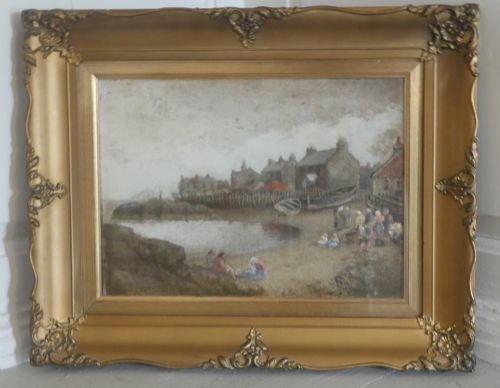
An ornate gilded frame catches the eye instantly, bringing warmth and reflective brilliance to a room through centuries-old craftsmanship.
What an ornate gilded frame is
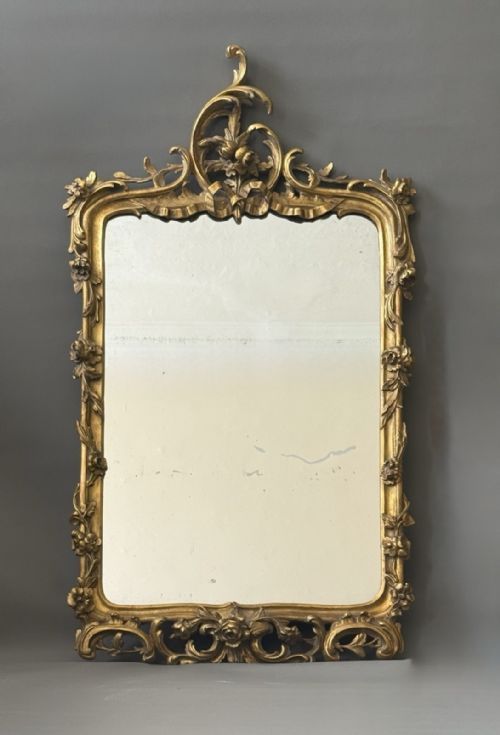
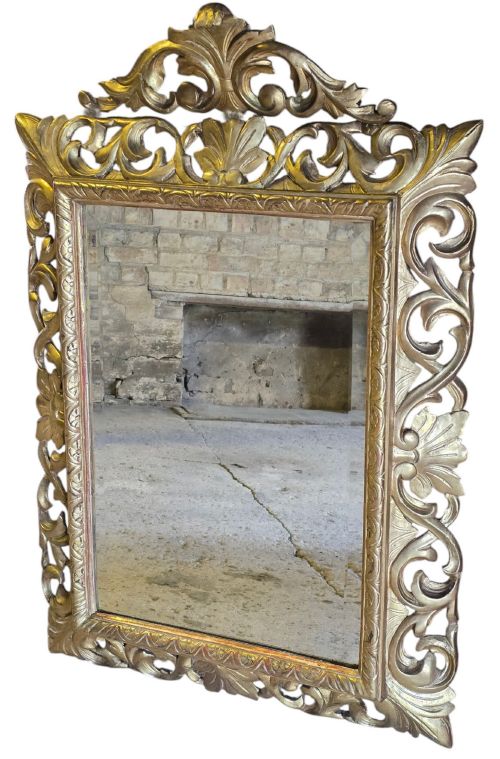
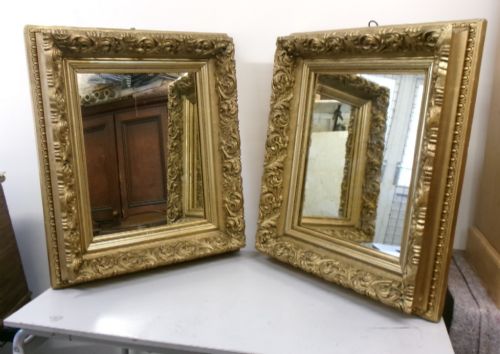
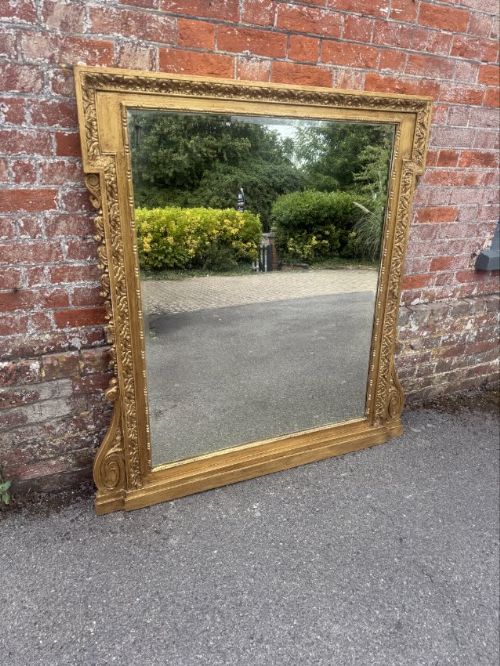
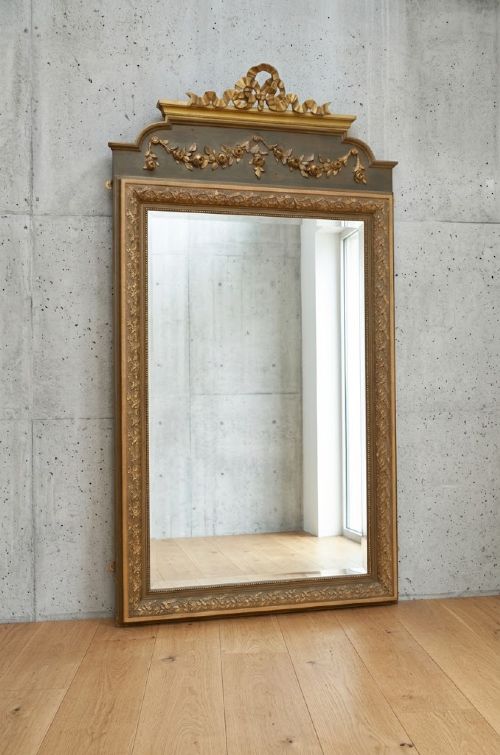
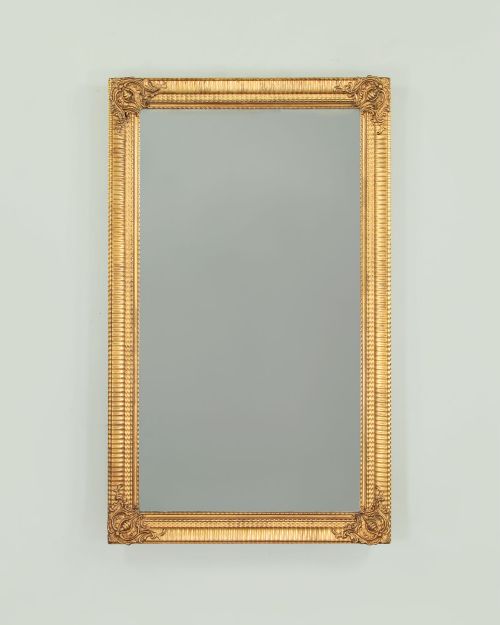
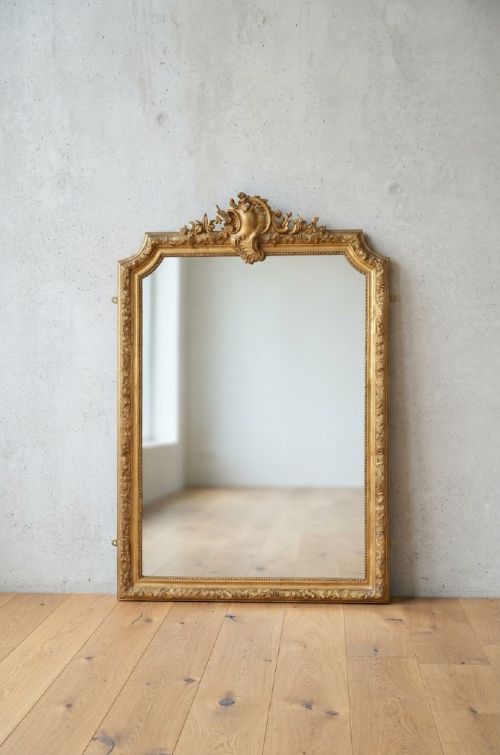
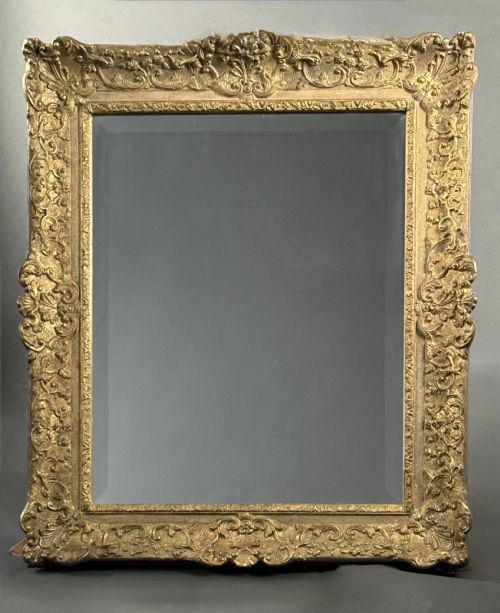
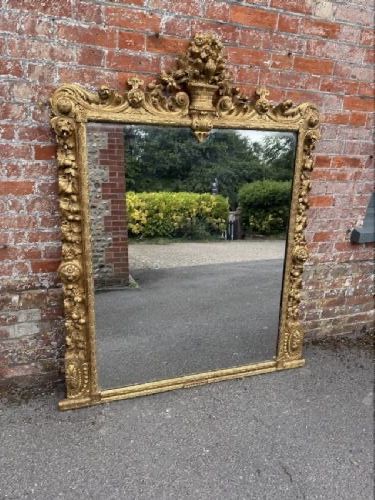
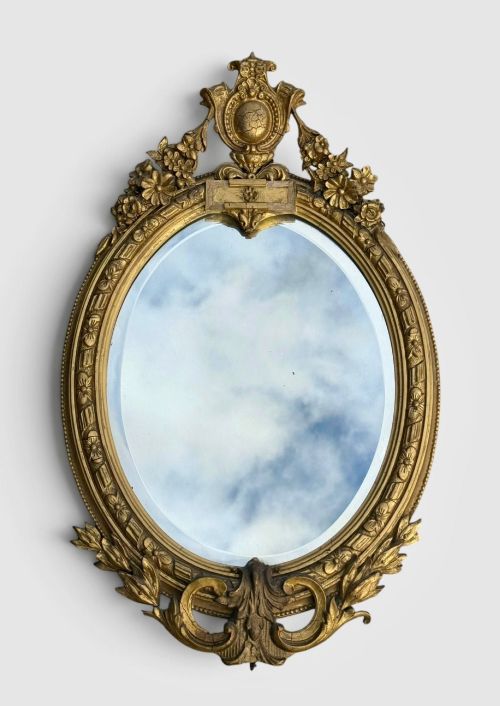
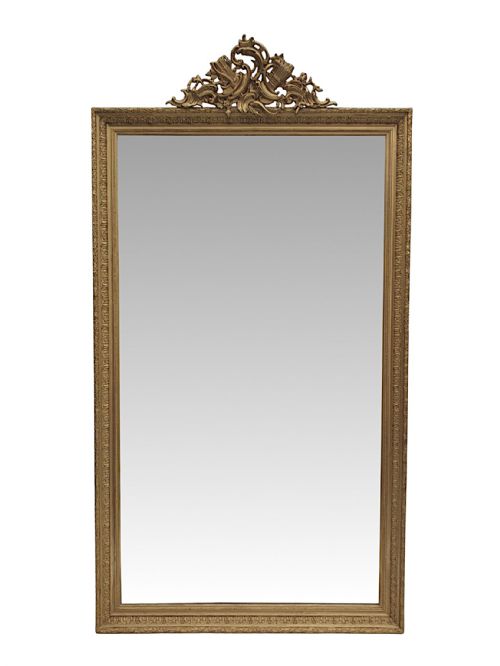
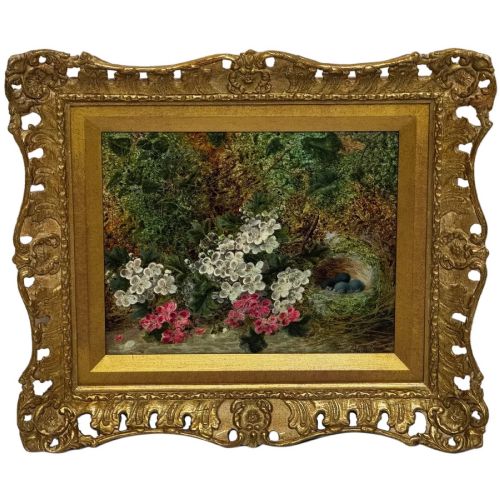
An ornate gilded frame surrounds a picture, painting, or mirror, serving as a decorative boundary that enhances the artwork within. When searching for an ornate gilded frame, buyers encounter wall mirrors, picture frames, and wall mirrors shaped by distinct historical periods.
The selections span the Georgian era, the Victorian period, and the nineteenth century, alongside specific dates such as 1860, 1790, and the 1930s. Styles range from Rococo Revival and French Rococo Revival to Italian Renaissance and Italian Rococo.
Most pieces on this page appear from the nineteenth century and the Georgian period, often taking the form of large wall mirrors or picture frames. These decorative objects integrate carved wood, gesso, and giltwood to create elaborate visual displays.
How they were made
Maker's workshops built the foundational structure using solid timber, frequently shaping carved wood to form complex ornamental contours. Artisans applied layers of gesso over the wood substrate to build up relief details, scrolls, and motifs.
Guilders then applied thin sheets of gold leaf or giltwood over the prepared surfaces, polishing and burnishing the metal to achieve a luminous finish. Some items incorporate gilt brass or glass to complete the constructed object.
Retail Price Guide 2026
Typical UK retail prices for ornate gilded frame, calculated from the Sellingantiques database of over a million retail prices indexed since 2003. This retail price guide relies exclusively on Sellingantiques data; no external sources or auction records are used, so the figures do not describe the wider market.
Materials documented across the inventory include glass, gesso, giltwood, wood, gold leaf, and gilt brass.
What varies in quality
The depth and clarity of the carved decoration dictate the upper tier of quality, distinguishing deeply undercut foliage and figures from shallow moulding. Hand-carved wooden details exhibit crisper edges and more naturalistic flow than cast or moulded gesso substitutes.
The integrity of the original gilt surface also marks the distinction between standard examples and superior survivals. An even distribution of gold leaf with authentic wear shows masterly historical application.
The Ornate Gilded Frame Glossary
- Giltwood
- Wood that has been coated with gold leaf or gold paint. This material forms the primary structure of many decorative mirrors and picture frames.
- Gesso
- A plaster-like mixture applied to wood surfaces as a base for gilding and carving. It allows artisans to model intricate relief ornamentation before applying gold leaf.
- Rococo Revival
- A nineteenth-century design style characterised by asymmetrical scrolls, shell motifs, and naturalistic curves. This aesthetic heavily influences many nineteenth-century frames and mirrors.
Frequently Asked Questions
What is an ornate gilded frame?
An ornate gilded frame is a decorative wooden border coated in gold leaf or giltwood, designed to house paintings, pictures, or mirrors. These objects range from compact picture surrounds to large wall mirrors.
They utilise intricate carving and gesso work to create elaborate sculptural profiles that draw the eye.
How do I date an ornate gilded frame?
Dating involves examining the underlying materials, construction methods, and stylistic cues present in the woodwork and gesso. Georgian and eighteenth-century pieces often show different joinery and carving depth compared to Victorian or 1930s revivals.
Style categories such as Italian Renaissance or Rococo Revival also provide key indicators of the period of origin.
What styles are common?
Rococo Revival and French Rococo Revival dominate many selections, featuring curved lines, floral elements, and ornamental motifs. Italian Renaissance and general Rococo styles also appear frequently among the listings.
These aesthetics emphasise theatrical ornamentation and rich surface decoration.