


Ornate Carved Accent Chair
An ornate carved accent chair brings dense nineteenth-century relief work and diverse global styles straight into a modern interior.
Ornate Carved Accent Chair
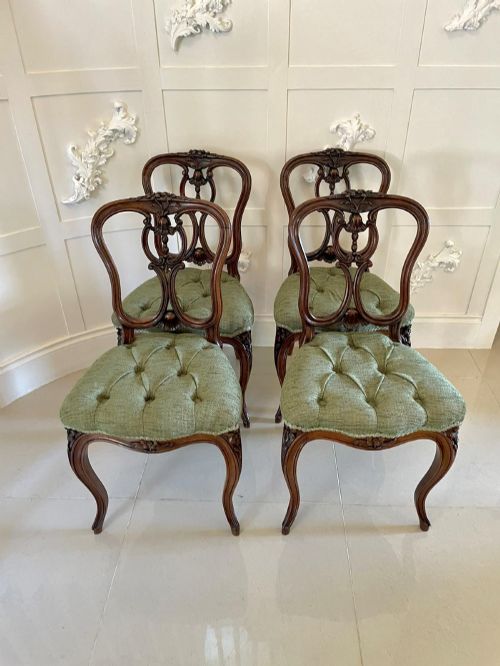
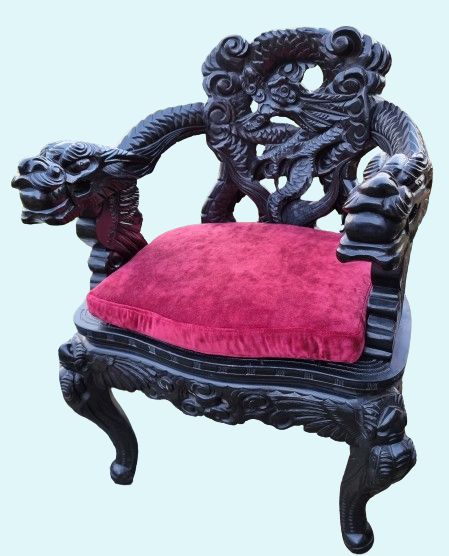
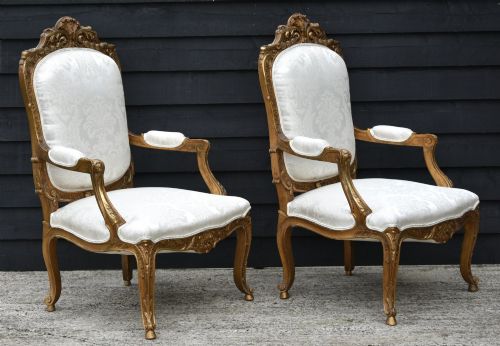
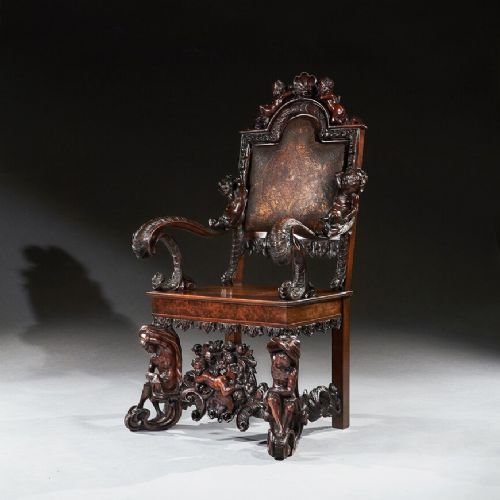
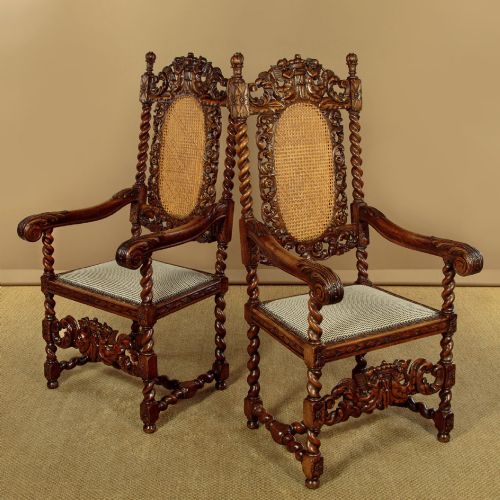
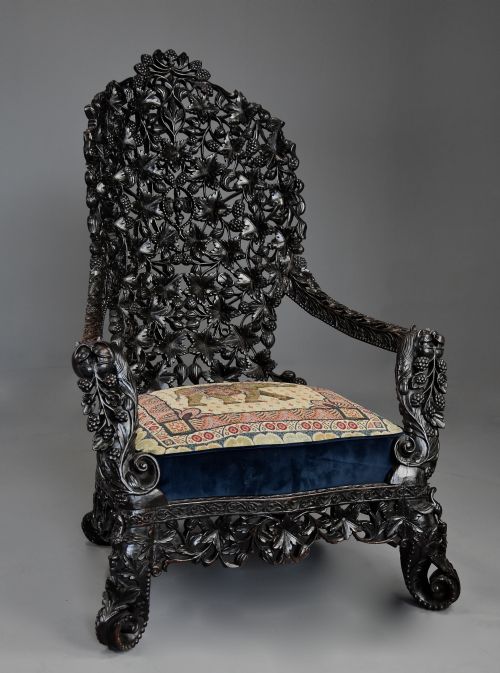
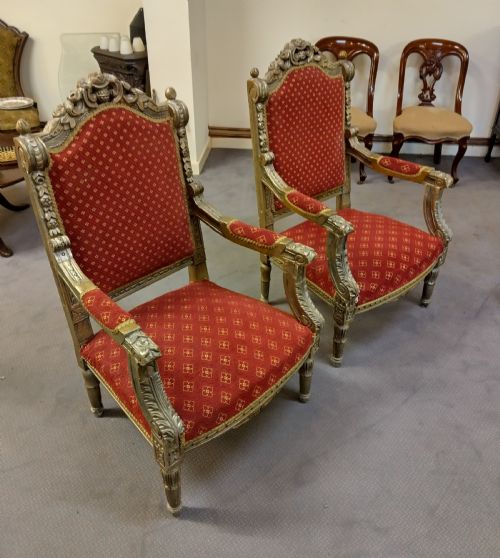
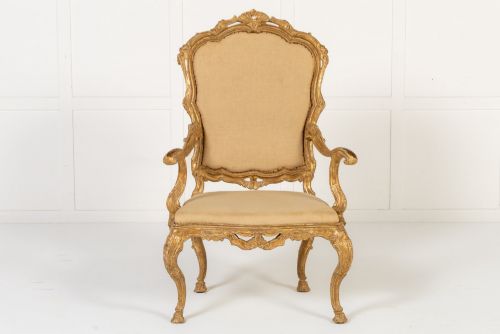
When you search for an ornate carved accent chair, you encounter a varied selection of nineteenth-century seating designed primarily for display rather than casual lounging. The forms span armchairs, side chairs, hall chairs, occasional chairs, salon chairs, and throne chairs.
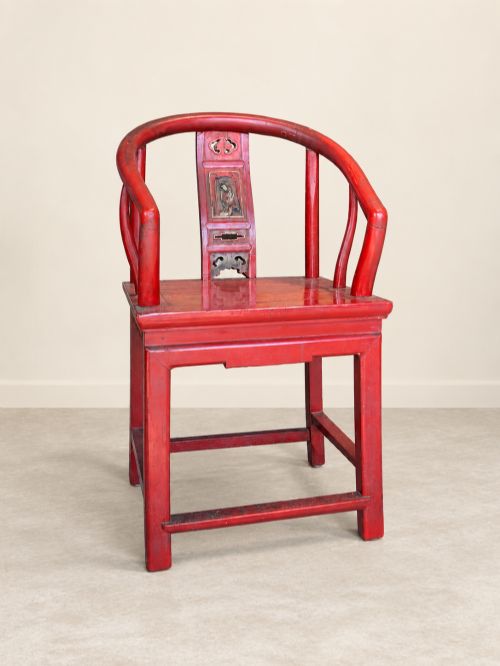
The majority of pieces hail from the Victorian era and the broader nineteenth century, alongside later twentieth-century interpretations. You will find continental European revivals sitting alongside Anglo-Indian, Chinese, Burmese, and Moroccan works.
Regional stylistic influences dictate the silhouette, ranging from French gilt armchairs and Italian walnut high-backed designs to Swiss marquetry inlaid models and Black Forest carved chairs featuring animal motifs.
Materials and construction methods
Makers utilised dense timbers suited for intricate chiselling, predominantly walnut, oak, mahogany, hardwood, and blackwood, often finished with giltwood or painted surfaces. These solid frames provide the structural integrity required to support deep, highly detailed relief carvings across the backs and legs.
Upholstery materials recorded in the evidence include velvet, silk, and general textile coverings that complement the wooden framework. Metal elements such as brass appear alongside bone inlays, adding textural contrast to the carved wooden surfaces.
Assessing craftsmanship and execution
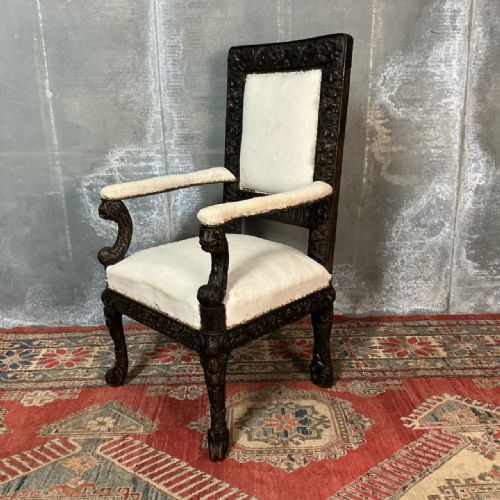
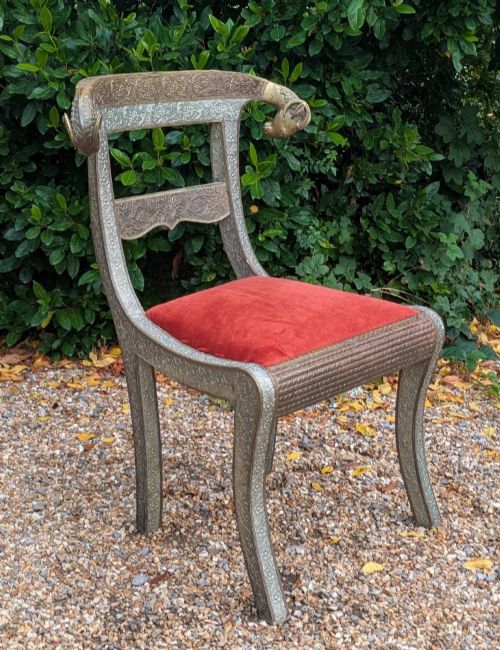
The distinction between ordinary and exceptional seating lies in the depth and crispness of the hand-carved detail. Superior pieces exhibit high relief work with sharply defined motifs, such as animal figures, rams heads, or elaborate foliage, rather than shallow or mechanical pressing.
Material selection and finish also separate the tiers of production, as seen in exhibition quality walnut or fire-gilt surfaces compared to simpler painted or standard hardwood finishes. The integration of specialised techniques, such as marquetry inlay, bone work, or silk upholstery, elevates a piece within its period.
Andrea Brustolon
The Ornate Carved Accent Chair Glossary
- Giltwood
- Timber treated with gold leaf or a similar gilding process. This finish creates a reflective, decorative surface frequently utilised on nineteenth-century salon and throne chairs.
- Marquetry
- The art of applying small pieces of veneer to a structure to form decorative patterns. Swiss walnut examples often employ this technique on flat wooden surfaces.
- Sgabello
- An Italian Renaissance chair type featuring a wooden seat supported by two carved board legs. These typically function as decorative hall or side seating.
- Padouk
- A heavy tropical hardwood valued for its dense grain and durability. Burmese makers utilised this material for intricately carved regional chairs.
- Revival
- A stylistic movement that imitates the aesthetic of a previous historical era. Common examples include Renaissance, Baroque, and Rococo revivals found across nineteenth-century seating.
Ornate Carved Accent Chair: Frequently Asked Questions
Where were these chairs placed originally?
Victorian and continental households positioned them in reception rooms, halls, and salons where guests would admire the craftsmanship. They served as status symbols rather than everyday seating.
Smaller side and boudoir chairs accented bedrooms, while massive hall chairs stood in grand entryways.
How do I style one today?
Place an ornate carved accent chair in a hallway, bedroom, or living space where its sculptural form can stand out against neutral walls. Let the carved wood and upholstery texture define the surrounding decor.
Ensure the chair has physical clearance so the projecting woodwork remains protected from daily foot traffic.
How do I date a carved chair?
Examine the timber species, joinery methods, and the specific revival style employed by the maker. Nineteenth-century pieces frequently combine historical motifs with period-specific hardwoods like walnut or oak.
Compare the carving depth and upholstery materials against known examples from Victorian or continental workshops.