
Ormolu Side Lamps
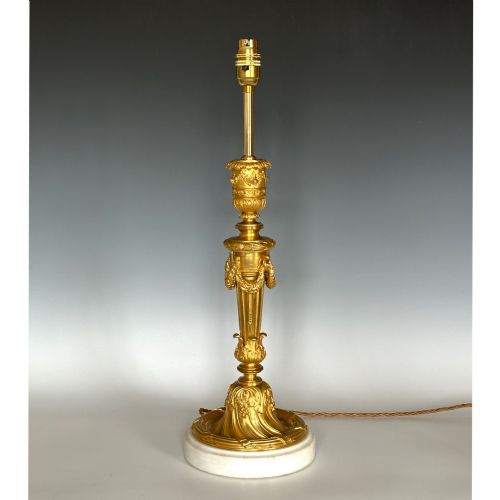
Ormolu side lamps combine gilded bronze mounts with functional lighting, bringing distinct French revival elegance to a room.
Ormolu Side Lamps
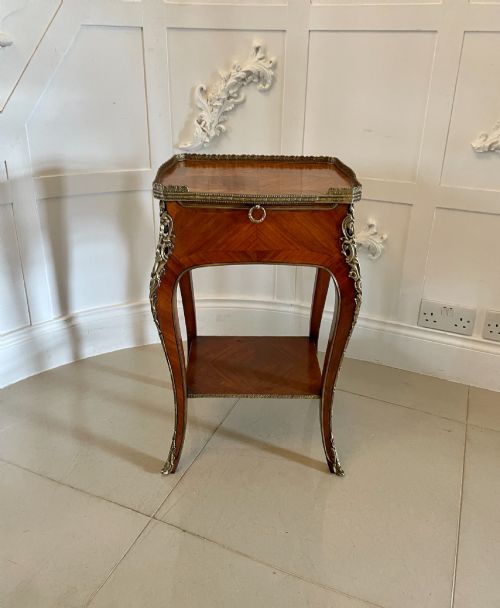
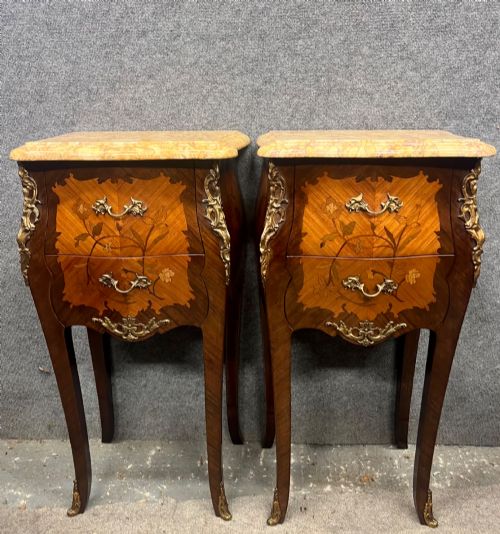
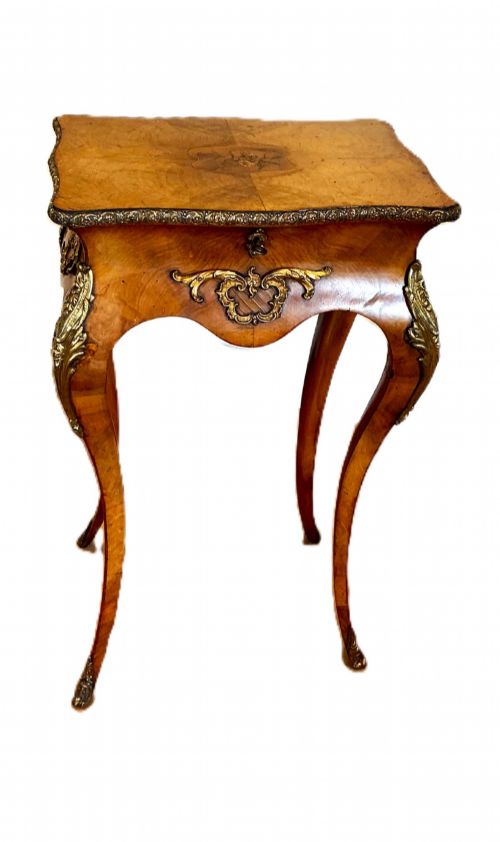
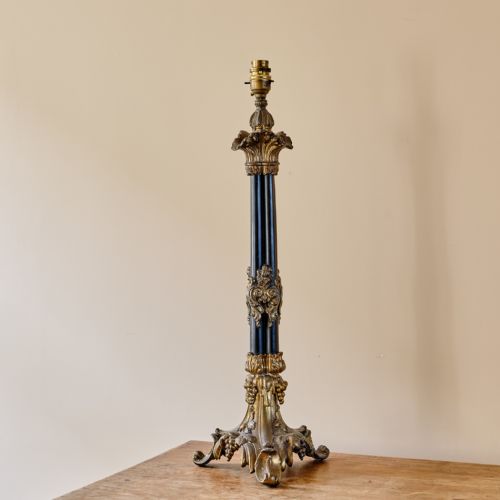
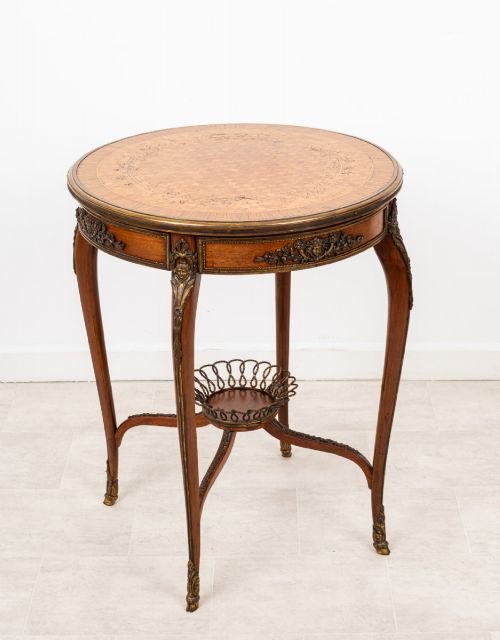
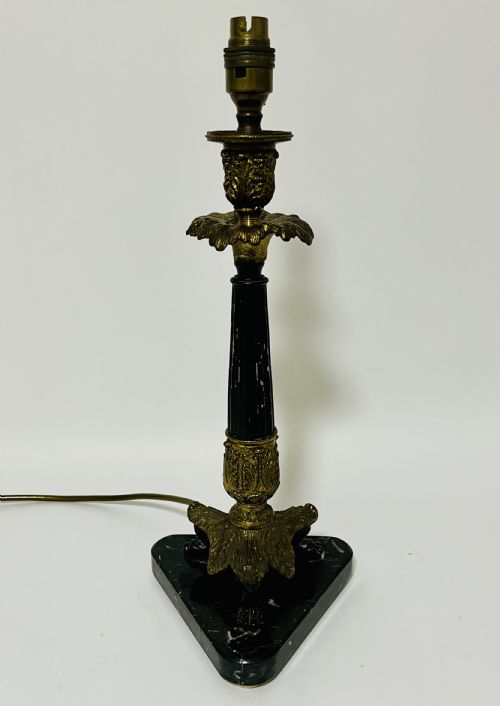
When buyers search for ormolu side lamps, they are looking at decorative lighting and supportive furniture originating from the nineteenth and early twentieth centuries. The listings show these pieces frequently appearing in French styles such as Louis XV, Louis XVI, and Rococo Revival, alongside Victorian interpretations.
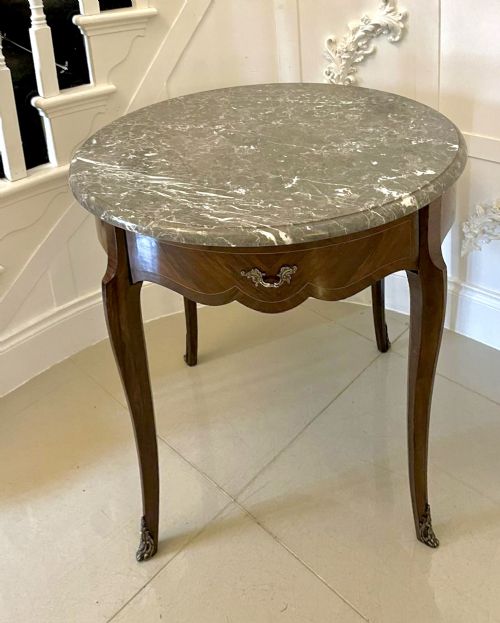
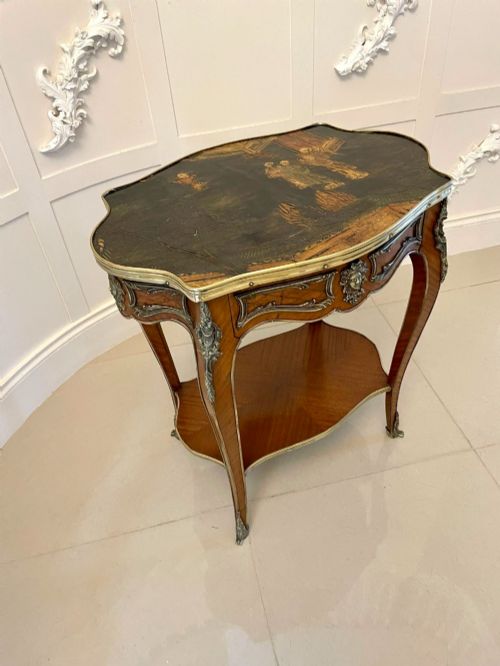
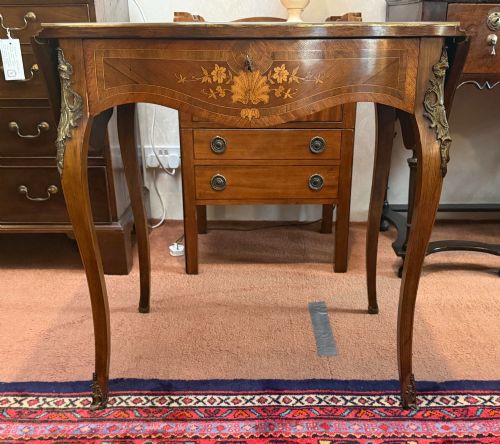
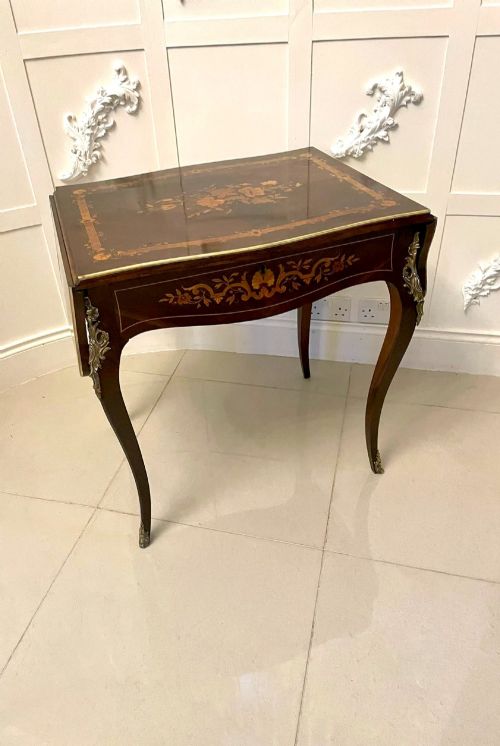
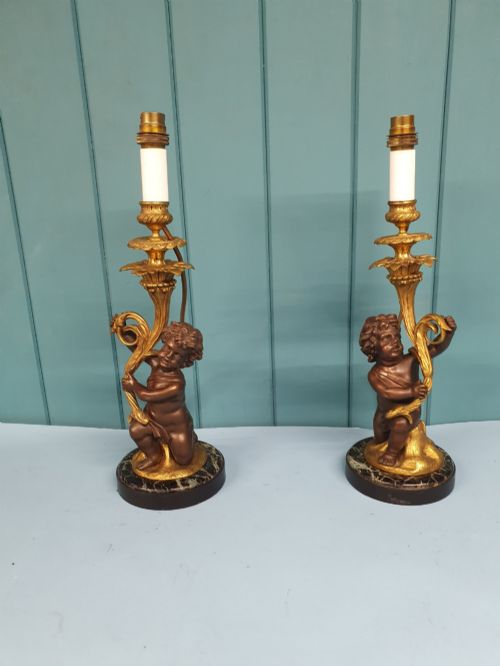
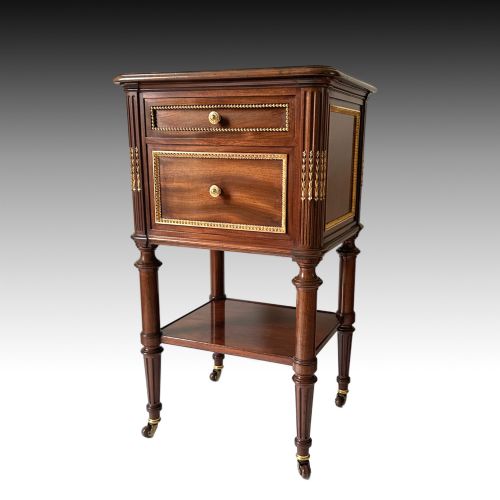
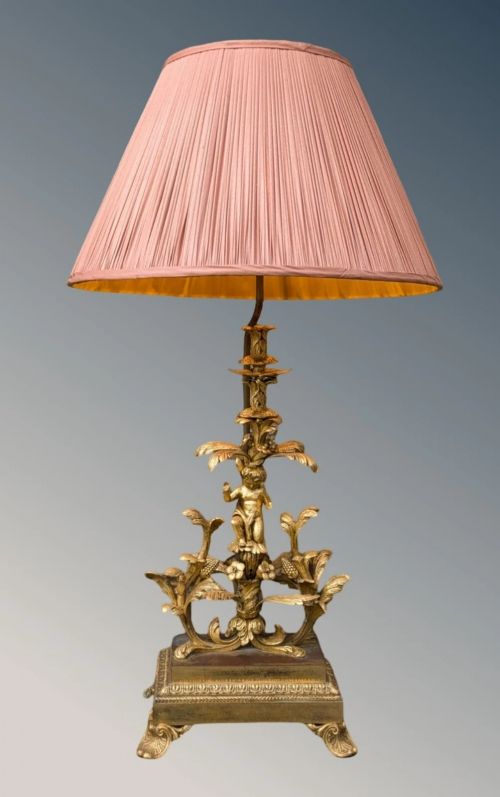
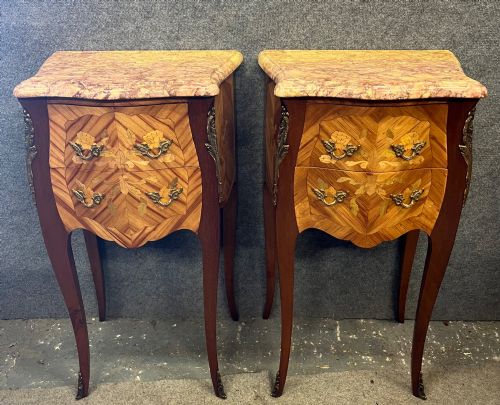
Most items combine table lamps or lamp bases with related low furniture like occasional tables, bedside chests, and centre tables featuring gilt metal mounts. Buyers often encounter pairs designed to sit symmetrically in a room, combining rich timber bodies with cast bronze decorative elements.
Materials and construction methods
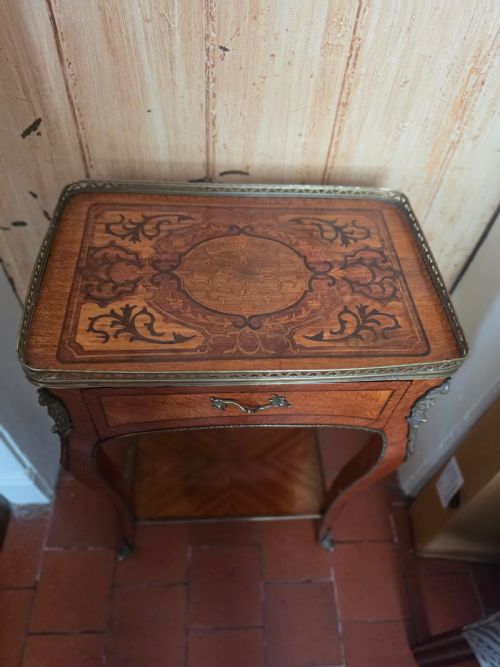
These pieces are constructed from dense hardwoods including kingwood, rosewood, walnut, and mahogany, often enhanced with intricate marquetry or parquetry inlays. Selected examples incorporate white marble tops or brass accents to complement the timber structure.
The characteristic ormolu or gilt bronze elements are produced through metal casting and subsequent gilding, then applied as mounts, handles, and lamp columns. Cabinetmakers and metalworkers built these items using traditional joinery combined with mechanical fixing for the metalwork.
Bronze cherubs occasionally hold up the light.
Distinctions in craftsmanship
Quality separates through the crispness of the bronze casting and the depth of the hand-chased detail on the ormolu mounts. Finer examples show sharp relief and careful finishing rather than soft or uniform surface textures.
The choice of cabinet timbers and the precision of the marquetry inlay also divide the standard range from exceptional pieces. Superior items demonstrate seamless integration between the timber carcase and the applied metal mounts.
François Linke
The Ormolu Side Lamps Glossary
- Ormolu
- Gilded bronze, where a gold-mercury amalgam is applied to cast bronze to create a rich golden finish. It provides durable decoration on nineteenth-century furniture and lighting.
- Marquetry
- Decorative patterns created by fitting different wood veneers onto a structural surface. This technique produces detailed floral or geometric motifs on table tops and cabinet fronts.
- Gueridon
- A small French table, often round, supported by a central column or several legs. These tables frequently serve as lamp stands in period interiors.
- Kingwood
- A dense, richly grained tropical timber used extensively in high-end French cabinetmaking. Its contrasting dark and light stripes suit inlaid furniture designs.
Ormolu Side Lamps: Frequently Asked Questions
What are ormolu side lamps?
These items are period lighting fixtures and small lamp tables adorned with gilded bronze mounts. They originated mainly in nineteenth-century France and Britain during revivalist design periods.
They function both as practical light sources and decorative furnishings for side spaces, halls, and bedrooms.
How do I style ormolu side lamps?
Pair matching lamps on bedside chests or place a single lamp on an occasional table next to a seating area. Their reflective bronze surfaces work well against dark wood finishes and traditional interiors.
Keep surrounding decor classic to allow the intricate metalwork and timber grain to remain the focal point of the room.
How do I date these pieces?
Dating relies on identifying the revival style, such as Louis XV or Empire, combined with timber types like kingwood or rosewood. Nineteenth-century pieces often show hand-cut joinery and cast bronze characteristics distinct from later reproductions.
Look at the mounting techniques and wear patterns on the gilt surfaces to help determine the age.
Are pairs common for these lamps?
Many listings feature matching pairs designed for symmetrical placement on bedside cabinets or twin side tables. These paired sets are particularly sought after for balanced interior styling.
Single lamp bases also appear frequently, often matched with occasional tables or gueridons from the same era.