





Ormolu Putti Table Lamps
These ormolu putti table lamps combine cast metalwork and figural charm, offering an ornate lighting option for traditional interiors.
Ormolu Putti Table Lamps
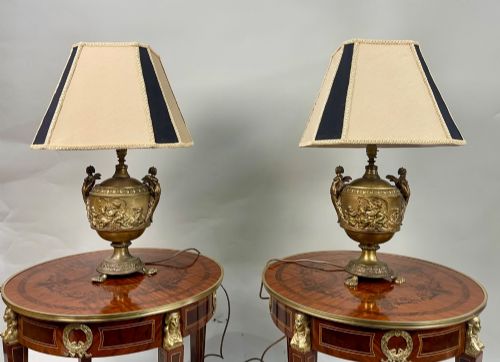
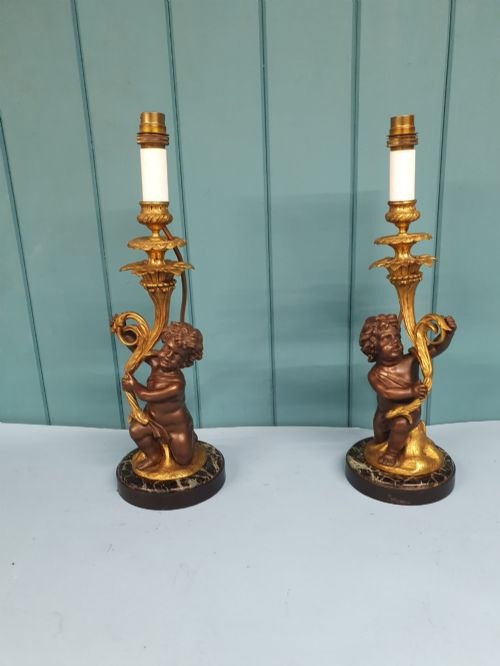
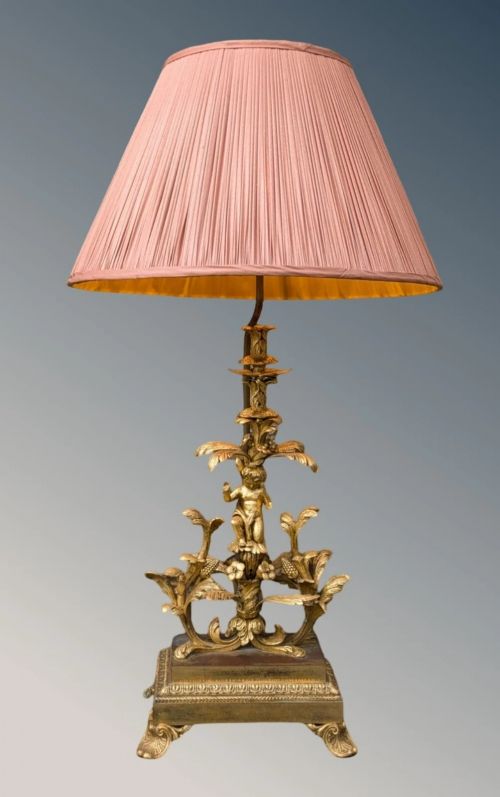
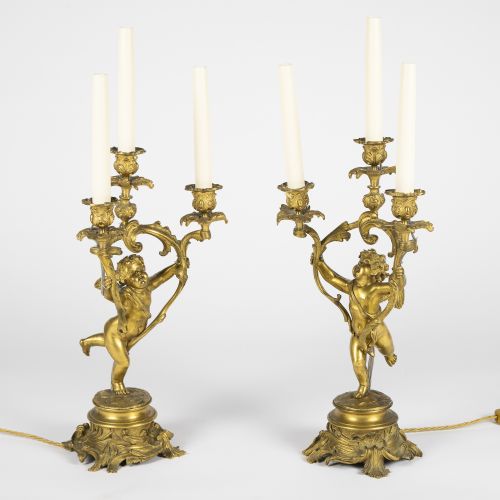
When you search for ormolu putti table lamps, you encounter decorative figural lighting primarily originating from nineteenth-century France. These pieces typically incorporate cherubs or putti cast in bronze or gilt metal, often mounted alongside marble, porcelain, or fabric elements.
The selections available here lean heavily into nineteenth-century production, spanning Victorian examples and specific decades such as the eighteen-seventies, eighties, and nineties, alongside occasional twentieth-century adaptations. Forms range from monumental figural lamp bases to pairs of cherub lamps and converted vases in Louis XVI or Rococo Revival styles.
Construction and materials
The manufacture of these pieces relies on bronze and brass casting to form the detailed figures of putti and cherubs. Artisans applied gilding to create the characteristic ormolu surface finish, frequently combining the gilt metal with patinated bronze elements.
Secondary materials visible in the construction include marble bases, painted metal such as tole peinte, and porcelain components like Sevres-style bodies. Fabric elements appear on completed lamps, though many period examples survive primarily as bases.
Ormolu Putti Table Lamps Retail Price Guide 2026
Typical asking prices for ormolu putti table lamps among the pieces listed under this phrase on Sellingantiques today, from the lower quarter to the upper quarter. They describe what is for sale here now, not the wider market.
Cherubs with surprisingly muscular calves hold up lights for eternity.
Assessing quality and execution
The harmony of mixed materials also influences overall merit, particularly how cleanly the ormolu integrates with marble plinths, patinated bronze, or porcelain bodies. The depth and durability of the original gilding remain key indicators of the maker's initial investment in the object.
The Ormolu Putti Table Lamps Glossary
- Ormolu
- A method of applying finely ground gold-mercury amalgam to a bronze object, creating a rich golden surface. It is frequently seen on French decorative objects from the nineteenth century.
- Putto
- A plump, often winged male child figure frequently depicted in classical art and revival styles. They appear regularly as the central figural element in these lamp bases.
- Patinated bronze
- Bronze that has been treated chemically to produce a specific surface colour, often dark brown or black. This finish contrasts with the bright, gilded areas of the casting.
- Louis XVI style
- An eighteenth-century aesthetic revived during the nineteenth century characterised by classical symmetry, restrained scrolls, and architectural details. Many table lamps adopt this formal vocabulary.
- Tole peinte
- Painted sheet metal used in decorative objects and lighting components. It provides coloured contrast to the metallic ormolu and bronze figures.
Ormolu Putti Table Lamps: Frequently Asked Questions
What are ormolu putti table lamps?
These pieces are nineteenth-century decorative lamps featuring cast metal figures of cherubs or putti. They combine sculptural metalwork with functional lighting forms.
Most examples originate from French workshops adhering to Rococo Revival, Empire, or Louis XVI aesthetics.
How were these lamps used originally?
In period interiors, such lamps provided ambient illumination on side tables, mantels, and pedestals in formal reception rooms. Their ornate figural design ensured they functioned as sculptural ornaments even when unlit.
Many surviving pieces began as oil lamps or decorative vases before undergoing conversion for electrical use in later decades.
How do I live with these lamps?
Placing them on sturdy sideboards or occasional tables allows their metallic finishes and figural details to catch the light. Pairing them with sympathetic fabric shades helps balance the heavy bronze and ormolu bases.
Consider the scale of the room, as monumental nineteenth-century examples command significant visual space and require stable placement away from heavy traffic areas.
How can I tell the periods apart?
Nineteenth-century pieces often reflect distinct revival movements, moving from the elaborate asymmetrical scrolls of Rococo Revival towards the more disciplined classical symmetry of Louis XVI style. Examining the casting technique and the wear on the gilding helps indicate nineteenth-century production versus later twentieth-century manufacturing.
Material combinations also offer clues, with nineteenth-century makers frequently pairing gilt bronze with specific marbles and hand-painted porcelain bodies.