
Ormolu Pier Cabinet
An ormolu pier cabinet brings nineteenth-century drawing-room elegance into a modern room, combining gilt-bronze mounts with rich timber veneers for display.
Ormolu Pier Cabinet
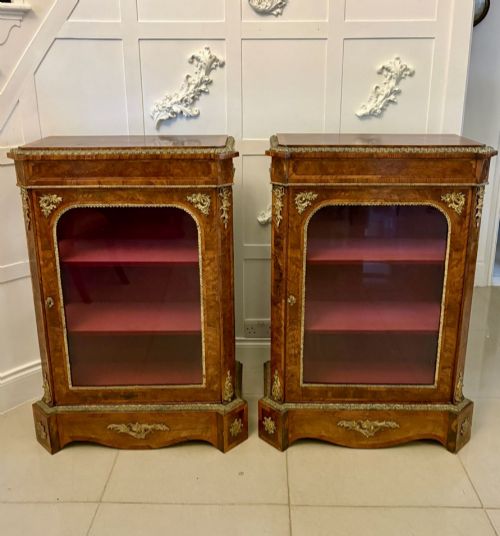
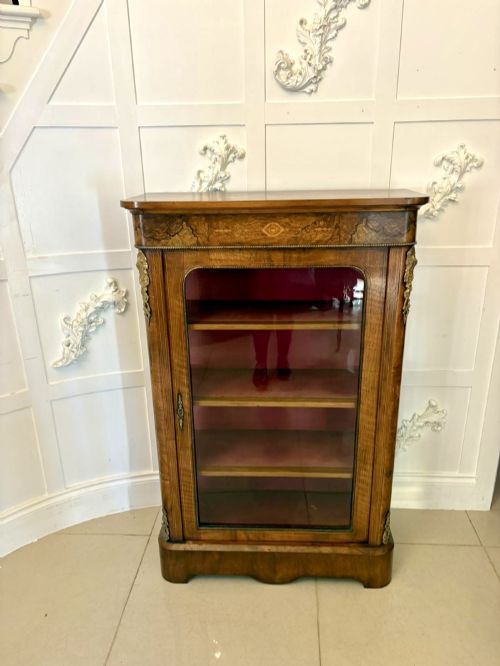
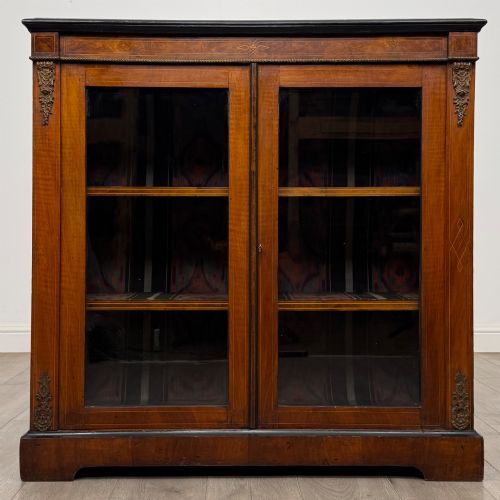
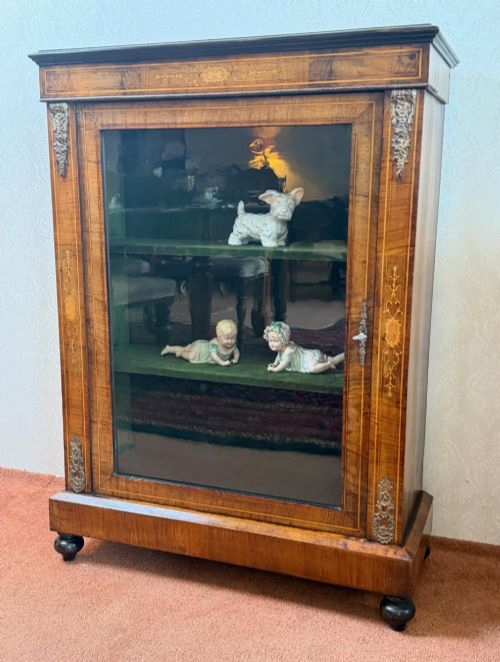
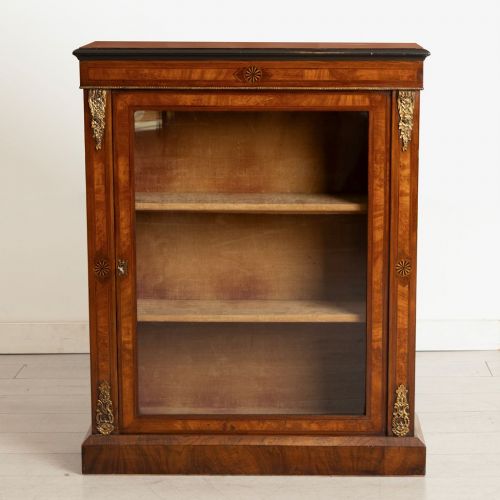
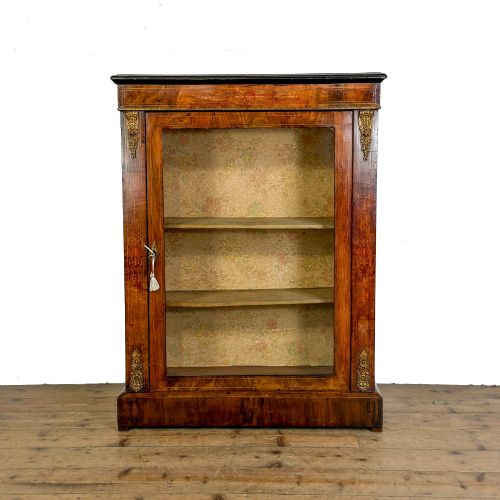
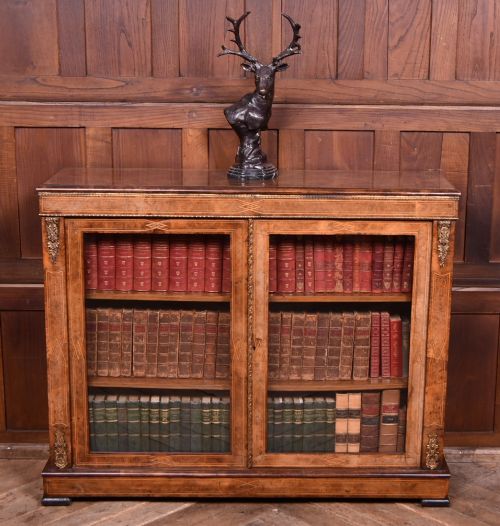
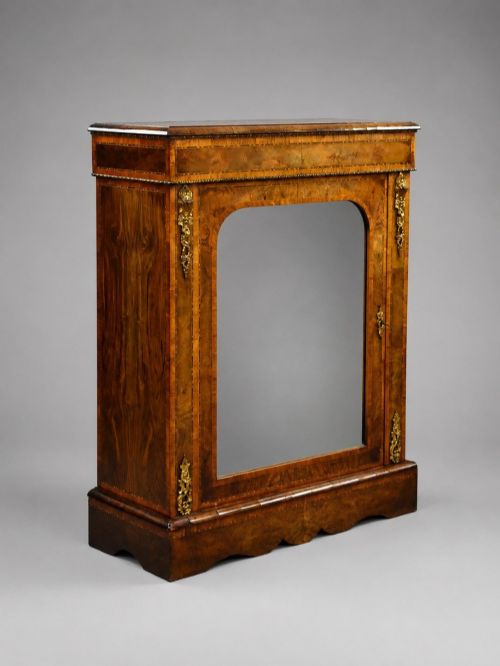
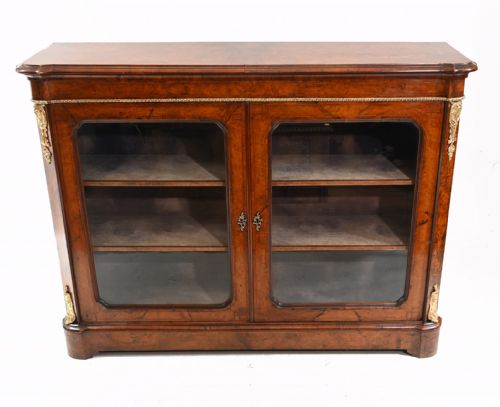
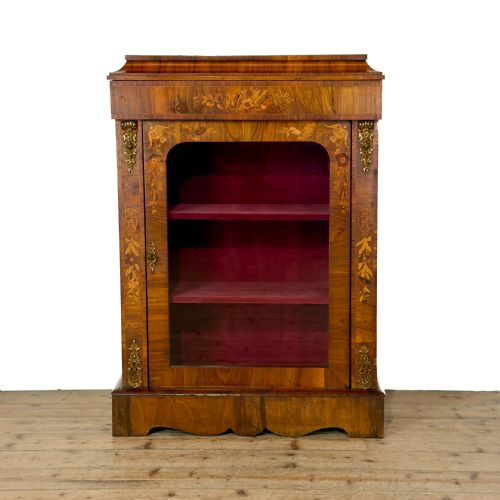
An ormolu pier cabinet is a low display piece traditionally designed to stand against the wall space between windows, known as the pier. The version most frequently encountered on this page is the Victorian walnut single-door glazed display case, often accented with marquetry and gilt-bronze mounts.
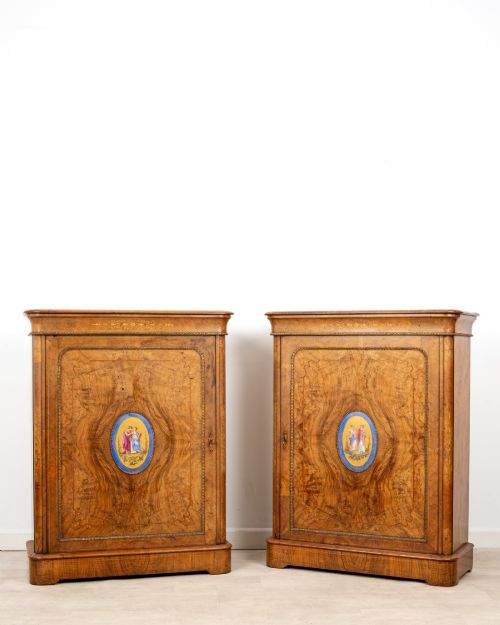
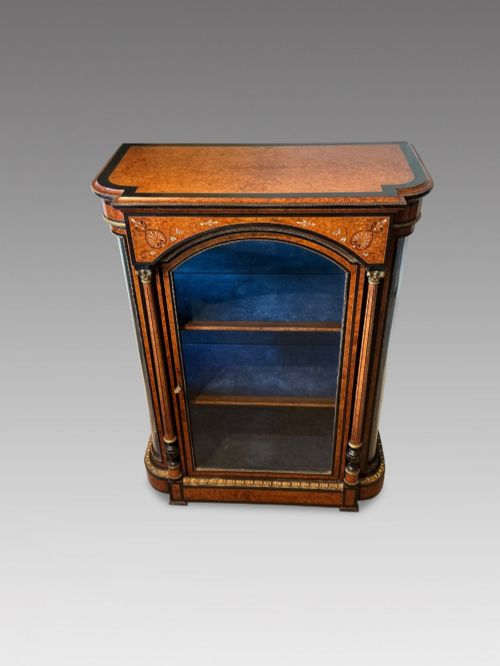
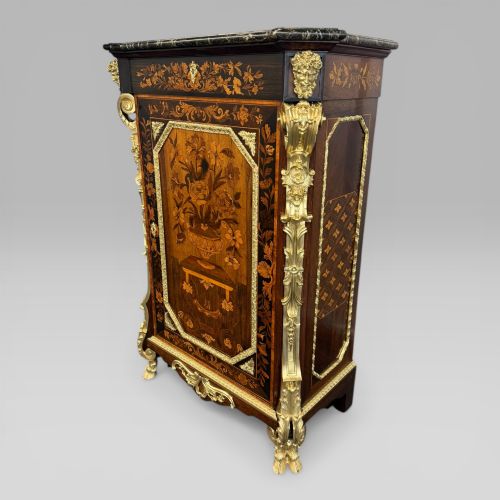
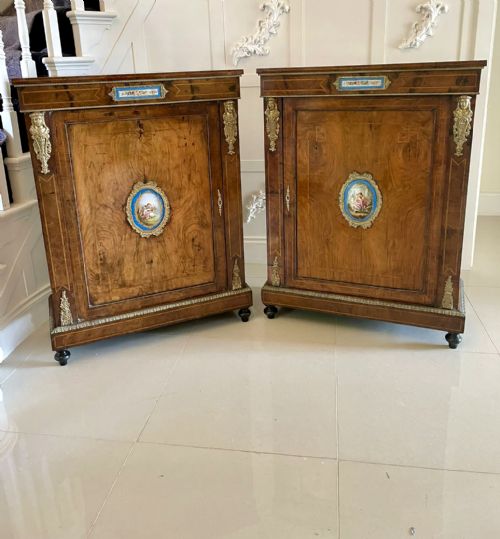
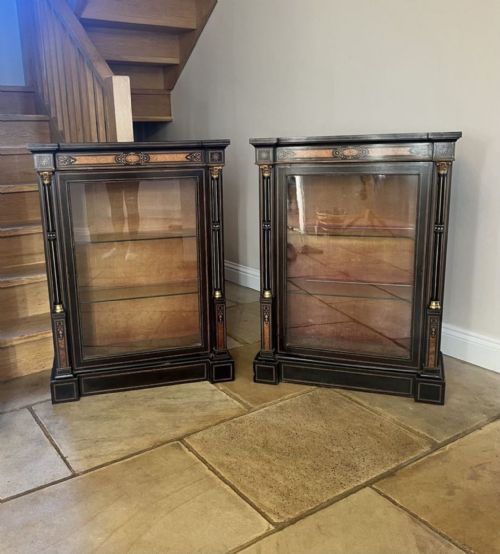
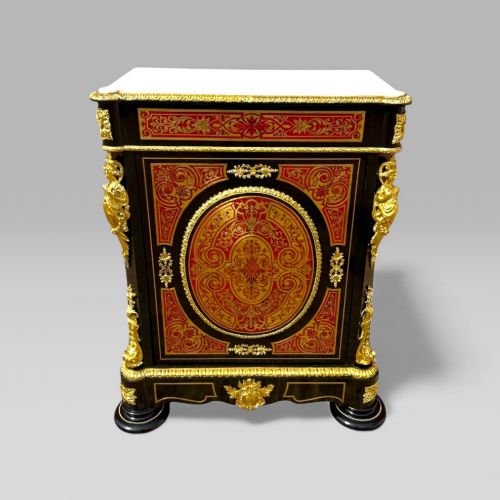
Beyond the standard walnut iterations, pieces span French Napoleon III ebonised designs, Boulle work with tortoiseshell and brass, and porcelain-mounted examples influenced by Louis XVI styles. These cabinets served primarily to showcase precious ceramics, glass, and curiosities behind protective glass doors.
How they were made
Cabinet makers built these pieces using solid pine or oak carcases, which they then overlaid with decorative timber veneers such as burr walnut, kingwood, amboyna, or ebonised wood. Marquetry and stringing lines in contrasting woods or boxwood added intricate geometric and floral patterns across the surfaces.
Gilt-bronze ormolu mounts were cast, chased, and applied to frame the glazed doors, corners, and plinths, while interior velvet linings provided a soft backdrop for displayed objects. Marble tops appeared on select French and English iterations to add weight and a finished surface.
Materials recorded on this page include burr walnut, ebonised wood, amboyna, velvet, marble, and gilt ormolu mounts.
What varies in quality
The distinction between standard and exceptional pieces rests upon the crispness of the bronze ormolu casting and the complexity of the wood marquetry. Finely chased mounts retain sharp relief and deep gilding, whereas lesser examples appear flat and indistinct.
Selection of timber veneer also determines rank, with highly figured burr walnut, amboyna, and Boulle marquetry commanding greater decorative presence than plain walnut surfaces. Proportion and balance in the curved or serpentine shapes further separate ordinary workshop output from exhibition-grade furniture.
Edward Holmes Baldock
The Ormolu Pier Cabinet Glossary
- Ormolu
- Gilded bronze mounts applied as decorative ornaments to furniture. The technique involves applying a gold amalgam to a bronze base and heating it to drive off the mercury.
- Pier cabinet
- A narrow display cabinet designed to fit the wall space between two windows. They typically feature glazed doors and flat backs to sit flush against the wall.
- Boulle
- A method of marquetry using contrasting panels of tortoiseshell and engraved brass. It is named after the master cabinet maker André-Charles Boulle.
- Marquetry
- Decorative patterns formed by fitting together thin veneers of various woods, ivories, and metals. These designs are applied to the carcase of a cabinet.
Ormolu Pier Cabinet: Frequently Asked Questions
What is an ormolu pier cabinet used for?
These cabinets were designed to display porcelain, small sculptures, and precious curiosities in Victorian and French drawing rooms.
The glass doors protected delicate items from dust while allowing guests to admire the collection alongside the decorative gilt mounts and timber veneers.
How do I tell if a pier cabinet is Victorian or French?
Victorian examples made in England typically rely on figured burr walnut, subtle marquetry, and restrained brass or ormolu mounts following revival tastes.
French Napoleon III pieces often utilise ebonised wood, intricate Boulle brasswork, tortoiseshell, and inset Sevres-style porcelain plaques for a more ornate appearance.
Where should I place a pier cabinet in my home?
Their traditionally shallow depth makes them well-suited for hallways, alcoves, or narrow wall spaces where standard furniture would protrude too far into the room.
Pairing them with a low-traffic area protects the delicate glass doors and allows the gilt ormolu details to catch natural light.
What woods are commonly found on these cabinets?
Walnut is the predominant timber seen across these listings, frequently enhanced by burr walnut veneers that provide a rich, swirling grain pattern.
Other iterations feature ebonised wood, kingwood, rosewood, amboyna, and satinwood, often combined with contrasting stringing lines.