


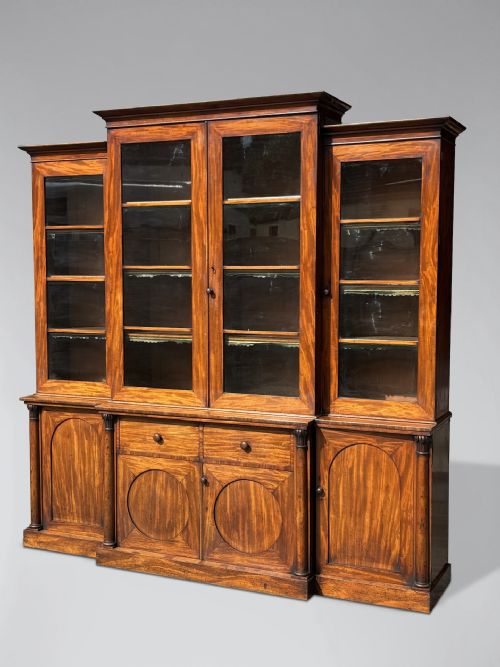


Warm Brown Display Case
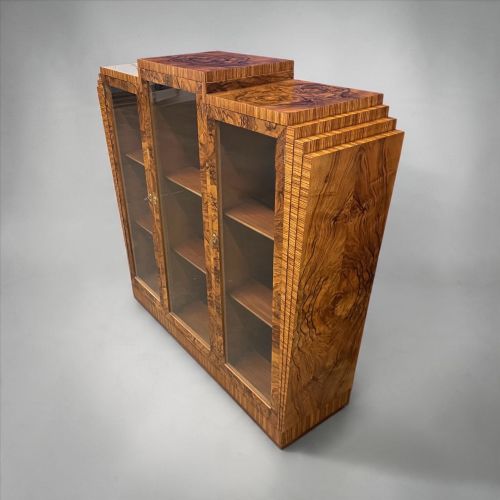
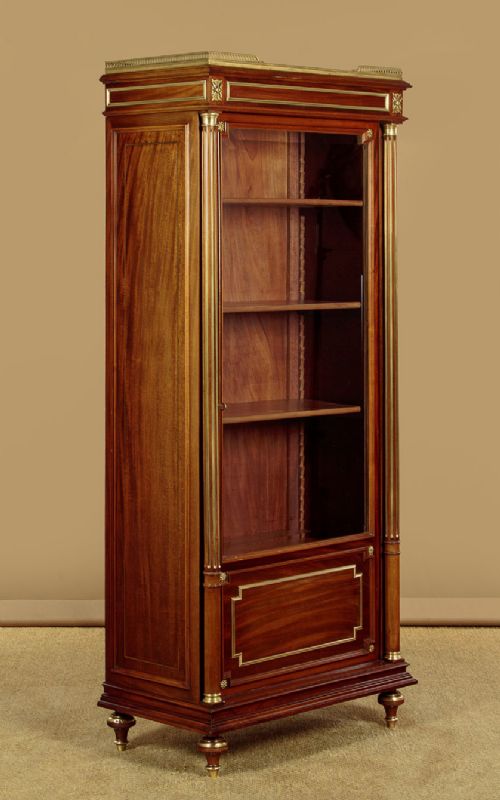
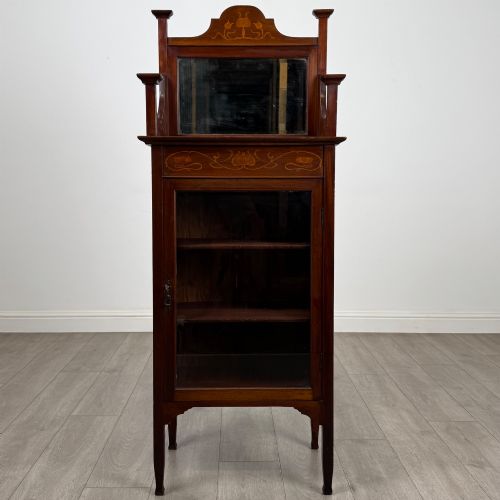
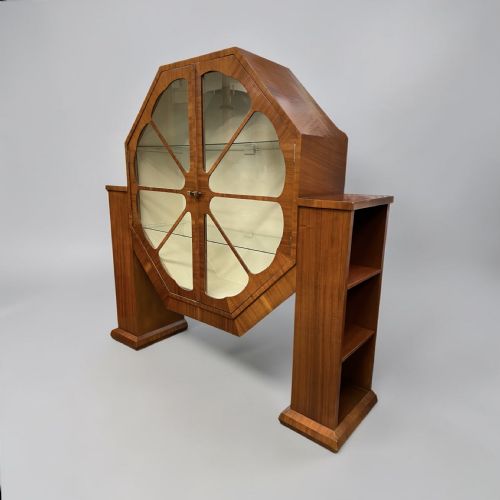
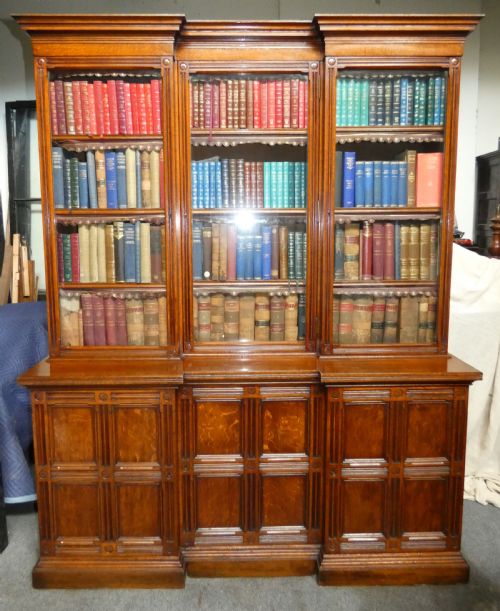
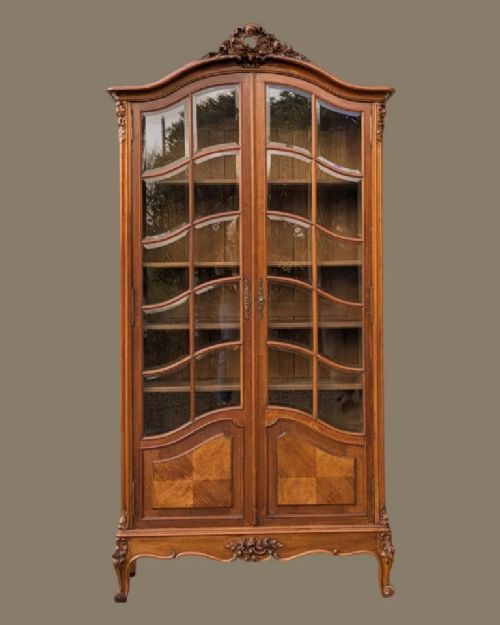
A warm brown display case brings rich timber tones and clear glass together to hold books, ceramics and keepsakes.
Warm Brown Display Case
A warm brown display case encompasses a wide variety of timber cabinets designed to show and protect objects behind glass doors or panels. When exploring this selection, a buyer encounters pieces originating from the nineteenth and twentieth centuries, spanning periods such as the Victorian, Edwardian and Art Deco eras.
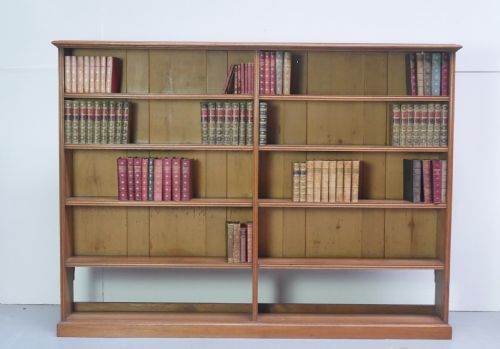
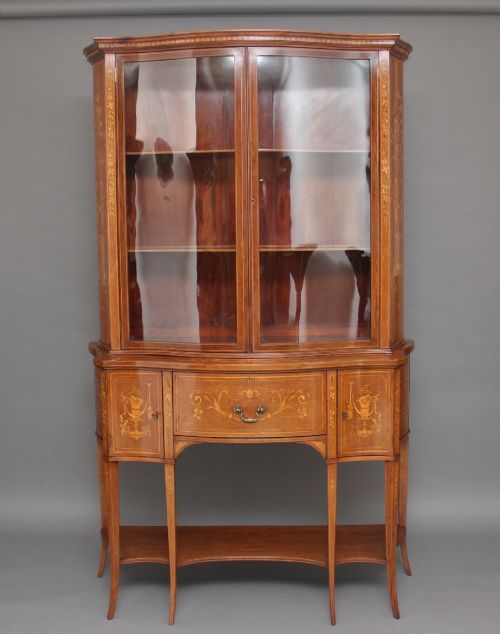
The assortment includes tall library bookcases, compact pier cabinets, credenzas, corner cupboards and specialised shop or counter-top cabinets. Mahogany, walnut and oak dominate the forms, frequently enriched with satinwood inlay or brass hardware.
Materials and construction methods
Makers built these cabinets using solid and veneered timbers including mahogany, walnut, satinwood and oak, mounted on sturdy frames and plinths. Glass panes were fitted into timber doors or framing to allow clear viewing of the interior shelves.
Decorative details rely on contrasting inlay work, such as satinwood strings or marquetry motifs, alongside cast or chased ormolu mounts and brass fittings. Interior spaces frequently include adjustable timber shelves or fabric-lined backings to support the displayed objects.
Warm Brown Display Case Retail Price Guide 2026
Typical asking prices for warm brown display case among the pieces listed under this phrase on Sellingantiques today, from the lower quarter to the upper quarter. They describe what is for sale here now, not the wider market.
A sturdy scale model of a Scottish schooner sits comfortably alongside nineteenth-century library bookcases and apothecary display boxes.
Judging quality and craftsmanship
Quality reveals itself in the selection of timber figures, such as burr walnut or figured mahogany, and the precision of the cabinet maker's joinery. Smooth operation of doors, drawers and adjustable shelving indicates thoughtful construction.
Refined surface polish and the crispness of inlay work or carved ornament separate standard production items from workshop pieces bearing detailed attention from makers such as London cabinet firms.
C Hindley & Sons·Francois Linke
The Warm Brown Display Case Glossary
- Pier cabinet
- A low freestanding cabinet designed to fit narrow wall spaces between windows, frequently featuring a glazed door for displaying porcelain or decorative objects.
- Credenza
- A sideboard or low cabinet type used for storage and display, often supported on a plinth base with panelled or glazed doors.
- Ormolu
- Gilded bronze ornamentation applied to furniture surfaces, popular in French revival styles and nineteenth-century cabinet work.
- Marquetry
- Decorative woodwork where pieces of veneer are fitted together to form pictorial or geometric patterns on the cabinet exterior.
- Barograph
- A recording meteorological instrument housed in a specialised glass and timber case to register atmospheric pressure changes.
Warm Brown Display Case: Frequently Asked Questions
What periods do these cabinets come from?
The pieces span the nineteenth and twentieth centuries, including Victorian, Edwardian, and Art Deco examples.
Dating relies on timber types, construction details, and stylistic references like Sheraton Revival or Louis designs.
How were these cabinets used originally?
They served to store and display books, fine ceramics, scientific instruments, and personal collections.
Larger bookcases furnished libraries, while pier cabinets and vitrines decorated formal reception rooms.
Are the shelves inside adjustable?
Many of the bookcases and display cabinets feature adjustable shelving systems to accommodate books or objects of varying heights.
Internal fittings vary depending on whether the cabinet was made for library storage or delicate display pieces.
What woods are most common?
Mahogany, walnut, and oak form the structural foundation for the vast majority of these display cases.
Finer examples incorporate burr walnut, satinwood inlay, or exotic veneers for decorative contrast.