



Ormolu Bronze Tazzas
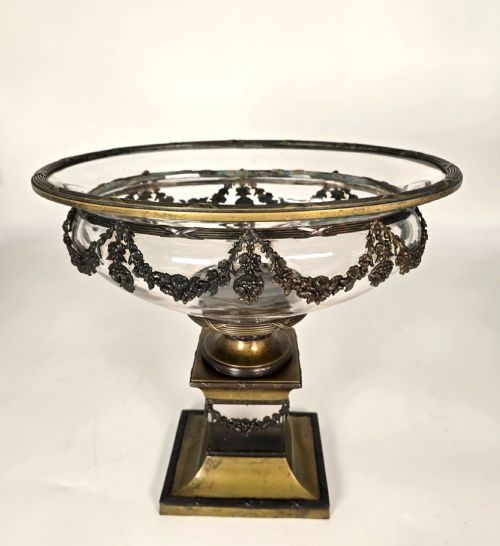
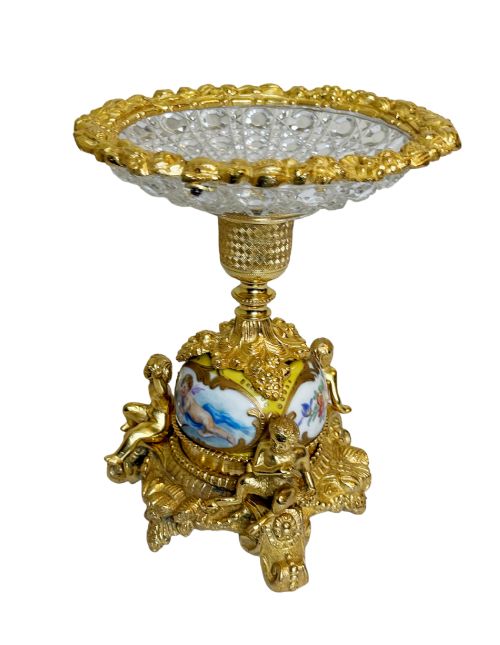
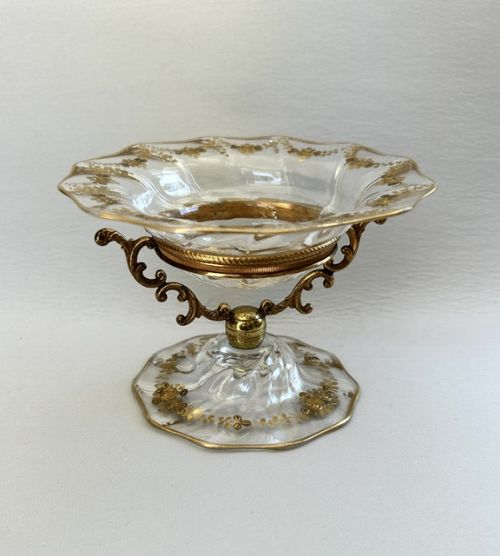
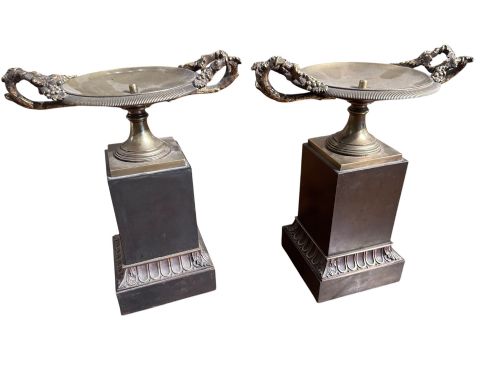
These ormolu bronze tazzas bring nineteenth-century French decorative arts into a room through cast metal and contrasting inserts.
Ormolu Bronze Tazzas
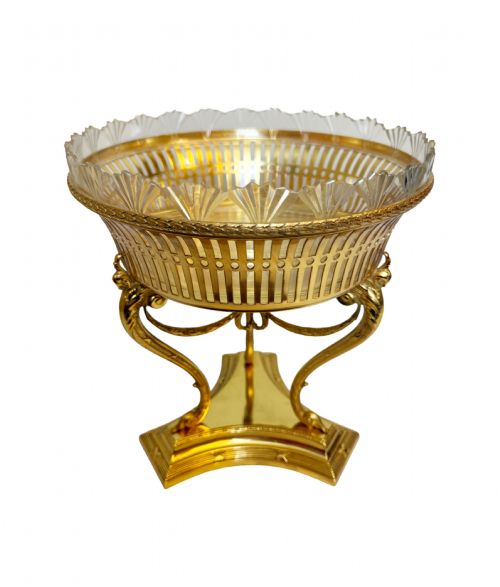
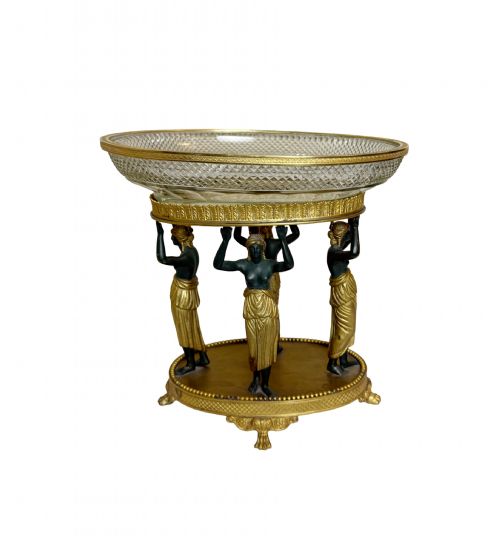
When you search for ormolu bronze tazzas, you encounter decorative vessels, centrepiece bowls, and comports designed for display during the nineteenth century. These objects function as ornamental table pieces, often standing on circular bases with shallow bowls intended to catch the eye.
The selections on this page span the nineteenth century, including Regency, French Empire, Rococo Revival, and Second Empire styles. French workshops produced the majority of these pieces, incorporating Neoclassical motifs and ornate handles.
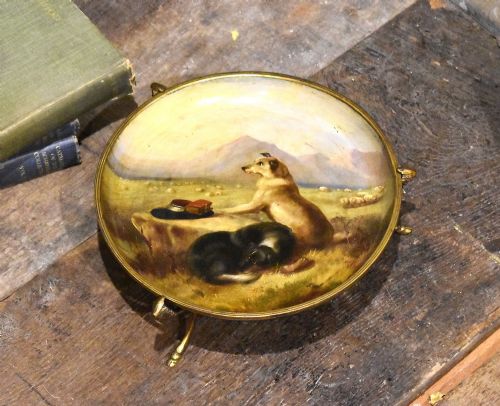
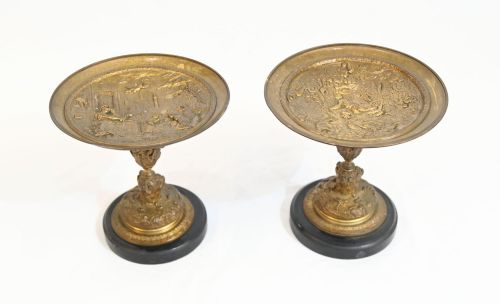
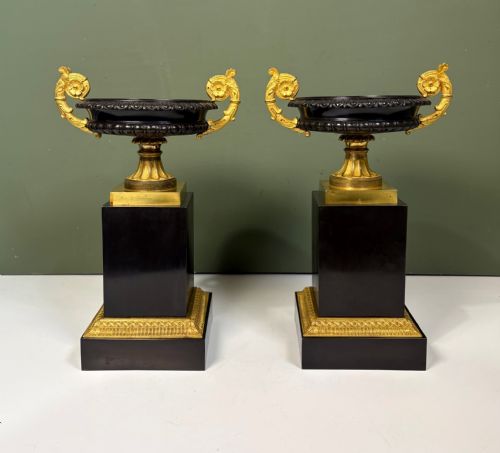
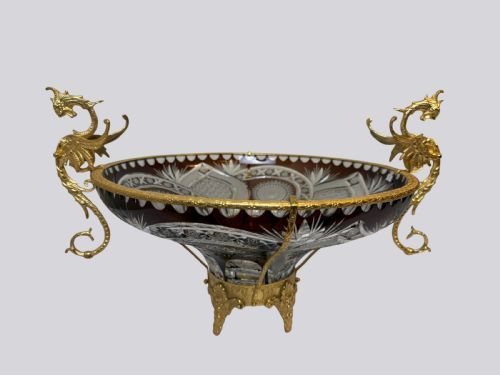
Makers paired the metal framework with porcelain, glass, enamel, and stone inserts to create varied textures. You find pairs as well as individual centrepieces, each combining architectural mounts with decorative basins.
How they were made
Craftsmen cast bronze components using traditional foundry methods before applying fire gilding to create the characteristic ormolu finish. This metallic surface provides a bright gold appearance that contrasts with patinated bronze or darker metal elements.
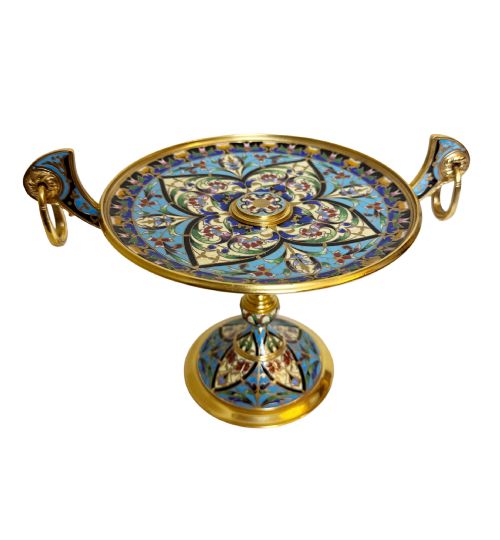
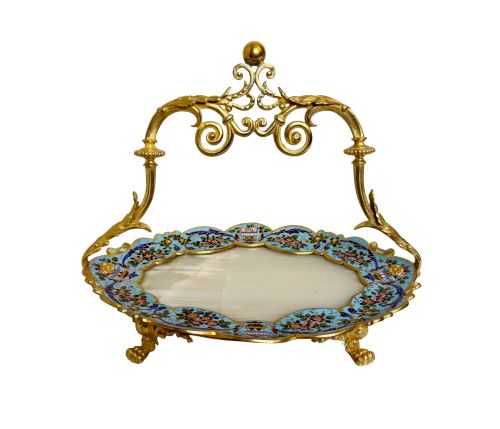
Makers integrated natural materials such as marble, onyx, malachite, agate, and cut crystal directly into the metal framework. Champlevé enamel work and Sevres style porcelain inserts added colour and detailed pictorial elements to the bowls.
Structural elements relied on precise mechanical fastening, securing cast figures like cherubs and mermen onto stone pedestals and glass dishes. The combination of patinated and gilded surfaces required steady hand-chasing after casting to sharpen the decorative details.
Listings feature items from the 19th Century, incorporating materials such as gilt bronze, ormolu, porcelain, enamel, onyx, and glass.
What varies in quality
The refinement of the cast metalwork distinguishes ordinary domestic items from superior studio productions. Crisp detail in figures such as cherubs, foliage, and mermen indicates superior initial carving of the bronze mould.
Material selection dictates the upper tier of the range, where workshops used banded agate, Blue John, or finely painted Sevres style porcelain rather than standard glass. The integration of hardstones requires expert stonemasonry alongside metal mounting.
The crispness of the mercury gilding remains a primary indicator of workshop standard. Rich, even coverage without thinning over high points denotes careful thermal application by skilled artisans.
Christofle Paris·Louis Pierre Malpass
The Ormolu Bronze Tazzas Glossary
- Ormolu
- Gilded bronze produced by applying an amalgam of gold and mercury to a bronze object, then heating it to vaporise the mercury. This technique creates a durable, luminous golden finish characteristic of nineteenth-century decorative objects.
- Tazza
- A shallow ornamental bowl raised on a stem and foot, used historically for display or serving. In nineteenth-century pieces, these often incorporate elaborate metal mounts and stone inserts.
- Champlevé
- An enamelling technique where troughs or cells are hollowed out of the metal surface and filled with vitreous enamel powder before firing. The resulting coloured patterns sit flush with the surrounding bronze borders.
- Comport
- A decorative pedestal dish or bowl used for centrepieces on dining tables. These objects frequently adopt porcelain or glass basins supported by bronze or ormolu stands.
- Patinated Bronze
- Bronze treated with chemical solutions to produce a controlled surface colour, typically dark brown, green, or black. This dark tone provides visual contrast against bright ormolu mountings.
Ormolu Bronze Tazzas: Frequently Asked Questions
What is an ormolu bronze tazza?
An ormolu bronze tazza is an elevated decorative bowl made from cast bronze with a gold-gilded surface finish. These objects were manufactured primarily in nineteenth-century France for display on tables and mantelpieces.
They often combine metal mounts with inserts of marble, porcelain, or glass. The form draws on classical shapes adapted through Regency and Rococo Revival styles.
How were these pieces used originally?
Owners placed these items as centrepieces on dining tables or sideboards to demonstrate taste and status. They served as ornamental display vessels rather than functional tableware.
Their decorative nature meant they were positioned where light could catch the gilded surfaces and coloured stone inserts.
What materials accompany the bronze?
Makers incorporated Sevres style porcelain, champlevé enamel, and coloured glass into the metal frameworks. Natural stones such as onyx, marble, malachite, and agate frequently form the bases or bowls.
These varied materials created high visual contrast between the bright gold ormolu and the colourful inserts.