

Original Victorian Picture
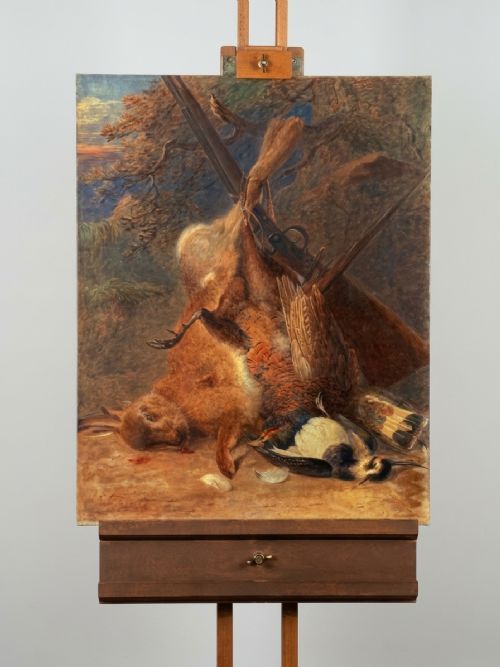
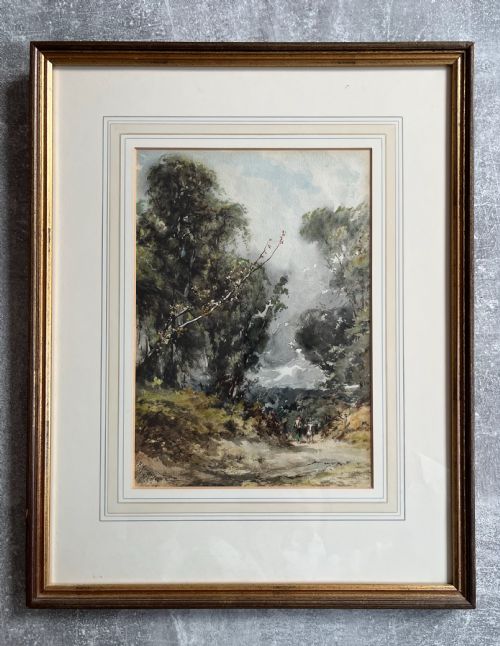
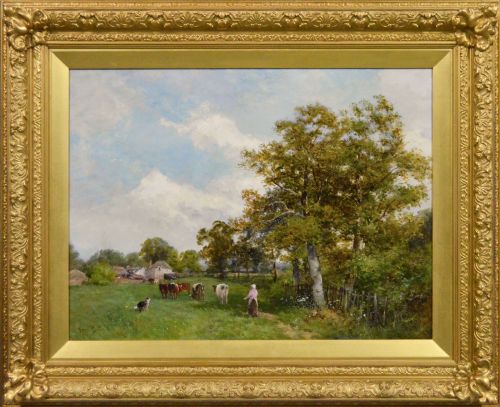
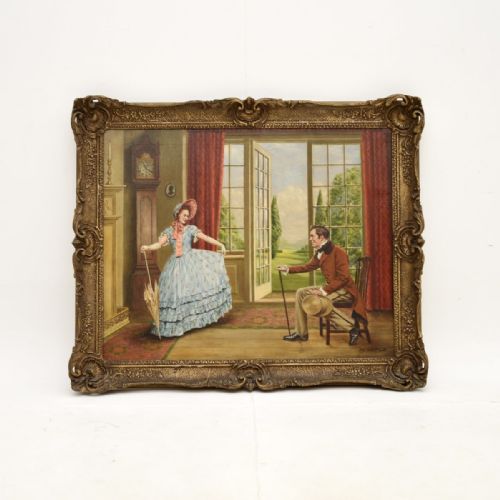
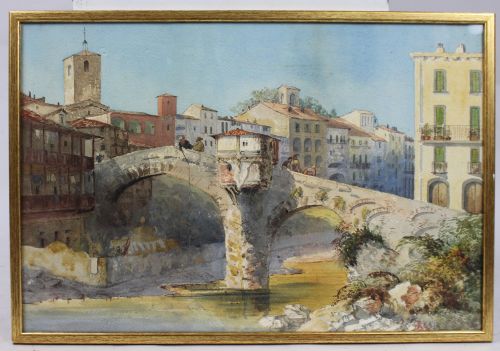
When you seek an original victorian picture, you enter a diverse world of nineteenth-century watercolours, oil paintings, and engravings that capture period life and landscape.
Original Victorian Picture
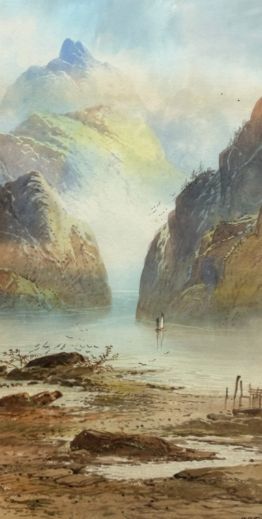
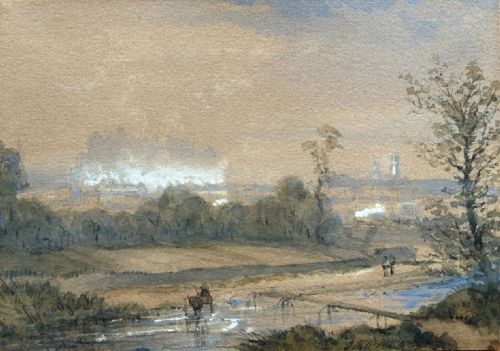
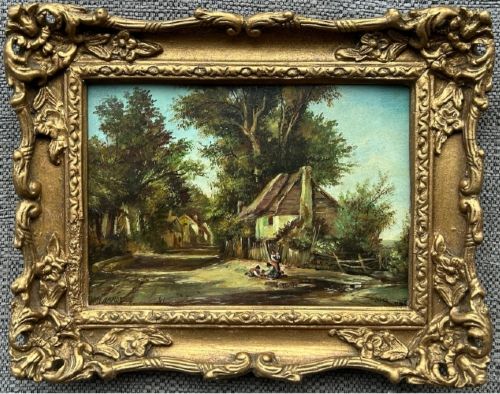
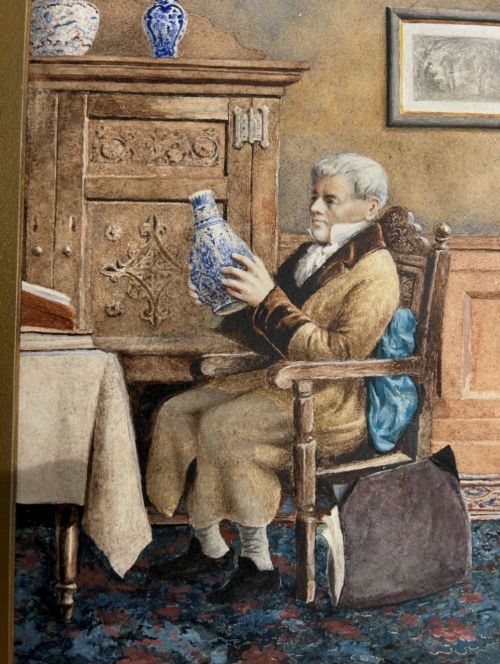
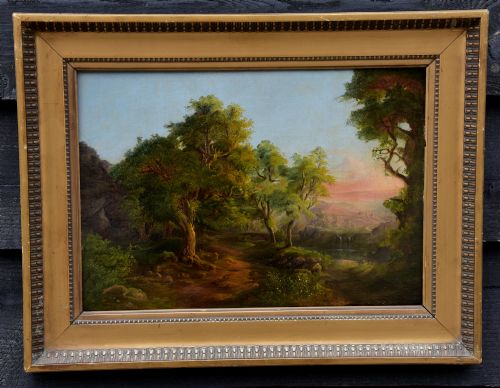
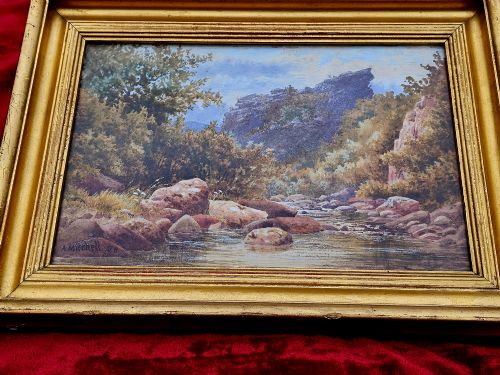
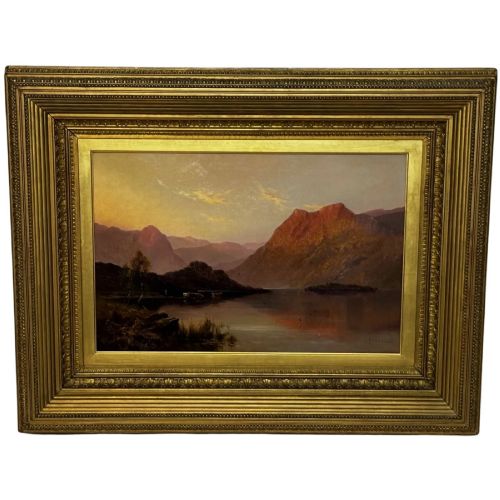
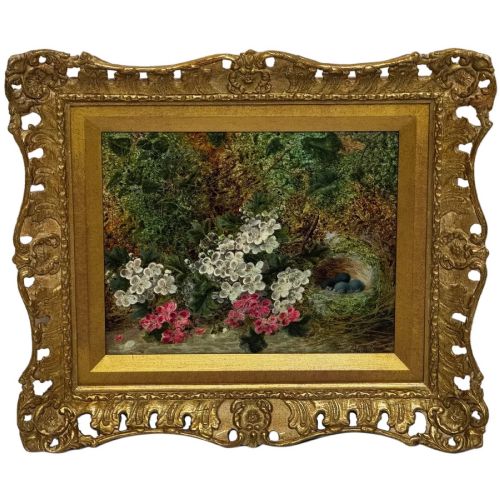
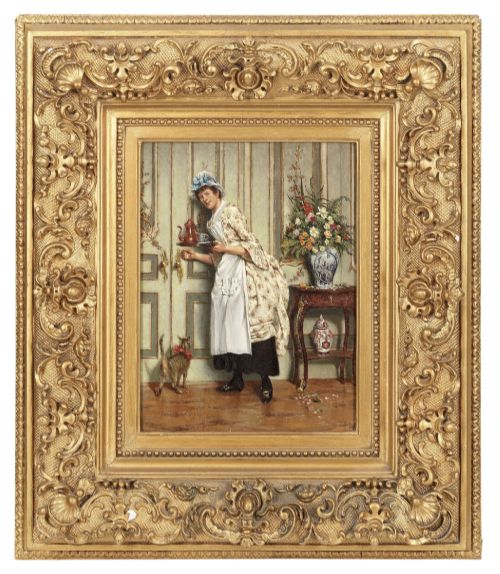
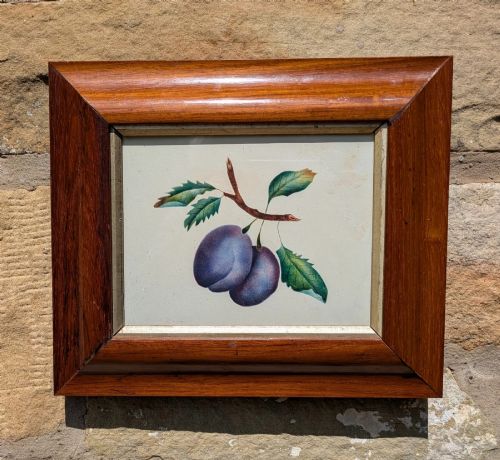
An original victorian picture spans various forms including oil paintings on canvas or panel, detailed watercolours, etchings, lithographs, and charcoal drawings. These works reflect the visual culture of the nineteenth century, ranging from pastoral British landscapes and Scottish scenery to intimate domestic interiors and botanical studies.
The pieces on this page frequently originate from the broader Victorian era and adjacent periods like the Edwardian age, encompassing styles such as Victorian realism, romanticism, and landscape painting. Buyers will encounter both signed works by known nineteenth-century artists and accomplished pieces by the British school.
Subjects range widely from portraits of individuals and animals to bustling architectural scenes and serene river views. Each item serves as a direct historical window into the artistic output and aesthetic tastes of the nineteenth century.
Materials and construction
Works on paper and prints frequently feature protective glass glazing alongside original mounts and frames constructed from wood or cast metals. The combination of canvas, paper, wood, and glass defines the physical makeup of these surviving artworks.
Listings feature paper, glass, wood, canvas, and various forms of watercolour and oil painting spanning the nineteenth century.
Distinctions in quality
Quality rests upon the skill of the execution, the subtlety of the colour palette, and the fidelity of the composition. Accomplished brushwork in oil paintings or precise line work in watercolours and etchings elevate certain works above standard decorative pieces.
The preservation of the medium, the originality of the mounting and frame, and the clarity of artist signatures or documentation contribute significantly to the standing of an individual artwork.
George Sydney Shepherd·William Henry Earp·Oliver Clare·Stephen Samuel Lewin·Herbert Dicksee·David Roberts·Joseph Farquharson
The Original Victorian Picture Glossary
- Watercolour
- A painting method where fine pigment is suspended in water-based solution, typically applied to paper.
- Etching
- A printmaking process where lines are incised into a metal plate with acid before ink is applied and transferred to paper.
- Giltwood
- Wood that has been coated with a thin layer of gold leaf or gilt paint, commonly used for ornate nineteenth-century frames.
- Bodycolour
- Watercolour mixed with a white pigment to render it opaque, adding density and highlights to works on paper.
- Lithograph
- A planographic printing method utilising a smooth stone or metal plate to reproduce original drawings or paintings.
Original Victorian Picture: Frequently Asked Questions
How do I identify a genuine nineteenth-century painting?
Examine the materials, support structures, and framing methods typical of the period, such as canvas weave, panel types, and paper ageing. Signatures, dates, and inscriptions often provide direct attribution to artists working within the era.
Look closely at the pigments and handling of the medium, as nineteenth-century techniques differ markedly from modern reproductions. Consulting exhibition records or archival notes helps confirm provenance.
What framing is typical for these artworks?
Original pieces often retain contemporary Victorian frames made from gilt wood, rosewood, or burr walnut veneer. Ornate mouldings and Hogarth frames frequently accompany period paintings and prints.
The presence of an original frame enhances the historical integrity of the artwork, though many pieces have been reframed over the decades to ensure proper preservation.
Where were these subjects usually painted?
Artists frequently depicted British and Scottish landscapes, rural farmlands, coastal views, and rivers like the Thames. Domestic interiors, botanical studies, and foreign scenes from travel in Europe and the Near East also feature prominently.
These subjects reflect the prevailing romantic and realistic tastes of nineteenth-century patrons who favoured scenes of nature, local history, and daily life.
How should I care for a historic watercolour?
Keep works on paper away from direct sunlight to prevent the fading of delicate watercolours and bodycolour pigments. Maintaining stable indoor humidity levels protects the paper support and prevents warping.
Ensure that framing utilises acid-free mounts and protective glass to safeguard the delicate medium from atmospheric pollutants and physical damage over time.