


Original Sporting Watercolour
An original sporting watercolour captures the speed of hounds, horses and field sports across paper.
Original Sporting Watercolour
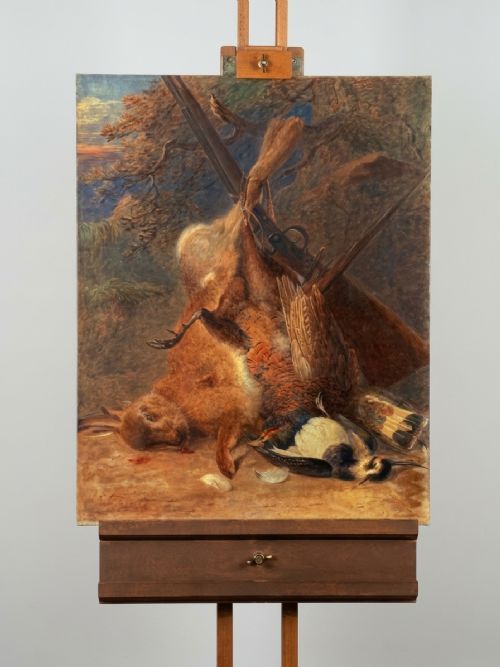
An original sporting watercolour depicts horses, hounds, game and rural pursuits rendered by hand upon paper or similar supports. Buyers seeking an original sporting watercolour encounter works spanning the nineteenth century through the mid-twentieth century.
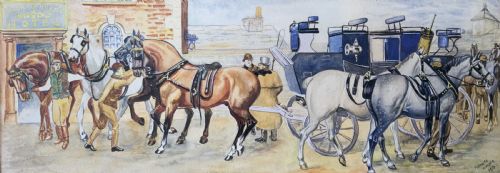
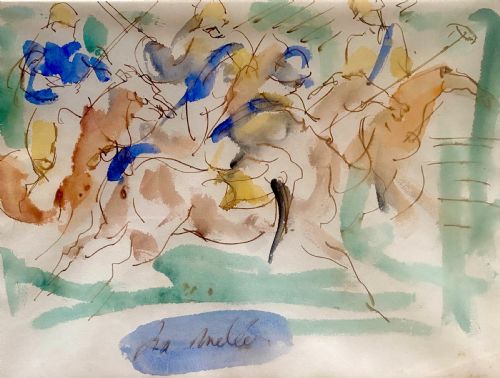
The subjects range from foxhunting and horse racing to coaching scenes and individual animal portraits. Many pieces arrive framed under glass, often utilising oak or gilt mouldings appropriate to their period.
Materials and Technique
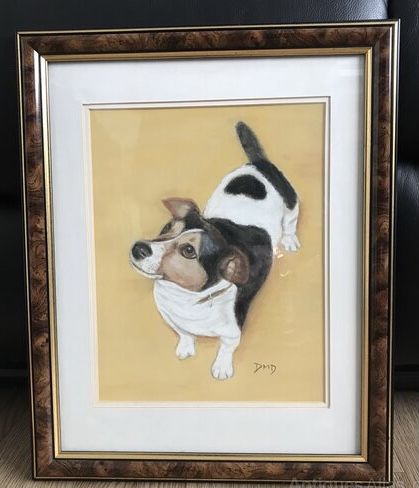
Artists painted primarily with watercolour and bodycolour or gouache upon paper surfaces, frequently combining ink for definition and linear detail. Pastel also appears alongside wet media in select canine and equestrian compositions.
Framing typically involves wood and glass protection to preserve the delicate pigment layers from atmospheric moisture and handling over decades.
Listings feature paper, glass, wood, ink, gilt, and watercolour paint across various nineteenth-century and twentieth-century items.
Judging Quality
Quality rests upon the artist's draftsmanship in rendering anatomical movement, particularly the dynamic postures of horses in full gallop and hounds in pursuit. Stronger works convey energy and atmosphere rather than static illustration.
The preservation of the paper support and the vibrancy of the pigments determine visual success, as watercolour is sensitive to fading when exposed to excessive light.
George Sydney Shepherd·John Rattenbury Skeaping·Arthur Wardle·Charles Clifford Turner·John Sanderson Wells·Thomas Ivester Lloyd·William J Hodgson·Frank Dadd·Arthur E Gonne·Charles Ashmore·F L Hill
The Original Sporting Watercolour Glossary
- Watercolour
- A paint consisting of a pigment suspended in a water-based solution. It is traditionally applied to paper to achieve translucent layers of colour.
- Bodycolour
- Watercolour paint rendered opaque by the addition of a white pigment such as chalk. This technique adds highlights and solid areas of tone.
- Gouache
- A water-based paint similar to bodycolour, featuring larger pigment particles and binding agents. It dries to a flat, opaque finish.
- Gilt
- A thin layer of gold or gold-coloured material applied to frame mouldings. It provides a decorative metallic finish characteristic of period framing.
- Full Cry
- A hunting term describing the moment hounds chase quarry while barking collectively. It denotes active, high-energy sporting scenes.
Original Sporting Watercolour: Frequently Asked Questions
How do I hang a sporting watercolour?
Mount the artwork away from direct sunlight and high humidity to protect the paper and pigments. Use UV-filtering glass where possible.
Ensure the frame is securely hung from picture rails or wall anchors suited to the weight of the wood and glass.
What subjects appear in these paintings?
The subjects focus primarily on equestrian events, horse racing, foxhunting packs, coaching scenes and game animals. Dogs, particularly terriers and hounds, also feature prominently.
Scenes range from dynamic field action to detailed portraiture of country gentlemen and animals.
How do I identify the period?
Examine the framing materials, backing boards and any signature styles or inscriptions recorded on the paper. Victorian and Edwardian works often display specific handwriting and mounting techniques.
Stylistic shifts, such as mid-century expressionist influences, also help date later twentieth-century pieces.
Are these works unique?
Every piece is a hand-painted original work executed directly onto paper by the artist. Multiple works by the same hand differ entirely in composition and detail.
Even paired works represent distinct individual applications of watercolour paint.