






Original Paint Pine Table
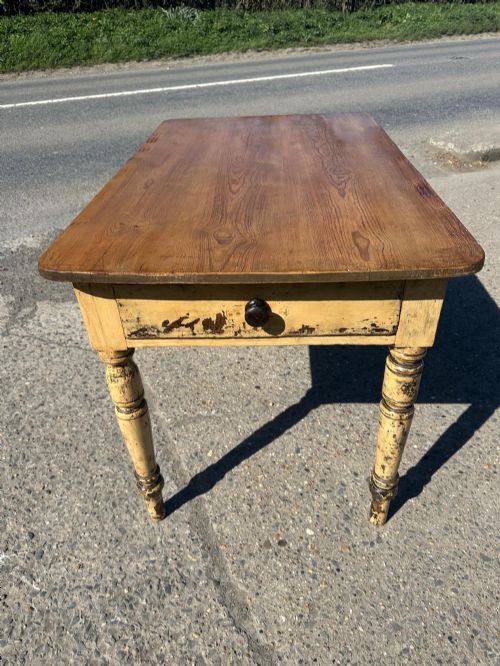
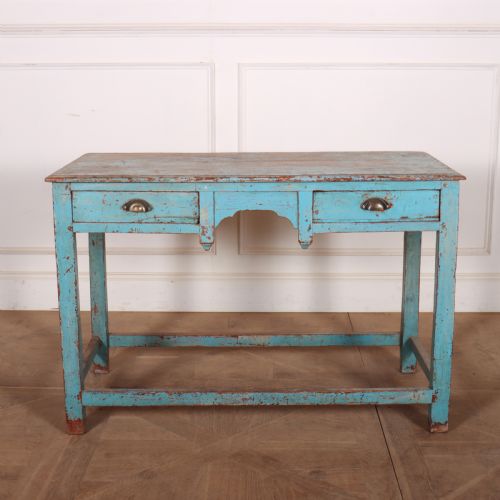
An original paint pine table carries the distinct marks of domestic history, offering surface character that newly built timber simply lacks.
Original Paint Pine Table
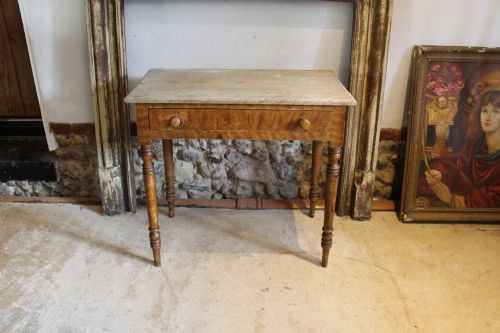
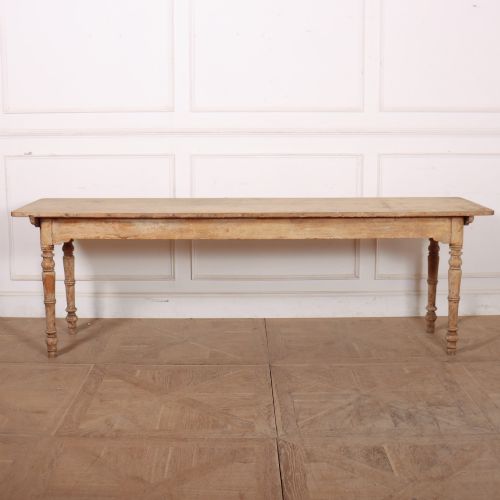
When searching for an original paint pine table, buyers encounter domestic and utilitarian forms spanning the Georgian, Regency, and Victorian eras. Side tables, console tables, kitchen tables, and cricket tables dominate the available inventory, reflecting practical past uses.
English country and rustic farmhouse styles appear frequently alongside continental examples, demonstrating how functional furniture received surface treatments to suit domestic spaces. The survival of early paint surfaces provides direct insight into period interior aesthetics.
Materials and Surface Execution
Construction relies primarily on pine and wood, occasionally incorporating oak, brass, iron, or marble for specific structural or decorative components. Timber preparation involved traditional joinery suited to daily utility in kitchens, dairies, and sculleries.
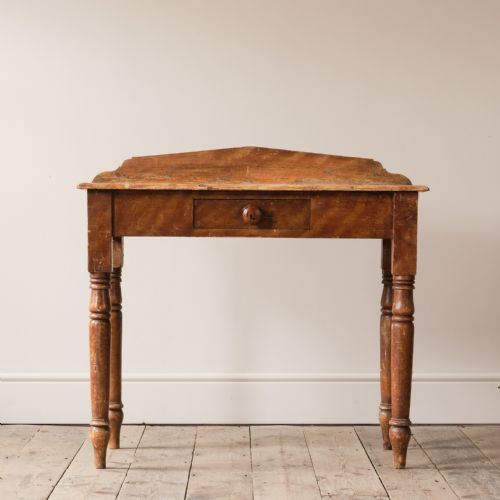
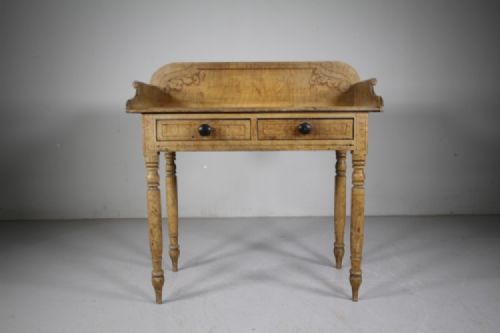
Surfaces received applied coats of pigment, grain finishes, or scumble techniques, sometimes imitating costlier materials like faux marble. The integrity of these original coatings depends on how the underlying wood responded to decades of domestic wear.
Evaluating Surface Integrity and Form
Quality separates pieces retaining their uncompromised, untouched early pigment from those with heavy overpainting or later surface interventions. The harmony between the original timber structure and the surviving decorative coat dictates the historical weight of the piece.
Proportion and utility also separate standard utilitarian items from more considered regional forms, such as tavern tables with X-frames or lowboys with integrated drawers. Greater visual coherence in the painted finish elevates the standing of an individual table.
The Original Paint Pine Table Glossary
- Scumble
- A translucent layer of dark paint manipulated over a lighter ground to simulate wood grain. This technique was widely applied during the Victorian period to elevate plain pine surfaces.
- Cricket table
- A small, lightweight occasional table traditionally featuring three splayed legs and a round top. These pieces originated in vernacular English interiors for stable placement on uneven floors.
- Lowboy
- A small seventeenth or eighteenth-century dressing table or side table fitted with drawers. They typically stand on slender legs and display refined proportions.
- Washstand
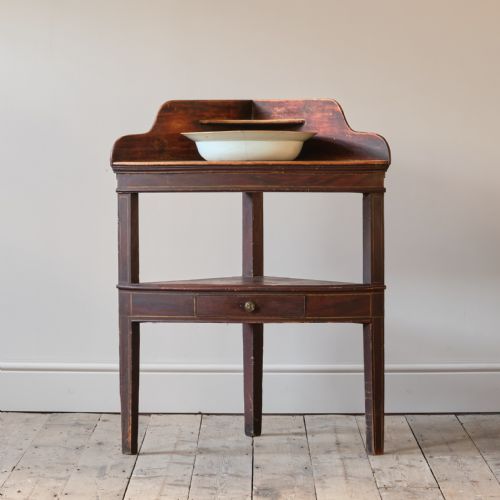
- A specialised table designed to hold a basin and pitcher for personal washing. Many examples incorporate secondary materials like marble tops or incorporate splashbacks.
Original Paint Pine Table: Frequently Asked Questions
How do I clean an original paint pine table?
Maintain the surface by dusting gently with a dry, soft cloth to remove everyday particles. Avoid modern chemical solvents, abrasive cleaners, or excess moisture, which can lift fragile historic pigments from the pine substrate.
For stubborn grime, consult a professional conservator rather than attempting aggressive cleaning at home. Preserving the integrity of the early paint layer remains the primary objective for any maintenance routine.
Can I use a painted pine table every day?
These tables served practical functions in kitchens, dairies, and parlours, so they possess inherent durability. Using placemats and coasters helps protect historic paint finishes from moisture rings and heat damage during daily activities.
Place the table away from direct heat sources and strong sunlight to prevent the timber from warping and the historic paint from cracking or fading over time.
What does original paint mean on antique pine?
Original paint refers to the earliest decorative or protective coating applied to the timber during its period of manufacture. It signifies that the surface has not been stripped down to bare wood or subjected to modern repainting.
Evidence of wear, minor chips, and softening tones in the pigment are expected indicators of age and handling. These traces confirm the authenticity of the historical surface layer.
How do I identify the period of a pine table?
Dating relies on construction methods, joinery types, hardware, and the character of the wood and paint. Georgian and Regency pieces often display hand-sawn timber marks and specific leg profiles, whereas Victorian examples introduce varied grain finishes.
Comparing the structural proportions and surface wear against documented regional forms helps narrow down the decade of origin.