

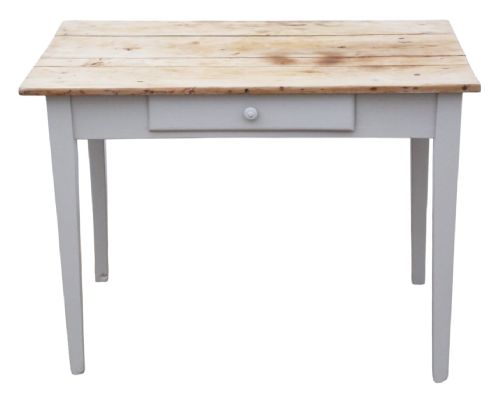


Vintage Painted Prep Table
A vintage painted prep table brings working utility and weathered colour from past kitchens directly into domestic spaces today.
Vintage Painted Prep Table
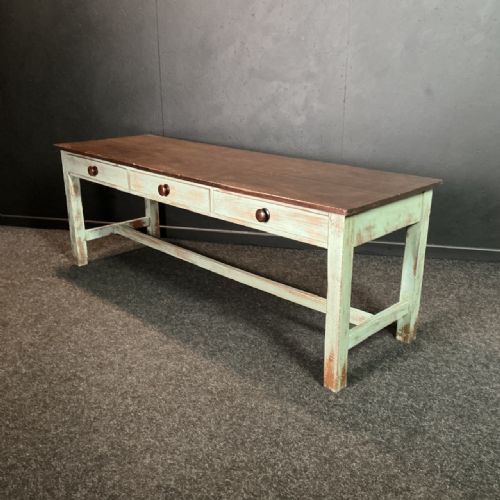
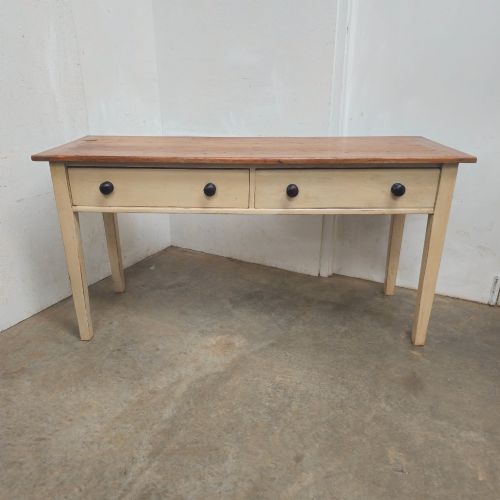
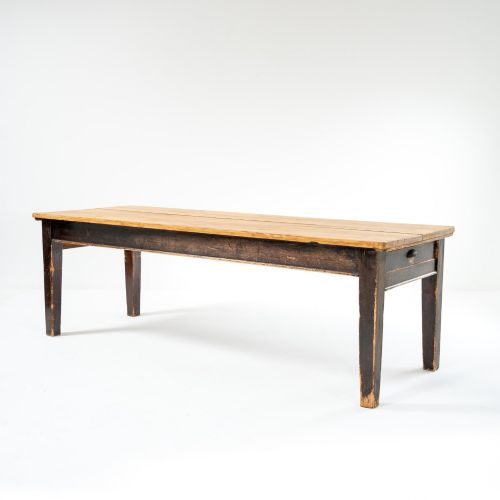
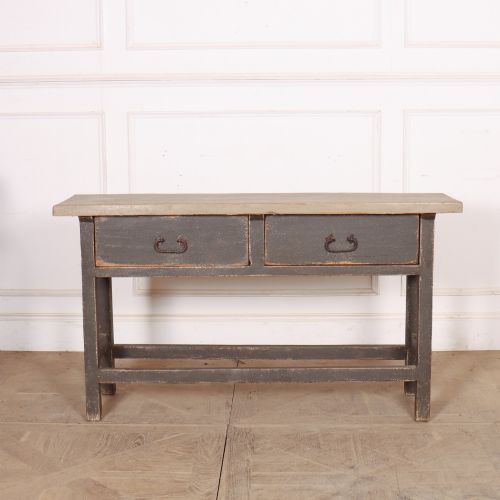
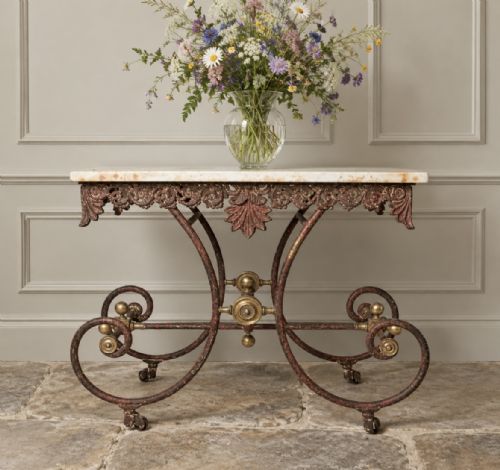
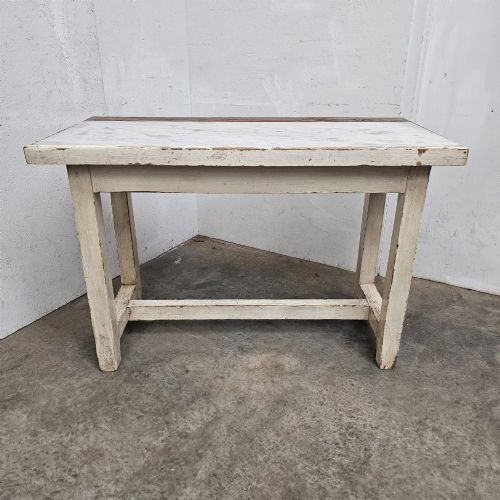
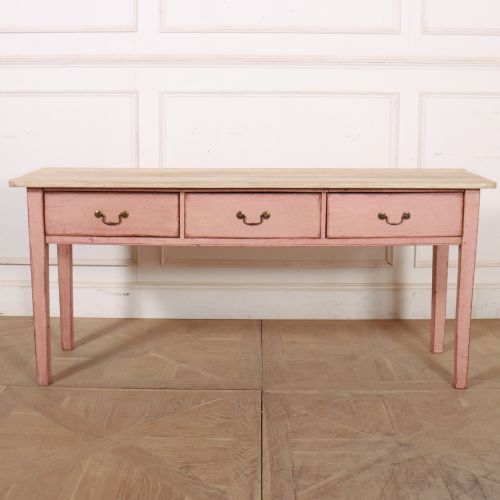
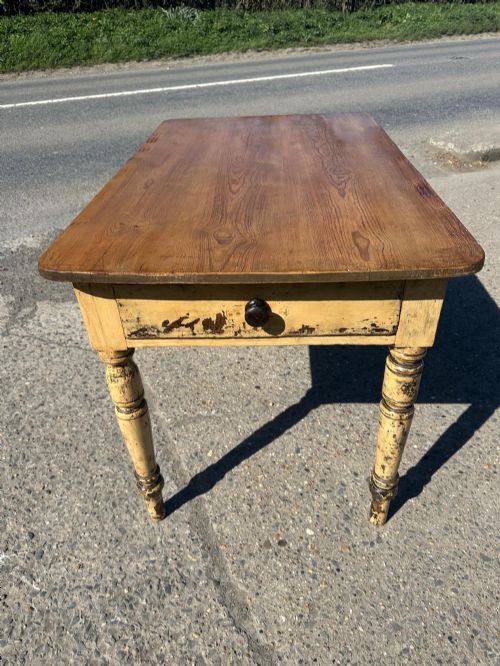
A vintage painted prep table serves as the primary workspace for food preparation, incorporating practical surfaces like scrubbed timber or marble atop painted pine bases. These utilitarian pieces emerge from nineteenth-century farmhouses, dairies, bakeries and provincial homes across England, France, Sweden and Hungary.
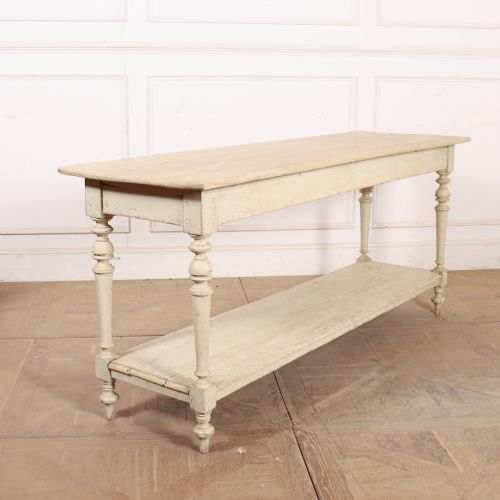
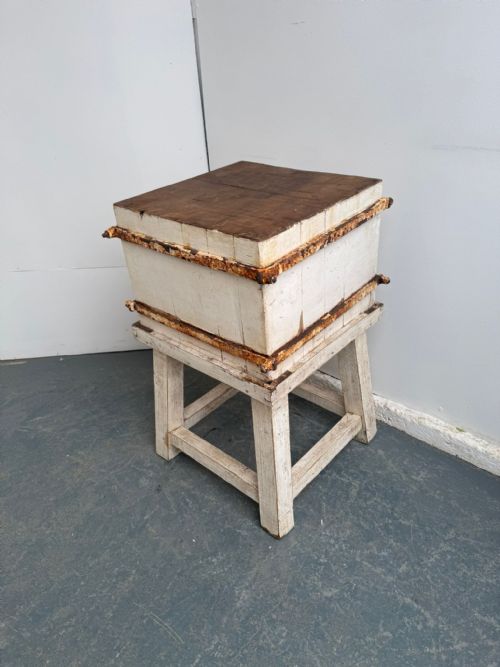
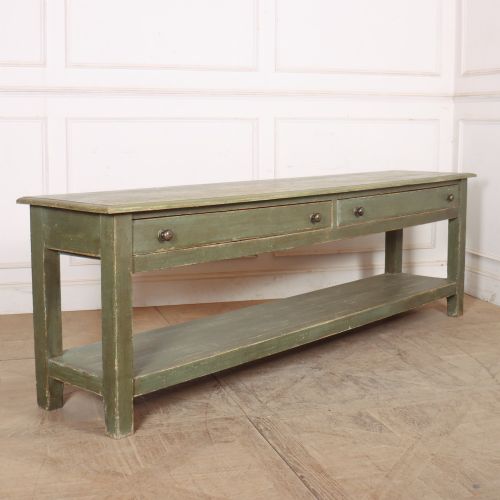
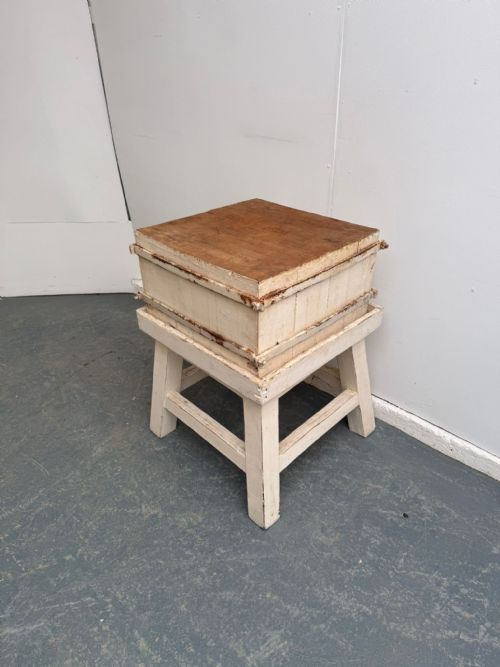
The selections span distinct regional forms, including bakers tables, butchers blocks, pastry tables, drapers tables and large harvest tables. Buyers encounter forms ranging from long three-drawer consoles to compact side tables and potboard servers.
Many examples retain layers of original colour, such as traditional Swedish Falu red or white paint, showing decades of honest wear from daily domestic tasks.
Materials and construction methods
Makers constructed the structural frames and bases predominantly from solid pine and timber, applying oil-based or distemper paints that developed complex patinas over generations of use. Working surfaces frequently combined scrubbed pine planks with occasional additions of marble or brass details.
Joinery relied on sturdy pegged construction, dovetailed drawers, and cleated ends designed to withstand heavy kitchen labour without warping. Iron brackets and corner braces occasionally reinforced heavy-duty butcher tables and workstands.
Victorian and nineteenth-century examples dominate the selection, complemented by early twentieth-century pieces from Scandinavian and English country workshops.
Judging quality and authenticity
The integrity of the surface finish dictates much of the value, with original untouched layers of paint scoring higher than later decorative overcoats. Unaltered scrub-top pine boards that retain their natural pale tone from scrubbing sit at the premium end of the range.
Proportion and structural honesty separate everyday utility pieces from exceptional country house examples. Tables featuring untouched original legs, stable two-plank tops, and functional drawers demonstrate superior craftsmanship.
The Vintage Painted Prep Table Glossary
- Scrub-top
- A wooden tabletop cleaned repeatedly with water and sand until smooth and pale. This finish exposes the natural grain of the timber.
- Falu paint
- A traditional red or dark earth paint derived from copper mine waste in Sweden. It preserves softwood effectively in cold climates.
- Potboard
- An open slatted lower shelf fitted between the legs of a serving table or dresser base. It stored heavy pots and pans within easy reach.
- Cleated ends
- Wooden battens fixed across the ends of tabletop planks. They prevent the main boards from splitting or bowing over time.
- Butchers block
- A thick wooden chopping surface mounted on a rigid stand. It absorbed the heavy impact of cleavers and heavy carving.
Vintage Painted Prep Table: Frequently Asked Questions
How do I clean a painted prep table?
Wipe surfaces gently with a damp cloth and mild soap to preserve fragile historic layers of paint. Avoid harsh chemical solvents that strip original colour and dry out the underlying pine.
Treat unpainted scrub tops with mild soap and warm water, brushing along the grain rather than across it. Regular oiling is unnecessary for scrubbed timber intended for display use.
Are these tables suitable for daily kitchen use?
These tables function well as kitchen islands or prep spaces provided you respect their historic surfaces. Many feature sturdy pine construction built specifically for heavy domestic labour.
Protect vulnerable painted bases from standing water and heat damage by using mats. Accept that active use will add new marks to surfaces already rich in historical patina.
How can I tell if the paint is original?
Original paint shows natural craquelure, uneven fading, and wear patterns concentrated around handles and leg bases. Inspect edges where multiple thin layers indicate genuine age rather than a single modern coat.
Examine the underlying timber for matching oxidation where paint meets bare wood. Modern reproductions often apply artificial distressing that lacks the gradual thinning found on genuine antique pieces.
What is the difference between a prep table and a harvest table?
Prep tables were typically designed for specific utility tasks such as baking, butchery or drapery, often featuring narrower proportions, drawers, or lower potboards. They served domestic workers behind the scenes.
Harvest tables provided wide dining spaces for large rural families and seasonal workers to gather for meals. They prioritised legroom and expansive seating areas over specialised working surfaces.