


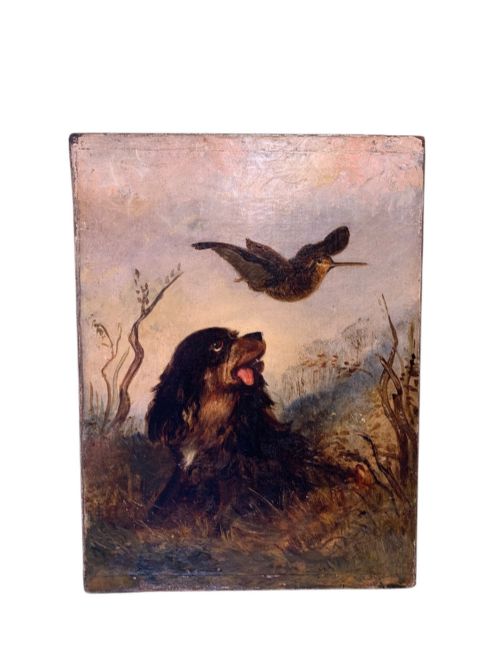
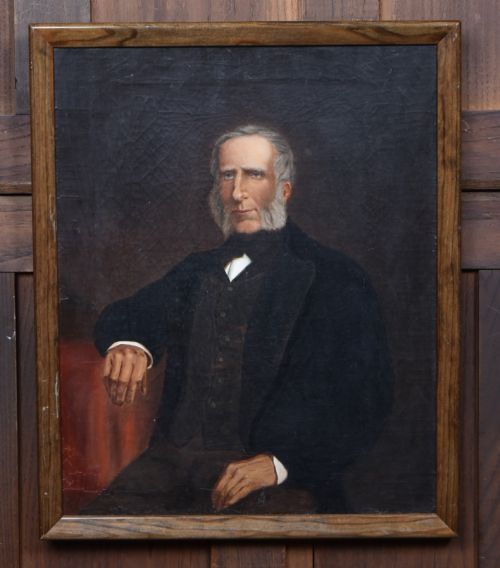
Original Oil Portrait
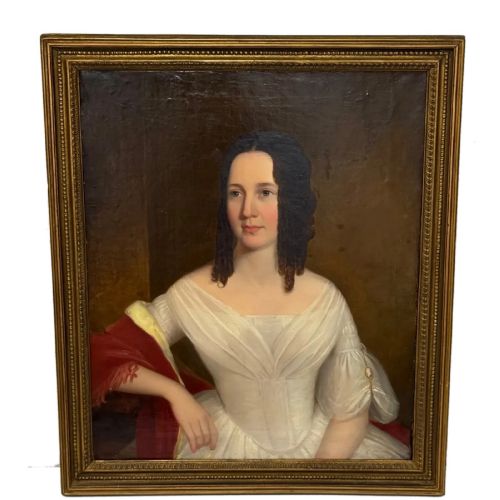
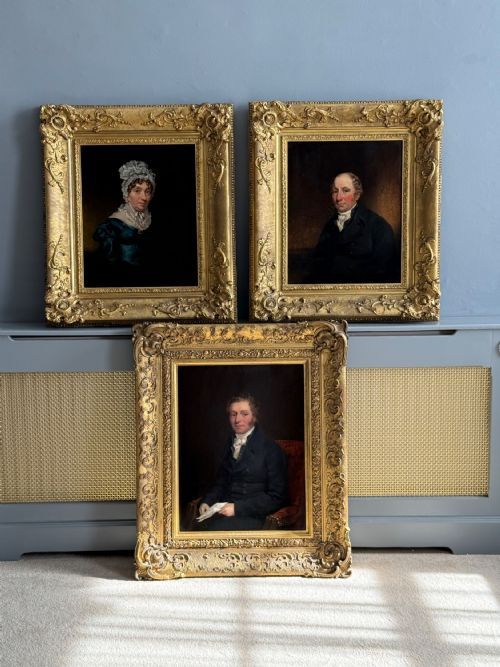
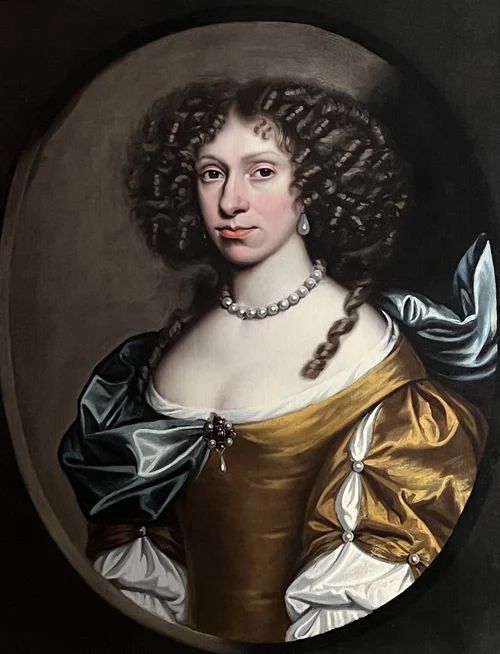
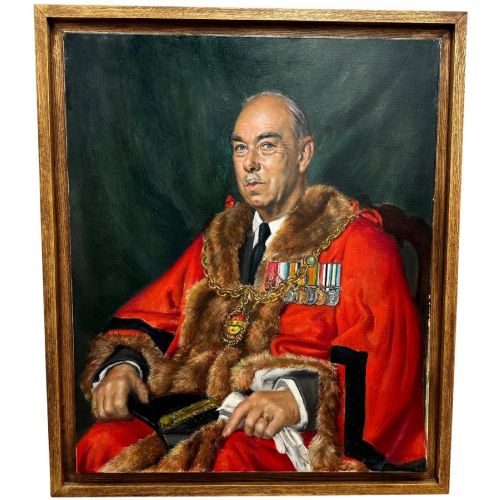
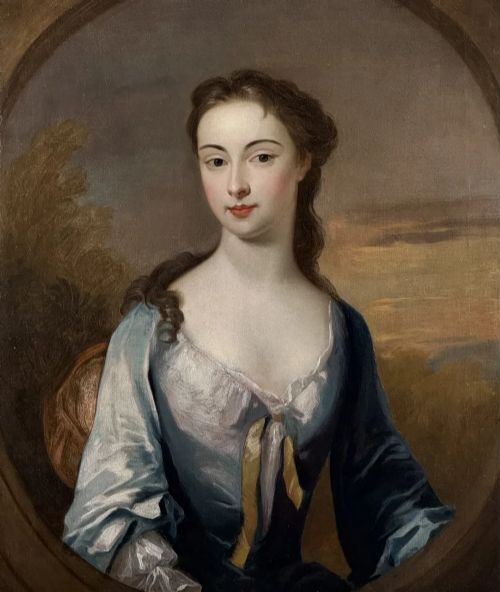
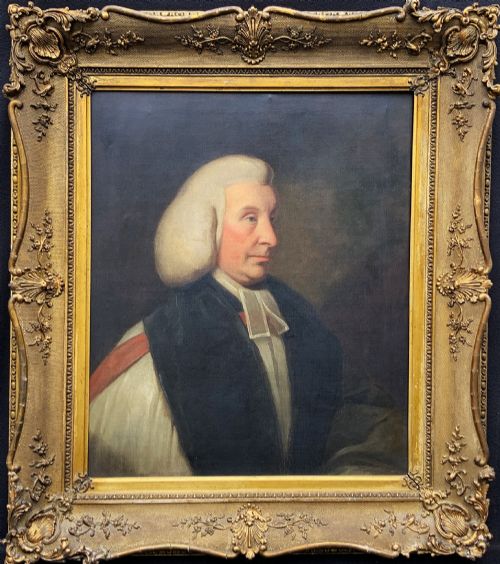
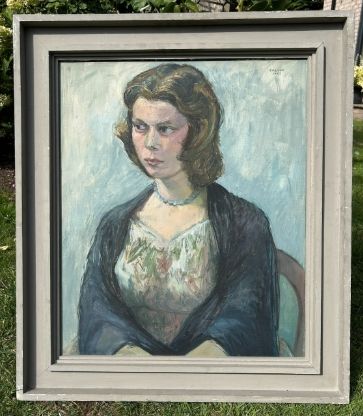
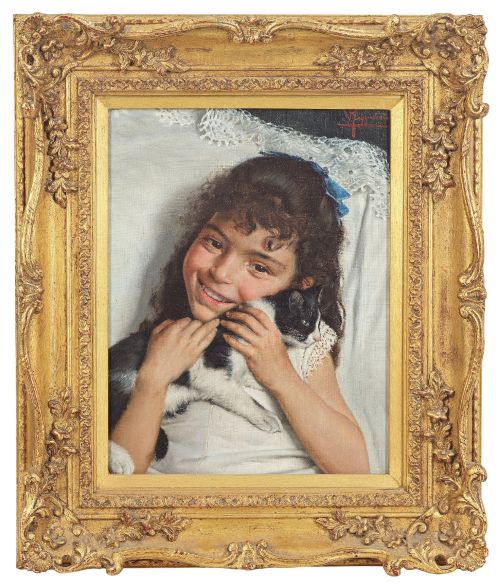
These pieces capture likenesses across centuries, offering you a direct window into past lives through original oil portraits.
Original Oil Portrait
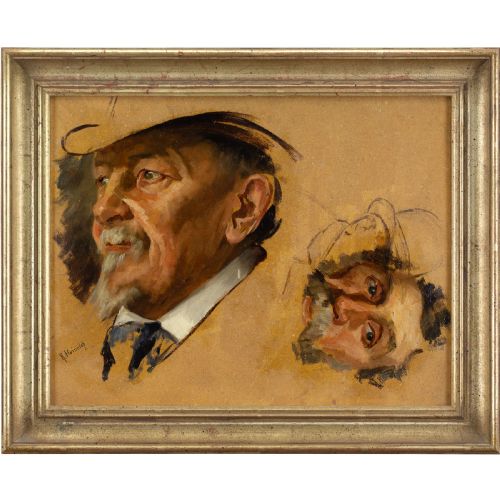
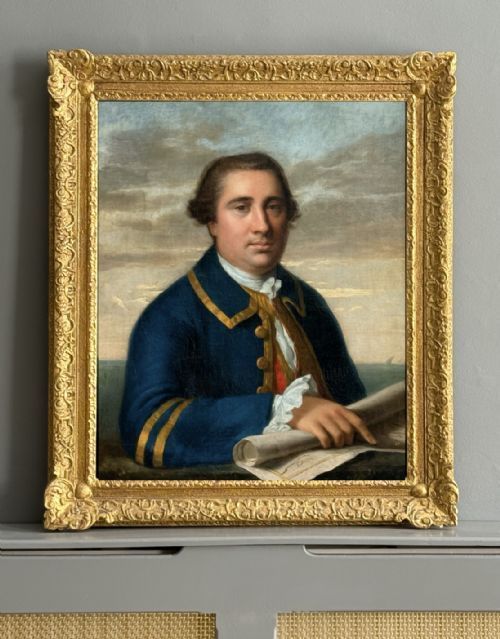
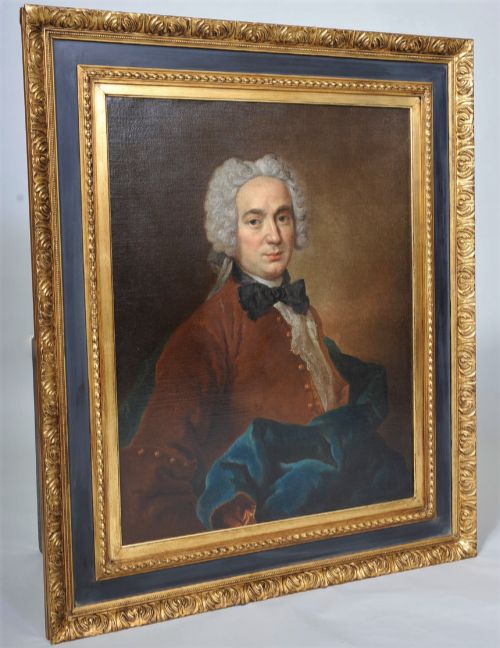
An original oil portrait brings historical subjects into domestic spaces, ranging from seventeenth-century nobility to mid-twentieth-century figures.
You will frequently encounter nineteenth-century canvases depicting Victorian gentlemen and ladies, alongside earlier Georgian works and twentieth-century academic pieces.
Subjects span titled personages, merchants, children, and artists themselves captured in self-portraits.
How They Were Made
Artists applied oil paint to stretched canvas, wooden panels, board, or copper supports to build rich, layered compositions.
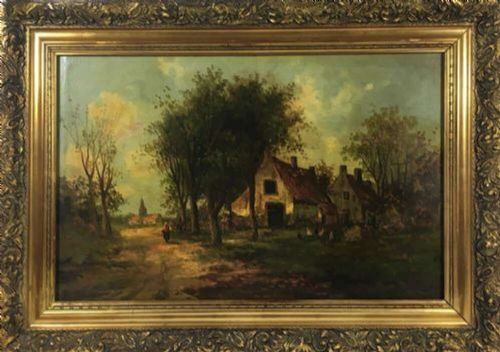
Many historic works are housed within their original giltwood or carved frames, preserving the complete historical object.
Original Oil Portrait Retail Price Guide 2026
Typical asking prices for original oil portrait among the pieces listed under this phrase on Sellingantiques today, from the lower quarter to the upper quarter. They describe what is for sale here now, not the wider market.
Materials documented across the inventory include oil, canvas, giltwood, board, copper, and wood panel.
What Varies in Quality
Execution ranges from competent regional school records to masterworks by elected Royal Academicians possessing profound psychological depth.
The sophistication of handling light, fabric texture, and facial expression distinguishes standard decorative likenesses from important historical documentation.
Joseph Clover RA·David Scougall·John Hayls·Charles Jervas·Lemuel Francis Abbott·John Opie RA·Albert Clark·Margaret Sarah Carpenter·Edgar Hunt·William Shuter
The Original Oil Portrait Glossary
- Oil on Canvas
- Pigments suspended in a drying oil medium applied to a woven fabric support. This combination allowed artists to blend tones seamlessly and achieve deep luminosity.
- Giltwood
- Wood carved and coated with gold leaf or gold paint. Frames utilising this finish were designed to complement the status of the sitter.
- Panel
- A rigid wooden support used by artists before canvas became the dominant medium. Panels provide a stable surface that frequently preserves fine brushwork.
- Academic Realism
- A style of painting produced under the influence of European academies of art. It emphasises precise drawing, smooth finishes, and classical composition.
- Unlined Canvas
- Original fabric support that has not been reinforced with a secondary backing layer. Collectors prize this state for its untouched provenance.
Original Oil Portrait: Frequently Asked Questions
How do I date an oil portrait?
Examine the sitter's costume, hairstyle, and framing style for clues that align with specific historical periods.
Material analysis of the canvas, stretcher bars, and pigments also helps determine the exact era of creation.
Are these portraits always signed by the artist?
Many historical portraits remain unsigned, particularly those originating from provincial British or European schools.
Attributions are often established through stylistic comparison, archival records, or contemporary documentation.
What is the difference between canvas and panel portraits?
Canvas supports became widely popular from the seventeenth century onward, allowing for larger formats and textured brushwork.
Wooden panels tend to appear on earlier or smaller-scale works, offering a rigid and smooth surface.
How should I hang and care for an oil portrait?
Keep paintings away from direct sunlight, high humidity, and extreme temperature fluctuations to protect the oil paint and canvas.
Display them securely using appropriate wall fixings that match the weight of the frame.