


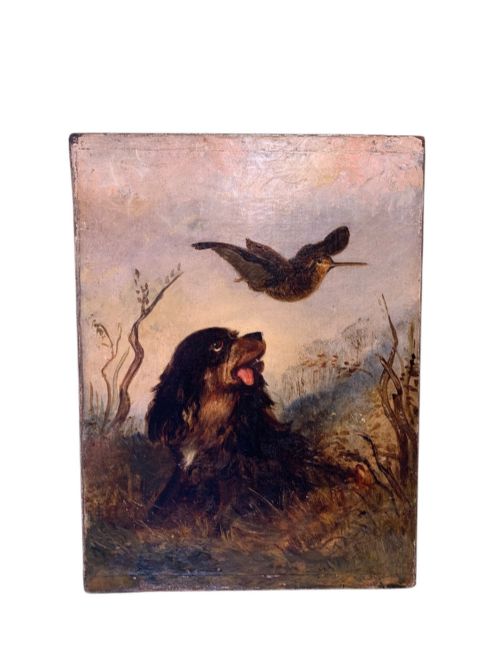
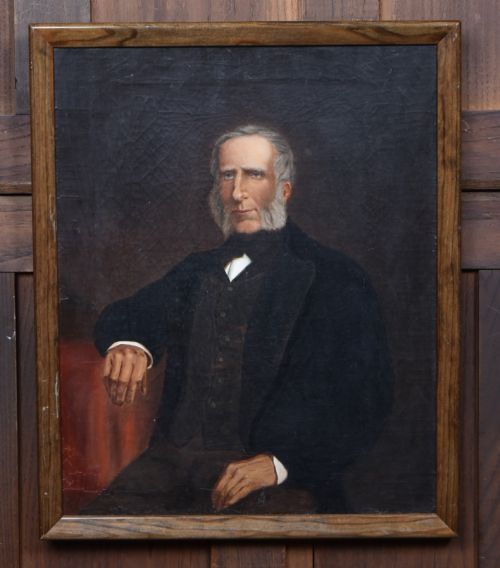
Original Oil Portrait Painting
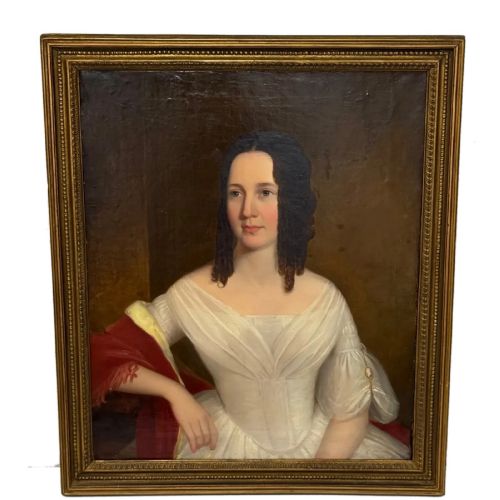
An original oil portrait painting captures the likeness and character of an individual through layered pigments on canvas or panel.

Original Oil Portrait Painting
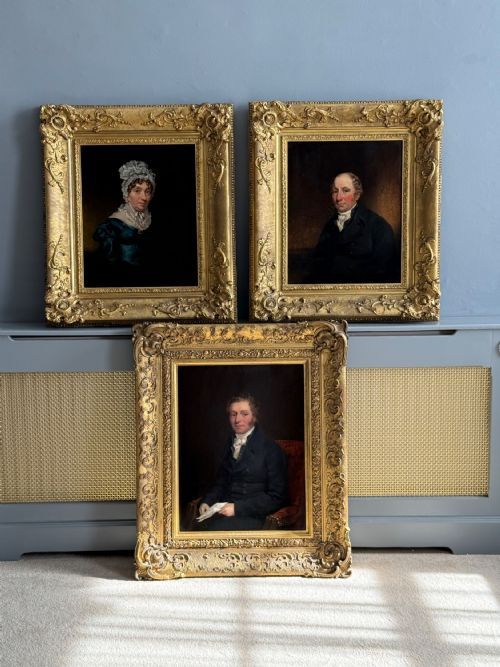
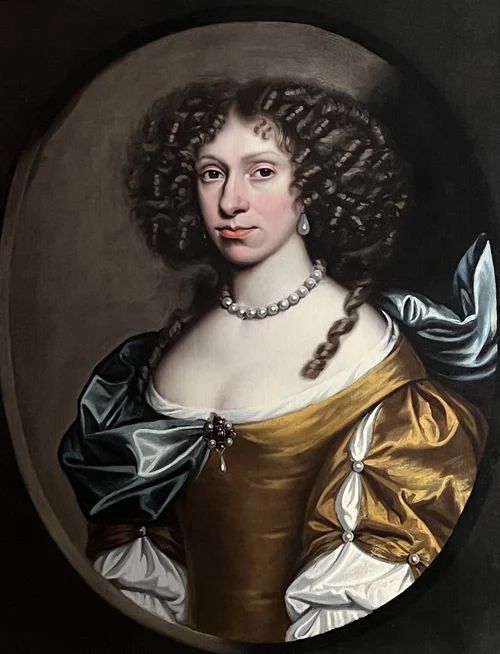
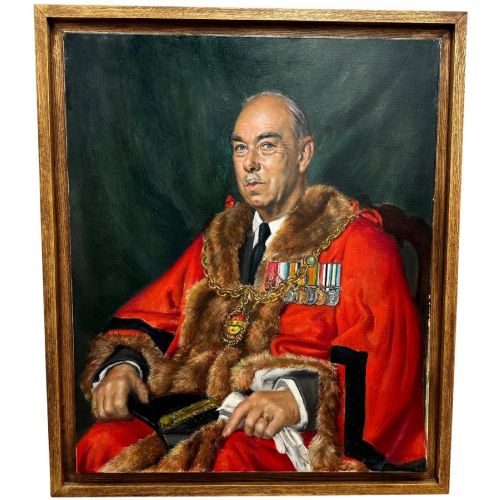
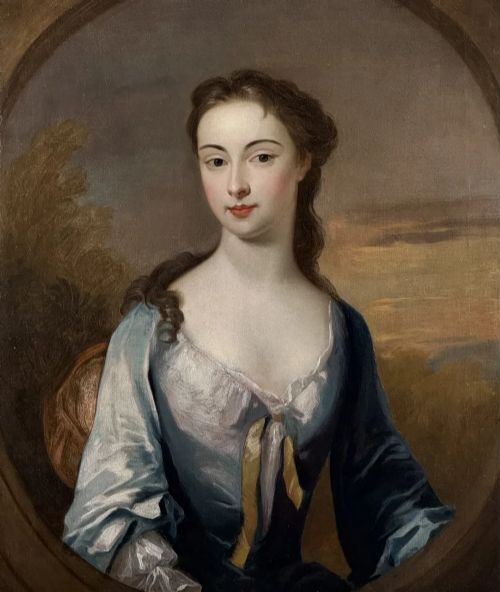
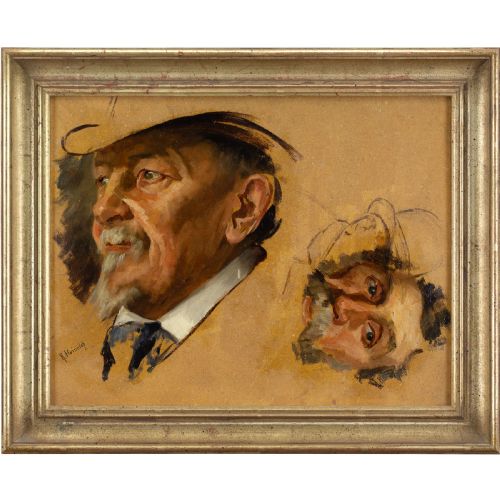
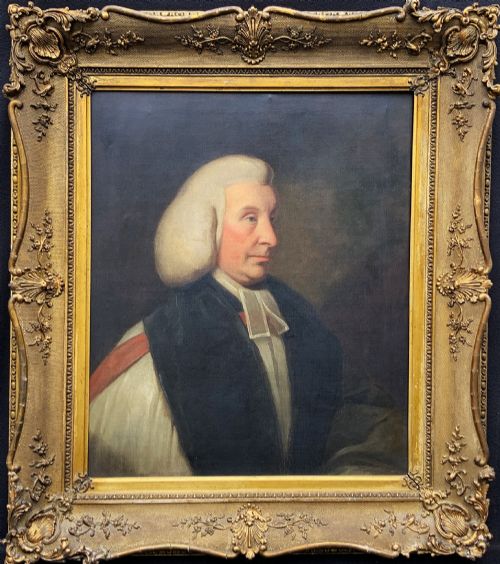
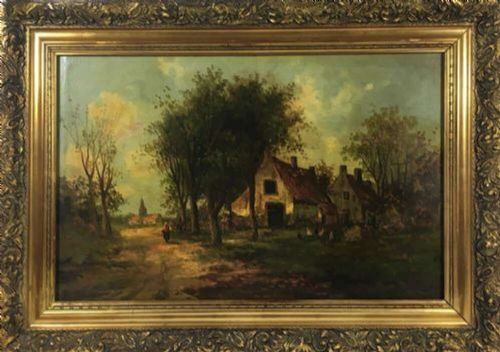
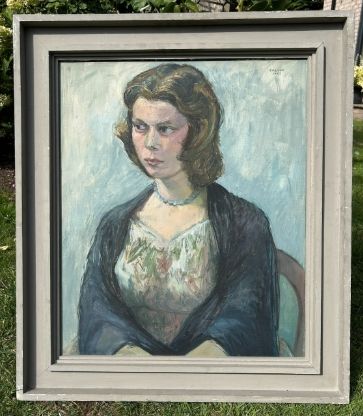
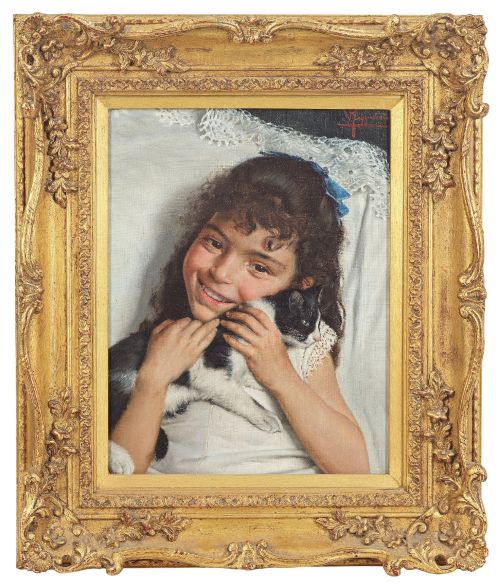
When searching for an original oil portrait painting, collectors encounter works spanning from the seventeenth century through the mid-twentieth century. The selection ranges from formal depictions of nobility and merchants to informal character studies and self-portraits created by British and European artists.
Many listings feature regional British schools alongside continental works, encompassing periods such as the Georgian, Regency, Victorian, and Edwardian eras. Buyers frequently find both identified sitters with documented biographies and anonymous subjects captured in daily life or historical dress.
How They Were Made
These works rely primarily on oil paint applied to stretched canvas, wooden panels, board, or copper supports. Artists built up depth through successive layers of pigment, utilising the slow-drying nature of oil to blend tones and achieve subtle transitions in skin and fabric.
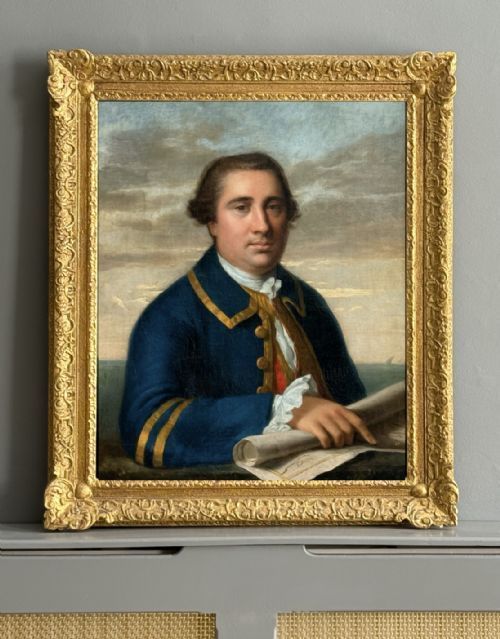
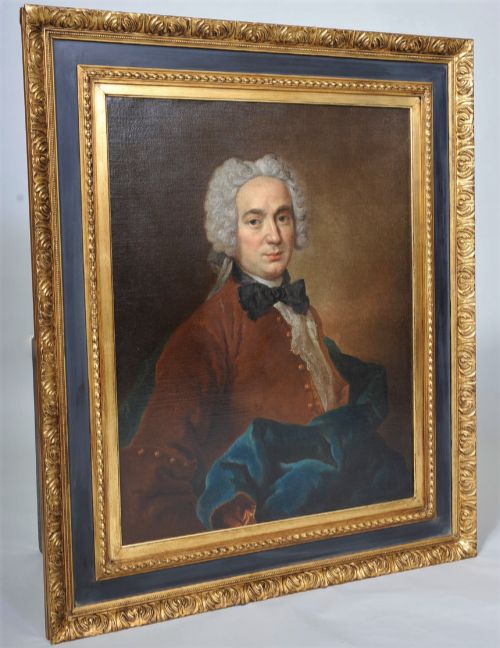
Many surviving examples retain their original giltwood or carved wooden frames, which were constructed to complement the proportions and period aesthetic of the central canvas.
Original Oil Portrait Painting Retail Price Guide 2026
Typical asking prices for original oil portrait painting among the pieces listed under this phrase on Sellingantiques today, from the lower quarter to the upper quarter. They describe what is for sale here now, not the wider market.
Listings feature works executed on oil on canvas, wood panel, copper, and board across Georgian, Victorian, and mid-twentieth-century periods.
What Varies in Quality
The standard of execution depends heavily upon the artist's ability to render facial anatomy, light, and texture with conviction. Superior examples demonstrate confident brushwork and psychological depth in the sitter's expression, rather than relying on stiff formulaic poses.
Condition also influences desirability, with well-preserved surfaces retaining their original pigment vibrancy while heavily restored or relined canvases show varying degrees of intervention by later conservators.
Eugène Verboeckhoven·Joseph Clover·David Scougall·John Hayls·Charles Jervas·Lemuel Francis Abbott·John Opie·James Howe·Albert Clark·Margaret Sarah Carpenter·Edgar Hunt
The Original Oil Portrait Painting Glossary
- Canvas
- A heavy woven fabric stretched across a wooden frame to serve as a stable support for oil paint. It provides a flexible surface that responds to environmental changes over the centuries.
- Giltwood
- Timber carved and coated with a thin layer of gold leaf or metallic gilt. This material defined the ornate frames designed to house period artworks.
- Panel
- A flat piece of wood used as a rigid alternative to canvas for painting. Wooden panels frequently appear in earlier works and miniature portraits.
- Relined
- A conservation process where a deteriorated original canvas is adhered to a fresh backing support for structural reinforcement. This technique secures fragile works against further tearing.
- Board
- A rigid flat sheet of compressed material utilised by artists as a lightweight painting support. It offers a firm alternative to stretched fabric.
Original Oil Portrait Painting: Frequently Asked Questions
How do I identify the period of a painting?
Dating relies heavily upon the sitter's costume, hairstyle, and the construction methods of the stretcher frame. Written inscriptions on the reverse of the canvas or panel often provide additional clues regarding the creation date.
stylistic markers within the brushwork and background scenery also align with specific artistic movements seen across the centuries.
Were these portraits always painted from life?
While many sitters sat directly for the artist over multiple sessions, historical portraits were occasionally painted from preparatory sketches or posthumous references. Miniatures and smaller panel works were sometimes produced as tokens of remembrance or engagement gifts.
artists also utilised studio props and standard costumes to construct allegorical or idealized representations.
How should I care for an oil painting at home?
Oil paintings require stable indoor humidity and temperature away from direct sunlight to prevent the canvas from sagging or the paint layers from cracking. Dust should be removed gently from the surface and frame using a soft, dry brush without applying pressure.
avoiding harsh chemical cleaners ensures the delicate varnish layer remains intact and protected.
What is the difference between canvas and panel supports?
Canvas provides a flexible woven surface that yields slightly under pressure and accommodates larger compositional scales. Wooden panels offer a rigid, completely flat ground that was historically favoured for smaller, highly detailed works.
panels require careful seasoning of the wood to prevent warping over long periods.